

P0763 on 2011-2014 Kia Optima Hybrid: Shift Solenoid 'C' Causes and Fixes
On a 2011-2014 Kia Optima Hybrid, code P0763 almost always means the Shift Solenoid 'C' has failed. This is a known issue confirmed by Kia TSB #TSBTRA051R1. The fix is to replace the individual solenoid inside the transmission, not the entire unit. The internal wiring harness is also a common failure point and is often replaced at the same time.
- P0763 on a 2011-2014 Optima Hybrid points directly to an electrical fault with Shift Solenoid 'C'.
- The most common cause is a failed solenoid, which is a known issue confirmed by Kia TSB #TSBTRA051R1.
- Do not replace the entire transmission; the TSB specifically advises replacing only the solenoid.
- Symptoms include harsh shifting, getting stuck in gear (limp mode), and a Check Engine Light.
- This repair requires accessing the transmission's internal valve body and is best left to a professional or experienced DIYer.
What's Unique About the 2011-2014 Kia OPTIMA HYBRID
The 6-speed automatic transmission (A6MF family) used in this generation of Kia Optima and its platform-mate, the Hyundai Sonata, has a well-documented history of solenoid failure. The issue is so common that both Kia and Hyundai issued specific Technical Service Bulletins (Kia TSB #TSBTRA051R1 and Hyundai TSB #14-AT-003) advising technicians to replace the individual faulty solenoid rather than the much more expensive transaxle assembly. These bulletins are a critical piece of information that can save owners a significant amount of money on repairs.
Diagnostic Flowchart
Tap your situation to follow the diagnostic path that matches what you're seeing on this vehicle.
Symptoms You May Notice
- Check Engine Light is on
- Harsh, delayed, or erratic shifting
- Transmission gets stuck in one gear (limp mode, often 3rd gear).
- Inability to shift into 3rd, 5th, or Reverse.
- Transmission slipping.
- Decreased fuel economy.
- Transmission overheating.
- Replacing the entire transmission assembly. The official Kia TSB #TSBTRA051R1 and Hyundai TSB #14-AT-003 explicitly advise against this, stating that only the faulty solenoid(s) and potentially the harness should be replaced.
Most Likely Causes
- Failed Shift Solenoid 'C' 🔴 High Probability This is a known high-failure part in the A6MF family of transmissions, as documented by Kia's TSB #TSBTRA051R1. The internal coil windings can fail (open or short), preventing the solenoid from activating. It is a variable force solenoid that is normally high.
How to confirm: Using a multimeter, test the resistance of the solenoid after accessing the valve body. The specified resistance for the 3-5-R solenoid (Solenoid 'C') is approximately 5.1 Ohms. 🎬 Watch: How to test the solenoid resistance with a multimeter. A reading of infinite resistance (open) or near-zero (short) confirms failure. A wider acceptable range is 5-15 Ohms.
Typical fix: Replace the faulty shift solenoid. The solenoids are often sold individually or in a pack. Given the labor involved, it may be wise to replace the entire solenoid block or at least other solenoids that share a similar design.
Est. part cost: $40-$150 - Wiring or Connector Issue 🟡 Medium Probability The internal transmission wiring harness (ribbon style) is submerged in hot fluid, which can make it brittle over time, leading to cracks or breaks. This harness is a very common failure point, sometimes more so than the solenoids themselves, and is often replaced preventatively during a solenoid job. External wiring can also be damaged by road debris or corrosion.
How to confirm: Visually inspect the external transmission wiring harness and connector for damage. Test for continuity and check for shorts to power or ground on the circuit between the TCM and the solenoid connector. The internal harness should be inspected for brittleness or cracks once the oil pan is removed. An intermittent open in the harness can be present even if the solenoid tests good.
Typical fix: Repair the damaged section of external wiring or replace the faulty connector. The internal transmission harness (Part # approx. 46307-3B650) should be replaced if it shows any signs of degradation.
Est. part cost: $50-$250 - Low or Contaminated Transmission Fluid ⚪ Low Probability While not specific to this vehicle, contaminated fluid can clog the small passages within the solenoids, causing them to stick or operate slowly.
How to confirm: Check the transmission fluid level and condition using the service port. The fluid should be at the correct level, red in color, and not smell burnt. Dark, dirty, or burnt-smelling fluid indicates a problem.
Typical fix: Perform a transmission fluid drain and fill or a complete fluid flush using the correct Kia-specified fluid (e.g., SP-IV). This is always done as part of the solenoid replacement.
Est. part cost: $80-$200 - Faulty Transmission Control Module (TCM) ⚪ Low Probability
How to confirm: This is typically diagnosed by exclusion. If the solenoid, wiring, and fluid are all confirmed to be good, the TCM becomes the primary suspect. A dealer-level scan tool may be needed to test the TCM's output driver for the solenoid circuit. The Hyundai TSB notes that if the code returns after replacing the solenoid and harness, the TCM may be at fault.
Typical fix: Replace and reprogram the Transmission Control Module.
Est. part cost: $500-$1000
Diagnosis Steps
- Read the trouble codes with an OBD-II scanner and record any other codes present.
- Check the transmission fluid level and condition. Ensure it is full and not burnt or dirty.
- Inspect the external transmission wiring harness and connectors for any signs of damage, corrosion, or loose connections.
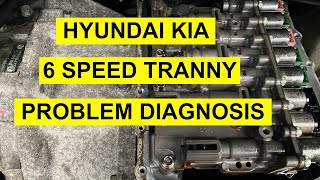
- Using an advanced scan tool (like Kia GDS), attempt to command Shift Solenoid 'C' on and off using the 'Actuation Test' to check for an audible click from the transmission pan. 🎬 Watch: How to clean and test your 6-speed transmission solenoids.
- If accessible, test for 12V power at the solenoid connector with the ignition on.
- Drain the transmission fluid and remove the transmission oil pan to access the valve body. 🎬 See this walkthrough for removing and replacing the shift solenoids.
- Visually inspect the internal wiring harness for cracks, brittleness, or damage.
- Disconnect the solenoid and measure its internal resistance with a multimeter. Compare the reading to the manufacturer's specification of ~5.1 Ohms. An open circuit (infinite resistance) or a short (near-zero resistance) confirms a failed solenoid.
- If the solenoid and wiring test good, the fault may lie with the Transmission Control Module (TCM), as per the process of elimination.
Parts You'll Likely Need
- Automatic Transmission Shift Solenoid (3-5-R)
(OEM #46313-3B030)— This is the most common failure part for code P0763 on this vehicle, as confirmed by Kia's Technical Service Bulletin TSBTRA051R1. This specific part number is for the variable force solenoid.
Trusted brands: Kia/Hyundai (OEM), Rostra, Standard Motor Products
OEM price range: $80-$150
Aftermarket price range: $40-$90 - Internal Transmission Wiring Harness
(OEM #46307-3B650 (or similar, verify with VIN))— This harness becomes brittle and fails frequently. It is highly recommended to replace it when the valve body is accessed for solenoid replacement. Hyundai's TSB recommends replacing it along with the solenoid.
Trusted brands: Kia/Hyundai (OEM)
OEM price range: $100-$180
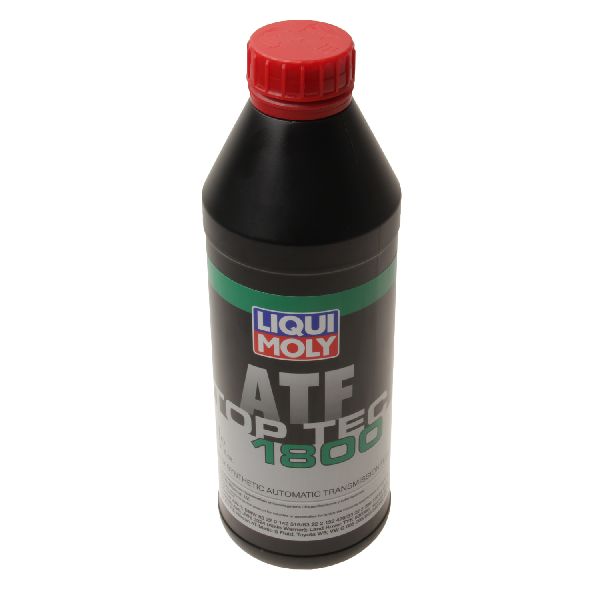
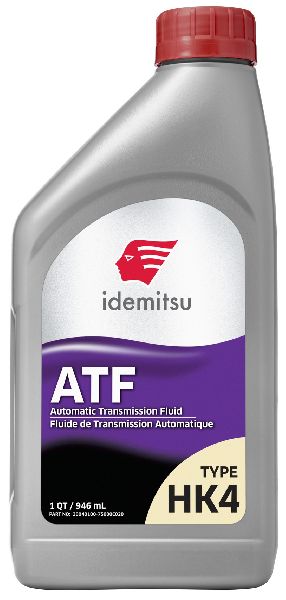
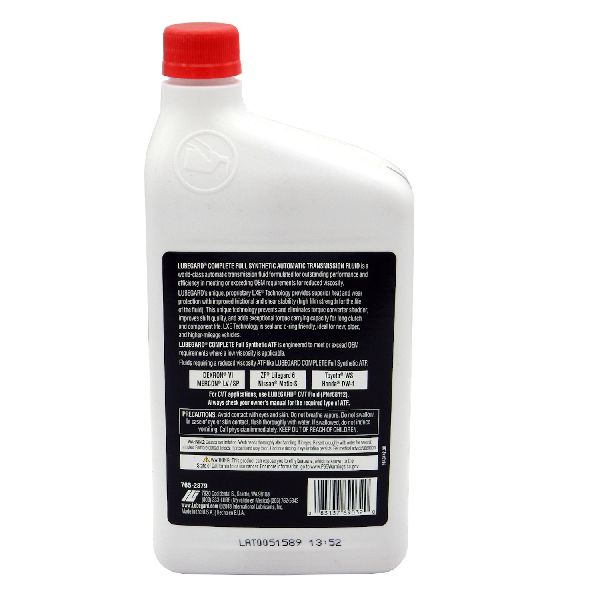
Aftermarket price range: $70-$120 - Automatic Transmission Fluid (Kia SP-IV) — The transmission fluid must be drained to access the solenoids and should be replaced with new, correct-specification fluid during the repair. Approximately 5-6 quarts are needed for a drain and fill.
Trusted brands: Kia (OEM), Idemitsu, Valvoline
OEM price range: $15-$25 per quart
Aftermarket price range: $10-$18 per quart - Transmission Oil Pan Gasket — The gasket should be replaced when the oil pan is removed to prevent leaks after the repair is complete. Some later models use a reusable rubber gasket that should be inspected.
Trusted brands: Kia (OEM), Fel-Pro, Mahle
OEM price range: $25-$40
Aftermarket price range: $15-$30
Related Codes That Often Appear With This One
- P0741 — This code for the Torque Converter Clutch is mentioned in the same TSB (TSBTRA051R1) and can occur due to related hydraulic pressure issues or a failing wiring harness.
- P0753, P0758, P0768, P0773 — These are electrical fault codes for other shift solenoids (A, B, D, E) in the same transmission. If multiple solenoid codes appear together, it strongly suggests a common problem like the internal wiring harness, a bad ground, or a failing TCM rather than multiple individual solenoid failures.
Technical Service Bulletins (TSBs) & Recalls
- TSBTRA051R1: Advises replacing individual shift solenoids for various DTCs, including P0763, rather than replacing the entire transaxle. It confirms this is a known issue on 6-speed automatic transaxles.
- Hyundai 14-AT-003: A parallel TSB for Hyundai models with the same transmission, which also lists P0763. It explicitly recommends replacing the related solenoid AND the valve body harness.
Platform-Specific Known Issues
- A known high failure rate of shift solenoids in the A6MF1 6-speed automatic transmission, leading Kia to issue TSB #TSBTRA051R1.
- The internal wiring harness is also a very common point of failure and is often replaced alongside the solenoids as a best practice.
Mechanic-Grade Diagnostic Values
- Shift Solenoid 'C' (3-5-R) resistance — expected: 5.1 Ohms. Failure: Open circuit (infinite resistance) or shorted (near zero). A wider acceptable range is 5-15 Ohms.
- Voltage at solenoid power feed wire — expected: 12 V ± 0.5 V (Ignition ON, Engine at idle). Failure: Significantly lower or no voltage, indicating a wiring or TCM issue.
- Ground continuity at solenoid — expected: < 0.2 Ω (from solenoid housing to chassis ground). Failure: High resistance, indicating a poor ground connection.
Scan Tool Commands That Help
- Kia GDS (Global Diagnostic System): Actuation Test — During diagnosis, to command Shift Solenoid 'C' on and off. A clicking sound indicates the solenoid is mechanically functioning, helping to isolate the fault to wiring or the solenoid itself.
- Kia GDS (Global Diagnostic System): Resetting Auto T/A Values / Init Of TCU Learning — This is mandatory after replacing the transmission, solenoids, or TCM. It erases the old adaptive shift pressure values, which must be followed by a specific relearn drive cycle to ensure smooth shifting and prevent damage.
Wiring & Ground Locations
- TCU Fuse (Interior) — In the fuse box in the driver's side footwell. The fuse is labeled 'IG1' and is a 20 amp fuse.. This fuse supplies power to the Transmission Control Unit (TCU). A blown fuse will cut power to the module, preventing it from controlling the solenoids and setting codes like P0763.
- TCU Fuse (Engine Bay) — In the fuse box in the engine compartment. The fuse is labeled 'TCU #1' and is a 20 amp fuse.. This is another critical power supply fuse for the transmission control system. It should be checked if there is no power to the transmission circuits.
- Transmission Connector Pin 10 — On the main electrical connector going into the transmission case.. According to A6MF1 documentation, Pin 10 provides the power feed for the 3-5-R solenoid (Solenoid 'C'). This is a key point for testing voltage and continuity from the TCM.
Real Owner Repair Stories
- Go-Parts.com Article (2011-2015 Kia Optima) — P0763 code and shifting issues.
❌ Tried (didn't work) Initial diagnosis pointed to the common solenoid failure.
✅ What actually fixed it The technician tested the 3-5-R solenoid's resistance and found it was 5.1 ohms (within spec). However, a continuity test on the internal 'ribbon' wiring harness revealed an intermittent open circuit. Replacing the internal wiring harness, not the solenoid, resolved the P0763 code and all shifting issues.
"I Checked Everything" — The Actual Cause
- In the context of this electrical code, the equivalent scenario is when the primary component tests good. A documented repair shows that the shift solenoid's resistance can measure correctly (5.1 ohms), yet the P0763 code persists. The actual cause was an intermittent open circuit within the internal transmission wiring harness, which was only found with a specific continuity test of the harness itself.
OEM Part Supersession History
46313-3B020→46313-3B030— Part revision/improvement by the manufacturer.46307-3B610, 46307-3B620→46307-3B650— Part revision/improvement for the internal wiring harness.
Model Year Variations Within This Range
- 2011-2014: The most significant variation within this range relates to replacement parts, not original factory builds. Replacement transmissions may contain updated '100 mesh' solenoids instead of the original '400 mesh' design. If a newer transmission is installed, a mandatory HCU/TCU software update is required to prevent drivability issues, as per Kia TSB TRA059.
Helpful Videos


Used OEM Parts in Stock

New Aftermarket Parts Available


The information in this article is provided for general reference and educational purposes only. Vehicle specifications, procedures, and part compatibility can vary by production date, trim level, and region. Always consult your vehicle's factory service manual and verify part numbers before purchasing or performing repairs. Safety-critical components such as airbags, seat belts, and braking systems should be installed by a qualified professional.
- Kia OPTIMA HYBRID:
- 🎬 Helpful Videos
- 🛍️ Shop This Part
- What's Unique About the 2011-2014 Kia OPTIMA HYBRID
- Diagnostic Flowchart
- Symptoms You May Notice
- Most Likely Causes
- Diagnosis Steps
- Parts You'll Likely Need
- Related Codes That Often Appear With This One
- Technical Service Bulletins (TSBs) & Recalls
- Platform-Specific Known Issues
- Mechanic-Grade Diagnostic Values
- Scan Tool Commands That Help
- Wiring & Ground Locations
- Real Owner Repair Stories
- "I Checked Everything" — The Actual Cause
- OEM Part Supersession History
- Model Year Variations Within This Range
- 🎟️ Get 5% Off