

P0761 on 2011-2015 GMC Sierra: Shift Solenoid 'C' Stuck Off Causes & Fixes
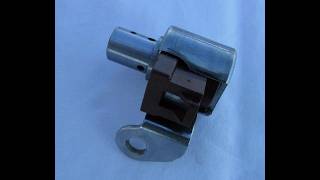
P0761 on a 2011-2015 GMC Sierra typically points to an internal transmission problem, often debris in the valve body or a failed shift solenoid. The most common fix involves servicing the valve body and replacing the solenoid assembly (TEHCM), which requires professional installation and programming. Expect costs to range from $750 to $1,500.
- P0761 on a 2011-2015 Sierra is a serious code that requires immediate attention to prevent further transmission damage.
- The cause is very likely internal to the transmission, stemming from either debris in the valve body (a known issue cited in TSBs) or a failed TEHCM (solenoid pack).
- This is not a DIY-friendly repair. It requires specialized tools, a clean working environment, and electronic programming of the new TEHCM.
- Always check the transmission fluid level and condition first, but be prepared for a more complex internal repair.
- Insist on using OEM-spec parts, especially transmission filters, to prevent introducing debris that can cause this exact problem. [Bulletin #PIP5100A]
What's Unique About the 2011-2015 Gmc SIERRA
The GMC Sierra in this year range primarily uses the 6L80 6-speed automatic transmission. A key feature of this platform is that the shift solenoids are integrated into the Transmission Electro-Hydraulic Control Module (TEHCM), which also houses the TCM. This means a single solenoid failure often requires replacing the entire assembly. Furthermore, GM has issued multiple Technical Service Bulletins (TSBs) for these trucks, like PIP5100 and PIP5100A, highlighting a known issue where debris clogs passages in the valve body separator plate, leading directly to this code. A very common source of this debris is a failing torque converter clutch, which sheds metallic particles that overwhelm the filter and contaminate the entire hydraulic system.
Diagnostic Flowchart
Tap your situation to follow the diagnostic path that matches what you're seeing on this vehicle.
Generation note: This range covers the late second generation (GMT900, 2011-2013) and the early third generation (K2XX, 2014-2015). Both generations primarily use the 6L80 6-speed automatic transmission (RPO code MYC), and the documented causes and TSBs for P0761 apply to both. It's worth noting that 2014+ models were designed to operate at higher fluid temperatures, which can accelerate fluid breakdown. A key difference is that the TEHCMs for 2014 and newer models have different calibrations and are not interchangeable with earlier units.
Symptoms You May Notice
- Check Engine Light is on
- Transmission is stuck in one gear (limp mode), often 3rd gear.
- Harsh, erratic, or delayed shifting.
- Vehicle will not move in forward or reverse. [Bulletin #PIP5100, Bulletin #PIP5100A]
- Delayed engagement when shifting into Drive or Reverse. [Bulletin #PIP4379K]
- Transmission slipping
- Reduced fuel economy. 🎬 Watch: A detailed explanation of the P0761 code and symptoms
- Torque converter clutch (TCC) shudder or failure to lock up.
- Replacing only one shift solenoid, which is not possible on a 6L80 as they are part of the integrated TEHCM.
- Replacing the TEHCM without first inspecting the valve body for debris or addressing the source of the contamination (like a failing torque converter), which is a common cause cited in TSBs.
- Assuming the entire transmission needs to be rebuilt when the issue is isolated to the valve body or TEHCM.
- Mistaking a faulty shift solenoid circuit for a bad solenoid and replacing the TEHCM unnecessarily.
Most Likely Causes
- Debris in Transmission Valve Body 🔴 High Probability As documented in TSBs PIP5100 and PIP5100A, these transmissions are susceptible to debris blocking small orifices in the valve body separator plate, causing hydraulic pressure issues that trigger solenoid performance codes. This debris can come from normal wear, a failing torque converter, or as noted in TSB PIP5100A, from an aftermarket spin-on filter.
How to confirm: Drop the transmission pan and remove the valve body for visual inspection. Check the separator plate orifices for blockage. The fluid may have a grey, metallic paste-like consistency.
Typical fix: Clean or replace the valve body and separator plate. A full fluid flush of the transmission and cooler lines is recommended. Aftermarket solutions like the Sonnax Zip Kit are popular for addressing wear in the valve body bores.
Est. part cost: $50-$300 for a separator plate or cleaning service. 🎬 See how to disassemble and clean your 6L80 valve body
- Failed Shift Solenoid Pack (TEHCM) 🔴 High Probability The shift solenoids are integrated into the TEHCM, which is a known failure point on 6L80 transmissions. An internal failure in the driver circuit, a cracked pressure switch membrane, or the solenoid coil itself will trigger this code.
How to confirm: After confirming the valve body is clean, a diagnostic scan tool can be used to command the solenoid. If it fails to respond and wiring is intact, the TEHCM is faulty. Often, multiple solenoid or pressure switch codes will be present.
Typical fix: Replace the entire TEHCM assembly. The new part must be programmed to the vehicle's VIN. Remanufactured units are widely available and often include upgrades to address common failure points. 🎬 Watch: What you need to know about TEHCM and TCM replacements
Est. part cost: $350-$750 - Low or Dirty Transmission Fluid 🟡 Medium Probability The 6L80 is sensitive to fluid level and condition. Low fluid can cause a loss of hydraulic pressure, while fluid contaminated with clutch material or metal shavings from a failing torque converter can clog solenoids and valve body passages.
How to confirm: Check the transmission fluid level and condition. The fluid should be bright red (Dexron VI) and not smell burnt. Many of these trucks lack a dipstick, requiring a fluid level check at the fill plug on the transmission case while the vehicle is running and at a specific temperature.
Typical fix: Perform a transmission fluid and filter change. If significant debris is found, further diagnosis is required to find the source.
Est. part cost: $75-$150 for fluid and filter.
Rare But Worth Checking
- Failing Torque Converter: This is often the root cause of fluid contamination. The torque converter clutch can wear out and send metallic debris throughout the transmission, which clogs the valve body and TEHCM, leading to P0761 as a secondary symptom. A common owner experience is finding a fine, grey metallic paste in the transmission pan.
- Wiring or Connector Issue: Damage to the main transmission harness connector (the round 16-pin connector on the passenger side) or internal wiring can cause a loss of signal to the solenoid. This is less common than internal component failure but should be checked for corrosion or damage before replacing expensive parts. Forum users frequently advise checking grounds, particularly G110 on the engine block, before condemning expensive parts.
- Cracked 1-2-3-4 / 3-5-R Clutch Housing: TSB 09-07-30-004J notes that internal clutch housings can crack, leading to pressure loss that can manifest as various solenoid performance codes, including P0761. This is a major internal failure requiring a transmission rebuild. This failure is often identified by air checking the drum during a teardown and finding a leak at the weld.
Diagnosis Steps
- Check the transmission fluid level and condition. If it is low, dark, or smells burnt, this indicates a problem.
- Use a professional OBD-II scanner to check for any other transmission-related codes. Multiple solenoid codes often point to a TEHCM or valve body issue.
- Inspect the external transmission wiring harness and the main round 16-pin connector for any visible damage, corrosion, or fluid leaks.
- Drop the transmission pan and inspect the fluid and pan magnet for excessive metal shavings or clutch material. A grey, paste-like substance is a tell-tale sign of torque converter failure.
- Remove, disassemble, and inspect the valve body and separator plate for debris, blockages, or stuck valves, as recommended by TSBs PIP5100 and PIP5100A. Check for deformed check balls.
- If the valve body is clean, test the TEHCM. This is typically done by a professional who can command the solenoids with a scan tool and verify electrical integrity. Resistance for the pressure control solenoids (like 'C') should be 3-8 Ohms.
- If the TEHCM is determined to be faulty, it must be replaced and programmed.
Parts You'll Likely Need
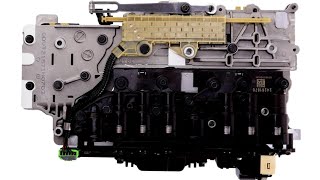
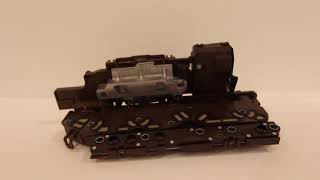
- Transmission Electro-Hydraulic Control Module (TEHCM)
(OEM #24256861 (Verify by VIN, multiple versions exist))— This assembly contains all the shift solenoids and the TCM. It is the most common part replaced to fix a P0761 code when the valve body is clean.
Trusted brands: ACDelco (GM Genuine), Sonnax (Remanufactured), Dorman (Remanufactured)
OEM price range: $450-$650.
Aftermarket price range: $300-$500. - Transmission Fluid and Filter Kit
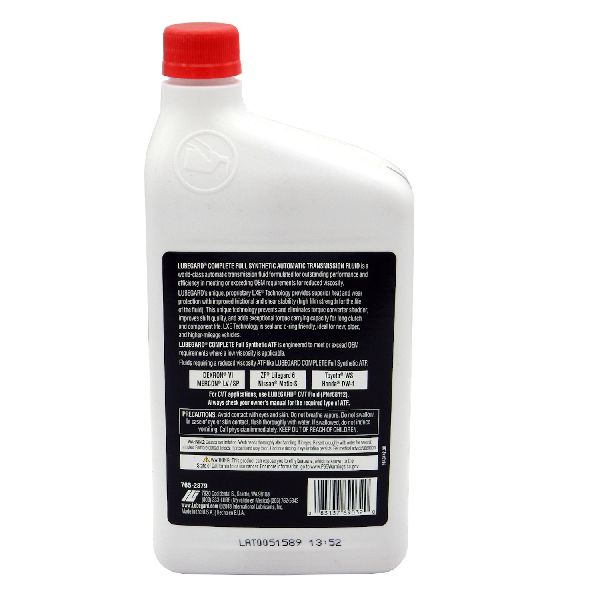
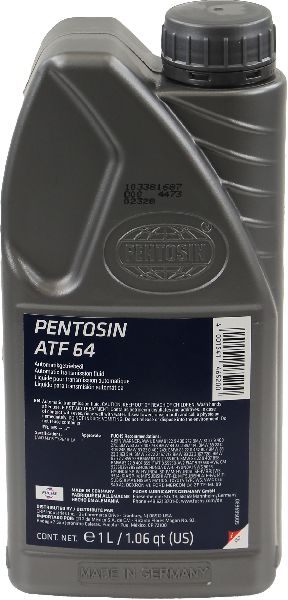
(OEM #24236933 (Filter Kit, verify by VIN))— This is required anytime the transmission pan is dropped for service. Using the correct ACDelco DEXRON-VI fluid is critical.
Trusted brands: ACDelco
OEM price range: $75-$120
Aftermarket price range: $50-$90 - Valve
Related Codes That Often Appear With This One
- P0751 — This is a code for Shift Solenoid 'A'. It often appears with P0761 because a systemic issue like contaminated fluid, a blocked valve body, or a failing TEHCM affects multiple solenoids. [Bulletin #PIP4379K]
- P0741 — This code for 'Torque Converter Clutch Circuit Performance or Stuck Off' is a strong indicator that the torque converter is failing and shedding debris, which is the root cause of the solenoid issue.
- P0700 — This is a general Transmission Control System Malfunction code. It is often set alongside more specific codes like P0761 to indicate a fault has been registered by the TCM. [Bulletin #PIP4379K]
- P0877 — This code relates to Transmission Fluid Pressure Sensor/Switch 'D' Circuit Low. It is listed in the same TSBs (PIP5100, PIP5100A) and points to the same set of common failures like valve body contamination or cracked pressure switch membranes in the TEHCM.
Technical Service Bulletins (TSBs) & Recalls
- PIP4379K
- PIP5100
- PIP5100A
- 09-07-30-004J
Platform-Specific Known Issues
- TSB PIP5100A specifically warns that debris from an aftermarket spin-on filter can block orifices in the valve body separator plate, causing a no-move condition and setting codes like P0761.
- Owner Experience: A common story on forums like TahoeYukonForum.com involves the truck suddenly developing a harsh shift or getting stuck in gear. The repair often involves a new torque converter, a new TEHCM, and a thorough valve body cleaning with a kit like the Sonnax Zip Kit.
- Torque Converter Failure: The primary underlying cause for many 6L80 failures is the torque converter clutch shedding its lining. This debris contaminates the fluid and clogs the TEHCM, leading to solenoid performance codes like P0761 and TCC codes like P0741.
Mechanic-Grade Diagnostic Values
- Shift Solenoid 'C' (PCS) Resistance — expected: 3-8 Ohms. Failure: A reading outside this range indicates a failed solenoid coil, requiring TEHCM replacement.
- On/Off Shift Solenoid Resistance — expected: 20-40 Ohms. Failure: This value applies to SS1 and SS2, not Solenoid 'C', but is useful for general TEHCM health assessment.
- Shift Solenoid 'C' (PCS) Current Draw — expected: 1.5-4.0 Amps at 12V. Failure: Incorrect amperage indicates a solenoid failure. This test is not typically recommended by the manufacturer but can be performed carefully.
- TEHCM Solenoid Operating Voltage — expected: 8.3 - 9.3 Volts. Failure: Incorrect voltage supplied from the TCM portion of the TEHCM can indicate an internal module fault.
- TEHCM Installation Bolt Torque — expected: 71 in-lb (8 Nm) for 7mm head bolts; 100 in-lb (11 Nm) for speed sensor and valve body bolts.. Failure: Improper torque can lead to leaks or damage to the valve body or TEHCM.
Scan Tool Commands That Help
- GDS2 / Tech2 / J2534 Pass-Thru Device: SPS (Service Programming System) — This is required to program a new or remanufactured TEHCM to the vehicle's VIN. The vehicle will not operate correctly until this is done.
- GDS2 / Tech2 / High-End Scan Tool: Transmission Service Fast Learn / Reset Adapts — After programming a new TEHCM or performing major transmission service, this procedure must be run to establish baseline shift adapt values and ensure smooth shifting.
- GDS2 / Tech2 / High-End Scan Tool: Solenoid Cleaning Process — If a solenoid performance DTC is present, some scan tools can initiate an automated process that cycles all solenoids to flush out minor debris. This can be attempted before replacing the TEHCM.
Wiring & Ground Locations
- G110 — On the left front lower side of the engine block.. This is a major ground point for multiple engine and chassis components. A loose or corroded connection here can cause a wide range of electrical issues, including erratic behavior from the transmission control systems.
- Transmission Main Connector — The round, 16-pin connector on the passenger side of the transmission case.. This is the primary interface between the vehicle's main harness and the internal TEHCM. It is a critical point to inspect for corrosion, bent pins, or fluid intrusion, which can directly cause solenoid circuit codes like P0761.
- Passenger Cylinder Head Ground — A ground connection located on the rear of the passenger side cylinder head.. Forum reports from experienced technicians frequently cite this ground as a potential cause for transmission communication and solenoid codes. It should be checked for tightness and corrosion before condemning the TEHCM.
Real Owner Repair Stories
- Forum discussions and technician advice (General 2011-2015 GM Trucks with 6L80) — P0761, erratic shifting, limp mode
❌ Tried (didn't work) Immediately replacing the TEHCM without further diagnosis.
✅ What actually fixed it In a significant number of cases reported by technicians, the root cause was not the TEHCM itself but an external electrical issue. The fix was often cleaning and tightening a loose or corroded ground connection, specifically G110 on the engine block or a ground on the passenger side cylinder head. - YouTube video by user Jonathan Morgan (2015 Lexus GX460 (different vehicle, but same code and similar diagnostic pattern)) — P0761 and P2714, harsh shifting
❌ Tried (didn't work) Replacing individual valve body solenoids., Performing a transmission fluid and filter change.
✅ What actually fixed it The error codes returned after the DIY solenoid replacement. The ultimate fix was a complete transmission rebuild performed by a professional shop for $4500. This highlights that while solenoid codes point to a specific component, they can sometimes be a symptom of a larger, internal mechanical failure.
OEM Part Supersession History
24256861→19435614, then 19434978— Part has been updated and superseded by GM over time. Remanufacturers also use various internal part numbers.
Heads up: TEHCMs for 2014+ models (e.g., 24274046) are not interchangeable with pre-2014 units (e.g., 24256861) due to internal calibration and logic changes. Installing the wrong year group will result in immediate limp mode or no-start conditions.
Model Year Variations Within This Range
- 2011-2013: These models use the earlier generation of the 6L80 TEHCM, commonly identified by part number 24256861. These are known for having improved solenoids over the first-generation (pre-2010) units.
- 2014-2015: These models use a newer generation TEHCM (e.g., part number 24274046) which has different internal logic and calibration. It is not backwards-compatible with the 2011-2013 TEHCM. These K2XX trucks were also designed to run at higher transmission fluid temperatures, which places more stress on the fluid and internal components.
Helpful Videos
Used OEM Parts in Stock


New Aftermarket Parts Available


The information in this article is provided for general reference and educational purposes only. Vehicle specifications, procedures, and part compatibility can vary by production date, trim level, and region. Always consult your vehicle's factory service manual and verify part numbers before purchasing or performing repairs. Safety-critical components such as airbags, seat belts, and braking systems should be installed by a qualified professional.
- Gmc SIERRA:
- 🎬 Helpful Videos
- 🛍️ Shop This Part
- What's Unique About the 2011-2015 Gmc SIERRA
- Diagnostic Flowchart
- Symptoms You May Notice
- Most Likely Causes
- Rare But Worth Checking
- Diagnosis Steps
- Parts You'll Likely Need
- Related Codes That Often Appear With This One
- Technical Service Bulletins (TSBs) & Recalls
- Platform-Specific Known Issues
- Mechanic-Grade Diagnostic Values
- Scan Tool Commands That Help
- Wiring & Ground Locations
- Real Owner Repair Stories
- OEM Part Supersession History
- Model Year Variations Within This Range
- 🎟️ Get 5% Off