

P0751 on 2013-2017 GMC Sierra Denali: Shift Solenoid 'A' Performance / Stuck Off Fixes
On 2013-2017 GMC Sierra Denalis, code P0751 usually points to a faulty shift solenoid 'A' (also called Clutch Select Solenoid Valve 2), contaminated transmission fluid, or a bad internal wiring harness. The fix often involves dropping the transmission pan to replace the solenoid and fluid, costing between $400 and $900 at a shop. In many cases, the entire valve body or TEHCM (solenoid/control module assembly) is replaced.
- P0751 on a 2013-2017 Sierra Denali is a serious code that indicates a problem with Shift Solenoid 'A', impacting the transmission's ability to shift.
- The most common causes are low/dirty transmission fluid, a failed shift solenoid, or a bad internal wiring harness.
- Always start diagnosis by checking the transmission fluid level and condition. A simple fluid and filter change might solve the problem.
- Due to the complexity of internal transmission work, professional diagnosis and repair are highly recommended.
- This year range spans two vehicle generations (GMT900 and K2XX) with different TSBs, but the root causes are often similar and related to internal transmission components.
What's Unique About the 2013-2017 Gmc SIERRA DENALI
This year range covers two Sierra generations: the 2013 (GMT900) and the 2014-2017 (K2XX). Both generations heavily utilize the 6L80 and 8L90 automatic transmissions. GM has specifically identified the 'Clutch Select Solenoid Valve 2' as a common failure point in these transmissions, where it physically sticks in its bore within the valve body, causing a 4th gear start from a stop. This is not just a random solenoid failure but a documented pattern failure addressed in multiple TSBs (like PI1344C). The 8-speed 8L90 transmission also has known issues with torque converter shudder that can contaminate fluid, leading to solenoid and valve body problems.
Diagnostic Flowchart
Tap your situation to follow the diagnostic path that matches what you're seeing on this vehicle.
Generation note: The 2013 model year is the last of the GMT900 generation, while 2014-2017 models are part of the K2XX generation. Most of the common causes apply to both, as they often share the 6L80 transmission where this issue is well-documented. Some 2016-2017 Denali models may have the 8L90 transmission, which has its own distinct set of problems, including valve body and torque converter issues that can present similar symptoms.
Symptoms You May Notice
- Check Engine Light is on
- Transmission slipping or delayed shifts. [Bulletin #PIE0371A]
- Reduced acceleration from a stop, feels like starting in a high gear. [Bulletin #PI1344C, 16]
- Transmission stuck in one gear (limp mode), often 3rd or 4th gear.
- Harsh or 'clunking' shifts.
- Delayed or no engagement into reverse. [Bulletin #PIP4379M]
- Transmission overheating.
- A whining sound from the transmission.
- Cruise control may be disabled.
- Replacing the entire transmission when only an inexpensive solenoid or fluid service was required.
- Replacing a single shift solenoid when the actual problem is a broken wire in the internal harness or a mechanically stuck valve in the valve body bore.
- Assuming the TEHCM has failed electronically when the root cause is debris clogging a valve or solenoid screen.
Most Likely Causes
- Sticking Clutch Select Solenoid Valve 2 (Shift Solenoid 'A') 🔴 High Probability GM TSB PI1344C directly states this specific valve is prone to sticking in its bore within the valve body. Debris in the fluid can score the valve or bore, causing it to bind. This is a known pattern failure for the 6L-series transmissions.
How to confirm: A professional scan tool can command the solenoid on and off to check its response. However, since the issue is often mechanical sticking, the ultimate confirmation is removing the valve body to inspect the valve for scoring or binding in its bore.
Typical fix: Replace the faulty shift solenoid. Given the known issues, many shops recommend replacing the entire solenoid pack or the complete TEHCM (Transmission Electro-Hydraulic Control Module), which includes all solenoids and the TCM. If the valve bore is damaged, the valve body itself may need replacement.
Est. part cost: $40-$90 for a single solenoid, $250-$500+ for a TEHCM assembly. - Low or Dirty Transmission Fluid 🔴 High Probability The 6L80 and 8L90 transmissions can run hot, accelerating fluid breakdown. Torque converter issues, especially in the 8L90, can contaminate the fluid with clutch material, which then clogs solenoid screens and valve body passages.
How to confirm: Check the transmission fluid level and condition. If the fluid is dark, has a burnt smell, or contains metallic debris, it is contaminated and causing issues.
Typical fix: Perform a transmission fluid and filter change. Use only the manufacturer-specified fluid (ACDelco DEXRON-VI). This is often the first step and may resolve minor issues.
Est. part cost: $100-$200 - Faulty Internal Transmission Wiring or Connector 🟡 Medium Probability The internal wiring harness is constantly submerged in hot transmission fluid, which can make the wires brittle and insulation crack over time, leading to shorts or open circuits.
How to confirm: Visually inspect the wiring harness inside the transmission pan for signs of brittleness, broken wires, or damage. Check for continuity from the TCM connector to the solenoid connector with a multimeter.
Typical fix: Repair the damaged wire or replace the internal transmission wiring harness. On 6L80/90 transmissions, the harness is part of the TEHCM assembly, so the entire unit is often replaced.
Est. part cost: $250-$500 (as part of TEHCM) - Sticking or Damaged Valve Body / Separator Plate 🟡 Medium Probability Debris from normal wear or fluid breakdown can cause valves to stick in their bores. Additionally, TSB PIP5100A notes that debris can block orifices in the valve body separator plate, causing a variety of shifting issues including P0751. [Bulletin #PIP5100A]
How to confirm: This is diagnosed after solenoids and wiring test good. Inspection of the valve body may reveal stuck valves or scored bores. The separator plate can be inspected for blockages once the valve body is removed.
Typical fix: Clean the valve body and inspect for free movement of all valves. If scoring is found, the valve body should be replaced. A contaminated separator plate can sometimes be cleaned, but replacement is often recommended. (Part # 73632RV for some models).
Est. part cost: $300-$800 for a valve body, $35-$60 for a separator plate.
Rare But Worth Checking
- Faulty Transmission Control Module (TCM): While rare, a failing TCM can stop sending the correct signal to the solenoid. On these trucks, the TCM is integrated into the TEHCM inside the transmission pan, so it's exposed to the same heat and vibration. This is usually diagnosed after all other possibilities have been eliminated.
Diagnosis Steps
- Check the transmission fluid level and condition. A low level or burnt/dirty fluid is a primary red flag. Top off or change if necessary.
- Use a professional scan tool to read all stored fault codes and view live transmission data, including fluid temperature and solenoid command status.
- Clear the codes and test drive the vehicle to see if P0751 returns, noting the specific conditions (e.g., during 1-2 shift).
- If the code returns, use the scan tool to command Shift Solenoid 'A' (PC Solenoid 2) on and off. Listen for a click from the transmission pan and observe the solenoid status on the scan tool.
- If the solenoid does not respond or the code persists, drop the transmission oil pan for a visual inspection.
- Inspect the fluid in the pan for excessive metal shavings or clutch material. Check the filter for cracks or split seams.
- Visually inspect the internal wiring harness (part of the TEHCM) for damage, corrosion, or loose connections.
- Test the resistance of Shift Solenoid 'A' using a multimeter. Compare the reading to the manufacturer's specification (typically 20-30 ohms for 6L80 solenoids).
- If solenoid and wiring are good, remove and inspect the valve body. Check Clutch Select Solenoid Valve 2 for scoring or sticking in its bore as detailed in TSB PI1344C.
Parts You'll Likely Need
- Shift Solenoid 'A' (or Solenoid Kit)
(OEM #24259852 (often part of a larger TEHCM assembly))— This is the component directly identified by the code and is a frequent failure point, either electrically or by sticking mechanically.
Trusted brands: ACDelco, Duralast
OEM price range: $60-$110
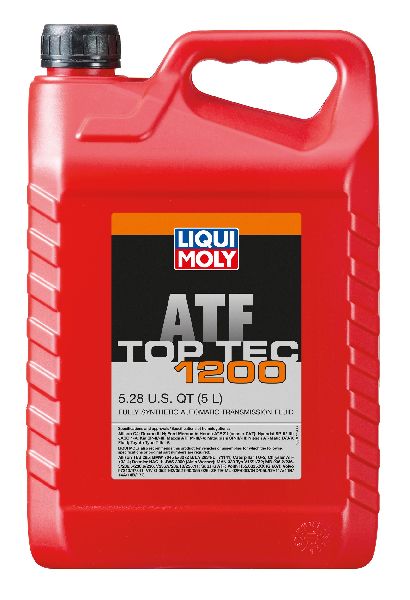
Aftermarket price range: $40-$90 - Transmission Fluid
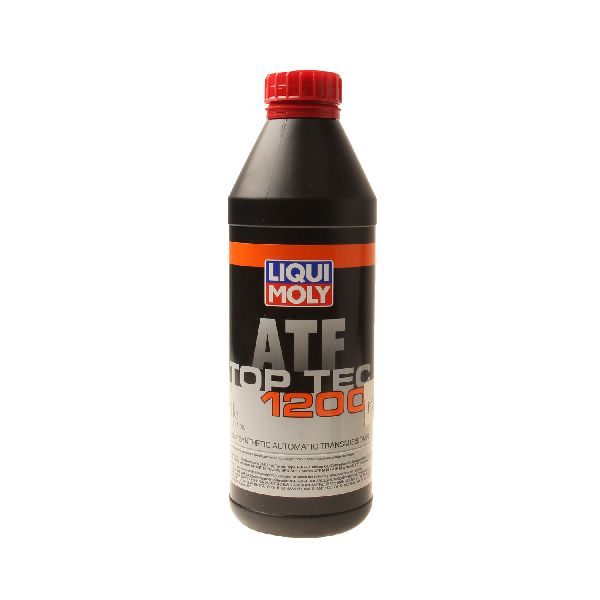
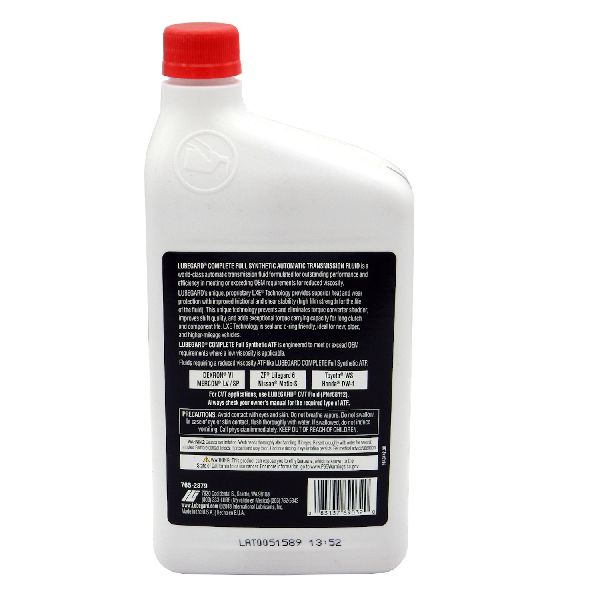
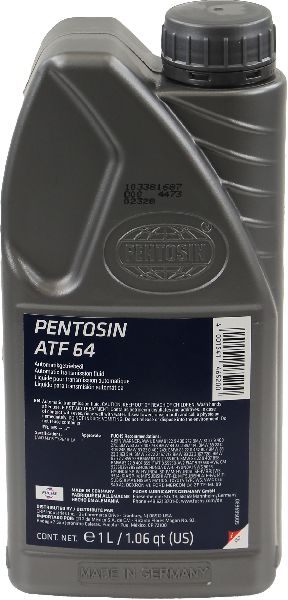
(OEM #10-9395 (ACDelco DEXRON-VI))— Low or contaminated fluid is a primary cause, and a fluid change is required for any internal transmission repair.
Trusted brands: ACDelco, Valvoline, Castrol
OEM price range: $10-$15 per quart
Aftermarket price range: $8-$12 per quart - Transmission Filter and Pan Gasket Kit
(OEM #24236933)— A clogged filter can starve the transmission of fluid, and the gasket must be replaced anytime the pan is removed for service.
Trusted brands: ACDelco, Wix, ATP
OEM price range: $30-$50
Aftermarket price range: $20-$40
Related Codes That Often Appear With This One
- P0700 — This is a general transmission fault code that simply indicates the TCM has stored a more specific code, like P0751. It will almost always be present with P0751.
- P0756, P0761, P0776 — These are codes for other shift solenoids (B, C, D, etc.). When multiple solenoid codes appear together, it often points to a common cause like contaminated fluid, a bad wiring harness, or a failing TEHCM, as noted in TSBs PIE0371A and PIP4379M.
- P1811 — This code for 'Maximum Adapt and Long Shift' can be set alongside P0751 when the TCM detects that the 1-2 shift is taking too long to complete, a direct result of the solenoid's performance issue.
Technical Service Bulletins (TSBs) & Recalls
- PIE0376A: Informational bulletin for check engine light and DTC P0751 on low-mileage 2016 vehicles.
- PI1344C: Diagnostic tips for reduced acceleration and transmission slipping with DTC P0751 on 2013 vehicles.
- PIE0371A: Information request for 2016 vehicles with delayed shifts, stuck in gear, and various shift solenoid DTCs including P0751.
- PIP4379M: Diagnostic information for 2013 vehicles with a wide array of transmission DTCs (including P0751) and engagement issues.
Platform-Specific Known Issues
- TSB #PI1344C specifically addresses reduced acceleration and slipping from a launch with P0751 on 2013-2017+ models, identifying a sticking 'Clutch Select Solenoid Valve 2' as the cause.
- TSB #PIE0371A notes that 2016 models can experience delayed shifts or get stuck in gear, often with P0751 and other solenoid codes.
- TSB #PIE0376A was an informational bulletin for 2016 models with less than 5,000 miles setting a P0751, suggesting an investigation into early-life component failures.
- TSB #PIP4379M for 2013 models links P0751 with a wide range of other transmission codes and symptoms like no reverse, pointing to potentially complex electrical or control module issues.
- TSB #PIP5100A warns that an aftermarket spin-on filter can cause debris to block valve body separator plate orifices, leading to no-move conditions and codes like P0751.
Mechanic-Grade Diagnostic Values
- Shift Solenoid 'A' (SS1) Resistance — expected: 20-40 Ohms. Failure: A reading of 0 Ohms (short circuit) or infinite/OL (open circuit) indicates a failed solenoid coil.
- Shift Solenoid 'A' (SS1) Current Draw — expected: 0.3–0.7 amps at 12 volts. Failure: Amperage outside this range suggests the solenoid has failed and the TEHCM needs replacement.
- TEHCM Internal Pressure Switches — expected: Continuity (close to 0 Ohms) when not pressed (no pressure).. Failure: No continuity (OL) when the switch is at rest, or failing to switch to OL when pressure is applied, indicates a faulty switch. This can be caused by a ruptured diaphragm.
- Transmission Fluid Temperature (TFT) for Diagnostics — expected: 158°F - 239°F (70°C - 115°C). Failure: Many diagnostic procedures, especially the 'Service Fast Learn', cannot be initiated if the fluid temperature is outside this range.
Scan Tool Commands That Help
- GDS2 / Tech2 (or equivalent professional scanner): Solenoid Test / Output Control — This bidirectional control allows a technician to manually command Shift Solenoid 'A' on and off to verify its electrical operation and listen for a physical 'click' from the transmission pan. This helps isolate an electrical fault from a mechanical one (like a stuck valve).
- GDS2 / Tech2 (or equivalent J2534 device): Service Fast Learn Adapts — This procedure is mandatory after replacing the TEHCM, valve body, or performing any major internal transmission repair. It allows the TCM to relearn clutch fill volumes and pressure offsets. Failure to perform this stationary procedure can result in poor shift quality, harsh engagement, and setting new trouble codes.
- GDS2 / Tech2: Solenoid Cleaning Procedure — If a performance DTC is suspected to be caused by debris, some GM diagnostic routines include an automated cleaning cycle. The scan tool commands the solenoids to cycle rapidly to dislodge and flush minor contaminants. This may be attempted before replacing the TEHCM.
Wiring & Ground Locations
- X1/J1 Transmission Connector (16-pin) — On the passenger side of the transmission case, this round connector is the main electrical interface to the internal TEHCM.. This is the primary point for external testing. Pin 11 is often Battery Positive Voltage (B+), Pin 1 is Ground, and Pins 13 & 14 are for the CAN bus communication. Poor connection or corrosion here can cause a loss of power or communication to the entire TEHCM, leading to multiple codes including P0751.
Real Owner Repair Stories
- Reddit user, r/MechanicAdvice (2011 Chevy Suburban (similar 6L80 transmission)) — Intermittent shift delays, which became much worse after a DIY repair. Torque converter clutch engaging/disengaging with a hard thump, lack of power, and high transmission temps (220°F). Set code P0797 (Pressure Control Solenoid 'C' Stuck On) after the repair.
❌ Tried (didn't work) The user pre-emptively replaced multiple parts at once: Sonnax zip kit, TransGo clutch valve selectors, TEHCM filter plate, pressure switch membranes, and upgraded the valve body separator plate from the 7-check-ball to the 8-check-ball design.
✅ What actually fixed it The user's problem was unresolved in the thread, but the symptoms strongly pointed to a failure to perform the 'Service Fast Learn Adapts' procedure after changing the hydraulic characteristics of the valve body with the new separator plate. The transmission was acting 'confused' by the new hardware without the corresponding software relearn.
"I Checked Everything" — The Actual Cause
- A common scenario for P0751 is when the solenoid passes all electrical tests (resistance, continuity, scan tool commands) but the code persists. The root cause is often purely mechanical: the Clutch Select Valve 2 is physically binding in its bore within the valve body due to debris or scoring, a fault documented in TSB PI1344C. Another mechanical failure that won't be found with electrical tests is a ruptured pressure switch diaphragm inside the TEHCM, which can be diagnosed with a vacuum test on the bench.
OEM Part Supersession History
24256861 / 24256863 (TEHCM Assembly)→Varies by year, later models use different PNs— Hardware and software improvements to address common failures like pressure switch and solenoid issues.
Heads up: TEHCMs are not universally interchangeable. The correct part number must be used for the vehicle's specific year and model. Early TEHCMs (e.g., 2013) may have different internal components and programming than later ones (2014+). Always verify the part number from the tag on the original unit before ordering a replacement.
Model Year Variations Within This Range
- Pre-2014 vs 2014+: The TEHCM hardware and internal logic were updated. Early models are more prone to certain pressure switch failures. The main external connector also changed from a black to a grey design in later years, indicating internal differences.
- All years: GM updated the 6L80 valve body separator plate from a 7-check-ball design to an 8-check-ball design. If a valve body is serviced and the plate is upgraded, a 'Service Fast Learn' is critical, as the hydraulic logic has changed and the TCM must adapt to it to prevent severe shifting problems.
Helpful Videos

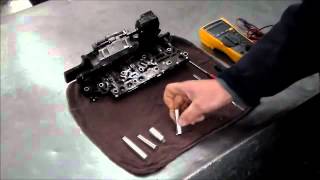
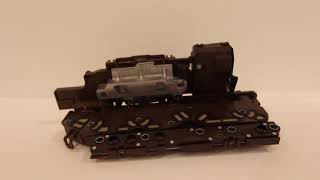
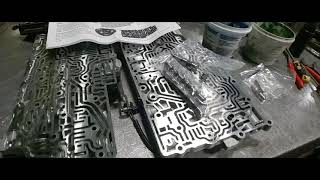
We Have This Part in Stock



The information in this article is provided for general reference and educational purposes only. Vehicle specifications, procedures, and part compatibility can vary by production date, trim level, and region. Always consult your vehicle's factory service manual and verify part numbers before purchasing or performing repairs. Safety-critical components such as airbags, seat belts, and braking systems should be installed by a qualified professional.
- Gmc SIERRA DENALI:
- 🎬 Helpful Videos
- 🛍️ Shop This Part
- What's Unique About the 2013-2017 Gmc SIERRA DENALI
- Diagnostic Flowchart
- Symptoms You May Notice
- Most Likely Causes
- Rare But Worth Checking
- Diagnosis Steps
- Parts You'll Likely Need
- Related Codes That Often Appear With This One
- Technical Service Bulletins (TSBs) & Recalls
- Platform-Specific Known Issues
- Mechanic-Grade Diagnostic Values
- Scan Tool Commands That Help
- Wiring & Ground Locations
- Real Owner Repair Stories
- "I Checked Everything" — The Actual Cause
- OEM Part Supersession History
- Model Year Variations Within This Range
- 🎟️ Get 5% Off