

P0742 on 2006-2011 Chevrolet Silverado 1500: TCC Stuck On Causes and Fixes
P0742 on a 2006-2011 Silverado means the torque converter clutch is stuck on, which will cause the engine to stall when you come to a stop. The most common cause is a faulty TCC solenoid inside the transmission pan, followed by a worn valve body or contaminated fluid. Diagnosis should follow TSB PIP4290A to isolate the fault.
- P0742 means the torque converter clutch is stuck on, which will almost certainly cause your truck to stall when you come to a stop.
- The most likely culprit is a failed TCC solenoid inside the transmission oil pan, which is a moderately difficult but common repair.
- Before assuming a major repair is needed, check the transmission fluid condition and inspect the external wiring harness as per TSB #PIP4290A.
- Driving with this condition is unsafe due to stalling and can cause further transmission damage.
- Always replace the transmission filter and use the correct fluid (DEXRON VI) when performing this repair.
What's Unique About the 2006-2011 Chevrolet SILVERADO 1500
The 2006-2011 Silverado 1500 spans two generations (GMT800 'Classic' and GMT900) and commonly used the 4L60-E or, in later models, the 6L80 transmission. For the widely used 4L60-E, the TCC solenoid is a very frequent failure point leading to P0742. A specific Technical Service Bulletin (TSB #PIP4290A) was issued for these trucks for a surge or stall at a stop associated with this code, indicating a known pattern of this issue with the manufacturer. A critical issue on higher-mileage trucks is wear in the TCC regulator valve bore within the valve body, which causes a hydraulic leak that keeps the clutch applied even with a new, functioning solenoid.
Diagnostic Flowchart
Tap your situation to follow the diagnostic path that matches what you're seeing on this vehicle.
Generation note: This range covers the end of the first generation (GMT800, 2006 'Classic' models) and the beginning of the second generation (GMT900, 2007-2011). Both generations can experience this issue, as they often used transmissions with similar TCC solenoid designs (like the 4L60-E and 4L65-E). The diagnostic process, particularly following TSB PIP4290A, is nearly identical for both. Later GMT900 models introduced the 6L80 transmission, which can also set a P0742 code for similar reasons, often related to debris, a sticky valve, or a solenoid issue.
Symptoms You May Notice
- Engine stalls or dies when coming to a stop.
- Vehicle shudders or surges at low speeds or on inclines.
- Feels like the brakes are dragging.
- Harsh or delayed shifts.
- Transmission overheating, sometimes causing fluid to smell burnt.
- Check Engine Light is on.
- Transmission goes into 'emergency' or 'limp' mode, often stuck in one gear (like 3rd).
- Replacing the entire torque converter when only the inexpensive TCC solenoid was at fault.
- Replacing the TCC solenoid when the root cause is a worn TCC regulator valve bore in the valve body. This is a very common scenario where the P0742 code returns shortly after the solenoid replacement.
- Assuming the entire transmission needs a rebuild without first diagnosing the solenoid, fluid condition, and valve body.
Most Likely Causes
- Faulty Torque Converter Clutch (TCC) Solenoid 🔴 High Probability The TCC solenoid in GM transmissions like the 4L60-E is a known failure point. It operates in hot fluid and can fail electrically or get stuck mechanically due to debris.
How to confirm: A professional can use a scan tool to command the TCC solenoid on and off while monitoring TCC slip speed. If it doesn't respond correctly, the solenoid is likely bad. Resistance can also be checked across the solenoid's terminals (typically 10-15 Ohms for a 4L60-E/4L80-E TCC PWM solenoid, or 20-40 Ohms for an on/off TCC solenoid).
Typical fix: Replace the TCC solenoid. 🎬 Watch: Step-by-step guide to fixing the P0742 code. This requires draining the transmission fluid, removing the oil pan, and replacing the solenoid on the valve body.
Est. part cost: $35-$80 - Worn Transmission Valve Body 🔴 High Probability This is a very common failure on higher-mileage 4L60-E transmissions. The bore for the TCC regulator valve within the aluminum valve body wears out over time. This wear allows hydraulic fluid to leak past and keep the TCC applied even when the solenoid is commanded off.
How to confirm: This is typically diagnosed after a new TCC solenoid fails to fix the problem. A technician can use a vacuum test kit on the removed valve body to check for wear in the TCC regulator valve bore.
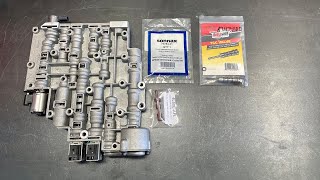
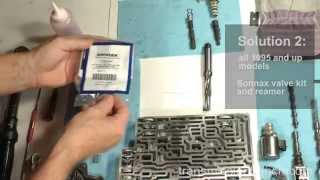
Typical fix: The valve body must be repaired. This involves reaming the worn bore and installing an oversized regulator valve kit (e.g., from Sonnax, part #77754-04K). Alternatively, a complete remanufactured valve body with these updates already installed can be purchased.
Est. part cost: $70 (Sonnax kit) - $500 (reman valve body) - Dirty or Low Transmission Fluid 🟡 Medium Probability Over time, clutch material and metal shavings contaminate the fluid. This debris can clog the fine passages in the valve body or cause the TCC solenoid's plunger to stick. A previous internal part failure can leave debris that causes a new solenoid to fail quickly.
How to confirm: Check the transmission fluid dipstick. If the fluid is dark brown/black, smells burnt, or has visible metallic particles, it is contaminated and can cause this issue.
Typical fix: Perform a transmission fluid and filter change. If the fluid is heavily contaminated, a full flush may be recommended by a professional, though dropping the pan to inspect for debris is crucial.
Est. part cost: $50-$150 - Wiring Harness Issue ⚪ Low Probability The wiring harness leading to the transmission can become damaged, corroded, or shorted, causing the TCC solenoid to receive constant power.
How to confirm: Visually inspect the wiring harness and the main 20-way connector at the transmission for damage, corrosion, or fluid intrusion. The TSB #PIP4290A specifically mentions disconnecting this connector to help isolate the problem to an internal or external fault.
Typical fix: Repair the damaged section of the wiring harness or replace the connector.
Est. part cost: $20-$100
Rare But Worth Checking
- Failed Torque Converter: While less common than a solenoid or valve body failure, the internal clutch of the torque converter itself can fail, delaminate, or warp, causing it to remain locked. This is a major repair requiring transmission removal.
- Failed Transmission Control Module (TCM): In rare cases, the TCM itself can fail, sending a constant 'on' signal to the TCC solenoid. This is usually the last item to be suspected after all other components and wiring have been checked. The TSB suggests swapping a suspect TCM into a known good vehicle to confirm the fault.
Diagnosis Steps
- Check the transmission fluid level and condition. Burnt or dirty fluid can cause the issue.
- Scan the computer for any other transmission-related codes, especially P0700.
- Follow the guidance in TSB #PIP4290A: disconnect the 20-way transmission connector. If the stalling stops, the problem is internal to the transmission (solenoid, valve body, etc.). If it continues, the issue may be external (wiring, TCM).
- If the stalling stops with the connector unplugged, drop the transmission pan and inspect for excessive metal debris. A layer of fine, dark material is normal, but large metal chunks indicate a serious internal failure.
- Test the resistance of the TCC solenoid. For the 4L60-E/4L80-E, it should be between 10-15 Ohms for a PWM solenoid or 20-40 Ohms for an on/off solenoid. If it's out of spec, replace it.
- If the solenoid tests good or a new solenoid does not fix the issue, the problem is very likely a worn TCC regulator valve bore in the valve body.
- The valve body should be removed and inspected. A transmission shop can perform a vacuum test to confirm bore wear. 🎬 See how to vacuum test the valve body for wear.
- If all internal components check out, inspect the external transmission wiring harness for shorts to power and check for a faulty TCM.
Parts You'll Likely Need
- Torque Converter Clutch (TCC) PWM Solenoid
(OEM #24227792 (supersedes 24212690))— This solenoid is the most common part to fail or get stuck with debris, directly causing the P0742 code.
Trusted brands: ACDelco, Rostra
OEM price range: $50-$90
Aftermarket price range: $35-$60 - Transmission Filter and Pan Gasket Kit — This must be replaced any time the transmission pan is removed to service the TCC solenoid or valve body. 🎬 Watch: How to replace the TCC and shift solenoids.
Trusted brands: ACDelco, ATP, Wix
OEM price range: $30-$50
Aftermarket price range: $15-$30 - Sonnax TCC Regulator Valve Kit
(OEM #77754-04K (for 4L60-E))— If a new solenoid doesn't fix the issue, a worn valve body bore is the next likely cause. This kit allows a technician to repair the worn bore instead of replacing the entire valve body.
Trusted brands: Sonnax
OEM price range: N/A
Aftermarket price range: $70-$100 - Automatic Transmission Fluid — The transmission must be refilled with the correct type of fluid (typically DEXRON VI for these models) after service.
Trusted brands: ACDelco, Valvoline, Mobil 1
OEM price range: $10-$15 per quart
Aftermarket price range: $8-$12 per quart
Related Codes That Often Appear With This One
- P0700 — P0700 is a generic code indicating the Transmission Control Module (TCM) has detected a fault and has requested the Check Engine Light to be turned on. It will almost always appear alongside a more specific transmission code like P0742.
- P0741 — P0741 (TCC System Stuck Off) is the opposite of P0742. Seeing either code points to a problem within the TCC hydraulic circuit, often related to the same components (solenoid, valve body, fluid), just failing in a different manner.
Technical Service Bulletins (TSBs) & Recalls
- PIP4290A: Addresses a surge or stall condition at a stop related to code P0742 and provides initial diagnostic steps.
Platform-Specific Known Issues
- GM issued TSB #PIP4290A due to the frequency of this issue. The bulletin provides a clear diagnostic path: disconnect the transmission's 20-way electrical connector and see if the stalling-at-a-stop symptom disappears. If it does, the fault is confirmed to be internal to the transmission (solenoid, valve body, or converter). If the stalling persists, the fault is external (wiring or TCM).
- Many owners and technicians report on forums that they replaced the TCC solenoid only to have the P0742 code and stalling return. This is almost always due to overlooking the worn TCC regulator valve bore in the valve body, which is a very common wear item on the 4L60-E transmission.
Mechanic-Grade Diagnostic Values
- TCC PWM Solenoid Resistance (4L60-E/4L65-E) — expected: 10-15 Ohms at approx. 68°F.. Failure: A reading of 0 Ohms (short) or infinite/OL (open circuit) indicates a failed solenoid.
- TCC On/Off Solenoid Resistance (some 4L60-E variants) — expected: 20-40 Ohms.. Failure: A reading outside this range indicates a failed solenoid.
- Scan Tool Live Data: TCC Slip Speed — expected: Should be near 0 RPM when the TCC is commanded ON at highway cruise. Should show significant RPM (engine speed minus turbine speed) when TCC is commanded OFF.. Failure: If slip speed is 0 RPM when coming to a stop (TCC commanded OFF), it confirms the clutch is stuck on.
Scan Tool Commands That Help
- Tech2 / GDS2 (or equivalent high-end scanner): TCC Solenoid Bidirectional Control — This function allows a technician to manually command the TCC solenoid ON and OFF while the vehicle is stationary or on a lift. It's used to verify if the solenoid clicks and responds to electrical commands, helping to distinguish between a stuck solenoid, a wiring issue, or a TCM fault before removing the transmission pan.
- Tech2 / GDS2 (or equivalent high-end scanner): Live Data Monitoring: TCC Duty Cycle — While driving, monitoring the TCC duty cycle percentage commanded by the TCM is critical. If the duty cycle is stuck high (e.g., 90-100%) as the vehicle slows to a stop, it confirms the computer is commanding the lockup, pointing towards a potential sensor input or TCM logic issue. If the duty cycle drops to 0% but the stall still occurs, the fault is mechanical/hydraulic (stuck solenoid, valve, or converter).
Wiring & Ground Locations
- Main Transmission Connector (20-way round) — On the passenger side of the transmission case.. This is the primary connection for all transmission electronics. TSB #PIP4290A uses disconnecting this connector as the main diagnostic step to isolate an internal transmission fault from an external wiring or TCM issue. Pin T is the TCC Solenoid Control wire on many 4L60-E models.
- G103 (GMT800 'Classic') — On the right rear of the engine block.. A poor engine-to-chassis ground can cause a variety of electrical issues, including erratic sensor readings and improper solenoid function. The TCM and its sensors rely on a clean ground path.
- Engine Block to Firewall Ground Strap — Typically runs from the back of the driver's side cylinder head to the firewall.. This is a primary body ground for the engine. Corrosion or breakage of this strap is common and can lead to floating grounds, forcing current to find other paths and potentially affecting TCM and solenoid operation.
- PCM Ground — On GMT800 trucks, a critical PCM ground connects to the top of the engine block, near the back.. This is the main ground for the computer that controls the transmission. If this ground is compromised, it can cause incorrect readings and commands, potentially leading to a P0742 code.
Real Owner Repair Stories
- silveradosierra.com forum user (2007 Chevrolet Silverado (GMT900)) — Vehicle would stall when coming to a stop, code P0742 present.
❌ Tried (didn't work) Replaced the TCC solenoid., Replaced the valve body., Performed a transmission fluid flush.
✅ What actually fixed it The problem was finally resolved by replacing the entire torque converter. The internal lock-up clutch within the converter had failed and was mechanically stuck, a problem that could not be fixed by replacing external solenoids or the valve body.
OEM Part Supersession History
24212690→24227792— GM updated the part design for improved durability and performance. The new part is the standard service replacement.
Model Year Variations Within This Range
- 2006-2009 (Primarily with 4L60-E/4L65-E): These models most commonly suffer from the classic P0742 causes: a failed TCC solenoid or a worn TCC regulator valve bore in the valve body that requires a Sonnax repair kit (77754-04K).
- 2009-2011 (Primarily with 6L80): While P0742 can still be caused by a solenoid, 6L80 transmissions are also known for torque converter clutch shudder and failure, where the clutch lining itself fails. In these cases, replacing the solenoid or valve body will not fix the issue, and a new or remanufactured torque converter is required. The TCM (TEHCM) is also located inside the pan on the valve body, making it susceptible to heat and debris.
Helpful Videos


We Have This Part in Stock





The information in this article is provided for general reference and educational purposes only. Vehicle specifications, procedures, and part compatibility can vary by production date, trim level, and region. Always consult your vehicle's factory service manual and verify part numbers before purchasing or performing repairs. Safety-critical components such as airbags, seat belts, and braking systems should be installed by a qualified professional.
- Chevrolet SILVERADO 1500:
- 🎬 Helpful Videos
- 🛍️ Shop This Part
- What's Unique About the 2006-2011 Chevrolet SILVERADO 1500
- Diagnostic Flowchart
- Symptoms You May Notice
- Most Likely Causes
- Rare But Worth Checking
- Diagnosis Steps
- Parts You'll Likely Need
- Related Codes That Often Appear With This One
- Technical Service Bulletins (TSBs) & Recalls
- Platform-Specific Known Issues
- Mechanic-Grade Diagnostic Values
- Scan Tool Commands That Help
- Wiring & Ground Locations
- Real Owner Repair Stories
- OEM Part Supersession History
- Model Year Variations Within This Range
- 🎟️ Get 5% Off