

P0741 on 2017-2019 Honda Pilot: Torque Converter Causes and Fixes
On a 2017-2019 Honda Pilot with the 6-speed automatic transmission (6AT), P0741 almost always means the torque converter has failed due to a known manufacturing defect. The fix is a complete torque converter replacement. Honda has extended the warranty to cover this specific issue, so owners should check their vehicle's eligibility before paying for this otherwise costly repair.
- P0741 on a 2017-2019 Pilot is very likely caused by a defective torque converter, a known issue.
- Before authorizing any repairs, have a Honda dealer check your VIN for eligibility under the warranty extension for TSB A23-078.
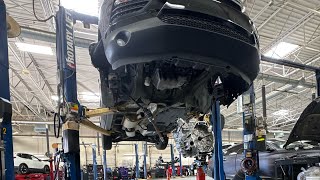
- The repair is serious, expensive, and not a DIY job as it requires removing the transmission.
- Symptoms include a flashing 'D' light, check engine light, and potential transmission overheat messages.
- While low fluid or a bad solenoid can cause P0741, they are much less likely to be the root cause on this specific vehicle.
What's Unique About the 2017-2019 Honda PILOT

This generation of Honda Pilot was offered with two different automatic transmissions: a 6-speed (6AT) on LX, EX, and EX-L trims, and a 9-speed on Touring and Elite trims. The P0741 issue is overwhelmingly linked to a specific manufacturing defect in the 6AT models only. Multiple Honda Technical Service Bulletins (TSBs) confirm that a crack can form in the torque converter's lock-up piston. This crack prevents the system from holding the hydraulic pressure needed to engage the clutch, leading directly to this fault code. Honda has acknowledged this widespread issue by extending the warranty for the torque converter on affected 2017-2018 6AT vehicles to 10 years or 150,000 miles.
🎬 Watch: Learn more about Honda's extended warranty for this issue.Diagnostic Flowchart

Tap your situation to follow the diagnostic path that matches what you're seeing on this vehicle.
Symptoms You May Notice

- Flashing "D" (Drive) indicator light on the dashboard.
- Check Engine Light (MIL) illuminated.
- "Transmission System Problem" message on the information display.
- "Transmission Overheat" message may appear.
- Vehicle may feel like it's shuddering or vibrating at highway speeds.
- Engine RPMs are higher than usual at cruising speeds.
- Noticeable decrease in fuel economy.
- In some cases, no noticeable drivability issues are present, only the warning lights.
- Replacing the transmission fluid when the torque converter has already failed mechanically. While a fluid change is good maintenance, it will not fix a cracked lock-up piston.
- Replacing the TCC solenoid when the actual cause is the known torque converter defect. This leads to unnecessary repairs as the P0741 code will return.
Most Likely Causes

- Defective Torque Converter (Cracked Lock-Up Piston) 🔴 High Probability Honda has issued TSB A23-078 stating, "Torque converters may not have been manufactured to proper specifications. As a result, the torque converter lock-up clutch cannot provide adequate holding force due to pressure bleeding down through a crack in the lock-up piston." This applies specifically to 2017-2018 models with the 6-speed automatic transmission (6AT).
How to confirm: A professional diagnosis confirming DTC P0741 is the primary step. A technician will use a scan tool to monitor the torque converter clutch slip speed; excessive slip when lock-up is commanded confirms an internal failure. The diagnosis is often confirmed simply by the presence of the code, as per the TSB's corrective action.
Typical fix: Complete replacement of the torque converter assembly with an updated kit.
Est. part cost: $400-$800 - Low or Degraded Automatic Transmission Fluid (ATF) 🟡 Medium Probability Low fluid level can prevent the hydraulic pressure needed to operate the TCC. Degraded or incorrect fluid can lose its properties, causing slippage or other issues. While this is a possible cause, it is far less likely than the defective torque converter on these specific vehicles.
How to confirm: Check the transmission fluid level and condition. Per Honda guidelines, the fluid should be checked when the transmission is at operating temperature (at least 176°F / 80°C) or the reading will be inaccurate. The fluid should not be dark, burnt-smelling, or contain metal particles.
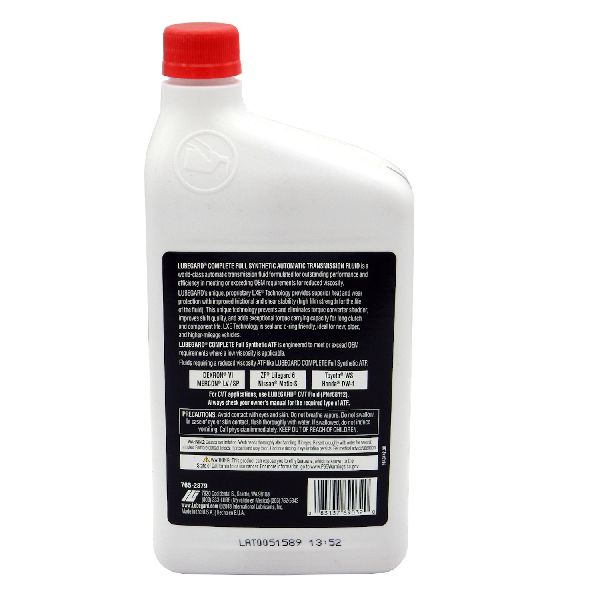
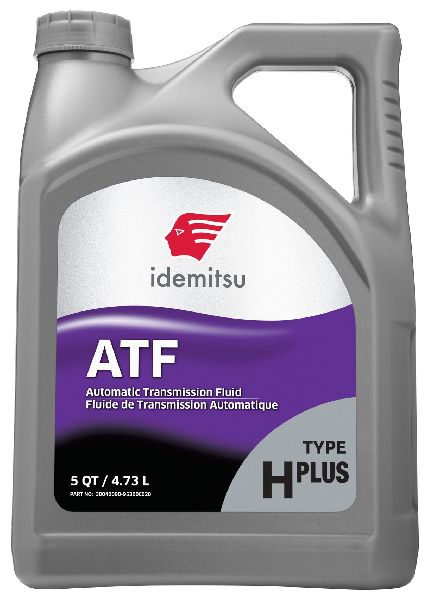
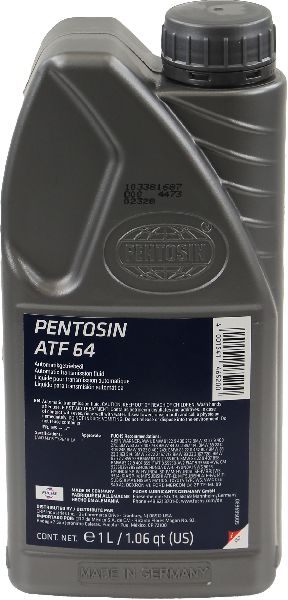
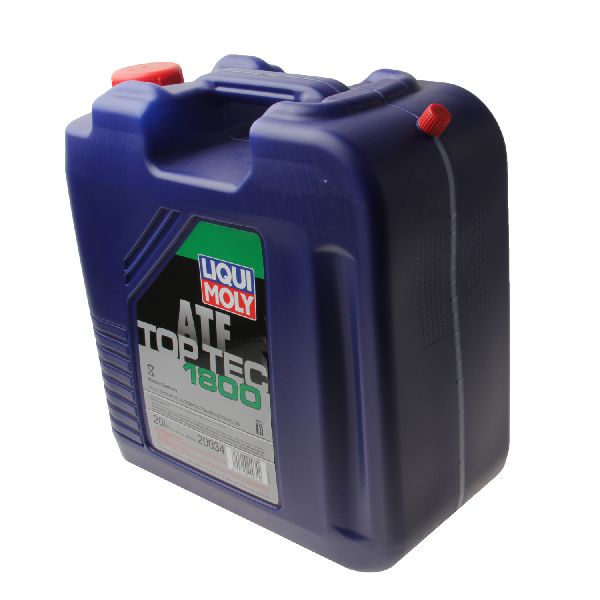
Typical fix: Perform a transmission fluid drain and fill with genuine Honda DW-1 ATF. This is often attempted as a first step but will not solve the mechanical failure of a cracked piston.
Est. part cost: $50-$150 - Faulty Torque Converter Clutch (TCC) Solenoid ⚪ Low Probability While a solenoid can fail on any vehicle, it is not the common failure point for this code on this platform. The issue is almost always the torque converter itself.
How to confirm: A technician can test the solenoid's electrical circuit for proper resistance (12-25 Ohms) and use a scan tool to command the solenoid on and off to verify its mechanical operation by listening for a click.
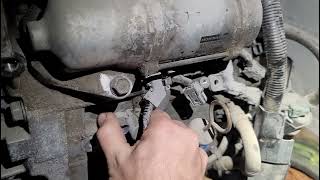
Typical fix: Replace the faulty TCC solenoid. On many Honda V6 models, this solenoid is located on the exterior of the transmission case, making it significantly easier to replace 🎬 See how to access and replace the TCC solenoid. than the torque converter.
Est. part cost: $50-$150
Rare But Worth Checking
- Wiring Harness Damage: Damage to the wires leading to the TCC solenoid can interrupt the signal from the PCM, preventing the clutch from engaging. This is worth checking before condemning a major component.
- Internal Transmission Valve Body Issue: A blockage or a stuck valve within the transmission's valve body can prevent fluid from reaching the TCC circuit, but this is much less common than a failed converter or solenoid for this specific P0741 issue.
Diagnosis Steps
- Verify the presence of code P0741 with an OBD-II scanner.
- Check the vehicle's VIN against Honda's TSB A23-078 to see if it is a 6AT model eligible for the torque converter warranty extension. A Honda dealer can do this via an iN VIN status inquiry. Note that the warranty was updated to 10 years/150,000 miles.
- If proceeding with diagnosis, check the automatic transmission fluid (ATF) level and condition. Ensure the fluid is at operating temperature (at least 176°F / 80°C) for an accurate reading.
- Use an advanced scan tool to monitor TCC slip RPM while driving at a steady cruising speed (e.g., 45-60 mph). If the PCM commands lock-up but slip RPM remains high (not near zero), the torque converter is confirmed to be faulty.
- Inspect the wiring and connector for the TCC solenoid for any visible damage or corrosion.
- If all other components are verified as good, the cause is almost certainly an internal failure of the torque converter, as described in the TSB.
Parts You'll Likely Need
- Torque Converter Kit
(OEM #06260-R9R-010)— This is the required part to fix the known manufacturing defect. The original part number 06260-R9R-000 was superseded by 06260-R9R-010.
Trusted brands: Honda (OEM)
OEM price range: $500-$700
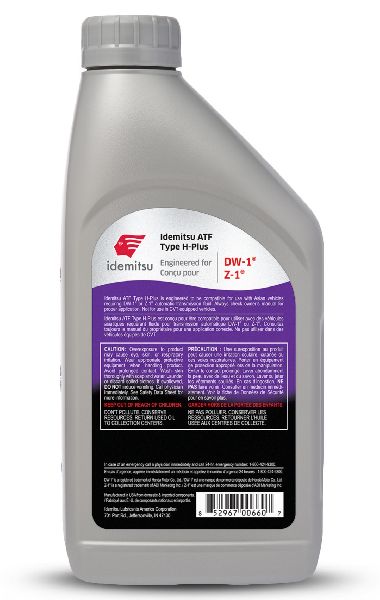
Aftermarket price range: $200-$500 - Honda Genuine ATF DW-1
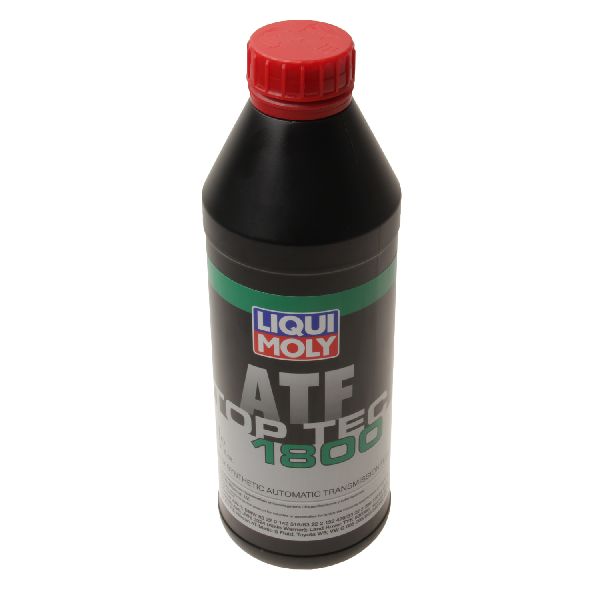
(OEM #08200-9008)— The transmission must be drained to replace the torque converter. TSB A23-078 specifies approximately 6 quarts are needed for the job.
Trusted brands: Honda (OEM)
OEM price range: $10-$15 per quart
Related Codes That Often Appear With This One
- P0700 — P0700 is a generic code that simply means the Transmission Control Module (TCM) has stored a fault code. It will almost always appear alongside a more specific transmission code like P0741.
Technical Service Bulletins (TSBs) & Recalls
- A23-078: Warranty Extension: 2017–19 Multi-Model 6AT Torque Converter - DTC P0741 Stored. Confirms the cause is a cracked lock-up piston, provides the extended warranty terms (updated to 10 years/150k miles), and lists affected vehicles including the 2017-18 Pilot.
- ABOM08312023901: Notes the MIL illuminating for P0741 due to a cracked lock-up piston on 2018 models.
- AEBM04182025901: Notes a flashing 'D' and 'Transmission Overheat' message for P0741 on 2017 models.
Platform-Specific Known Issues
- This issue is specific to 2017-2018 Honda Pilots equipped with the 6-speed automatic transmission (6AT), typically found on LX, EX, and EX-L trims.
- Honda issued TSB #A23-078 which extends the warranty on the torque converter for affected 2017-2018 Pilots with the 6AT. An early version stated 8 years/150,000 miles, but a later revision updated this to 10 years/150,000 miles.
- Owners must have a Honda dealer check their VIN for eligibility before paying for repairs. Many owners have reported having the entire job covered for free under this warranty extension.
Mechanic-Grade Diagnostic Values
- Torque Converter Clutch (TCC) Solenoid Resistance — expected: 12 - 25 Ohms. Failure: A reading outside this range (open circuit or short) indicates a faulty solenoid coil.
- TCC Solenoid Connector Voltage — expected: 12 Volts (when commanded ON by PCM). Failure: No voltage when commanded indicates a wiring or PCM driver issue.
- Automatic Transmission Fluid (ATF) Level Check Temperature — expected: At or above 80°C (176°F). Failure: Checking the fluid at a cooler temperature will result in an inaccurate low reading. Overfilling can cause foaming and overheating.
Scan Tool Commands That Help
- Honda HDS (or equivalent professional scan tool): TCC Control Solenoid Test (in Transmission Output Controls) — This bidirectional command manually activates the TCC solenoid. A technician can listen for an audible 'click' from the solenoid, which confirms the solenoid's mechanical plunger is moving and the electrical circuit to it is functional. This helps rule out a simple solenoid failure before condemning the entire torque converter.
Wiring & Ground Locations
- TCC Solenoid — On the exterior of the 6-speed automatic transmission, typically located under the thermostat housing. Access may require removing the battery and battery tray.. Knowing this is an externally accessible solenoid allows a technician to test it directly for resistance and function without removing the transmission pan or other major components.
- TCC Solenoid Connector — The electrical connector on the TCC solenoid body.. Testing can be performed at this connector. Pin 2 is the positive (+12V from PCM) and Pin 1 is the negative/ground. This allows for precise testing of the solenoid coil and the wiring from the PCM.
Real Owner Repair Stories
- Reddit user Consistent-Income560 on r/hondapilot (2017 Pilot EX AWD) — Dreaded Transmission System Problem warning with P0741 Code. No drivability issues noted.
❌ Tried (didn't work) Initially took to dealer who quoted $5000 to replace the torque converter, offering $1000 off as 'good faith'. A transmission shop found nothing wrong other than the code.
✅ What actually fixed it The issue was covered by Honda's extended warranty (TSB 23-078) once the owner became aware of it. Another user in the thread confirmed their dealer initially resisted but ultimately replaced the faulty torque converter at no charge under the same TSB. - Piloteers.org forum user (cited on Reddit) (2017 Honda Pilot) — "Transmission System Problem" message on the dash.
❌ Tried (didn't work) N/A - went to dealer with knowledge of the TSB.
✅ What actually fixed it The torque converter was replaced for free under the extended warranty (TSB 23-078) with only four months remaining on the warranty term.
OEM Part Supersession History
06260-R9R-000→06260-R9R-010— The original torque converter was prone to a manufacturing defect causing a crack in the lock-up piston. The superseding part is the updated replacement kit.
Model Year Variations Within This Range
- 2017-2018: The warranty extension for the defective torque converter (TSB A23-078) was updated. An early version of the TSB specified an 8-year/150,000-mile warranty, but a later revision in 2025 extended this to 10 years/150,000 miles from the original date of purchase.
Helpful Videos

We Have This Part in Stock

The information in this article is provided for general reference and educational purposes only. Vehicle specifications, procedures, and part compatibility can vary by production date, trim level, and region. Always consult your vehicle's factory service manual and verify part numbers before purchasing or performing repairs. Safety-critical components such as airbags, seat belts, and braking systems should be installed by a qualified professional.
- Honda PILOT:
- 🎬 Helpful Videos
- 🛍️ Shop This Part
- What's Unique About the 2017-2019 Honda PILOT
- Diagnostic Flowchart
- Symptoms You May Notice
- Most Likely Causes
- Rare But Worth Checking
- Diagnosis Steps
- Parts You'll Likely Need
- Related Codes That Often Appear With This One
- Technical Service Bulletins (TSBs) & Recalls
- Platform-Specific Known Issues
- Mechanic-Grade Diagnostic Values
- Scan Tool Commands That Help
- Wiring & Ground Locations
- Real Owner Repair Stories
- OEM Part Supersession History
- Model Year Variations Within This Range
- 🎟️ Get 5% Off