

P0741 on 2012-2015 GMC Sierra Denali: TCC Stuck Off Causes and Fixes
On 2012-2015 GMC Sierra Denalis, code P0741 almost always points to a problem within the 6L80 transmission, most commonly a failed Torque Converter Clutch (TCC) solenoid or the torque converter itself. The failure often starts with the TCC lining delaminating, which contaminates the entire transmission. Expect a repair cost of $800-$1500 for valve body work and over $3,000-$6,000 if a full transmission rebuild or replacement with an upgraded torque converter is needed.
- P0741 on a 2012-2015 Sierra Denali indicates the torque converter clutch is failing to lock, a known issue with the 6L80 transmission.
- The most probable causes are a faulty TCC solenoid, a failing torque converter, or low/dirty transmission fluid.
- GM has issued multiple service bulletins (TSBs) for this exact problem, confirming it's a recognized issue.
- Diagnosis requires a scan tool capable of monitoring transmission data and commanding solenoids; this is not a simple code to diagnose visually.
- This is a serious issue that requires professional attention, as most fixes involve accessing internal transmission components.
What's Unique About the 2012-2015 Gmc SIERRA DENALI

The 2012-2015 Sierra Denali spans two truck generations (GMT900 and K2XX) but both commonly use the 6L80 automatic transmission, which has a well-documented history of TCC-related issues. The primary weakness is the torque converter itself, where the clutch lining is prone to delaminating and sending metallic debris throughout the transmission. This debris scores the transmission pump, wears out bores in the valve body, and clogs solenoids, leading to a cascading failure. General Motors has issued multiple Technical Service Bulletins (TSBs) for this exact code, such as 19-NA-153, which points directly to TCC friction material failure on vehicles with over 30,000 miles. Owners often experience this code alongside a 'rumble strip' shudder and harsh shifting, highlighting a known weak point in an otherwise robust powertrain.
Diagnostic Flowchart

Tap your situation to follow the diagnostic path that matches what you're seeing on this vehicle.
Generation note: This range covers two Sierra generations: the GMT900 (2012-2013) and the K2XX (2014-2015). Both generations primarily used the 6L80 transmission, and the P0741 code is a common issue across both platforms, though some internal parts may have been updated between generations. TSBs like PI1393B specifically call out 2015 models, indicating the problem persisted through the end of this vehicle range.
Symptoms You May Notice
- Check Engine Light is on
- Harsh 1-2 shift.
- 'Rumble strip' vibration or shudder, especially under light acceleration between 35-55 mph.
- Reduced fuel economy.
- Engine RPMs are higher than usual at highway speeds
- Transmission may feel like it's slipping
- 5th and 6th gears may be disabled by the TCM.
- In severe cases, the vehicle may stall when coming to a stop.
- Replacing the entire transmission when only a valve body repair or torque converter was needed. However, due to contamination, a full rebuild is often the safest long-term repair.
- Replacing the torque converter when the actual problem was a less expensive hydraulic leak in the valve body that a Sonnax Zip Kit could have fixed.
- Attributing the shudder symptom to an engine misfire and replacing spark plugs or ignition coils unnecessarily.
Most Likely Causes

- Failed Torque Converter Very High Probability This is the #1 cause for P0741 on the 6L80. The clutch friction material inside the stock converter is thin and known to delaminate, especially on vehicles with over 30,000 miles, as noted in GM TSB 19-NA-153. This material turns into a metallic slurry ('coffee grounds') that contaminates the entire transmission, causing widespread damage.
How to confirm: Dropping the transmission pan and finding excessive metallic, glitter-like debris on the magnet and in the fluid is a definitive sign. A technician can also monitor TCC slip RPM with a scan tool 🎬 Watch: How to diagnose a failing torque converter clutch.; if it's high when commanded to lock, and other causes are ruled out, the converter is the culprit.
Typical fix: Replace the torque converter, which requires removing the entire transmission. It is critical to also flush or replace the transmission cooler and lines to prevent debris from destroying the new parts. Many shops strongly recommend upgrading to a billet-cover aftermarket converter for improved durability.
Est. part cost: $400-$1200 - Worn Valve Body / TCC Regulator Valve Bore 🔴 High Probability Debris from a failing torque converter, or normal wear over time, can score the aluminum bores within the valve body. The TCC regulator valve is particularly susceptible. This wear allows hydraulic pressure to leak, preventing the TCC from being applied with enough force to lock, causing slippage and the P0741 code.
How to confirm: This is typically diagnosed after confirming the solenoid is functional. A vacuum test on the valve body can pinpoint leaks in specific circuits. This is a specialized procedure done with the valve body removed.
Typical fix: Install an aftermarket valve body repair kit, like the Sonnax Zip Kit (P/N 6L45-6L90-ZIP), which includes oversized valves and sleeves to restore hydraulic integrity without replacing the entire valve body. In severe cases, the valve body (TEHCM) is replaced. - Faulty Torque Converter Clutch (TCC) Solenoid 🟡 Medium Probability The TCC solenoid is an electro-hydraulic part within the TEHCM (valve body assembly) that can fail electrically or become clogged with debris from a failing converter. Its failure prevents fluid from being directed to engage the clutch.
How to confirm: A technician can use a bidirectional scan tool to command the TCC solenoid on and off while monitoring TCC slip RPM. If the solenoid doesn't respond and the wiring is intact, the solenoid is likely faulty. Resistance can also be checked.
Typical fix: Replace the TCC solenoid. Since it is part of the TEHCM assembly in the 6L80, this involves dropping the pan and removing the valve body. Often, all solenoids are replaced as a set.
Est. part cost: $50-$150 for a single solenoid, or more as part of a solenoid kit. - Low or Dirty Transmission Fluid 🟡 Medium Probability The 6L80 transmission can run hot, leading to premature fluid breakdown. Degraded fluid loses its hydraulic properties and can't properly operate the solenoids and clutches. Fluid contaminated with clutch material is a symptom of converter failure, not the root cause.
How to confirm: Check the transmission fluid level and condition. Fluid should be red and clear, not dark brown, black, or containing 'glitter'.
Typical fix: Perform a transmission fluid and filter change using DEXRON-VI certified fluid. This is a critical first diagnostic step but will not fix a mechanical or hydraulic failure. If the fluid is heavily contaminated, a full rebuild is likely necessary.
Est. part cost: $100-$200
Rare But Worth Checking
- Damaged Turbine Shaft Front Bushing: TSB 19-NA-153 notes this as a potential cause for P0741 specifically on low-mileage vehicles (under 7,000 miles). A damaged bushing can cause a loss of pressure to the TCC apply circuit.
- Failing Transmission Control Module (TCM): The TCM is integrated with the valve body solenoids in the 6L80, called a TEHCM (Transmission Electro-Hydraulic Control Module). While rare, the electronic portion of the TEHCM can fail. This should only be considered after all other electrical, mechanical, and hydraulic causes have been definitively ruled out.
- Damaged Internal Transmission Wiring Harness: While GM issued a Special Coverage program (14404) for a faulty harness causing P0741, it primarily applied to 2012 models with the 4L60E transmission. A harness issue is still possible on a 6L80 but is a less common cause than the converter or valve body.
Diagnosis Steps
- Check the transmission fluid level and condition. If dark, burnt, or full of metallic 'glitter', suspect a catastrophic torque converter failure.
- Use a professional OBD-II scanner to confirm P0741 and check for any other transmission-related codes like P0700 or P0796.
- Monitor the Torque Converter Clutch Slip Speed in the live data stream while driving. At a steady cruise (e.g., 50-60 mph), the slip RPM should drop to near zero when the TCC is commanded on. If it remains high or fluctuates wildly, the TCC is failing to hold.
- During a test drive, feel for a 'rumble strip' shudder under light throttle, a classic symptom of TCC failure.
- Use a bidirectional scanner to manually command the TCC solenoid on and off at low speeds. If you don't feel the clutch engage, it points to a failure in the control circuit, solenoid, or apply valve.
- Drop the transmission pan and inspect the magnet for excessive metal shavings. A light paste is normal, but large flakes or a 'coffee grounds' texture indicates severe internal damage, almost certainly from the torque converter.
- If no significant debris is found, the issue is more likely isolated to the
Parts You'll Likely Need

- Torque Converter — The internal clutch lining is the most common failure point, causing this code and contaminating the entire transmission. TSBs confirm this is a primary failure mode. Upgrading to a billet front cover model is highly recommended for durability.
Trusted brands: ACDelco (OEM), Circle D, Sonnax, Monster Transmission
OEM price range: $500-$800
Aftermarket price range: $600-$1200 for upgraded/billet units - Valve Body Zip Kit
(OEM #6L45-6L90-ZIP (Sonnax))— This kit specifically addresses wear in the valve body bores, particularly the TCC regulator valve, which causes pressure loss and prevents proper lockup. It is a targeted fix for a common root cause of P0741.
Trusted brands: Sonnax
OEM price range: N/A
Aftermarket price range: $150-$250 - Torque Converter Clutch (TCC) Solenoid — This solenoid, part of the TEHCM, controls fluid flow for TCC engagement. It can fail electrically or get clogged with debris. It's often replaced during any valve body service.
Trusted brands: ACDelco, Sonnax
OEM price range: $80-$150
Aftermarket price range: $40-$90 - Transmission Filter and Gasket Kit — Required for any service that involves dropping the transmission pan. A new filter is critical, especially if the fluid was contaminated.
Trusted brands: ACDelco, Wix, ATP
OEM price range: $40-$70
Aftermarket price range: $20-$50 - Transmission Oil Pump Cover (Stator)
(OEM #24248573)— Debris from a failed torque converter can pass through and score the pump cover, leading to low line pressure. TSB PI1393B instructs technicians to inspect the pump for damage. This part may be needed during a rebuild.
Trusted brands: ACDelco (OEM)
OEM price range: $150-$250
Aftermarket price range: N/A
Related Codes That Often Appear With This One
- P0700 — This is a generic transmission fault code that indicates the TCM has requested the Check Engine Light to be turned on. It almost always appears with other specific transmission codes like P0741.
- P0796 — TSB PI1393B notes that if torque converter clutch material contaminates the system and causes low line pressure, the 4-5-6 clutch may slip and set a P0796 (Pressure Control Solenoid 'C' Performance/Stuck Off) code.
Technical Service Bulletins (TSBs) & Recalls
- Focuses on DTC P0741 caused by damaged torque converter clutch friction material. It warns that this debris can travel through the transmission, damage the pump (causing low line pressure), and lead to other distressed clutches (like the 4-5-6 clutch, setting P0796). It mandates flushing the transmission cooler upon converter replacement.
- Provides mileage-based diagnostic advice. For vehicles under 7,000 miles, it suggests a damaged turbine shaft front bushing. For vehicles over 30,000 miles, it points to degraded TCC friction material inside the torque converter. It outlines using a scan tool to command the TCC on; if it engages, the converter is bad, if not, the issue is likely electrical or a stuck valve.
- Addresses P0741 and a harsh 1-2 shift, but specifically for the 4L60E transmission in certain 2012 models. It calls for replacing the TCC solenoid and internal wiring harness (P/N 24237980). This TSB is often misattributed to the 6L80.
Platform-Specific Known Issues
- TSB PI1393B points to damaged torque converter clutch friction material as a cause for P0741 on 2015 models, and warns that this debris can damage the transmission pump.
- TSB PIP5009G identifies a harsh 1-2 shift along with code P0741, recommending replacement of the TCC solenoid and wire harness. This TSB is cited in the prompt.
- A Special Coverage Adjustment (#14479) was issued for some 2012 Sierra models, extending the warranty to 10 years/120,000 miles for P0741 caused by a faulty transmission wiring harness.
Mechanic-Grade Diagnostic Values
- TCC Solenoid (PWM Type) Resistance — expected: 3.0 - 8.0 ohms at ~70°F. Failure: A reading significantly outside this range, or an open/short circuit, indicates a failed solenoid.
- TCC Slip Speed (Scan Tool Live Data) — expected: Near 0 RPM when TCC is commanded to lock at cruising speed.. Failure: A slip speed greater than ~200 RPM when lockup is commanded indicates the clutch is not holding.
- 6L80 Transmission Line Pressure — expected: Approximately 45-80 PSI at idle in Park/Neutral; upwards of 300 PSI in gear at wide-open throttle.. Failure: Line pressure below specifications, especially if debris is found in the pan, points to a worn pump, often damaged by converter material.
- Solenoid Operational Voltage — expected: 8.3 - 9.3 volts supplied by the TCM.. Failure: Incorrect voltage from the TCM could indicate a module or wiring issue, rather than a solenoid failure.
Scan Tool Commands That Help

- GDS2 (GM Global Diagnostic System): TCC Dynamic Test — Per GM TSB #19-NA-153, this function is used to command the TCC on and off at low speeds (~10 mph) to physically feel for engagement. If the clutch does not engage, it confirms a hydraulic or mechanical issue in the apply circuit (solenoid, valve, converter). If it does engage, the problem may be related to clutch material failure causing slippage under load.
Wiring & Ground Locations
- G110 — On the left (driver's) front lower side of the engine block. For K2XX models (2014+), this is a critical ground point under the truck below the driver's door hinge area that is prone to corrosion.. A poor engine/transmission ground can cause erratic sensor readings and incorrect solenoid operation, potentially mimicking internal transmission faults.
- G104 — On the back of the left (driver's side) cylinder head.. This is another primary engine ground. Ensuring it is clean and tight is a crucial step in ruling out electrical issues before condemning expensive transmission components.
- J125 — A junction connector located within the main transmission harness.. Internal harness failures, while less common than mechanical issues, can occur at splice points like J125, leading to an open or short in the TCC solenoid circuit.
Real Owner Repair Stories
- Aldeer.com forum user (2014 GMC Sierra 1500) — Notorious transmission shudder under light acceleration.
❌ Tried (didn't work) Adding a 'Shudder Fix' friction modifier additive., Performing two separate transmission fluid and filter changes.
✅ What actually fixed it The fluid was noted as being 'very dark,' and while changing it helped slightly, the shudder persisted. The strong consensus from other experienced owners was that the torque converter was failing and required replacement, as fluid changes are ineffective once the clutch material has degraded. - First-person account (2015 GMC Sierra 1500 with 145,000 miles) — Hesitation shifting from 1-2, erratic downshifts, and eventually a Check Engine Light (P0758).
❌ Tried (didn't work) Initially suspected a fluid or pressure issue.
✅ What actually fixed it The owner used a scan tool to monitor live data and observed inconsistent voltage readings for a specific shift solenoid. The fluid was clean with no debris. This pointed to an electrical failure, not a mechanical one. The fix was to replace the solenoid pack inside the transmission, which resolved the issue without needing a full rebuild. This highlights the diagnostic value of checking live data before assuming a catastrophic failure.
"I Checked Everything" — The Actual Cause
- A known failure pattern for P0741 involves the TCC control valve bore located within the transmission's front pump, not the main valve body. In one documented case, the main valve body passed a vacuum test, which would lead many technicians to incorrectly assume the hydraulics were fine. However, the TCC control valve in the pump failed the same test at just 13 inHg, indicating a significant leak. The fix required replacing the pump body and the torque converter, a step that would be missed by only inspecting the valve body.
OEM Part Supersession History
24268442, 24279756→24291284— Standard part revision and update by GM for the 6L80 torque converter.N/A→24256861 (TEHCM / TCM)— This is the common service part number for the Transmission Electro-Hydraulic Control Module.
Heads up: Crucially, this module is sold unprogrammed. It MUST be programmed to the vehicle's VIN using dealer-level software (like GDS2) after installation, otherwise the transmission will not function correctly.
Model Year Variations Within This Range
- 2012-2013 (GMT900) vs. 2014-2015 (K2XX): While both generations use the 6L80 and suffer from the same P0741 causes, the physical location and designation of some critical ground points differ. For example, GMT900 trucks use grounds like G104 on the cylinder head, whereas K2XX trucks have a known trouble spot with ground G218 behind the driver's side kick panel, which can cause various electrical issues.
Helpful Videos

We Have This Part in Stock




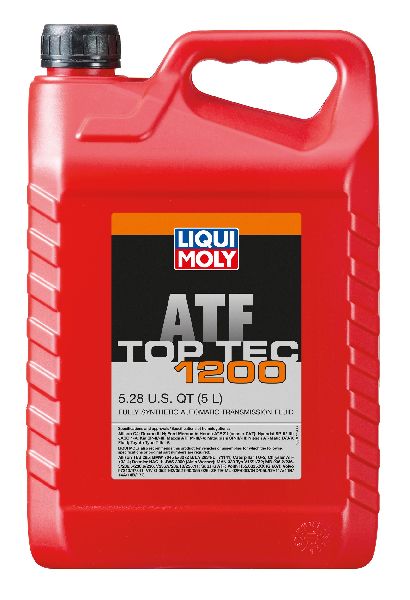

The information in this article is provided for general reference and educational purposes only. Vehicle specifications, procedures, and part compatibility can vary by production date, trim level, and region. Always consult your vehicle's factory service manual and verify part numbers before purchasing or performing repairs. Safety-critical components such as airbags, seat belts, and braking systems should be installed by a qualified professional.
- Gmc SIERRA DENALI:
- 🎬 Helpful Videos
- 🛍️ Shop This Part
- What's Unique About the 2012-2015 Gmc SIERRA DENALI
- Diagnostic Flowchart
- Symptoms You May Notice
- Most Likely Causes
- Rare But Worth Checking
- Diagnosis Steps
- Parts You'll Likely Need
- Related Codes That Often Appear With This One
- Technical Service Bulletins (TSBs) & Recalls
- Platform-Specific Known Issues
- Mechanic-Grade Diagnostic Values
- Scan Tool Commands That Help
- Wiring & Ground Locations
- Real Owner Repair Stories
- "I Checked Everything" — The Actual Cause
- OEM Part Supersession History
- Model Year Variations Within This Range
- 🎟️ Get 5% Off