

P0741 on 2012-2015 GMC Savana: Torque Converter Clutch Stuck Off Causes and Fixes
On 2012-2015 GMC Savana vans with the 6L80 or 6L90 transmission, P0741 is most often caused by a faulty TCC solenoid, a damaged transmission wiring harness inside the oil pan, or a failing torque converter. A harsh 1-2 shift is a common related symptom. Expect to pay a professional for diagnosis and repair, as it requires dropping the transmission pan and potentially removing the transmission itself.
- P0741 on a 2012-2015 Savana is a serious code that points to a problem with the torque converter clutch system.
- Unlike many other vehicles, the most likely causes are well-documented in GM service bulletins: a faulty TCC solenoid or a bad internal transmission wiring harness.
- A harsh shift from first to second gear is a key symptom that strongly points to the issues described in the TSBs.
- Repair is not DIY-friendly as it requires removing the transmission pan to access internal components.
- Do not ignore this code. Continued driving can lead to transmission overheating and more expensive damage, such as a complete torque converter failure or transmission rebuild.
What's Unique About the 2012-2015 Gmc SAVANA
For this specific generation of GMC Savana with the 6L80 or 6L90 transmission, GM has issued multiple Technical Service Bulletins (TSBs) directly addressing P0741. These bulletins point specifically to issues with the transmission wiring harness, the TCC solenoid, and the torque converter itself, making these items a much higher probability cause than on other vehicles. TSB PI1393B explicitly mentions that degrading torque converter clutch friction material can cause the code, leading to debris contaminating the fluid and clogging passages. Another known issue is wear in the TCC regulator valve bore within the valve body, which can cause pressure leaks preventing proper lockup.
Diagnostic Flowchart
Tap your situation to follow the diagnostic path that matches what you're seeing on this vehicle.
Symptoms You May Notice
- Check Engine Light (Malfunction Indicator Lamp) is on.
- Harsh or rough shift from 1st to 2nd gear.
- Transmission may feel like it's slipping or shuddering, especially during lock-up attempts.
- Reduced fuel economy.
- Engine RPM is higher than usual at cruising speeds (no drop in RPM when lock-up should occur).
- Transmission overheating, potentially triggering a "TRANSMISSION HOT IDLE ENGINE" message.
- Delayed or clunking engagement into Reverse.
- Replacing the torque converter when the actual issue is a much cheaper and simpler TCC solenoid or wiring harness failure.
- Replacing only the TCC solenoid when the torque converter has failed and contaminated the system with debris. The new solenoid will soon fail as well if the system is not flushed and the source of the debris (the converter) is not replaced.
Most Likely Causes
- Faulty Torque Converter Clutch (TCC) Solenoid 🔴 High Probability TSB #PIP5009G specifically calls out replacing the TCC solenoid to fix P0741 on the 2012 model year. These solenoids are submerged in hot fluid and can fail electrically or mechanically (cracking of the plastic body), preventing them from properly directing fluid to engage the clutch.
How to confirm: A technician will drop the transmission pan, access the valve body, and test the solenoid's resistance with a multimeter (a good solenoid should have low resistance, some forum users suggest in the 0.4-0.6 ohm range, but spec should be verified). It can also be commanded on and off with a capable scan tool (like a GM Tech2 or GDS) to check for an audible click and response.
Typical fix: Replace the TCC solenoid. This part is located on the valve body inside the transmission. The ACDelco GM OE part is often a PWM solenoid. 🎬 Watch: Troubleshooting common 6L80 and 6L90 solenoid problems.
Est. part cost: $50-$120 - Damaged Internal Transmission Wiring Harness 🔴 High Probability TSB #15111 explicitly states that for the 2012 model, dealers are to replace the automatic transmission wiring harness if P0741 is present. The harness is submerged in hot transmission fluid, which can cause connectors and wires to become brittle and fail over time, leading to intermittent connections.
How to confirm: Visual inspection of the harness for damage, brittle wires, or corroded connectors after removing the transmission pan. This is often done at the same time as the TCC solenoid inspection.
Typical fix: Replace the internal transmission wiring harness. TSB #PIP5009G mentions a specific part number for this repair, 24237980, which often includes the TCC solenoid.
Est. part cost: $60-$150 - Failed Torque Converter 🟡 Medium Probability TSB #PI1393B notes that the code can be caused by damaged torque converter clutch friction material breaking down. This debris then circulates through the transmission, contaminating the fluid and clogging the filter, valve body passages, and cooler, leading to low line pressure and clutch failure. Forum users report finding fine metallic "sparkles" in the fluid as a key indicator.
How to confirm: A technician will inspect the transmission fluid and pan for excessive metallic debris or clutch material. A line pressure test should be performed to check for a damaged transmission pump, which is a common secondary effect of this failure. A scan tool can also be used to command TCC lockup; if it engages but shudders or slips, the converter is likely at fault.
Typical fix: The torque converter must be replaced, which requires removing the transmission. The transmission fluid cooler must be thoroughly flushed, and the transmission may need to be disassembled to clean out debris and inspect for further damage to the pump and clutches.
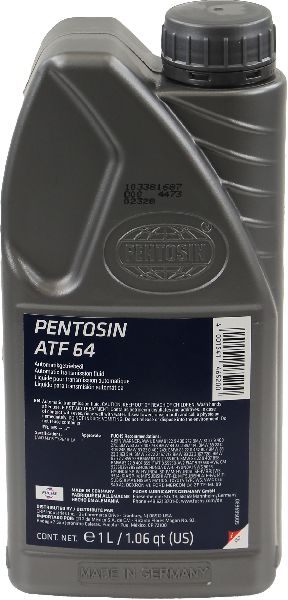
Est. part cost: $300-$800 - Low or Contaminated Transmission Fluid ⚪ Low Probability While a possible cause for any transmission issue, it's less likely to be the primary cause on this vehicle given the specific TSBs. However, fluid contaminated with clutch material is a key symptom of a failing torque converter. Low fluid level can cause pressure issues that prevent the TCC from engaging properly.
How to confirm: Check the transmission fluid level and condition per the manufacturer's procedure. The fluid should be red and clear, not dark, burnt-smelling, or full of debris/sparkles.
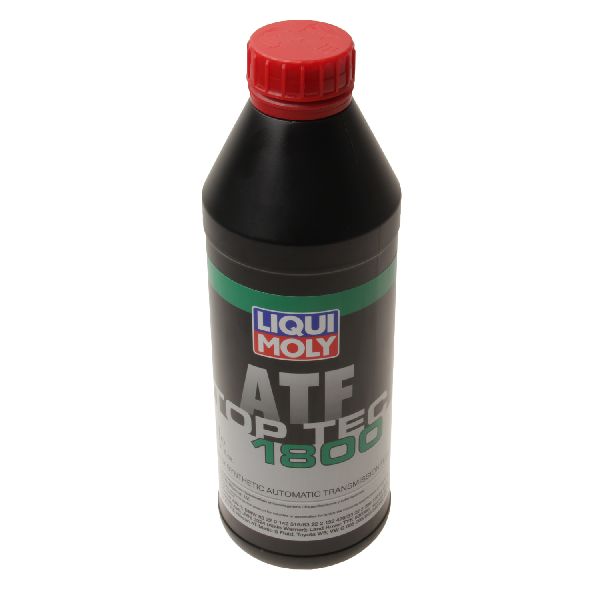
Typical fix: If the fluid is just low, top it off and check for leaks. If it's dirty, a fluid and filter change is required. However, this is often a temporary fix if an internal part is failing and contaminating the fluid.
Est. part cost: $75-$200 for fluid and filter
Rare But Worth Checking
- Faulty Valve Body: A sticking TCC regulator valve or a worn bore within the valve body can prevent proper hydraulic pressure from reaching the clutch. TSB #19-NA-153 mentions testing for a sticking TCC apply valve. Aftermarket companies like Sonnax offer Zip Kits (e.g., 6L45-6L90-ZIP) to repair worn bores and restore hydraulic integrity.
- Faulty Transmission Control Module (TCM): The TCM (also called TEHCM in these transmissions as it's integrated with the solenoid block) can fail and stop sending the correct signal to the TCC solenoid. This should only be considered after all other electrical and mechanical components have been ruled out. Replacement TEHCMs require programming to the vehicle's VIN.
Diagnosis Steps
- Use an OBD-II scanner to confirm P0741 and check for any other related transmission codes like P0700 or P0796.
- Check the transmission fluid level and condition. Look for a burnt smell or fine metallic particles ('sparkles').
- With a professional scan tool (like GM's GDS), monitor TCC Slip Speed while driving. Command the TCC on and off to confirm if it is engaging. A slip speed that does not drop to near zero when commanded ON indicates a failure.
- Perform a transmission line pressure test to check for issues with the pump or internal leaks, which can be caused by debris from a failing converter.
- Drop the transmission oil pan to visually inspect the fluid, pan magnet, wiring harness, and TCC solenoid.
- Test the TCC solenoid's resistance with a multimeter and check for power and ground at the connector.
- Inspect the internal wiring harness for any signs of damage, corrosion, or brittle insulation.
- Inspect the TCC regulator valve and bore in the valve body for scoring or sticking.
- If significant debris is found, the torque converter is the likely culprit and the transmission must be removed for replacement and system flushing.
Parts You'll Likely Need
- Torque Converter Clutch (TCC) Solenoid
(OEM #24227747 (PWM Solenoid))— This solenoid is a primary point of failure identified in GM's service bulletins for this code.
Trusted brands: ACDelco, Sonnax
OEM price range: $60-$120
Aftermarket price range: $40-$80 - Automatic Transmission Wiring Harness (Internal)
(OEM #24237980)— TSB #15111 and #PIP5009G directly call for replacing this harness as a fix for P0741. This part number often includes the TCC solenoid.
Trusted brands: ACDelco, Rostra
OEM price range: $80-$150
Aftermarket price range: $60-$100 - Torque Converter — Required if the internal clutch friction material has failed, contaminating the transmission fluid. This is a common failure point on 6L80/6L90 transmissions.
Trusted brands: ACDelco, Transtar, Monster Transmission
OEM price range: $400-$800
Aftermarket price range: $300-$600
Related Codes That Often Appear With This One
- P0796 — This code for 'Pressure Control Solenoid 'C' Performance or Stuck Off' can appear if a failing torque converter sheds debris, causing low line pressure and distress to the 4-5-6 clutch pack.
- P0700 — This is a generic code indicating the Transmission Control Module (TCM) has stored a fault code. It will almost always be present alongside a specific transmission code like P0741.
Technical Service Bulletins (TSBs) & Recalls
- PI1393B: Diagnostic tips for DTC P0741, pointing to damaged torque converter clutch friction material.
- 15111: Instructs dealers to replace the automatic transmission wiring harness for P0741 on 2012 models.
- PIP5009G: Recommends replacing the TCC solenoid and wire harness for P0741 with a harsh 1-2 shift.
- PI1393A / PI1393: Earlier versions of the bulletin providing diagnostic information for P0741.
Platform-Specific Known Issues
- Owner Experience: Shudder, 'Sparkles' in Fluid, and Eventual Replacement: An owner of a 2016 Tahoe (platform mate with 6L80) on TahoeYukonForum.com described a scenario that started with a hard 1-2 shift and jerking, followed by a delayed, clunking engagement into reverse. At highway speeds, the RPM would flare up on hills, indicating the TCC was slipping. A shop confirmed the issue by disabling TCC lockup with a scan tool, which made the shifts smooth again. When they flushed the fluid, they found fine metallic 'sparkles,' a tell-tale sign of torque converter clutch material disintegrating. This confirms that visual inspection of the fluid is a critical diagnostic step for P0741 on these vehicles.
Mechanic-Grade Diagnostic Values
- TCC Solenoid (PWM Type) Resistance — expected: 3.0 - 5.5 Ohms at 70°F (21°C). Other sources state 3-8 Ohms.. Failure: A reading outside of this range (open or shorted) indicates a failed solenoid.
- TCM/TEHCM Solenoid Operating Voltage — expected: 8.3 - 9.3 Volts supplied from the TCM to the solenoids.. Failure: Voltage readings outside this range could indicate a problem with the TCM/TEHCM itself or the wiring to it.
- TCC Slip Speed (Scan Tool Data) — expected: Near 0 RPM when TCC is commanded locked.. Failure: The PCM will set code P0741 if it detects slip greater than 200 RPM when lockup is commanded.
- TCC Control Valve Bore Vacuum Test — expected: 18 inHg or higher.. Failure: A low reading (e.g., 15 inHg or less) indicates significant wear in the valve bore, causing hydraulic leaks that prevent proper TCC application.
Hidden / Shadow Codes Worth Checking
- Type B DTC: P0741 is classified as a Type B DTC. This means the Malfunction Indicator Lamp (MIL) will not illuminate on the first fault detection, but a code will be stored. The MIL will illuminate after the fault is detected on two consecutive ignition cycles. The TCM will also inhibit TCC operation and may inhibit high gear in hot conditions. (see via Visible with any standard OBD-II scanner, but the MIL behavior is specific to its classification.)
Scan Tool Commands That Help
- GDS2 / Tech2 (or equivalent professional scanner): TCC Slip Speed Monitoring — During a test drive, monitor 'TCC Desired Slip' vs. 'TCC Actual Slip' to see if the clutch is responding to commands. A large discrepancy indicates a problem.
- GDS2 / Tech2 (or equivalent professional scanner): Solenoid Cleaning Process — If a solenoid performance code is present, this automated function can be initiated to cycle all solenoids, potentially flushing minor debris from the valves. This can be attempted before replacing the TEHCM.
- GDS2 / Tech2 (or equivalent professional scanner): Line Pressure Test Command — Used in conjunction with a physical pressure gauge to command specific pressures from the EPC solenoid to verify pump and valve body hydraulic integrity.
Wiring & Ground Locations
- TEHCM (TCM) — Inside the transmission, bolted directly to the valve body assembly.. The TCC solenoid is part of this assembly. The entire unit must be accessed by dropping the transmission pan and filter.
- Main Transmission Connector — On the passenger side of the transmission case.. This is the main interface between the vehicle's main wiring harness and the transmission's internal electronics (TEHCM). A poor connection here can cause various transmission codes. Pin 11 (CAN Low) and Pin 10 (CAN High) are critical for communication.
- Chassis Grounds (G102/G103/G110) — Key grounding points are typically found on the engine block (often at the rear of the cylinder head), from the battery negative terminal to the frame, and from the engine block to the firewall.. Poor ground connections can cause erratic behavior in electronic modules, including the TCM/TEHCM, leading to incorrect sensor readings and false codes. Verifying these grounds are clean and tight is a crucial early diagnostic step.
"I Checked Everything" — The Actual Cause
- While not diagnosed with a smoke test, a similar pattern exists for this code. A technician may find that line pressure tests are within specification and the TCC solenoid tests good electrically, yet the code persists. The underlying cause is often microscopic wear in the TCC regulator valve bore or TCC control valve bore within the valve body or pump. This wear is too small to affect a static pressure test but causes enough of a hydraulic leak under dynamic conditions to prevent the TCC from applying correctly. The issue can only be confirmed with a more advanced diagnostic step like a vacuum test on the valve body bores.
OEM Part Supersession History
24237980→24298349— Part has been updated or revised by the manufacturer.
Heads up: The original part number 24237980 is specified in TSB #PIP5009G. When ordering, a dealer or parts supplier will automatically provide the superseding part number 24298349.
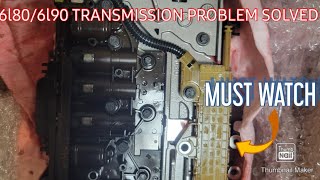
Helpful Videos
We Have This Part in Stock

The information in this article is provided for general reference and educational purposes only. Vehicle specifications, procedures, and part compatibility can vary by production date, trim level, and region. Always consult your vehicle's factory service manual and verify part numbers before purchasing or performing repairs. Safety-critical components such as airbags, seat belts, and braking systems should be installed by a qualified professional.
- Gmc SAVANA:
- 🎬 Helpful Videos
- 🛍️ Shop This Part
- What's Unique About the 2012-2015 Gmc SAVANA
- Diagnostic Flowchart
- Symptoms You May Notice
- Most Likely Causes
- Rare But Worth Checking
- Diagnosis Steps
- Parts You'll Likely Need
- Related Codes That Often Appear With This One
- Technical Service Bulletins (TSBs) & Recalls
- Platform-Specific Known Issues
- Mechanic-Grade Diagnostic Values
- Hidden / Shadow Codes Worth Checking
- Scan Tool Commands That Help
- Wiring & Ground Locations
- "I Checked Everything" — The Actual Cause
- OEM Part Supersession History
- 🎟️ Get 5% Off