

P0736 on 2002-2003 Chevrolet Silverado 1500 HD: Reverse Incorrect Ratio Causes and Fixes
P0736 on a 2002-2003 Silverado 1500 HD with the 4L80-E transmission means the computer has detected a slip or failure to engage reverse gear. The most common cause is low or dirty transmission fluid. If a fluid and filter change doesn't fix it, the problem is likely an internal issue like a faulty shift solenoid, a worn low/reverse servo piston, or a burnt reverse clutch pack, which requires professional diagnosis.
- P0736 indicates a serious problem with the reverse gear; do not continue to drive the vehicle.
- Always start your diagnosis by checking the transmission fluid level and condition, as this is the most common and cheapest fix.
- If a fluid change does not resolve the issue, the problem is internal and likely involves a faulty shift solenoid or mechanical wear.
- Due to the complexity of automatic transmissions, professional diagnosis is strongly recommended to avoid unnecessary part replacement and potential further damage.
What's Unique About the 2002-2003 Chevrolet SILVERADO 1500 HD
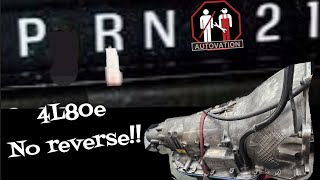
The 2002-2003 Silverado 1500 HD is part of the GMT800 generation and is typically equipped with a robust 4L80-E or 4L85-E automatic transmission. While durable, these transmissions are very sensitive to hydraulic pressure, which is directly affected by the fluid level and condition. A P0736 code on these heavy-duty trucks is frequently a direct result of a hydraulic issue, such as low fluid or a clogged filter, before being a major mechanical failure. Specific to the 4L80-E, known mechanical failure points for a no-reverse condition include a worn low/reverse servo piston or pin, a cracked reverse servo piston 🎬 Watch a mechanic diagnose and fix a 4L80E with no reverse., or burnt reverse clutches.
Diagnostic Flowchart
Tap your situation to follow the diagnostic path that matches what you're seeing on this vehicle.
Symptoms You May Notice
- Check Engine Light is on
- Inability to shift into reverse gear
- Delayed or harsh engagement into reverse.
- Vehicle does not move or moves sluggishly when in reverse.
- Transmission may be stuck in "limp mode," limiting forward gears
- Whining or chattering noise when attempting to engage reverse.
- No engine braking when in manual low (1st) gear, as this function also uses the reverse band.
- Replacing the input or output speed sensors when they are functioning correctly. While these sensors provide the data, they are not usually the root cause of a single gear ratio error like P0736.
- Immediately assuming a full transmission rebuild is necessary. The issue could be a more accessible component like a shift solenoid or the reverse servo assembly, which can be replaced by simply removing the valve body.
Most Likely Causes
- Low or Dirty Transmission Fluid 🔴 High Probability These work trucks often operate under heavy loads, which can degrade transmission fluid more quickly. Low or burnt fluid fails to provide the necessary hydraulic pressure for the reverse clutch and band to engage.
How to confirm: Check the transmission fluid level and condition with the engine running and the transmission at operating temperature. The fluid should be pink/red and not smell burnt. Dark or debris-filled fluid indicates a problem.
Typical fix: Perform a transmission fluid and filter change. If the fluid is very dark or contains metallic debris, it is a strong indicator of a more serious internal problem.
Est. part cost: $50-$150 - Faulty Shift Solenoid 🟡 Medium Probability Solenoids are electro-hydraulic valves that control fluid flow. Over time, they can fail electrically or become clogged with debris, preventing proper gear engagement.
How to confirm: A professional scan tool can command the solenoid on and off to test its function. Resistance can also be checked with a multimeter; for 4L80-E shift solenoids, the reading should be around 20-30 ohms.
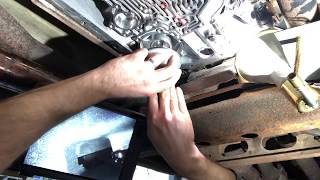
Typical fix: Replace the faulty solenoid(s). This requires draining the fluid and removing the transmission pan 🎬 See this walkthrough on how to install new shift solenoids. to access the valve body where the solenoids are mounted.
Est. part cost: $40-$100 per solenoid - Internal Mechanical Failure ⚪ Low Probability On high-mileage trucks, internal components like clutch packs, servos, or bands can wear out. For the 4L80-E, specific known failure points for P0736 are a worn/short low/reverse servo apply pin, a cracked reverse servo piston, or burnt-out reverse clutch pack frictions.
How to confirm: This requires a full transmission inspection and pressure test by a qualified mechanic. A key symptom of a cracked reverse servo piston is having reverse when the transmission is cold, but losing it as it warms up. Finding clutch material in the pan is a strong indicator of internal failure.
Typical fix: The transmission will need to be removed and either rebuilt or replaced. In some cases, a worn servo pin can be replaced with an extended version or by welding material onto the tip as a temporary fix without removing the transmission.
Est. part cost: $1500-$3500+
Rare But Worth Checking
- Faulty Transmission Control Module (TCM): While rare, a failing TCM can misinterpret sensor data or fail to command shifts correctly. This should only be considered after all other mechanical and electrical possibilities have been ruled out.
- Wiring or Connector Issues: The main transmission wiring harness connector on the 4L80-E can develop leaks, allowing fluid to contaminate the pins and cause erratic signals. The harness can also become damaged from heat, vibration, or fluid leaks, causing intermittent signals to the solenoids or sensors.
- Cracked or Leaking Transmission Filter Seal: An improperly installed, cracked, or shrunken transmission filter seal (O-ring) can cause a loss of hydraulic pressure, leading to various gear ratio codes, including P0736. TSB #PIP4379M mentions this as a possible cause.
Diagnosis Steps
- Check the transmission fluid level and condition. Ensure the fluid is at the correct level on the dipstick while the engine is running and warm.
- Scan the computer for any other transmission-related trouble codes. Note if P0736 appears alone or with other codes like P0700.
- If fluid is low, top it off, clear the code, and test drive. If the fluid is dark, burnt, or contains debris, perform a fluid and filter change.
- Inspect the transmission's main electrical connector (driver's side of the 4L80-E) for fluid intrusion or contamination, which is a known issue. Also check the wiring harness for any visible damage, corrosion, or loose connections.
- If the problem persists, a professional diagnosis is needed. This will involve using a scan tool to monitor live sensor data and test solenoid function. A transmission pressure test is crucial to differentiate between hydraulic and mechanical issues. Low pressure in reverse when hot can point to a cracked reverse servo piston.
Parts You'll Likely Need
- Transmission Filter Kit
(OEM #ACDelco TF249)— This is required for a fluid service, which is the first step in diagnosing and potentially fixing the issue. The kit for the 4L80-E typically includes the filter and pan gasket.
Trusted brands: ACDelco, Wix, ATP
OEM price range: $30-$60
Aftermarket price range: $20-$40 - Transmission Shift Solenoid
(OEM #ACDelco 24230298)— A failed solenoid is a common cause for the transmission's inability to engage reverse gear. The 4L80-E uses two identical shift solenoids ('A' and 'B') which are often replaced in pairs.
Trusted brands: ACDelco, Bosch, Rostra
OEM price range: $35-$90
Aftermarket price range: $30-$60 - Low/Reverse Servo Piston Assembly — A cracked piston or worn apply pin is a known mechanical failure point in the 4L80-E that directly causes a no-reverse condition with code P0736.
Trusted brands: Sonnax, ACDelco
OEM price range: $50-$100
Aftermarket price range: $30-$70
Related Codes That Often Appear With This One
- P0700 — This is a general transmission fault code. It means the TCM has detected a problem (like P0736) and has requested the main engine computer to turn on the Check Engine Light.
- P0731-P0735 — These codes indicate incorrect gear ratios for forward gears. If they appear with P0736, it points to a widespread issue like extremely low fluid, a clogged filter, a major hydraulic leak, or a failing transmission pump.
Technical Service Bulletins (TSBs) & Recalls
- PIP4379M / PIP4379N: Mentions that DTC P0736 can be associated with a no-reverse condition and points to possible hydraulic circuit issues.
Platform-Specific Known Issues
- The provided Technical Service Bulletin (TSB) #PIP4379M (and its later revision, N) confirms that P0736 can be associated with a "no engagement into reverse" condition on these vehicles, often alongside a wide range of other transmission codes. The TSB points towards potential hydraulic issues like a cracked filter or stuck valve.
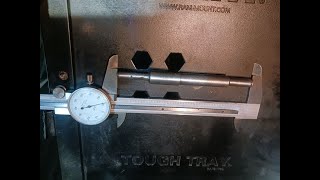
- A common real-world failure is the low/reverse servo apply pin becoming too short due to normal wear, preventing the reverse band from engaging fully. Owners have reported successfully fixing this by either replacing the pin with a longer one or welding a small amount of material to the tip of the existing pin.
- Hairline cracks in the cast aluminum reverse servo piston are a known issue. This can cause a loss of hydraulic pressure to the reverse band, which often manifests as having reverse when the transmission is cold but losing it as the fluid warms up and thins out.
Mechanic-Grade Diagnostic Values
- Shift Solenoid A/B Resistance — expected: 20-30 Ohms. Failure: A reading outside this range (e.g., open circuit or significantly lower resistance) indicates a failed solenoid.
- Line Pressure in Reverse at Idle (Hot) — expected: 60-75 PSI. Failure: Significantly lower pressure, especially pressure that drops as the fluid warms up, points to an internal leak, possibly a cracked reverse servo piston.
- Line Pressure in Reverse at Stall (Full Throttle) — expected: 300-330 PSI. Failure: Failure to reach this pressure indicates a major hydraulic issue, such as a weak pump, major internal leak, or faulty pressure control solenoid.
- Input/Output Speed Sensor (ISS/OSS) AC Voltage — expected: AC voltage should rise steadily with shaft speed, from <1V to over 5V AC.. Failure: No voltage or erratic voltage while the shaft is known to be spinning indicates a failed sensor.
Scan Tool Commands That Help
- Tech 2 / GDS2: Solenoid Activation Test — This bidirectional command allows a technician to manually command the shift solenoids on and off while the vehicle is stationary. It helps verify if the solenoid clicks and if the wiring from the TCM to the solenoid is intact. This can isolate a faulty solenoid or wiring issue from a mechanical problem.
- Tech 2 / GDS2: Output Controls -> Line Pressure — This function allows the technician to command different line pressure levels to test the response of the EPC (Electronic Pressure Control) solenoid. This is crucial for diagnosing if low pressure in reverse is due to a faulty EPC solenoid or a mechanical leak.
Wiring & Ground Locations
- Main Transmission Connector — On the driver's side of the 4L80-E transmission case, it is a large, round, multi-pin connector.. This is the single point of electrical connection for all solenoids and sensors inside the transmission. It is a common point of failure due to fluid leaks past the internal seal, which contaminates the pins and causes poor connections, leading to various codes including P0736.
- G103 — On the front of the passenger side cylinder head. It is a nut on a stud holding two ground wires.. This is a primary engine and PCM ground. A poor connection at G103 can cause a variety of erratic electronic issues, including incorrect sensor readings and improper command signals from the PCM/TCM, potentially leading to false transmission codes.
- 4L80-E Connector Pinout (for testing) — At the main transmission connector.. Knowing the pinout allows for testing solenoid resistance without dropping the pan. For shift solenoids A and B, you test resistance between Pin E (+12V Power) and Pin A (Shift Solenoid A) and between Pin E and Pin B (Shift Solenoid B).
Real Owner Repair Stories
- YouTube user 'North Dakota Dave' (2001 GMC 2500HD with 4L80-E) — All forward gears worked, but there was no reverse and no engine braking in manual low.
❌ Tried (didn't work) Initial pan drop showed no significant debris.
✅ What actually fixed it The low/reverse servo apply pin had worn down and was too short to fully apply the reverse band. The owner confirmed the band itself was not broken using a borescope. As a temporary field repair, he welded a small bead onto the tip of the pin to lengthen it, which restored reverse function. The long-term fix is to replace the pin with a new, correct-length or oversized one. - YouTube user 'I Do Cars' (Chevrolet Suburban with 4L80-E) — Slipping and chattering when shifting into reverse.
❌ Tried (didn't work) Not specified, video focuses on the direct fix.
✅ What actually fixed it The problem was identified as excessive clearance in the reverse band. The fix involved replacing two check ball capsules in the valve body that are known to get worn or 'hammered out', causing pressure leaks. One capsule is for the direct clutch (which is also used in reverse) and the other is a dedicated reverse check ball. Replacing these small parts restored proper hydraulic control for reverse engagement.
OEM Part Supersession History
10478124→24219819 (GM), 24230298 (ACDelco)— Part has been updated and consolidated over the years.
Heads up: The Shift Solenoids A and B for a 4L80-E are identical. Part numbers 24230288 and 24230289 are for a 4L60-E and are incorrect for this application. Use two of the same solenoid (24219819 or 24230298) for a 4L80-E.
Model Year Variations Within This Range
- Pre-1994 vs 1994+: While outside the 2002-2003 range, it's notable that pre-1994 4L80-E transmissions used a different internal wiring harness and connector style (bolt-on vs. snap-on) and had different pressure control solenoids. The 2002-2003 models are consistent with the later design.
- 2002 vs 2004+: Some interchange guides show a break between 2003 and 2004 models, but for practical purposes of diagnosing a P0736, a 2002-2003 transmission is electronically and mechanically compatible with a 2004 model. No significant internal changes affecting this code occurred between these specific years.
Helpful Videos
We Have This Part in Stock



The information in this article is provided for general reference and educational purposes only. Vehicle specifications, procedures, and part compatibility can vary by production date, trim level, and region. Always consult your vehicle's factory service manual and verify part numbers before purchasing or performing repairs. Safety-critical components such as airbags, seat belts, and braking systems should be installed by a qualified professional.
- Chevrolet SILVERADO 1500 HD:
- 🎬 Helpful Videos
- 🛍️ Shop This Part
- What's Unique About the 2002-2003 Chevrolet SILVERADO 1500 HD
- Diagnostic Flowchart
- Symptoms You May Notice
- Most Likely Causes
- Rare But Worth Checking
- Diagnosis Steps
- Parts You'll Likely Need
- Related Codes That Often Appear With This One
- Technical Service Bulletins (TSBs) & Recalls
- Platform-Specific Known Issues
- Mechanic-Grade Diagnostic Values
- Scan Tool Commands That Help
- Wiring & Ground Locations
- Real Owner Repair Stories
- OEM Part Supersession History
- Model Year Variations Within This Range
- 🎟️ Get 5% Off