

P0734 GMC Sierra Denali (2013-2015): Gear 4 Incorrect Ratio Causes and Fixes
On 2013-2015 Sierra Denalis with the 6L80 transmission, P0734 often points to hydraulic issues, not a catastrophic gear failure. The most common causes, backed by GM technical bulletins, are a failing torque converter shedding debris, or low/dirty fluid clogging the valve body. A fluid service, valve body cleaning/replacement, or torque converter replacement is the likely fix.
- P0734 on a 2013-2015 Sierra Denali means the transmission is slipping or failing to engage 4th gear.
- Before suspecting a major internal failure, check the transmission fluid level and condition. Low or dirty fluid is a very common cause.
- Manufacturer TSBs strongly suggest the problem is often debris clogging the transmission valve body, a less severe repair than a full rebuild.
- A shuddering vibration at highway speeds often points to a failing torque converter, which can be the source of the debris causing the P0734 code.
- This is not a DIY-friendly repair. Due to the complexity, professional diagnosis and service are highly recommended to avoid causing more damage.
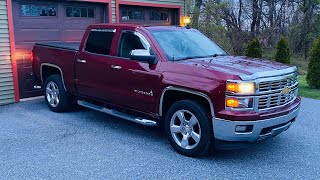
What's Unique About the 2013-2015 Gmc SIERRA DENALI
The 2013-2015 Sierra Denali uses the GM 6L80 automatic transmission. A highly documented failure point on these units is the torque converter clutch (TCC), which can delaminate and shed metallic debris resembling 'glitter' or 'coffee grounds' into the transmission fluid. This contaminated fluid then circulates throughout the transmission, clogging the small orifices and passages in the valve body and damaging solenoids. This hydraulic system contamination is a more probable cause for P0734 on this platform than an immediate internal clutch failure, a fact supported by multiple GM TSBs.
Diagnostic Flowchart
Tap your situation to follow the diagnostic path that matches what you're seeing on this vehicle.
Generation note: This range covers the end of the second generation (GMT900, 2013) and the beginning of the third (K2XX, 2014-2015). Both generations used the 6L80 transmission (RPO code MYC), and the issues related to P0734, particularly torque converter failure and subsequent valve body contamination, are common to both.
Symptoms You May Notice
- Check Engine Light is on
- Transmission fails to shift into 4th gear
- Engine RPMs are higher than usual at highway speeds
- Harsh, delayed, or jerky shifting
- Transmission slipping (engine revs flare up without an increase in speed)
- Vehicle enters "limp mode," locking it in a single gear
- A shudder or vibration, sometimes described as driving over rumble strips, especially at light throttle between 35-65 mph
- Reduced fuel economy
- Replacing input/output speed sensors when the issue is hydraulic.
- Assuming a full transmission rebuild is needed before thoroughly inspecting the valve body and fluid condition.
Most Likely Causes
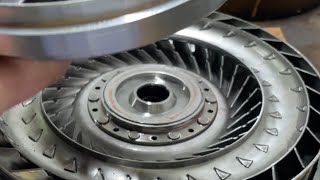
- Failing Torque Converter 🔴 High Probability The lock-up clutch (TCC) inside the 6L80 torque converter is a notorious failure point. 🎬 Watch: A deep dive into common 6L80 torque converter issues. The clutch material delaminates, sending metallic debris throughout the transmission. This is often the root cause of the other common failures, like a clogged valve body. Owner forums are filled with stories of this exact failure mode.
How to confirm: A classic symptom is a shuddering feeling at highway speeds. A technician can monitor torque converter slip speed with a diagnostic scanner to confirm excessive slippage. Dropping the pan and finding a large amount of fine, metallic, glitter-like debris is a strong indicator.
Typical fix: Replace the torque converter. This is a major repair that requires removing the transmission. The transmission and cooler lines must be thoroughly flushed to remove all debris to prevent a repeat failure.
Est. part cost: $300-$800 - Low or Dirty/Contaminated Transmission Fluid 🔴 High Probability The 6L80 transmission is very sensitive to fluid condition. Debris from a failing torque converter is the most common contaminant. If the fluid level is low, it can cause pressure issues leading to slipping.
How to confirm: Check the transmission fluid level and condition using the dipstick (if equipped) or check plug. The fluid should be bright red and clear, not brown, black, or smelling burnt. Look for a 'glittery' appearance indicating metal shavings.
Typical fix: Perform a transmission fluid and filter change. If the fluid is heavily contaminated, a full transmission flush and cooler cleaning is necessary, though this is often a symptom of a larger problem (like a failing torque converter).
Est. part cost: $75-$150 - Debris in Valve Body or Failing Solenoids 🔴 High Probability GM issued Technical Service Bulletins (TSBs) #PIP5100A and #PIP5100 specifically mentioning that debris can block orifices in the valve body separator plate, causing this and other gear ratio codes. The debris is almost always from a failing torque converter.
How to confirm: After dropping the transmission pan, inspect the valve body for debris. A technician can use a scan tool to command solenoids on and off to test their function. The valve body can be disassembled for inspection of check balls and valve bores.
Typical fix: Remove, clean, and inspect the valve body and solenoids. It is common to replace the valve body separator plate or the entire valve body assembly if cleaning is insufficient or bores are worn. Aftermarket kits like the Sonnax Zip Kit are designed to address common wear points in the valve body.
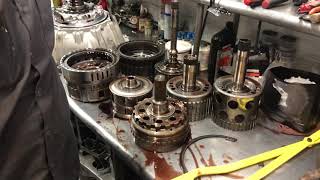
Est. part cost: $250-$700 - Internal Mechanical Failure (4-5-6 Clutch) 🟡 Medium Probability The 4-5-6 clutch is applied in 4th, 5th, and 6th gears. It can fail from prolonged operation with low hydraulic pressure (caused by the issues above) or from a cracked piston or drum. While less common as a root cause than the torque converter, it's a frequent point of failure once contamination occurs.
How to confirm: This is diagnosed after all external and hydraulic causes are ruled out. Dropping the pan and finding significant, chunky clutch material (not just fine glitter) is a strong indicator. Air testing the clutch pack during a rebuild will confirm leaks.
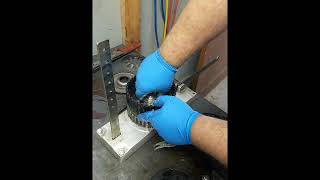
Typical fix: The transmission must be removed and rebuilt or replaced. This involves replacing the worn clutch packs, seals, and any other damaged components. Upgraded Sonnax kits are available to address design weaknesses. 🎬 Watch: How to service the 4-5-6 clutch with upgraded parts.
Est. part cost: $500-$1500 for a rebuild kit
Rare But Worth Checking
- Transmission Control Module (TCM) Failure: While rare for this specific code, a faulty TCM (which is integrated with the valve body on the 6L80, called a TEHCM) can cause incorrect commands or readings, leading to this code. It's more common for the TCM to fail completely, causing a no-communication or no-start issue.
- Damaged Wiring or Connectors: Check the main transmission harness connector for corrosion or damage, as this can interrupt signals between the TEHCM and the vehicle's other computers.
Diagnosis Steps
- Check the transmission fluid level and condition. If low, top it off and check for leaks. If dark, burnt, or contains glitter-like metal particles, this indicates significant internal wear, likely from the torque converter.
- Use a professional OBD-II scanner to check for other transmission-related codes (e.g., P0741, P0751) and review freeze-frame data.
- Monitor live data on the scanner, observing transmission input/output speeds, commanded gear vs. actual gear, and especially Torque Converter Clutch (TCC) slip RPM while driving to identify discrepancies.
- Inspect the transmission wiring harness and main connector for damage, corrosion, or loose connections.
- Drop the transmission oil pan and inspect for excessive metal shavings or clutch material. A small amount of fine grey material on the magnet is normal, but large flakes or a pan coated in metallic 'glitter' indicates a failing torque converter or other hard parts.
- Inspect the valve body and separator plate for debris or blockages, as recommended by GM TSBs #PIP5100A and #PIP5100. Check for worn valve bores.
- If a failing torque converter is confirmed, the transmission must be removed for replacement. At this time, a decision can be made to flush and service the existing transmission or perform a full rebuild based on the level of contamination found.
Parts You'll Likely Need
- Automatic Transmission Fluid and Filter Kit
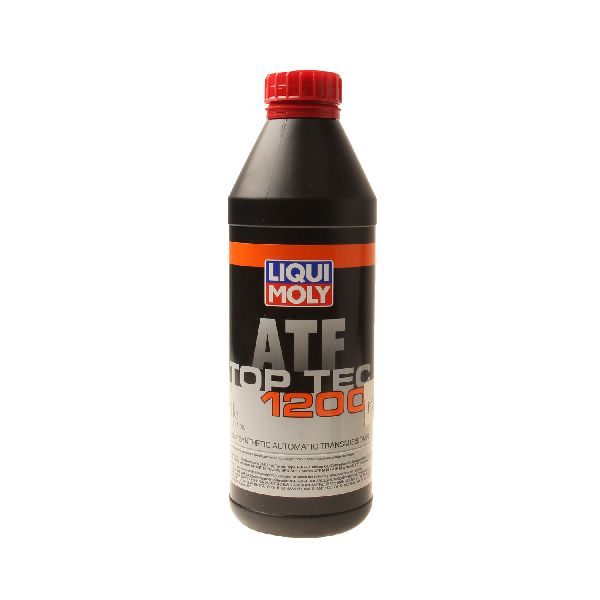
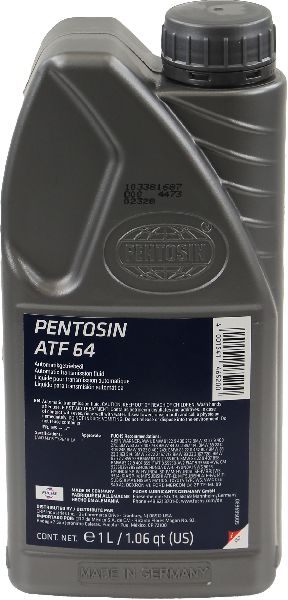
(OEM #24208576 (Filter), DEXRON-VI (Fluid))— The first step and most common requirement is servicing the fluid and filter due to low level or contamination.
Trusted brands: ACDelco
OEM price range: $60-$90
Aftermarket price range: $40-$70 - Torque Converter
(OEM #24272305 (For 5.3L), 24291284 (For 6.2L))— A frequent source of contamination for the entire transmission. If it is failing, it must be replaced to prevent a repeat failure of a new or rebuilt transmission. Part numbers can vary by engine and year, so VIN verification is critical.
Trusted brands: ACDelco, Transtar, Precision of New Hampton
OEM price range: $400-$700
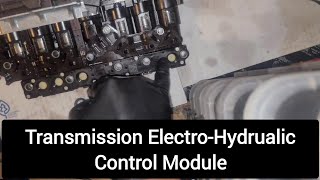
Aftermarket price range: $250-$500 - Transmission Valve Body (TEHCM) — Often replaced as an assembly when contaminated with debris from a failed torque converter. The TEHCM (Transmission Electro-Hydraulic Control Module) is integrated with the valve body and must be programmed to the vehicle's VIN upon installation.
Trusted brands: ACDelco
OEM price range: $500-$900
Aftermarket price range: $400-$700 - Sonnax Zip Kit
(OEM #6L45-6L90-ZIP)— A popular aftermarket solution that addresses multiple known hydraulic leak points within the 6L80 valve body. This kit contains upgraded valves, seals, and plugs to restore hydraulic integrity, often fixing shift quality issues and preventing future wear.
Trusted brands: Sonnax
OEM price range: N/A
Aftermarket price range: $150-$250
Related Codes That Often Appear With This One
- P0701 — This is a generic transmission control system code that often accompanies more specific codes like P0734, as noted in TSB #PIP4379M.
- P0751 — This code for Shift Solenoid 'A' Performance/Stuck Off often appears with P0734, pointing towards a hydraulic control issue in the valve body, as seen in TSB #PIP4379M.
- P0741 — This code for Torque Converter Clutch Circuit Performance or Stuck Off is a strong indicator that the torque converter is failing and is the source of the debris causing the P0734 code.
Technical Service Bulletins (TSBs) & Recalls
- PIP4379M: Mentions P0734 in a list of codes related to delayed transmission engagement.
- PIP5100A: Cites P0734 as a potential code when the valve body separator plate is blocked by debris.
- PIP5100: An earlier version of PIP5100A also linking P0734 to debris in the valve body.
Platform-Specific Known Issues
- Bulletin #PIP5100A: Warns that vehicles may not move and may set P0734 due to blockage in the valve body separator plate orifices, sometimes caused by an aftermarket spin-on filter disintegrating.
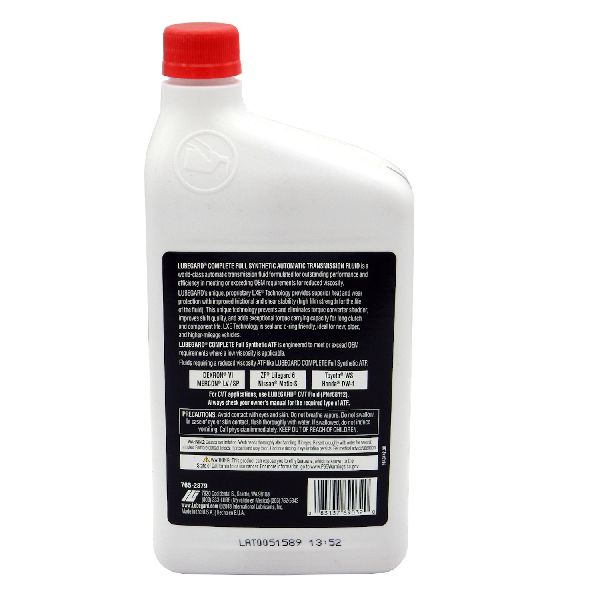
- Torque Converter Shudder: Many owners report a distinct 'rumble strip' shudder between 35-65 mph under light load, which is a tell-tale sign of the TCC failing and is a precursor to codes like P0734. Some owners have had temporary success with fluid additives like 'LubeGard Shudder Fixx', but this is not a permanent repair.
Mechanic-Grade Diagnostic Values
- Shift Solenoid (On/Off type) Resistance — expected: 20-40 Ohms. Failure: A reading outside this range indicates a failed solenoid, requiring TEHCM replacement.
- Pressure Control Solenoid (PWM type) Resistance — expected: 3-8 Ohms. Failure: A reading outside this range points to a faulty solenoid, necessitating TEHCM replacement.
- Line Pressure at Idle (in Park/Neutral) — expected: 45-80 PSI. Failure: Pressure below this range can indicate a worn pump, pressure regulator valve issue, or internal leaks.
- Line Pressure at Wide Open Throttle (Stall Test) — expected: Up to 300 PSI. Failure: Significantly lower pressure under load confirms a major hydraulic pressure loss.
Scan Tool Commands That Help
- GM GDS2 / Tech2 / J2534 Pass-Thru: Replace and Reprogram ECU — This function is mandatory after replacing the TEHCM (valve body/TCM assembly). It flashes the module with the correct VIN-specific calibration file from GM's servers to ensure communication with the engine and other modules.
- GM GDS2 / Tech2 / J2534 Pass-Thru: Service Fast Learn / Transmission Service Procedure — After programming a new TEHCM or performing major transmission service, this procedure must be run to reset and relearn clutch apply pressures and shift adapts. Skipping this step will result in harsh or delayed shifts.
- GM GDS2 / Tech2: Solenoid Cleaning Procedure — If minor debris is suspected in the valve body, a technician can run this automated routine which cycles all solenoids in an attempt to flush out contaminants. It may be a temporary fix if the source of debris (like a failing torque converter) is not addressed.
Wiring & Ground Locations
- G218 — Inside the cab, behind the driver's side kick panel, near the dashboard.. This is a major interior ground point. While not directly for the transmission, a poor connection here can cause a host of bizarre electrical issues, including problems with the instrument panel and Body Control Module, which communicates with the TCM. A poor ground can lead to erratic behavior that might be misdiagnosed.
- G103 / G102 — G103 is on the front of the passenger side cylinder head. G102 is on the driver's side of the engine block, near the motor mount.. These are primary engine block grounds. The TCM relies on clean power and ground signals referenced to the engine. A corroded or loose connection at these points can introduce electrical noise or voltage drops, potentially affecting sensor readings and TCM operation.
- Main Frame Grounds (G100, G101) — On the outside of the frame rail, one on the driver's side (G100) and one on the passenger's side (G101), typically below the radiator area.. These are the main battery-to-frame grounds. Corrosion here, common in rust-belt states, can cause system-wide low voltage and erratic electronic module behavior, including the TCM.
Real Owner Repair Stories
- Gears Magazine forum discussion (High mileage 6L80 application) — Delayed or slipping engagement into reverse, potential for clutch failure codes like P0734.
❌ Tried (didn't work) Initial diagnosis might focus only on the valve body or solenoids.
✅ What actually fixed it The root cause was a cracked stator support tube/liner inside the transmission pump. This caused a cross-leak, leading to clutch failure. The fix required transmission removal and replacement of the stator support. - YouTube channel "I Do Cars" (Chevrolet Silverado with 6L80 transmission) — No 4th, 5th, or 6th gear. P0734 and other gear ratio codes present.
❌ Tried (didn't work) A fluid and filter change did not resolve the issue.
✅ What actually fixed it A teardown revealed the 4-5-6 clutch pack was completely burnt. The root cause was a failed torque converter that sent debris through the system, which starved the clutch pack of the pressure needed to hold, causing it to slip and burn up. The final repair was a full transmission rebuild including a new torque converter, new 4-5-6 clutch drum and piston assembly, and a thorough cleaning of the valve body and cooler lines.
OEM Part Supersession History
Various early 6L80 1-2-3-4 clutch pistons→Updated GM and aftermarket pistons— The original design was prone to cracking, leading to a loss of apply pressure and clutch failure.
Heads up: When rebuilding an early 6L80, it is critical to update to the later-design piston to prevent a repeat failure.
Model Year Variations Within This Range
- 2014-2015 (K2XX): Beginning in 2014, some models included a cooler bypass valve (thermostatic bridge) in the transmission case. This valve can fail or stick, preventing proper fluid circulation to the auxiliary cooler and leading to overheating, which accelerates fluid breakdown and wear. Aftermarket kits are available to delete this valve.
Helpful Videos
We Have This Part in Stock



The information in this article is provided for general reference and educational purposes only. Vehicle specifications, procedures, and part compatibility can vary by production date, trim level, and region. Always consult your vehicle's factory service manual and verify part numbers before purchasing or performing repairs. Safety-critical components such as airbags, seat belts, and braking systems should be installed by a qualified professional.
- Gmc SIERRA DENALI:
- 🎬 Helpful Videos
- 🛍️ Shop This Part
- What's Unique About the 2013-2015 Gmc SIERRA DENALI
- Diagnostic Flowchart
- Symptoms You May Notice
- Most Likely Causes
- Rare But Worth Checking
- Diagnosis Steps
- Parts You'll Likely Need
- Related Codes That Often Appear With This One
- Technical Service Bulletins (TSBs) & Recalls
- Platform-Specific Known Issues
- Mechanic-Grade Diagnostic Values
- Scan Tool Commands That Help
- Wiring & Ground Locations
- Real Owner Repair Stories
- OEM Part Supersession History
- Model Year Variations Within This Range
- 🎟️ Get 5% Off