

P0732 on 2011-2013 Chevrolet Silverado: Gear 2 Incorrect Ratio Causes and Fixes
On a 2011-2013 Silverado, P0732 means the transmission is slipping in 2nd gear. This is often caused by low or dirty fluid, but is frequently linked to internal issues like a blocked valve body separator plate or a failing torque converter sending debris through the system, per GM Technical Service Bulletins. A fluid change is a cheap first step, but be prepared for more complex repairs like a valve body service or full rebuild, costing $500 to over $3,000.
- P0732 on your 2011-2013 Silverado indicates a serious 2nd gear slip that should be addressed immediately to prevent further damage.
- Always start by checking the transmission fluid level and condition, as it's the simplest and cheapest potential fix.
- Be aware of GM Technical Service Bulletins that point to a blocked valve body separator plate as a common cause for this code.
- Due to the complexity of the 6L80 transmission, professional diagnosis with a scan tool that can read live data is highly recommended.
- This is not a simple DIY fix; repairs often involve removing the valve body or the entire transmission.
What's Unique About the 2011-2013 Chevrolet SILVERADO
The 2011-2013 Silverado primarily uses the 6-speed 6L80 automatic transmission. While any transmission can suffer from low fluid, this platform is subject to specific failure patterns. 🎬 Watch: Common 6L80 failure patterns that lead to destruction. A very common sequence begins with the torque converter lock-up clutch failing, which contaminates the fluid with metallic debris. This debris then clogs the filter, shift solenoids, and small orifices in the valve body separator plate, leading to hydraulic pressure loss and the P0732 code. GM TSBs #PIP5100 and #PIP5100A directly address this scenario. Another known weak point is a cracked 1-2-3-4 clutch apply piston, which also causes a pressure leak and slipping.
Diagnostic Flowchart
Tap your situation to follow the diagnostic path that matches what you're seeing on this vehicle.
Symptoms You May Notice
- Check Engine Light is on
- Vehicle enters "limp mode" (stuck in one gear)
- Delayed or harsh shifting into 2nd gear
- Transmission slipping (engine RPMs rise without an increase in speed)
- Vehicle won't move in forward or reverse (in severe cases)
- Failure to shift into 2nd gear
- Increased fuel consumption
- Shuddering or chattering from the transmission, especially at low speeds
- Replacing only the speed sensors. While speed sensors provide the data, they rarely cause a single gear ratio error. A failing sensor usually triggers its own specific code (e.g., P0722) and would likely affect more than just one gear.
- Replacing the TEHCM/solenoids without addressing the root cause. If a failed torque converter has filled the system with debris, a new TEHCM will soon fail for the same reason if the system isn't completely cleaned and the converter replaced.
Most Likely Causes
- Low or Contaminated Transmission Fluid 🔴 High Probability Leaks from transmission cooler lines, pan gaskets, or seals can lead to low fluid levels. More critically for the 6L80, torque converter failure is common and will fill the fluid with metallic debris, which then clogs the filter and hydraulic passages, causing pressure loss and slipping.
How to confirm: Check the transmission fluid level and condition. The 6L80 does not have a traditional dipstick; the level must be checked via a plug on the side of the transmission case while the vehicle is running and the fluid temperature is between 86°F and 122°F (30°C to 50°C). The fluid should be bright red and clear. If it is dark, brown, smells burnt, or has a glittery/metallic appearance, it indicates a serious internal problem.
Typical fix: Top off the fluid or perform a complete fluid and filter change using ACDelco DEXRON-VI. If the fluid is heavily contaminated, a simple drain and fill will not be enough; the root cause of the debris (e.g., the torque converter) must be addressed.
Est. part cost: $50-$150 - Blocked Valve Body Separator Plate Orifices 🔴 High Probability As documented in GM TSBs #PIP5100 and #PIP5100A, debris from a failing torque converter or worn clutches clogs small orifices in the valve body separator plate. This blocks hydraulic pressure to the clutch packs, causing shifting problems, including P0732.
How to confirm: This requires removing the transmission oil pan and the valve body to visually inspect the separator plate for blockages or debris. The check balls in the valve body may also be worn or embedded in the plate.
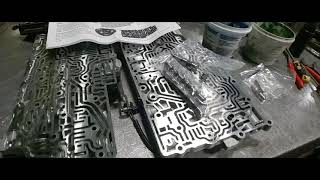
Typical fix: The valve body must be removed, disassembled, and cleaned. The separator plate is often replaced with an updated part. This is an intensive labor job. 🎬 Watch: How to disassemble and clean the 6L80 valve body.
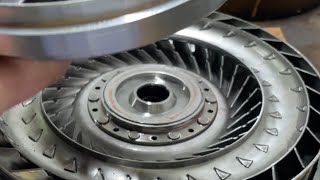
Est. part cost: $50-$200 for a plate, plus fluid and gaskets. - Failed Torque Converter 🔴 High Probability The lock-up clutch within the 6L80 torque converter is a known major failure point. 🎬 See a mechanic explain these common torque converter issues. It wears out and sheds its friction material, causing a shudder and sending metal debris throughout the entire transmission, which leads to clogged components and subsequent gear ratio codes like P0732.
How to confirm: A key symptom is a noticeable shudder during light acceleration or when the torque converter clutch tries to engage. A professional scan tool can monitor TCC slip RPM. Finding significant metallic debris ('glitter') in the transmission pan is a strong confirmation.
Typical fix: Replacement of the torque converter and a complete transmission flush or rebuild to remove all debris. Simply replacing the converter without cleaning the rest of the system will lead to repeat failure.
Est. part cost: $400-$800 for the converter, plus extensive labor. - Failed Shift Solenoid / TEHCM 🟡 Medium Probability In the 6L80, the solenoids are integrated into the Transmission Electro-Hydraulic Control Module (TEHCM), which lives inside the transmission. These solenoids can fail electrically or become clogged with debris, preventing proper gear changes.
How to confirm: A professional scan tool can command the solenoid on and off to test its function and check for solenoid-specific fault codes. Resistance can also be checked with a multimeter once the transmission pan and valve body are removed.
Typical fix: Drop the transmission pan and valve body to replace the entire TEHCM unit. The new TEHCM must be programmed to the vehicle.
Est. part cost: $500-$800 for the TEHCM, plus programming costs. - Worn/Cracked Internal Components (Clutch Packs, Pistons) 🟡 Medium Probability High mileage or stress from towing can cause wear. Specifically, the 1-2-3-4 clutch apply piston is known to crack, causing a loss of hydraulic pressure. A forum user with P0732 and P0733 on a 2011 Silverado found the root cause to be a cracked 1-2-3-4 / 3-5-R clutch housing, which required a full rebuild.
How to confirm: This is typically a diagnosis of exclusion after all other possibilities are ruled out. It requires transmission disassembly to visually inspect the clutch packs, pistons, and clutch housing for cracks or wear.
Typical fix: A complete transmission rebuild to replace the worn or broken hard parts, clutches, steels, and seals. Often, a remanufactured transmission is a more practical solution.
Est. part cost: $2000-$4500+
Rare But Worth Checking
- Faulty Transmission Control Module (TCM): In the 6L80 transmission, the TCM is integrated with the valve body and solenoids into a single unit called the TEHCM (Transmission Electro-Hydraulic Control Module). While less common for the computer logic itself to fail, failure of this entire unit can cause various shifting codes, including P0732. Replacement requires programming.
- Damaged Wiring or Connectors: An open or short in the wiring harness to the transmission can cause communication errors or solenoid circuit faults. TSB 22-NA-187 notes that water intrusion at the transfer case actuator connector can cause corrosion and various transmission issues. Check the main transmission harness connector for pushed-out pins or corrosion.
Diagnosis Steps
- Check and verify the transmission fluid level and condition. The fluid must be at the correct level at an operating temperature of 86-122°F. Note any dark color, burnt smell, or metallic 'glitter' in the fluid.
- Use an OBD-II scanner to check for any other transmission-related codes, especially P0700, P0741, or other ratio codes.
- With a professional scan tool, monitor live data for the input and output speed sensors, commanded gear, and TCC slip RPM while driving to confirm the slippage in 2nd gear.
- Perform a transmission pressure test to check for adequate hydraulic pressure in the 2nd gear circuit.
- If fluid is dirty or pressure is low, drop the transmission oil pan. Inspect the pan magnet for excessive metal debris. A pan full of glittery fluid points to torque converter or other major internal failure.
- Inspect the valve body and separator plate for clogged orifices or stuck valves, as indicated by GM TSBs #PIP5100A and #PIP4379K.
- Test the shift sole
Parts You'll Likely Need
- Transmission Fluid and Filter Kit
(OEM #24256064 (Filter Kit), 10-9243 / 19352619 (DEXRON-VI Fluid))— This is the first step in diagnosis and is required for any repair that involves opening the transmission pan.
Trusted brands: ACDelco
OEM price range: $80-$120
Aftermarket price range: $50-$90 - Transmission Valve Body Separator Plate
(OEM #24245720 (Pre-2012, 7 check balls) or 24275871 (2012+, 8 check balls))— A known failure point according to GM TSBs. Debris can block passages, causing pressure loss. The plate is often updated during repairs.
Trusted brands: ACDelco
OEM price range: $70-$150
Aftermarket price range: $40-$80 - Transmission Electro-Hydraulic Control Module (TEHCM)
(OEM #24256861 (Verify by VIN))— This unit contains the TCM and all shift solenoids. If a solenoid fails or the unit is damaged by debris, the entire module often needs to be replaced and programmed.
Trusted brands: ACDelco
OEM price range: $500-$800 - Torque Converter
(OEM #24264420 (Verify by VIN))— A very common root cause of P0732. The internal clutch fails, contaminating the entire transmission with debris.
Trusted brands: ACDelco, Transtar
OEM price range: $400-$800
Aftermarket price range: $250-$500
Related Codes That Often Appear With This One
- P0700 — P0700 is a general transmission fault code indicating that the TCM has requested the Check Engine Light to be turned on. It almost always accompanies more specific transmission codes like P0732.
- P0731, P0733, P0734, P0735 — These are incorrect gear ratio codes for 1st, 3rd, 4th, and 5th gears, respectively. Seeing multiple ratio codes together points towards a widespread problem like a failing torque converter, low fluid, a clogged filter, or a major mechanical/hydraulic failure affecting a shared component like the 1-2-3-4 clutch pack.
- P0894 — This code means 'Transmission Component Slipping.' It is a more general slip code that often appears with specific gear ratio codes like P0732 when the slip is significant.
- P0741 — This code for 'Torque Converter Clutch Circuit Performance or Stuck Off' is a major red flag. It strongly suggests the torque converter is failing and is the source of the contamination causing the P0732 code.
Technical Service Bulletins (TSBs) & Recalls
- PIP5100A: Addresses no-move conditions and various gear ratio codes (including P0732) caused by debris blocking valve body separator plate orifices.
- PIP4379K: Lists a wide range of transmission codes, including P0732, that can result from low fluid pressure or other hydraulic issues, and advises checking fluid level first.
- 22-NA-187: Points to potential water intrusion at the transfer case actuator connector causing corrosion and electrical issues that can affect transmission operation.
Platform-Specific Known Issues
- Torque Converter Debris Contamination: The most common major failure sequence for the 6L80 in these trucks starts with the torque converter lockup clutch failing. This sheds metallic debris throughout the transmission, which then clogs the filter, valve body separator plate, and solenoids, ultimately causing the P0732 gear ratio error.
- Cracked 1-2-3-4 Clutch Apply Piston/Housing: A known mechanical weak point in the 6L80 is the piston or housing for the 1-2-3-4 clutch pack. A crack in this component causes a significant hydraulic pressure loss specifically affecting the first few gears, leading directly to codes like P0731 and P0732. This requires a full transmission teardown to fix.
Mechanic-Grade Diagnostic Values
- Shift Solenoid (On/Off Type) Resistance — expected: 20 - 40 Ohms. Failure: A reading of 0 ohms (short) or infinite/OL (open) indicates a faulty solenoid coil within the TEHCM.
- Pressure Control Solenoid (PCS) & TCC Solenoid Resistance — expected: 3.0 - 8.0 Ohms. Failure: A reading outside this range indicates a faulty PWM solenoid coil within the TEHCM.
Scan Tool Commands That Help
- GM GDS2 (Global Diagnostic System 2): Solenoid Valve Test / Output Controls — After confirming the P0732 code, a technician can use this function to individually command each shift and pressure control solenoid on and off while the vehicle is stationary. This helps determine if a specific solenoid in the TEHCM is electrically unresponsive or mechanically stuck, isolating the fault to the TEHCM itself versus a broader hydraulic or mechanical issue.
- GM GDS2 (Global Diagnostic System 2): Transmission Service Fast Learn — This procedure must be performed after replacing the TEHCM, valve body, or rebuilding the transmission. It allows the TCM to quickly relearn the hydraulic characteristics and clutch fill volumes, ensuring proper shift quality and preventing new codes from setting after a repair.
Wiring & Ground Locations
- G103 — On the front of the passenger side cylinder head.. This is a primary engine-to-chassis ground. A poor connection at G103 can cause erratic voltage and unpredictable behavior from the ECM and TCM (TEHCM), potentially leading to incorrect sensor readings or solenoid commands. While not a direct cause of a slip, it can create confounding electrical issues during diagnosis.
- G104 — On the rear of the driver's side cylinder head.. This is another critical engine ground. A loose or corroded G104 can affect the reference voltage for various sensors, including those used by the transmission. Verifying all major engine grounds are clean and tight is a crucial step in ruling out electrical gremlins.
- X184 (or similar) — The main 16-pin round electrical connector on the passenger side of the transmission case.. This is the sole electrical interface between the vehicle's main wiring harness and the internal TEHCM. Any corrosion from water intrusion, pushed-out pins, or damage to this connector can interrupt power, ground, or CAN bus communication to the TEHCM, causing a host of transmission codes, including P0732.
Real Owner Repair Stories
- SilveradoSierra.com forum user (2011 Chevrolet Silverado 1500 w/ 6L80) — P0732 and P0733 (Gear 2 and 3 incorrect ratio), harsh shifting, especially when cold.
❌ Tried (didn't work) Replacing the TEHCM (Transmission Electro-Hydraulic Control Module) and programming it, Performing a complete transmission fluid flush
✅ What actually fixed it A complete transmission rebuild was required. The root cause was discovered during disassembly to be a cracked 1-2-3-4 / 3-5-R clutch housing, a known failure point that causes a major hydraulic pressure loss.
OEM Part Supersession History
Various older plates→ACDelco 24245720 or 24272467— The original valve body separator plates were prone to wear, with check balls embedding themselves into the plate, causing cross-leaks and pressure loss. Updated plates are typically thicker and more durable.
Heads up: Using an updated separator plate like 24245720 on an early 6L80 may require a corresponding update to the clutch select valve springs in the valve body to prevent setting other codes. Always verify compatibility by VIN and service information before swapping.
Helpful Videos
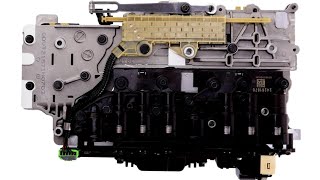
Used OEM Parts in Stock


New Aftermarket Parts Available
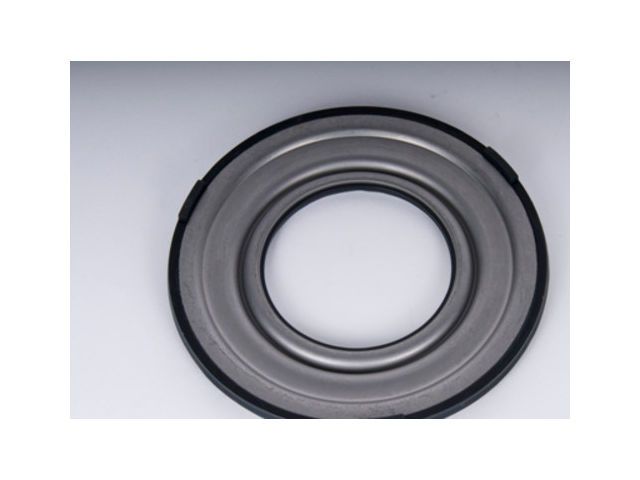
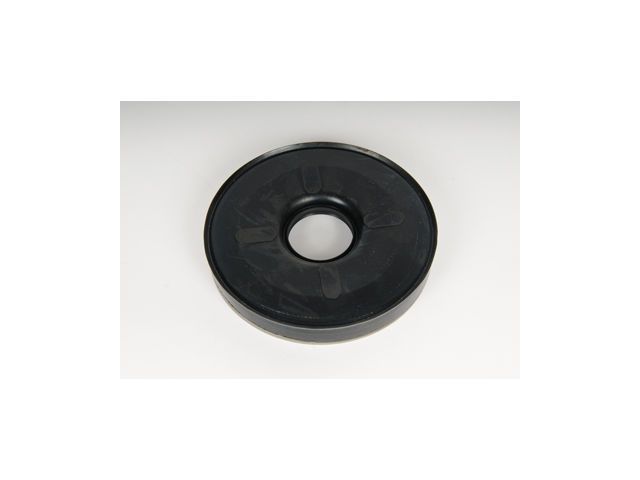

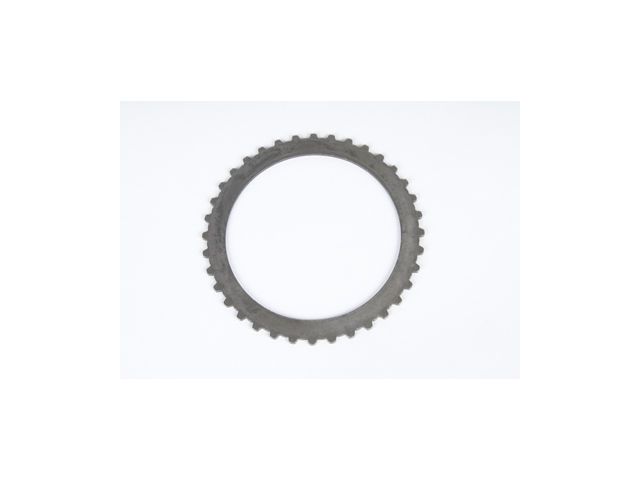

The information in this article is provided for general reference and educational purposes only. Vehicle specifications, procedures, and part compatibility can vary by production date, trim level, and region. Always consult your vehicle's factory service manual and verify part numbers before purchasing or performing repairs. Safety-critical components such as airbags, seat belts, and braking systems should be installed by a qualified professional.
- Chevrolet SILVERADO:
- 🎬 Helpful Videos
- 🛍️ Shop This Part
- What's Unique About the 2011-2013 Chevrolet SILVERADO
- Diagnostic Flowchart
- Symptoms You May Notice
- Most Likely Causes
- Rare But Worth Checking
- Diagnosis Steps
- Parts You'll Likely Need
- Related Codes That Often Appear With This One
- Technical Service Bulletins (TSBs) & Recalls
- Platform-Specific Known Issues
- Mechanic-Grade Diagnostic Values
- Scan Tool Commands That Help
- Wiring & Ground Locations
- Real Owner Repair Stories
- OEM Part Supersession History
- 🎟️ Get 5% Off