

P0730 on 2012 Jeep Grand Cherokee: Incorrect Gear Ratio Causes and Fixes
On a 2012 Grand Cherokee with the W5A580 (NAG1) transmission, code P0730 is very often caused by a known software issue. Before suspecting major transmission failure, check for Technical Service Bulletins (TSBs) #21-033-14 and #21-005-13. These bulletins recommend a Transmission Control Module (TCM) reflash, which frequently resolves the code without any hardware replacement.
- Before authorizing any expensive repairs for a P0730 code on a 2012 Grand Cherokee, insist on checking for and performing the software update outlined in TSB #21-033-14.
- This code is serious and should be addressed immediately to prevent potential transmission damage and ensure safe driving.
- If the software update doesn't fix it, the next most likely causes are a faulty conductor plate (containing speed sensors) or a leaking 13-pin electrical connector, both common issues on the W5A580/NAG1 transmission.
- DIY repairs are limited to fluid checks (if possible) and potentially replacing the conductor plate for advanced DIYers. Most diagnosis and the primary TCM flash fix require a professional shop.
What's Unique About the 2012-2012 Jeep GRAND CHEROKEE
For the 2012 Jeep Grand Cherokee (WK2 generation) equipped with the W5A580 (also known as NAG1) 5-speed automatic transmission, this code is frequently not a sign of catastrophic mechanical failure. Jeep issued multiple Technical Service Bulletins, with TSB #21-033-14 superseding #21-005-13, indicating that the original software in the Transmission Control Module (TCM) was prone to setting a false P0730 code. This update also included general shift quality enhancements. Many owners have reported that a simple software update at the dealership, which can cost between $100 and $250, resolves the issue without any parts being replaced.
Diagnostic Flowchart
Tap your situation to follow the diagnostic path that matches what you're seeing on this vehicle.
Symptoms You May Notice
- Check Engine Light is on
- Transmission slipping or hesitating between gears
- Harsh or jerky shifting
- Vehicle feels sluggish or has poor acceleration
- Transmission gets stuck in one gear (limp mode)
- A burning smell from under the hood
- Decreased fuel economy
- Bump sensation felt during deceleration or braking
- Replacing the entire transmission without first checking for software updates. Given the known TSBs for this exact vehicle and code, a software flash should be one of the first steps.
- Replacing the conductor plate when the actual issue is a simple and cheap leaking 13-pin connector O-ring causing fluid contamination in the electronics.
Most Likely Causes
- Outdated Transmission Control Module (TCM) Software 🔴 High Probability Jeep released two separate TSBs (#21-005-13 and the superseding #21-033-14) specifically to address an erroneous P0730 code with a software update for 2012 models with the W5A580 transmission.
How to confirm: A Jeep dealer or a well-equipped independent shop can check the current software version on your TCM using a wiTECH scan tool and see if the update from TSB #21-033-14 is applicable. The TSB requires the wiTECH software to be at version 15.02 or higher.
Typical fix: Reprogramming (flashing) the TCM with the latest manufacturer software. The estimated cost for this service is typically between $100 and $250.
Est. part cost: $0 - Low or Dirty Transmission Fluid 🟡 Medium Probability The W5A580/NAG1 transmission is sensitive to fluid level and condition. Low fluid can cause pressure drops, leading to slippage and this code.
How to confirm: Check the transmission fluid level and condition. The 2012 Grand Cherokee does not have a dipstick from the factory, so a special tool is required. The fluid should be at the correct level based on temperature, be pinkish-red, and not smell burnt. The correct fluid is Mopar ATF+4.
Typical fix: Top off the fluid or perform a transmission fluid and filter change. A fluid change service can cost between $149 and $183.
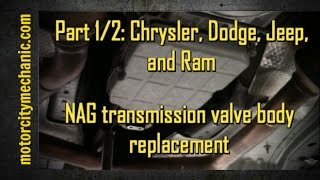
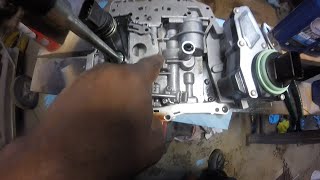
Est. part cost: $50-$150 - Faulty Conductor Plate (Speed Sensors) 🟡 Medium Probability The NAG1 transmission's input and output speed sensors are integrated into the conductor plate, which sits atop the valve body. 🎬 See this walkthrough on servicing the NAG1 transmission valve body. Failure of these sensors is a very common issue that directly causes a P0730 code.
How to confirm: Specific diagnostic codes for input/output speed sensor failure often accompany P0730. A technician can monitor sensor data with a scan tool to look for erratic readings or dropouts. A visual inspection may show damage to the plate.
Typical fix: Drop the transmission pan and valve body to replace the conductor plate. This is a messy but manageable DIY for experienced individuals. Many owners have successfully performed this repair to solve the P0730 code.
Est. part cost: $150-$300 - Leaking 13-pin Electrical Connector ⚪ Low Probability The O-rings on the 13-pin electrical connector sleeve for the NAG1 transmission are a known failure point. Transmission fluid can wick up the wiring harness into the TCM, causing erratic behavior and codes like P0730.
How to confirm: Visually inspect the round 13-pin connector on the transmission case (passenger side, near the front). If it is wet with transmission fluid, the O-rings have failed.
Typical fix: Replace the electrical connector sleeve, which is an inexpensive part. This should be done anytime the conductor plate is replaced.
Est. part cost: $15-$40
Rare But Worth Checking
- Internal Mechanical Failure: This is the worst-case scenario. It could involve worn clutch packs, a failing oil pump, or other internal damage. This is usually accompanied by significant noise, metal shavings in the transmission fluid, and severe drivability problems.
- Failing Torque Converter: If the torque converter clutch is slipping or failing to lock up correctly, it can cause an incorrect ratio reading. This often comes with a shuddering sensation at highway speeds.
- Faulty Valve Body or Shift Solenoids: A stuck or failing shift solenoid can prevent a gear from engaging properly, leading to a ratio mismatch. Sometimes the entire valve body may be at fault due to internal blockages or wear.
Diagnosis Steps
- Check the transmission fluid level and condition using the appropriate dipstick tool. If it's low, dirty, or smells burnt, address this first.
- Use an OBD-II scanner to check for any other transmission-related codes, especially specific gear ratio codes (P0731-P0735) or speed sensor codes (P0715).
- Crucially, check with a dealer or use a service like AllData to see if TSB #21-033-14 applies to your vehicle's VIN. This TSB supersedes TSB #21-005-13.
- If a TSB is applicable, have the TCM reprogrammed. This is the most likely and cost-effective fix.
- Inspect the 13-pin electrical connector on the transmission for any signs of fluid leakage. If wet, replace the connector sleeve and clean the harness.
- If the code returns after the reflash, proceed with more advanced diagnostics. Use a scan tool to monitor the input and output speed sensor data in real-time to check for dropouts or erratic signals, which would point to a faulty conductor plate. 🎬 Watch: A professional guide to diagnosing incorrect gear ratio codes.
- If speed sensors appear to be working, test the function of the shift solenoids and their circuits.
- If all else fails, a transmission pressure test may be needed to check for internal hydraulic leaks or a failing pump, pointing towards internal mechanical issues.
Parts You'll Likely Need
- Transmission Conductor Plate
(OEM #52108308AC)— This plate contains the transmission speed sensors. If one of the sensors fails, it can trigger a P0730 code. This is a known high-failure item on the NAG1 transmission.
Trusted brands: Mopar, Bosch, JDMSPEED
OEM price range: $200-$300
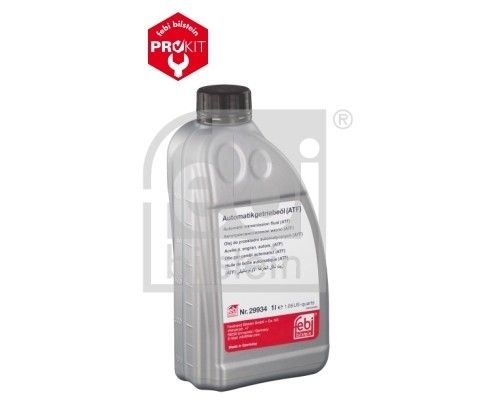
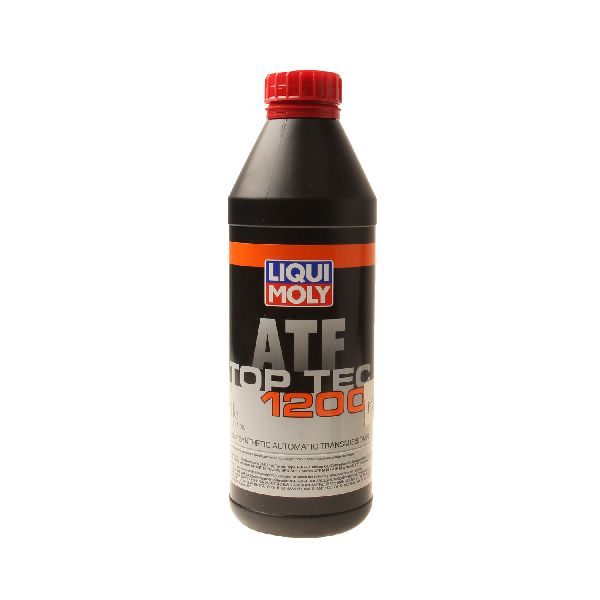
Aftermarket price range: $100-$200 - Transmission Fluid and Filter Kit — The first step in addressing any transmission code is to ensure the fluid is clean and at the proper level. A service is required when replacing the conductor plate. Use Mopar ATF+4 or equivalent.
Trusted brands: Mopar, ATP, Wix
OEM price range: $80-$120
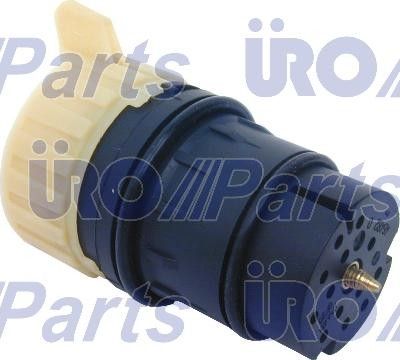
Aftermarket price range: $50-$90 - Transmission Electrical Connector Sleeve
(OEM #68021352AA)— The O-rings on this connector frequently leak, allowing fluid to contaminate the electrical connection and potentially travel up the harness to the TCM. It's a cheap part and should be replaced whenever the pan is dropped.
Trusted brands: Mopar
OEM price range: $15-$25
Aftermarket price range: $10-$20
Related Codes That Often Appear With This One
- P0731-P0735 — These codes specify an incorrect ratio in a particular gear (e.g., P0731 for 1st gear). P0730 is a general code, while these are more specific, and they often appear together.
- P0715 — This code indicates a fault with the Input/Turbine Speed Sensor circuit, which is a key sensor used to calculate the gear ratio. A fault here directly leads to a P0730.
- P0700 — This is a general transmission fault code stored in the ECM, indicating that the TCM has stored a more specific code (like P0730). It essentially tells the system to turn on the Check Engine Light for a transmission issue.
Technical Service Bulletins (TSBs) & Recalls
- 21-033-14: FLASH: MIL Illumination For P0730 And Transmission Shift Enhancements (Supersedes 21-005-13)
- 21-005-13: FLASH: MIL Illumination For P0730 - Incorrect Gear Ratio
Platform-Specific Known Issues
- The most significant issue for the 2012 Grand Cherokee is the software glitch in the Transmission Control Module (TCM). Jeep issued TSB #21-005-13 for "FLASH: MIL Il
Mechanic-Grade Diagnostic Values
- NAG1 Solenoid Resistance (from TCM connector, pin 38 is common) — expected: Line Pressure Solenoid (pins 38 & 36): ~5.5 Ohms; 2-3 Shift Solenoid (pins 38 & 16): ~4.5 Ohms; 3-4 Shift Solenoid (pins 38 & 15): ~4.5 Ohms; Lock-up Clutch Solenoid (pins 38 & 17): ~2.7 Ohms; 1-2/4-5 Shift Solenoid (pins 38 & 14): ~4.5 Ohms. Failure: Readings significantly outside these ballpark figures, or an open/short circuit, indicate a faulty solenoid or wiring.
- NAG1 Transmission Fluid Level (using service dipstick) — expected: At 176°F (80°C), the fluid level should be between 87-97 mm on the dipstick tool. At 68°F (20°C), it should be 46-56 mm. Level is highly dependent on temperature.. Failure: A level below the specified range for a given temperature can cause hydraulic pressure loss and slippage. An overfilled level can cause aeration and overheating.
Hidden / Shadow Codes Worth Checking
- 0717 / 0718 (Y3/8n1): These are Mercedes-specific codes for a defective or unavailable signal from the Turbine Speed Sensor (Input Speed Sensor). A failing sensor on the conductor plate will often log one of these codes in the TCM before or alongside a P0730. (see via A professional scan tool capable of reading manufacturer-specific transmission codes, such as a wiTECH or high-end Autel/Snap-on scanner.)
- 2201 (Y3/8n2) / 0721 / 0722 (Y3/8n3): These are Mercedes-specific codes for the Internal Speed Sensor or Output Speed Sensor. A fault in these sensors, which are also part of the conductor plate, directly prevents the TCM from correctly calculating the gear ratio. (see via A professional scan tool capable of reading manufacturer-specific transmission codes, such as a wiTECH or high-end Autel/Snap-on scanner.)
Scan Tool Commands That Help
- wiTECH or equivalent (JScan, Autel): Reset Learned Adaptives (NAG1) / Quick Learn — This function should be performed after replacing the transmission, valve body, conductor plate, or TCM. It resets the transmission's shift adaptation values to the factory baseline, allowing it to re-learn shift pressures and timing. It can sometimes resolve harsh shifting issues on its own.
- wiTECH or equivalent (JScan, Autel): Store Learned Adaptives — After performing the drive-cycle portion of the adaptation procedure, this command can be used to manually force the TCM to save the new values immediately, rather than waiting for the automatic 10-minute interval.
Wiring & Ground Locations
- Transmission Control Module (TCM) — Inside the vehicle, under the center console, mounted on the transmission tunnel. Access requires removing side panels from the driver and passenger footwells.. The TCM is the computer that sets the P0730 code. Its software is a primary cause, and its connections are critical for diagnosis.
- G912 — Located on the left side of the dash.. This is a primary interior ground point. A poor ground connection for the TCM, which is located nearby inside the cabin, can cause erratic behavior and false codes like P0730.
- 13-Pin Connector — On the passenger side of the transmission case, near the front. It's a round connector where the main vehicle harness plugs into the transmission's internal electronics (conductor plate).. This connector's O-rings are a common leak point. Fluid wicking into the pins disrupts communication between the TCM and the transmission's sensors and solenoids, directly causing ratio calculation errors.
- TCM Fuses — In the under-hood fuse box (Totally Integrated Power Module). Relevant fuses include J11, J18, M33, 32, 60, 72, and 94, depending on the specific build date within the model year.. Loss of power to the TCM from a blown fuse will cause a total loss of transmission control and multiple codes, including P0730.
Real Owner Repair Stories
- Reddit user in r/GrandCherokee (2007 Jeep Grand Cherokee WK CRD (WK uses the same NAG1/W5A580 family transmission)) — P0730 code, transmission pops out of gear randomly, typically at speeds greater than 55mph.
❌ Tried (didn't work) Initial diagnosis was uncertain, owner was hoping to avoid a full transmission swap.
✅ What actually fixed it The problem was solved by replacing the speed sensors, which are located on the conductor plate behind the valve body. - YouTube user 'e n' (2012 Chrysler 300C with 5.7L V8 and 5-speed NAG1/W5A580 transmission) — P0730 incorrect gear ratio code, transmission would not shift past 3rd gear (limp mode).
❌ Tried (didn't work) Took the car to a dealership, who diagnosed it as a bad transmission requiring replacement., Checked transmission fluid pan, found only normal wear., Checked transmission fuses and relay, all were good.
✅ What actually fixed it The actual cause was a faulty rear ABS wheel speed sensor. The TCM was receiving no signal from the rear wheel speed sensor and was putting the transmission into limp mode as a result. The transmission itself was fine.
When the Usual Fixes Don't Work
- While the most common fixes for P0730 on this vehicle are a TCM software update or replacing the conductor plate, there are documented cases where the root cause was entirely outside the transmission. In one instance with the same W5A580 transmission, a dealership diagnosed a bad transmission, but the owner discovered the true cause was a faulty rear ABS wheel speed sensor. The TCM uses wheel speed data as a plausibility check against its own output speed sensor; when the ABS sensor signal was lost, the TCM incorrectly flagged a gear ratio error and forced the transmission into limp mode. Replacing the ABS sensor resolved the P0730 code completely.
OEM Part Supersession History
52108308AB→52108308AC— Revision and improvement of the conductor plate assembly.Multiple (5166827aa, 5189122aa, 52108322ab, etc.)→68021352AA— Consolidation and update of the 13-pin connector sleeve part number.
Heads up: Part 68021352AA is the current correct replacement for a wide range of older part numbers for the NAG1 transmission.
Helpful Videos

We Have This Part in Stock


The information in this article is provided for general reference and educational purposes only. Vehicle specifications, procedures, and part compatibility can vary by production date, trim level, and region. Always consult your vehicle's factory service manual and verify part numbers before purchasing or performing repairs. Safety-critical components such as airbags, seat belts, and braking systems should be installed by a qualified professional.
- Jeep GRAND CHEROKEE:
- 🎬 Helpful Videos
- 🛍️ Shop This Part
- What's Unique About the 2012-2012 Jeep GRAND CHEROKEE
- Diagnostic Flowchart
- Symptoms You May Notice
- Most Likely Causes
- Rare But Worth Checking
- Diagnosis Steps
- Parts You'll Likely Need
- Related Codes That Often Appear With This One
- Technical Service Bulletins (TSBs) & Recalls
- Platform-Specific Known Issues
- Mechanic-Grade Diagnostic Values
- Hidden / Shadow Codes Worth Checking
- Scan Tool Commands That Help
- Wiring & Ground Locations
- Real Owner Repair Stories
- When the Usual Fixes Don't Work
- OEM Part Supersession History
- 🎟️ Get 5% Off