

P0700 on 2010-2012 Subaru Outback: Transmission Fault Causes and Fixes
P0700 on a 2010-2012 Subaru Outback is a general alert from the transmission. It almost always means the CVT valve body has failed, a very common issue for this generation. Expect a repair cost of $1,500-$2,500 at a shop, as this is not a simple DIY job. Check if your vehicle is covered under Subaru's extended CVT warranty (10 years/100,000 miles).
- P0700 is a general code; you MUST use a scanner that can read transmission codes to find the real problem (likely P2764).
- The most common cause by far is a failed CVT valve body, a known issue on this generation of Outback.
- Before paying for any repairs, contact a Subaru dealer with your VIN to check for coverage under the extended CVT warranty (10 years/100,000 miles).
- This is not a DIY-friendly repair. It requires special tools, fluids, and computer procedures.
- Always use a new OEM valve body and the correct Subaru CVT fluid for a lasting repair.
What's Unique About the 2010-2012 Subaru Outback
The 2010-2012 Outback was one of the first models to feature Subaru's Lineartronic TR580 CVT, which became known for specific issues. The most prevalent problem triggering a P0700 code is the failure of the torque converter lock-up solenoid, which is integrated into the CVT's valve body. Due to widespread issues, Subaru extended the CVT warranty for many 2010-2015 models, including the Outback, to 10 years or 100,000 miles, whichever comes first. This specific, well-documented failure point makes diagnosis more straightforward than on other vehicles where P0700 could have dozens of possible causes.
Symptoms You May Notice
- Check Engine Light is on
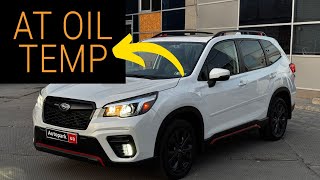
- Flashing 'AT OIL TEMP' light on the dashboard
- Cruise control is disabled
- Vehicle may hesitate, shudder, or jerk, especially at low speeds or when accelerating from a stop
- Engine RPMs may rise without a corresponding increase in vehicle speed
- Vehicle may stall when coming to a stop, sometimes feeling like a manual car stalling.
- A sensation of being 'bumped' from behind while stopped.
- Clearing the P0700 code without reading the underlying TCM codes. The P0700 is only an indicator; the real fault code (e.g., P2764) is stored in the TCM and must be diagnosed.
- Replacing the entire transmission. For the most common solenoid-related faults, only the valve body needs to be replaced, which is significantly less expensive than a full transmission swap.
- Using an aftermarket or used valve body. Many owner and technician accounts report that non-OEM or remanufactured valve bodies often fail prematurely or have compatibility issues (e.g., variations in worm tracks). A new OEM part is strongly recommended for this repair.
Most Likely Causes
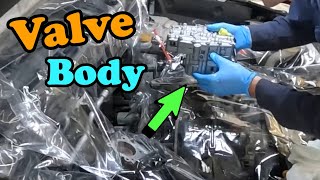
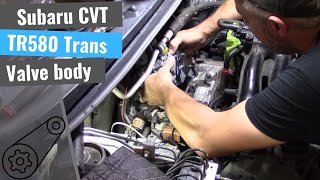
- Faulty CVT Valve Body / Lock-Up Solenoid 🔴 High Probability This is a well-documented, widespread failure point on the first-generation TR580 CVT used in these Outbacks. The torque converter clutch pressure control (or lock-up) solenoid fails, but Subaru does not sell the solenoid individually, requiring replacement of the entire valve body assembly.
How to confirm: Use an advanced scan tool to read the TCM codes. Look for secondary codes like P2762, P2763, or P2764, which directly indicate a fault in the torque converter clutch pressure control solenoid circuit. A definitive test is to measure the solenoid's resistance at the transmission connector; a reading below 10 ohms confirms failure.
Typical fix: Replace the entire CVT valve body assembly with a new OEM part. This must be followed by a specific CVT fluid fill and a computer-driven 're-learn' procedure.
Est. part cost: $800-$1200 - Low or Degraded CVT Fluid 🟡 Medium Probability Subaru initially marketed the CVT fluid as 'lifetime,' leading many owners to neglect service. Degraded fluid can cause overheating and erratic pressure, leading to solenoid and valve body faults. Towing or heavy use accelerates this degradation.
How to confirm: Check the fluid level and condition. This vehicle does not have a dipstick, so it must be checked via a specific procedure on a lift while monitoring fluid temperature. Dark, burnt-smelling fluid indicates a problem.
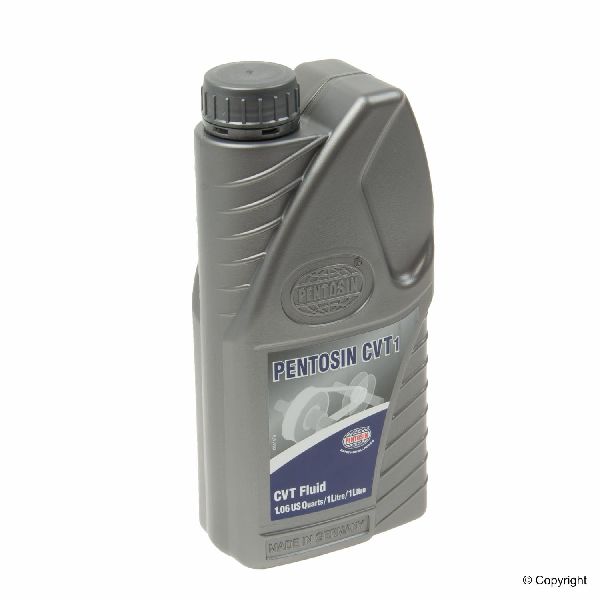
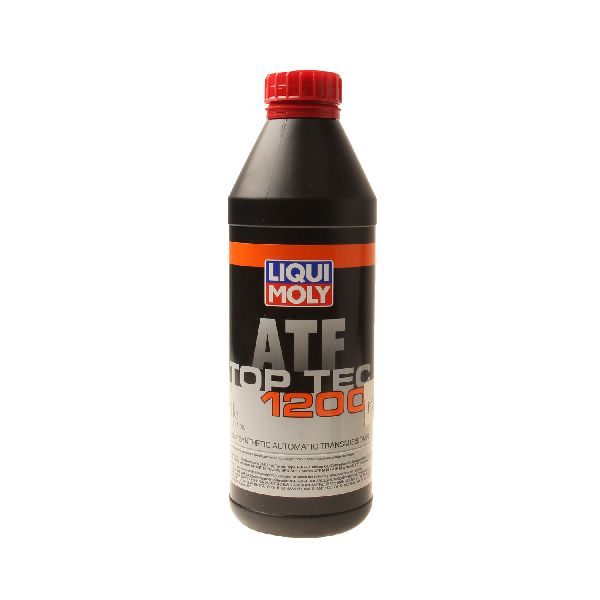
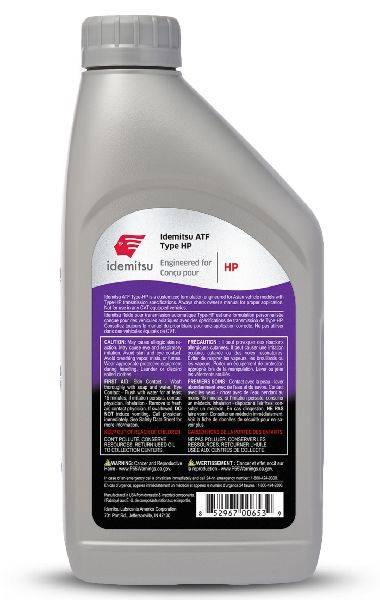
Typical fix: Perform a CVT fluid drain and fill using the correct Subaru High-Torque CVTF (Part No. SOA427V1660). If the fluid is very degraded, a full flush may be needed, but this can sometimes cause issues on high-mileage transmissions.
Est. part cost: $100-$250 - Damaged Wiring or Connectors ⚪ Low Probability The main harness connectors to the transmission are located on top of the CVT case and can be susceptible to moisture or damage over time. The internal harness, submerged in hot fluid, can also degrade.
How to confirm: Visually inspect the main transmission wiring harness and the connectors on top of the CVT for corrosion, damage, or loose connections. Test for continuity with a multimeter if damage is suspected. Internal harness inspection requires dropping the transmission pan.
Typical fix: Repair the damaged section of wiring or replace the faulty connector. Clean any corrosion with electrical contact cleaner and apply dielectric grease.
Est. part cost: $20-$100
Rare But Worth Checking
- Faulty Transmission Control Module (TCM): While rare, a complete failure of the TCM can trigger a P0700. This is usually considered only after all other possibilities, like the valve body and wiring, have been ruled out.
- Failed Torque Converter: TSB 16-90-13R describes an issue where internal thrust washer wear in the torque converter can cause stalling when stopping. This can accompany valve body failure but is a distinct mechanical problem.
Diagnosis Steps
- Connect an advanced OBD-II scanner capable of reading transmission codes to the vehicle.
- Confirm the presence of P0700 in the Engine Control Module (ECM).
- Access the Transmission Control Module (TCM) and retrieve all stored fault codes. The 'real' code will be here (e.g., P2764, P2762).
- If a solenoid circuit code (P2762, P2764, etc.) is present, the valve body is the confirmed culprit.
- If no solenoid codes are present, check the CVT fluid level and condition. This requires lifting the vehicle and following a specific temperature-based procedure as there is no dipstick.
- Inspect the transmission wiring harness and connectors for any visible damage, corrosion, or loose pins.
- Check with a Subaru dealer using your VIN to see if the vehicle is still eligible for repair under the extended CVT warranty (10 years/100,000 miles).
- If the valve body is confirmed as the cause and not under warranty, replace it with a new OEM part.
- After replacement, perform the correct CVT fluid fill and the mandatory 're-learn' procedure using a compatible scan tool.
Parts You'll Likely Need
- CVT Valve Body Assembly
(OEM #31825AA052 (supersedes 31825AA050, 31825AA051))— This assembly contains the torque converter lock-up solenoid, which is the most common failure point triggering P0700 on this platform. Subaru requires replacing the entire assembly.
Trusted brands: Subaru (OEM)
OEM price range: $800-$1200
Aftermarket price range: $250-$500 (Not Recommended) - Subaru High-Torque CVT Fluid
(OEM #SOA427V1660 (CVTF-II, Green))— The correct fluid is required when replacing the valve body or servicing the transmission. Using incorrect fluid can cause damage. A typical drain and fill requires 6-8 quarts.
Trusted brands: Subaru (OEM)
OEM price range: $20-$30 per quart
Aftermarket price range: N/A
Related Codes That Often Appear With This One
- P2764 — This code for 'Torque Converter Clutch Pressure Control Solenoid Control Circuit Low' is the most common specific fault that triggers P0700 on this vehicle, pointing directly to the valve body issue.
- P2762 — Similar to P2764, this code for 'Torque Converter Clutch Pressure Control Solenoid Control Circuit Range/Performance' also indicates a fault within the valve body's solenoid assembly.
Technical Service Bulletins (TSBs) & Recalls
- 16-107-17R: Announcing the CVT warranty extension to 10 years/100,000 miles for 2010-2015 Legacy/Outback and other models. It provides details on eligibility and claim procedures.
- 16-90-13R: Details a countermeasure torque converter to address stalling when coming to a stop. 🎬 See why your Subaru stalls at stops and how to fix it. This is caused by thrust washer wear inside the converter restricting oil flow. The fix involves a new torque converter with a needle bearing design instead of a solid bushing.
Platform-Specific Known Issues
- Subaru extended the CVT warranty for many 2010-2015 models to 10 years or 100,000 miles due to the high rate of valve body and other CVT failures. Owners should check with a Subaru dealer to see if their specific VIN is covered, even if they are outside the original warranty period. The warranty extension follows the vehicle, not the owner.
Mechanic-Grade Diagnostic Values
- Torque Converter Lock-up Solenoid Resistance — expected: 10 - 13.5 Ohms at 68°F (20°C).. Failure: A reading significantly lower than 10 Ohms (often 2-8 Ohms) indicates an internal short and confirms solenoid failure. A very high or open-circuit reading also indicates failure.
Scan Tool Commands That Help
- Subaru Select Monitor (SSM) or compatible high-level aftermarket scanner (e.g., Autel, XTool): AT Learning Mode / Clear AT Learning Value — This function is mandatory after replacing the CVT valve body or the entire transmission. It clears the old adaptive learning values and initiates a guided procedure to allow the TCM to learn the operating parameters of the new components. Failure to perform this relearn can result in poor shift quality, hesitation, or continued issues even with new parts.
Wiring & Ground Locations
- B11 Transmission Connector — On top of the CVT case, under a protective cover. It is a gray electrical connector.. This is the primary access point for testing the resistance of the internal transmission solenoids, including the torque converter lock-up solenoid, without removing the transmission pan or valve body. Probing pin #3 (typically a red and white wire) to ground is the standard diagnostic step for code P2764.
- Valve Body Solenoid Ground — The solenoids inside the valve body are grounded internally to the transmission case.. Because the ground is internal, a resistance test from the connector pin to any good chassis ground is valid. If multiple solenoids test out of spec, it could point to a broader internal issue, but typically only the lock-up solenoid fails electrically.
Real Owner Repair Stories
- Reddit user 'identifiedhumant' on r/subaru (2012 Subaru Impreza (uses same TR580 CVT)) — Dashboard lit up with codes P0700 and P2764.
❌ Tried (didn't work) Replacing only the individual lock-up solenoid with an aftermarket part.
✅ What actually fixed it The aftermarket solenoid failed after only one week. The user then decided to purchase and install a complete new OEM valve body assembly to resolve the issue permanently. - Reddit user 'SuperSirLink' on r/SubaruForester (Subaru with TR580 CVT, 185,000 miles) — Initially P0700 and P2764. After a repair attempt, only P0700 would return after the car sat for a while.
❌ Tried (didn't work) Replacing only the suspect solenoid (which ironically tested within spec)., Cleaning the main CVT electrical connectors and applying dielectric grease., Performing a CVT fluid and filter service.
✅ What actually fixed it The user ultimately had to replace the entire valve body with a new one from Subaru, suspecting that the replacement solenoid or another solenoid on the original valve body had failed.
OEM Part Supersession History
31825AA050, 31825AA051, 31825AA052, 31825AA053, 31825AA054→31825AA055— Subaru has released multiple revisions of the valve body to improve reliability and address the common solenoid failure.
Heads up: While older part numbers may physically fit, it is critical to use the latest available OEM part number (currently 31825AA055) to benefit from all design improvements. Some aftermarket listings show visual differences between revisions, reinforcing the need to stick with a new OEM part.
Model Year Variations Within This Range
- 2010-2012: The 2.5L 4-cylinder engine (EJ253) in the 2010-2012 Outback uses a timing belt that requires replacement at 105,000 miles. This is unrelated to the P0700 code but is a critical maintenance item for this specific year range. The engine was changed to the FB25B with a timing chain for the 2013 model year.
Diagnostic Flowchart
Other Known Issues on This Vehicle
Issues unrelated to this code that are worth knowing about as an owner of this generation:
- Excessive Oil Consumption 🔴 High — Common in 2.5L FB25 engines. Some owners report adding a quart of oil every 1,000-3,000 miles. The issue is often linked to faulty piston rings. (Ref: TSB 02-157-14R was issued, and a class-action lawsuit led to an extended warranty (8 years/100,000 miles) and potential short block replacement for affected vehicles.)
- Premature Headlight Bulb Failure 🟡 Low — Very common for this generation. Owners report low beam bulbs burning out frequently, sometimes every 6-12 months. The plastic housing can also melt. (Ref: Subaru offered an extended warranty for this issue, but not a full recall.)
- Steering Wheel Vibration / 'Shimmy' 🟠 Medium — Many owners report a noticeable steering wheel vibration or 'shimmy' at highway speeds (typically 60-75 mph). Causes can range from simple tire balancing to worn suspension bushings or even dragging brake calipers. (Ref: TSB 05-48-10 was released for 2010-2011 models to address this, involving modifications to steering and suspension components.)
- Leaking Head Gaskets 🟠 Medium — While less common than in prior generations, head gasket leaks can still occur at higher mileage, often signaled by coolant loss or overheating.
- Takata Airbag Recalls 🔴 High — These models were part of the massive Takata airbag recall. The inflators could rupture, sending metal fragments into the cabin. (Ref: Multiple NHTSA recalls were issued. Owners must verify this repair has been completed.)
Used vs. New Parts: Buying Guide for This Vehicle
When a used part is the smart pick: For this specific repair (P0700/P2764), using a used part is strongly discouraged. The failure rate of the original valve bodies is extremely high, and a used part from a donor vehicle is highly likely to have the same defect or fail shortly after installation.
What to inspect on the donor part:
- Not applicable, as used parts are not recommended.
OEM-only on this vehicle (don't cheap out):
- CVT Valve Body Assembly
Brands owners have reported issues with on this vehicle:
- Generic/unbranded individual solenoids (e.g., from eBay/Amazon): Forum and user reports indicate these often fail within weeks or months, leading to a repeat repair.
- Remanufactured/Refurbished Valve Bodies: The quality of these is highly inconsistent. Many are simply cleaned used units with aftermarket solenoids of questionable origin. Unless the rebuilder is a highly reputable transmission specialist with a strong warranty, a new OEM part is the safer and more cost-effective long-term solution.
Real Owner Stories
Aggregated from forums and TSBs cited above. Mileages and costs reflect what owners reported in those sources.
2013 Subaru Outback
Symptoms: Vehicle threw codes P0700 and P2764; owner was debating the cost-benefit of the repair on a higher mileage vehicle.
What fixed it: Valve body replacement.
Source hint: subaruoutback.org thread titled '2013 Subaru Outback p0700 and p2764'
2010-2012 Subaru Outback 2.5L — ~100000 miles
Symptoms: Stalling when coming to a stop, feeling like a manual car stalling.
What fixed it: Installation of a countermeasure torque converter with a needle bearing design.
Source hint: TSB 16-90-13R
2010-2015 Subaru Outback
Symptoms: Check engine light and transmission issues related to the TR580 CVT.
What fixed it: Replacement of the CVT valve body assembly under the 10-year/100,000-mile warranty extension.
Source hint: TSB 16-107-17R
NHTSA ODI #11360419
Symptoms: An owner reported that the check engine light, oil temp, traction control light, and brake light came on. Diagnostics showed P0700 and P2764 error codes.
What fixed it: The report indicated a need for a valve body replacement as referenced in Service Bulletin 16-107-17R.
NHTSA ODI #11428418
Symptoms: Dashboard indicators included a blinking AT Oil Temp light, solid cruise control, solid check engine light, and traction control light.
What fixed it: Codes P0700, P2764, C0057, and C0054 were pulled, and the manufacturer was notified of the issue.
NHTSA ODI #11328518
Symptoms: After driving in hard rain, every light on the dash lit up. The vehicle began shifting hard and randomly stalling.
What fixed it: Diagnostic codes P0700 and P2764 were identified following the incident.
Related OBD-II Codes
Frequently Asked Questions
Is my 2010-2012 Subaru Outback covered by a warranty extension for the P0700 code?
My Outback stalls like a manual car when I come to a stop; is this related to P0700?
Can I just replace the faulty lock-up solenoid instead of the whole valve body?
Why does my 'AT OIL TEMP' light flash alongside the Check Engine Light?
What specific CVT fluid should I use for my 2010-2012 Outback?
Helpful Videos

We Have This Part in Stock

The information in this article is provided for general reference and educational purposes only. Vehicle specifications, procedures, and part compatibility can vary by production date, trim level, and region. Always consult your vehicle's factory service manual and verify part numbers before purchasing or performing repairs. Safety-critical components such as airbags, seat belts, and braking systems should be installed by a qualified professional.
- Subaru Outback:
- 🎬 Helpful Videos
- 🛍️ Shop This Part
- What's Unique About the 2010-2012 Subaru Outback
- Symptoms You May Notice
- Most Likely Causes
- Rare But Worth Checking
- Diagnosis Steps
- Parts You'll Likely Need
- Related Codes That Often Appear With This One
- Technical Service Bulletins (TSBs) & Recalls
- Platform-Specific Known Issues
- Mechanic-Grade Diagnostic Values
- Scan Tool Commands That Help
- Wiring & Ground Locations
- Real Owner Repair Stories
- OEM Part Supersession History
- Model Year Variations Within This Range
- Diagnostic Flowchart
- Other Known Issues on This Vehicle
- Used vs. New Parts: Buying Guide for This Vehicle
- Real Owner Stories
- 2013 Subaru Outback
- 2010-2012 Subaru Outback 2.5L — ~100000 miles
- 2010-2015 Subaru Outback
- NHTSA ODI #11360419
- NHTSA ODI #11428418
- NHTSA ODI #11328518
- Related OBD-II Codes
- Frequently Asked Questions
- 🎟️ Get 5% Off