

OBD-II Code P0674: Cylinder 4 Glow Plug Circuit/Open
The Ultimate 2026 Guide to Diagnosing and Fixing P0674
- P0674 indicates an open electrical circuit specifically on the cylinder #4 glow plug, preventing it from heating the cylinder for cold starts.
- Test before replacing parts by verifying the cylinder #4 glow plug reads between 0.5 and 2.0 Ohms of resistance.
- Replace all glow plugs as a complete set, as they wear evenly and replacing just one guarantees repeat failures on other cylinders soon.
- Never ignore P0674 for more than a few weeks; unburnt fuel will permanently damage the Diesel Particulate Filter (DPF), turning a $200 repair into a $3,000+ replacement.
What Does P0674 Mean?

The P0674 code means the Powertrain Control Module (PCM) detected an electrical fault in the glow plug circuit specifically for cylinder number 4. A glow plug acts as a small heater to warm the engine's cylinder, which is mandatory for a diesel engine to start when cold. This code indicates the circuit is open, shorted, or malfunctioning, preventing the cylinder 4 plug from heating.
Technical definition: The SAE/OBD-II definition is "Cylinder 4 Glow Plug Circuit/Open". The PCM registers a voltage or resistance variation in the cylinder 4 glow plug circuit that falls more than 10% outside the manufacturer's specified range. The Glow Plug Control Module (GPCM) monitors each circuit for abnormal readings (no resistance, incorrect voltage draw, or high amperage) and reports failures to the PCM, triggering P0674.
Can I Drive With P0674?
Yes, But With Caution. You can drive with a P0674 code, but do not exceed a few weeks. Expect hard starting in cold weather, rough idling, and white or gray exhaust smoke until the engine warms up. Continuing to drive with a bad glow plug forces unburnt fuel into the exhaust. Over time, this raw fuel permanently damages the Diesel Particulate Filter (DPF). A clogged DPF costs between $2,000 and $5,000 to replace, turning a minor electrical repair into a major expense.
Common Causes

- Faulty Cylinder 4 Glow Plug (Very Common) — The glow plug burned out or failed due to age and thermal stress. This is the primary cause of a P0674 code.
- Wiring or Connector Issues (Common) — The wiring harness or connector attached to the glow plug is broken, corroded, or loose. Engine vibration and heat cycles make wires brittle over time.
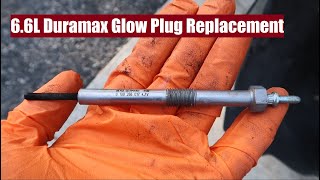
- Faulty Glow Plug Control Module (GPCM) (Common) — The control module operating the glow plugs suffered an internal failure on the specific circuit for cylinder 4. This is highly prevalent on GM Duramax and Ford Power Stroke engines. 🎬 Watch: Diagnosing glow plug codes on a 6.6 Duramax engine.
- Damaged Glow Plug Harness Bus Bar/Rail (Less Common) — Engines like VW TDIs use a shared bus bar to connect wiring to the glow plugs. This bar cracks from heat and vibration, creating an open circuit. 🎬 See how to replace the glow plug harness on a VW.
- Failed Glow Plug Relay or Timer (Less Common) — The main relay supplying high-amperage power to the GPCM failed. A faulty relay sometimes causes an over-voltage condition that burns out the plugs.
- Carbon Buildup on Glow Plug (Less Common) — Excessive carbon deposits from incomplete combustion accumulate on the glow plug tip, insulating it and causing it to overheat and fail.
- Blown Fuse (Rare) — A main fuse for the glow plug system blew, usually pointing to a short circuit in the GPCM or wiring harness.
- Incorrect Glow Plug Installed (Rare) — A previous repair used a glow plug with the wrong resistance or heat specification, causing the GPCM to flag an incorrect electrical signature.
- Faulty Powertrain Control Module (PCM) (Very Rare) — The vehicle's main computer has an internal fault and incorrectly reports a problem. Rule out all other components before replacing the PCM.
Symptoms

- Hard Starting or No Start in Cold Weather — The engine cranks for an extended period before starting, or refuses to start in cold conditions.
- Check Engine Light is On — The PCM logs the fault and illuminates the Malfunction Indicator Lamp (MIL) on the dashboard.
- Rough Idle Immediately After Starting — The engine runs unevenly and shakes for the first 30-60 seconds after a cold start, smoothing out as the cylinder warms up.
- Excessive White or Gray Smoke from Exhaust — A noticeable cloud of white or gray smoke emits from the tailpipe upon startup, caused by unburnt fuel vaporizing in the exhaust.
- Reduced Engine Power and Sluggish Acceleration (When Cold) — The engine feels unresponsive until it reaches full operating temperature.
- Smell of Raw Diesel Fuel — A faint smell of diesel surrounds the vehicle after a cold start due to unburnt fuel exiting the exhaust.
- Glow Plug Indicator Light Stays On or Flashes — The dashboard glow plug indicator behaves abnormally, signaling a system fault.
Diagnostic Flowchart
Tap your situation to follow the diagnostic path that matches what you're seeing on this code.
Common Fixes & Costs
- Replace All Glow Plugs as a Set
— Parts: $80-$200, Labor: $200-$500, ~2.5 hr book time
(DIY)
Ford F-250/F-350 (6.7L Power Stroke, 2012-2019): OEM Motorcraft ZD-18 / BC3Z-12A342-C (Alt: {"brand": "Bosch", "part_number": "80071", "price_comparison": "Slightly less expensive than OEM"})
Chevy/GMC Silverado/Sierra (6.6L Duramax LML, 2011-2016): OEM ACDelco 9G / GM 12639701 (Alt: {"brand": "Bosch", "part_number": "80034", "price_comparison": "Comparable to OEM"})
VW Jetta/Golf (2.0L TDI CJAA, 2009-2014): OEM VW 03L905061M (Alt: {"brand": "Bosch", "part_number": "0250403009", "price_comparison": "Often less expensive than OEM"}) - Replace Cylinder 4 Glow Plug Only — Parts: $20-$50, Labor: $100-$200, ~1.5 hr book time (DIY)
- Repair or Replace Wiring Harness/Connector
— Parts: $50-$150, Labor: $150-$300, ~2 hr book time
(Intermediate)
VW Jetta/Golf (TDI, 2004-2011): OEM 038971782C (Alt: {"brand": "Dorman", "part_number": "904-282", "price_comparison": "Less expensive than OEM"}) - Replace Glow Plug Control Module (GPCM) or Relay
— Parts: $100-$350, Labor: $150-$300, ~1 hr book time
(Intermediate)
Ford F-Series (6.0L/6.4L Power Stroke, 2003-2010): OEM Motorcraft DY876 / YC3Z12B533AA (Alt: {"brand": "Alliant Power", "part_number": "AP63406", "price_comparison": "Often less expensive"})
Chevy/GMC Silverado/Sierra (6.6L Duramax LML, 2013-2016): OEM ACDelco 12650593 / GM 12669684 (Alt: {"brand": "Standard Motor Products", "part_number": "GPCM201", "price_comparison": "Comparable to OEM"}) - Replace Blown Fuse and Diagnose Short — Parts: $1-$10, Labor: $150-$250, ~1.5 hr book time (Beginner)
DIY vs Professional
- Replace Glow Plug(s) — Beginner:
Tools: Deep socket set, torque wrench, flexible magnetic pickup tool, penetrating oil. - Repair or Replace Wiring Harness/Connector — Beginner:
Tools: Wire strippers, crimpers, heat shrink tubing, multimeter, soldering iron. - Replace Glow Plug Control Module (GPCM) or Relay — Beginner:
Tools: Basic socket/wrench set. - Replace Blown Fuse — Beginner:
Tools: Fuse puller or needle-nose pliers.
Used vs. New Parts: Buying Guide
When a used part is worth it: For electronic components like a Glow Plug Control Module (GPCM), a used OEM part from a low-mileage vehicle is a cost-effective alternative to questionable aftermarket parts. Used glow plugs are never recommended.
Donor-vehicle mileage cap: roughly under 60000 miles for the part to have meaningful remaining life.
Donor quality checklist:
- Verify the donor vehicle was not scrapped for electrical or engine-related issues.
- Match the part number exactly, as modules are specific to engine and year ranges.
- Favor OEM brands over aftermarket brands unless there is a known design flaw in the original.
Decision logic:
- If The part is a glow plug → Always buy new. Cost savings are minimal and the risk of premature failure is high.
- If The part is a GPCM and the vehicle is over 100K miles → A used OEM module is a reasonable choice on a tight budget, but a new OEM part offers the best longevity.
- If An aftermarket GPCM is significantly cheaper than used OEM → Check forums for reliability information on that specific brand; aftermarket electronics have high failure rates.
Warranty tradeoff: Used parts from a salvage yard typically have a 30-90 day warranty. New aftermarket parts carry a 1-year to limited lifetime warranty. New OEM parts have a 1-2 year warranty.
Worst-case if a used part fails: 300-600
What Happens If You Wait — Timeline
- 0-1 month: Check Engine Light is on. Above 40-50°F, the only symptom is a slightly rough idle for 30-60 seconds on a cold start. Hard starting begins as temperatures drop. (MPG impact: 0-2%% · Added cost: $0-25 in wasted fuel)
- 1-4 months: Hard starting becomes consistent in cold weather, requiring longer cranking times. This strains the starter and battery. White smoke on startup is noticeable. (MPG impact: 3-5%% · Added cost: $50-150 (wasted fuel + increased battery/starter wear))
- 4-9 months: Unburnt fuel contaminates engine oil and builds up in the Diesel Particulate Filter (DPF). The DPF attempts frequent regenerations, reducing fuel economy. (MPG impact: 5-10%% · Added cost: $200-500 (potential for a forced DPF regeneration))
- 9+ months: The DPF becomes severely clogged, triggering a warning light and limp mode. Unburnt fuel washes oil from cylinder walls, accelerating wear on piston rings. (MPG impact: 10-20%% · Added cost: $2,000-5,000+ (cost of DPF replacement and engine damage))
Cost of Not Fixing It
- 0-1 month: Hard starting in cold weather, rough cold idle, and a 5-10% drop in fuel economy due to inefficient combustion. (Added cost: 50-150)
- 1-6 months: Increased stress on the battery and starter from prolonged cranking. Unburnt fuel contaminates engine oil and clogs the Diesel Particulate Filter (DPF). (Added cost: 200-500)
- 6+ months: Severe clogging of the DPF requires a forced regeneration or complete replacement. Unburnt fuel washes oil from cylinder walls, accelerating engine wear. (Added cost: 2000-10000)
Diagnosis Steps

- Scan for Codes and Review Freeze Frame Data
Use an OBD-II scanner to confirm P0674. Multiple glow plug codes (e.g., P0671, P0672) point to a shared component like the GPCM or a relay. Review freeze frame data to identify engine temperature when the code set.
Tools: OBD-II Scanner (Beginner) - Test the Glow Plug Resistance
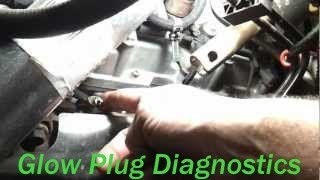
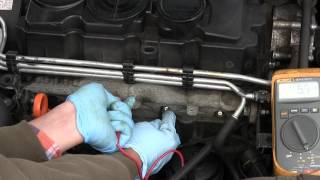
Disconnect the electrical connector from the cylinder 4 glow plug. Set a multimeter to the lowest Ohms (Ω) setting. Place one probe on the plug's terminal and the other on the engine block. A good glow plug reads between 0.5 and 2.0 ohms. An 'OL' reading means the plug is open and faulty. A zero reading indicates a short.
Tools: Multimeter, Socket/Wrench Set (Intermediate) - Visually Inspect the Circuit
Inspect the wiring harness and connector for cylinder 4. Look for burnt wires, corrosion on connector pins, or loose connections. Trace the harness to find areas rubbing against the engine.
Tools: Flashlight, Mirror (Beginner) - Check for Voltage at the Glow Plug Connector
Have a helper turn the ignition to the 'on' position (do not start). Use a multimeter set to DC Volts to check for voltage at the disconnected wire. You should see a pulse of battery voltage (typically 12V) for a few seconds. No voltage indicates a wiring, GPCM, or relay issue.
Tools: Multimeter, Helper (Intermediate) - Perform a Circuit Load Test
Connect a test light or headlight bulb between the glow plug connector's power pin and the battery's negative terminal. Have a helper cycle the ignition. A bright bulb confirms the circuit delivers sufficient current. A dim or unlit bulb indicates high resistance in the wiring.
Tools: Test Light or Headlight Bulb, Jumper Wires (Advanced) - Test the Circuit from the GPCM Connector
Unplug the main connector from the GPCM. Identify the pin for the cylinder 4 glow plug using a wiring diagram. Measure resistance from this pin to the end of the wire at the glow plug. A reading over 1 ohm confirms a break in the wire.
Tools: Multimeter, Vehicle-Specific Wiring Diagram (Advanced) - Inspect Fuses and Relays
Locate the fuse and relay for the glow plug system. Visually inspect the fuse. Swap the relay with an identical non-critical relay (like the horn) to test if it causes the fault.
Tools: Fuse Puller, Owner's Manual (Beginner) - Test the Glow Plug Control Module (GPCM)
Verify the GPCM has proper power and ground connections. If the module has power and ground, and the wiring to the glow plug is intact, but there is no voltage output on the cylinder 4 circuit during key-on, the GPCM is faulty.
Tools: Multimeter, Vehicle-Specific Wiring Diagram (Advanced) - Measure Individual Glow Plug Amperage
Place a DC amp clamp around the cylinder 4 glow plug wire. Turn the key to 'on'. A healthy plug shows an initial draw of 15-25 amps, stabilizing to 6-8 amps. Zero amps confirms an open circuit. A steady 2-5 amps indicates high resistance.
Tools: DC Inductive Amp Clamp, Helper (Advanced) - Analyze Scan Tool Live Data
Use a professional scan tool to access GPCM-specific data. Look for 'Glow Plug Commanded State' and 'Glow Plug Feedback Voltage'. Compare cylinder 4's resistance or current feedback to other cylinders to confirm the fault location.
Tools: Professional Bi-Directional Scan Tool (Advanced)
When This Code Triggers (Freeze-Frame Conditions)
- Engine Coolant Temp: -10°F to 60°F (During a cold start. The GPCM/PCM runs the primary circuit test when the ignition is turned on before starting the engine.)
- RPM: 0 (Key-On, Engine-Off (KOEO). The initial circuit integrity test happens before the engine cranks.)
- Ambient Air Temperature: Below 60°F (The system relies on glow plugs most heavily in cold weather, and the monitor runs under these conditions.)
- Battery Voltage: 11.5V - 13.5V (Sufficient battery voltage is required for the GPCM to accurately test the circuit draw. Low voltage sets false codes.)
Related Codes
- P0670 — Indicates a Glow Plug Control Module Circuit Malfunction. If P0670 appears with P0674, the GPCM is the primary suspect, pointing to an internal module fault rather than a single plug.
- P0671, P0672, P0673, P0675, etc. — Indicate faults in glow plug circuits for other cylinders. Multiple codes together mean an individual glow plug failure is unlikely; suspect a failed GPCM, bad relay, or blown main fuse.
- P0380 — A generic code for Glow Plug/Heater Circuit 'A' Malfunction. If both are present, use P0674 to guide diagnosis specifically to cylinder 4.
- U0106 — Means 'Lost Communication With Glow Plug Control Module'. Indicates a communication problem between the PCM and GPCM. Diagnose the U-code first, as restoring communication resolves the P0674 code.
Climate & Environmental Factors
- Cold Weather: Cold temperatures make symptoms obvious. A weak glow plug allows an engine to start in warm weather but causes a hard-start or no-start condition below freezing. Cold also reduces battery cranking power by up to 40%, compounding the issue.
- High Humidity / Road Salt: High humidity and road salt accelerate corrosion on electrical components. This leads to premature failure of glow plug connectors, wiring harnesses, and bus bars, causing the open circuit.
- High Altitude: Less dense air at high altitudes results in lower cylinder pressures and temperatures during compression. The engine relies heavily on a perfectly functioning glow plug system for a clean start.
How to Talk to a Mechanic About This Code
Say this: "I have a P0674 code for the cylinder 4 glow plug circuit. Please test the circuit to confirm if the failure is the glow plug itself, the wiring, or the control module before replacing any parts."
This directs the technician to test the entire circuit (plug, wiring, module), avoiding a repeat visit if the plug itself isn't the problem.
Avoid saying:
- 'Just fix my truck, the check engine light is on.'
- 'I think it's a bad glow plug, can you just change it?'
- 'My buddy said to replace the glow plug module, how much is that?'
Questions to ask before authorizing the repair:
- What was the resistance reading of the cylinder 4 glow plug?
- Did you confirm there is voltage at the glow plug connector when the key is on?
- If recommending a new GPCM, did you verify it has good power and ground, and that the wire to the plug is intact?
- Are you recommending replacing just the one glow plug or the whole set, and why?
- What is the warranty on the parts and labor for this repair?
Where to Take It: Dealer vs Independent vs Chain
- Dealer:
Best for: Vehicles still under powertrain or emissions warranty., Complex repairs on newer European brands (BMW, Mercedes) requiring module programming., When a specific Technical Service Bulletin (TSB) requires a PCM/GPCM software update.
Downsides: Highest labor rates, typically 1.5-2x more than independent shops., Defaults to replacing entire assemblies instead of repairing a single wire. (Typical cost: +50% vs. baseline) - Independent Shop:
Best fit for most owners. An independent shop specializing in diesel repair diagnoses P0674 efficiently on out-of-warranty vehicles.
Best for: Out-of-warranty vehicles where cost is a factor., Common diesel trucks (Ford, GM, Ram) with well-documented issues., Building a long-term relationship with a mechanic.
Downsides: Quality varies greatly; finding a shop with strong diesel experience is crucial., Lacks the latest manufacturer-specific software tools for programming new modules. (Typical cost: +0% vs. baseline) - Chain Shop:
Not recommended. P0674 requires specific electrical testing beyond the scope of a typical quick-lube or tire chain.
Best for: Simple, high-volume services like oil changes, tires, and brake pads.
Downsides: Technician skill is inconsistent and lacks deep diesel diagnostic experience., Business model pressures service advisors to upsell unnecessary services., Unlikely to perform in-depth electrical circuit testing. (Typical cost: -10% vs. baseline)
When to Walk Away From the Repair
If the total estimated repair cost exceeds 40-50% of the vehicle's private-party market value, pause and consider your options.
- Car worth $9000, fix is $800: Fix it. This is a routine repair cost and well below the threshold.
- Car worth $15000, fix is $4500: Borderline. This happens if a glow plug breaks, requiring cylinder head removal. Get a second opinion before authorizing the repair.
- Car worth $4000, fix is $2500: Walk away. The repair cost is over 60% of the truck's value.
What Scan Tool You Need for This Code
Minimum: A basic OBD-II code reader that reads and clears codes and shows Freeze Frame data.
A simple code reader only confirms the P0674 code exists. To properly diagnose, you need to see live data PIDs related to the glow plug system.
Budget: BlueDriver Pro Scan Tool (~$100) — Reads the code, provides detailed reports, and displays live data for some glow plug systems to see what the computer commands.
Mid-range: Innova 5610 or Foxwell NT510 Elite (~$350) — Offers manufacturer-specific diagnostics to access the GPCM directly. Reads enhanced codes and live data PIDs like individual glow plug resistance values.
Professional: Autel MaxiCOM MK808 / MK808S (~$500) — Provides full bidirectional control. Commands the GPCM to activate the cylinder 4 circuit on demand, making it easier to test for voltage and amperage at the plug.
Rent vs buy: For a one-time code read, auto parts stores scan codes for free. To properly diagnose P0674, owning a scanner is highly beneficial. A budget pick like BlueDriver is a good investment.
How to Clear the Code After You Fix It
- Use an OBD-II scan tool to clear the P0674 code.
- Allow the vehicle to sit for at least 8 hours for a true cold soak.
- Start the engine and idle for 2-3 minutes.
- Perform a complete drive cycle to allow readiness monitors to run.
Drive cycle (~30 minutes): Drive for 15-20 minutes with a mix of city (stop-and-go) and highway (steady cruise at 55+ mph for 5 minutes) driving. Allow the vehicle to cool down completely. The code should not reappear on the next cold start.
Readiness monitors affected: Comprehensive Component Monitor, Misfire Monitor
Before emissions retest: drive at least 50 miles to fully set monitors.
Watch out for:
- Clearing the code without a proper repair results in the code returning on the next cold start.
- Clearing the code resets the fault memory but does not reset readiness monitors required for an emissions test.
- Failing to allow the vehicle to 'cold soak' prevents the glow plug monitor from running to confirm the fix.
Will This Fail Emissions / State Inspection?
Yes — this code typically fails an OBD-II emissions inspection.
- California: An active P0674 code constitutes an automatic failure. All readiness monitors must be set to 'Ready' to pass, making a drive cycle mandatory after repair.
- New York: The NYS DMV inspection includes an OBD-II scan. A Check Engine Light with code P0674 results in an immediate test failure.
- Texas: In the 17 counties requiring emissions testing, a vehicle with P0674 fails the OBD-II portion of the annual safety inspection.
Most Commonly Affected Vehicles

- Ford F-250/F-350 with Power Stroke (2003-2019) — The 6.0L and 6.4L are notorious for GPCM and glow plug failures. On the 6.7L (2011+), accessing the plugs is labor-intensive.
- Chevrolet / GMC Silverado/Sierra with Duramax (2006-2016) — The LMM (2007.5-2010) and LML (2011-2016) Duramax engines frequently experience GPCM failures, triggering P0674 even with a good glow plug.
- Volkswagen Jetta / Golf / Passat TDI (2009-2014) — The glow plug wiring harness is a common failure point due to heat and vibration. TSB 28-13-01 for 2011-2012 models notes a faulty relay causes over-voltage, destroying glow plugs.
- Dodge / Ram 2500/3500 with Cummins (2007-2018) — Individual glow plug failures are common, but access is generally easier than on Ford Power Stroke engines.
- Jeep Grand Cherokee CRD (2007-2008, 2014-2019) — The 3.0L V6 diesel (OM642) experiences issues with both the glow plug controller and the plugs themselves, which seize easily.
- Mercedes-Benz Sprinter (2500/3500) (2007-2018) — Prone to glow plug control module failures. Multiple glow plug codes stored alongside P0674 point directly to a faulty module.
- BMW X5 35d, 335d (2009-2013) — The M57 engine uses a sophisticated glow plug controller that fails frequently. The intake manifold must be removed to access the glow plugs.
Manufacturer-Specific Notes
- Ford: On 6.7L Power Stroke engines, TSB 12-11-11 warns that glow plug circuit codes link to internal engine damage causing a misfire. For 2015-2017 3.2L engines, TSB 18-2010 recommends replacing all glow plugs and reprogramming the PCM.
- GM (Chevrolet/GMC): On Duramax engines (2006-2016), TSB 20-NA-063 suggests resolving glow plug circuit codes by reprogramming the GPCM with updated software before replacing the module.
- Volkswagen: TSB 28-13-01 for 2011-2012 TDI models involves the glow plug relay failing internally, sending excessive voltage to the glow plugs and destroying them. Replace both the relay and all affected glow plugs.
- Mercedes-Benz: On Sprinter and Jeep CRD models with the OM642 V6, glow plugs seize in the cylinder head. Apply penetrating oil for several days and warm the engine before removal to avoid breaking them.
Real Owner Stories
2012 VW Jetta TDI at 115K miles - The Misdiagnosis
Check Engine Light and flashing glow plug light came on. Car had hard starting in the morning and ran rough for a minute. Code was P0674.
What they tried:
- Replaced the cylinder 4 glow plug. The code returned on the next cold start.
- Tested the new glow plug, which was good. Tested for voltage at the connector and found none.
Outcome: The owner discovered the glow plug wiring harness was the actual problem. The plastic harness becomes brittle from heat and engine vibration, causing internal breaks. Replaced the harness (VW Part # 038971782C) for ~$120. The code cleared.
Lesson: Don't assume the glow plug is the problem. On VW TDIs, the wiring harness is a common failure point. Always test for voltage at the glow plug connector before replacing the plug.
2008 Chevy Silverado 2500HD (Duramax LMM) at 160K miles - The Module Failure
P0674 code appeared along with P0671, P0676, and P0678. The truck was difficult to start in the winter and produced white smoke.
What they tried:
- Initially suspected individual glow plugs, but multiple codes suggested a systemic issue.
Outcome: Based on forum advice, the owner replaced the Glow Plug Control Module (GPCM). The replacement (ACDelco 12650593) cost about $150 and was a simple plug-and-play fix. This resolved all glow plug codes and the hard starting issue.
Lesson: If you have multiple glow plug codes simultaneously, the problem is rarely the individual plugs. Suspect a shared component like the GPCM, main relay, or a fuse.
2007 Mercedes-Benz Sprinter at 210K miles - The Simple (but scary) Fix
Code P0674 was present alongside P0670 (GPCM general fault). The van cranked but would not start below 40°F.
What they tried:
- Tested resistance on all glow plugs; cylinder 4 was 'OL' (open/bad).
- Attempted to remove the bad glow plug, but it was seized in the cylinder head.
Outcome: After soaking the glow plug in penetrating oil for three days and running the engine to get it hot, the owner slowly worked the plug back and forth until it came out without breaking. Replaced the single bad glow plug. Both codes cleared.
Lesson: On engines known for seizing plugs, patience is critical. Soaking with penetrating oil and warming the engine significantly reduces the risk of breaking the plug, avoiding a $1,500+ cylinder head job.
How to Prevent This Code From Triggering
- Use High-Quality Diesel Fuel and Additives (Every fill-up) — Quality diesel with cetane boosters ensures complete combustion, reducing carbon buildup on glow plug tips that causes overheating and failure.
- Test Glow Plugs Before Winter (Annually (in the fall)) — Cold weather strains the glow plug system. A resistance or amperage test identifies a weak plug before it fails completely in freezing temperatures.
- Use Glow Plug-Specific Anti-Seize Sparingly (During replacement) — Applying ceramic or nickel-based anti-seize to threads prevents the plug from seizing in the cylinder head. Always check the plug manufacturer's recommendation, as over-application affects torque and grounding.
- Maintain the Electrical System (During regular service) — A fully charged battery provides the high current glow plugs need. Weak batteries cause low voltage, making the GPCM and plugs work harder and shortening their lifespan.
- Avoid Frequent Short Trips (Daily habit) — Short trips prevent the engine from reaching full operating temperature, accelerating carbon buildup and causing frequent glow plug cycling.
Frequently Asked Questions
Can I just ignore the P0674 code?
No. While the engine starts, you cause unnecessary wear during every cold start. Unburnt fuel dilutes engine oil and clogs the Diesel Particulate Filter (DPF), leading to thousands in future repairs.
If I replace one glow plug, should I replace all of them?
Yes. Glow plugs are wear items with identical lifespans. Replacing them all at once saves labor costs and ensures even cylinder heating.
What is the most common misdiagnosis for P0674?
Replacing the cylinder 4 glow plug without testing the circuit is the most frequent mistake. If the code returns, the actual fault is the wiring or the Glow Plug Control Module (GPCM). Always test voltage and resistance first.
My Check Engine Light is flashing with P0674. What does that mean?
A flashing Check Engine Light signals a severe misfire actively damaging the DPF. A single bad glow plug rarely causes this once warm. Stop driving immediately and seek professional diagnosis.
I replaced the glow plug, but the code came back. What now?
The fault is upstream in the wiring or control module. Perform a load test on the wire from the GPCM to the plug. Verify the GPCM outputs voltage specifically on the cylinder 4 circuit.
Can a bad glow plug cause a misfire when the engine is warm?
No. Glow plugs only heat the cylinder for cold starting. If you experience a misfire at operating temperature, suspect a fuel injector or compression issue.
Why does a shop charge a diagnostic fee if the code seems simple?
Code P0674 identifies the circuit, not the failed part. The fee covers the technician's time to perform systematic electrical tests. This pinpoints whether the plug, wiring, or module failed, preventing expensive parts-swapping.
Key Takeaways
- P0674 indicates an open electrical circuit specifically on the cylinder #4 glow plug, preventing it from heating the cylinder for cold starts.
- Test before replacing parts by verifying the cylinder #4 glow plug reads between 0.5 and 2.0 Ohms of resistance.
- Replace all glow plugs as a complete set, as they wear evenly and replacing just one guarantees repeat failures on other cylinders soon.
- Never ignore P0674 for more than a few weeks; unburnt fuel will permanently damage the Diesel Particulate Filter (DPF), turning a $200 repair into a $3,000+ replacement.
Helpful Videos

The information in this article is provided for general reference and educational purposes only. Vehicle specifications, procedures, and part compatibility can vary by production date, trim level, and region. Always consult your vehicle's factory service manual and verify part numbers before purchasing or performing repairs. Safety-critical components such as airbags, seat belts, and braking systems should be installed by a qualified professional.
- 🎬 Helpful Videos
- What Does P0674 Mean?
- Can I Drive With P0674?
- Common Causes
- Symptoms
- Diagnostic Flowchart
- Common Fixes & Costs
- DIY vs Professional
- Used vs. New Parts: Buying Guide
- What Happens If You Wait — Timeline
- Cost of Not Fixing It
- Diagnosis Steps
- When This Code Triggers (Freeze-Frame Conditions)
- Related Codes
- Climate & Environmental Factors
- How to Talk to a Mechanic About This Code
- Where to Take It: Dealer vs Independent vs Chain
- When to Walk Away From the Repair
- What Scan Tool You Need for This Code
- How to Clear the Code After You Fix It
- Will This Fail Emissions / State Inspection?
- Most Commonly Affected Vehicles
- Manufacturer-Specific Notes
- Real Owner Stories
- 2012 VW Jetta TDI at 115K miles - The Misdiagnosis
- 2008 Chevy Silverado 2500HD (Duramax LMM) at 160K miles - The Module Failure
- 2007 Mercedes-Benz Sprinter at 210K miles - The Simple (but scary) Fix
- How to Prevent This Code From Triggering
- Frequently Asked Questions
- Can I just ignore the P0674 code?
- If I replace one glow plug, should I replace all of them?
- What is the most common misdiagnosis for P0674?
- My Check Engine Light is flashing with P0674. What does that mean?
- I replaced the glow plug, but the code came back. What now?
- Can a bad glow plug cause a misfire when the engine is warm?
- Why does a shop charge a diagnostic fee if the code seems simple?
- Key Takeaways
- 🎟️ Get 5% Off