

P0651 on 2013-2019 Chevrolet Impala: Sensor Voltage Circuit Causes and Fixes
P0651 on a Chevy Impala indicates a fault in the 5-volt reference 'B' circuit, which powers several critical engine sensors. The most common causes are a faulty sensor on the circuit (like the crankshaft position sensor or brake pedal position sensor) or a wiring issue. A very common failure point is a chafed or pinched wiring harness where it passes the transmission or starter motor, often occurring after a separate repair like a starter or transmission replacement. Diagnosis involves unpluggin
- P0651 on a 2013-2019 Impala means there is a problem on the 5-volt 'B' reference circuit.
- This is not a single part failure; it's a circuit failure. The cause is either a shorted sensor on the circuit or a problem in the wiring.
- The most effective diagnostic method is to use a scan tool to monitor the circuit voltage while unplugging each sensor on that circuit one by one.
- Common sensors on this circuit for the Impala include the crankshaft position sensor, brake pedal position sensor, and secondary air injection solenoids.
- Always perform a careful visual inspection of the wiring harness for damage, especially if the vehicle has had recent engine or transmission work.
What's Unique About the 2013-2019 Chevrolet IMPALA

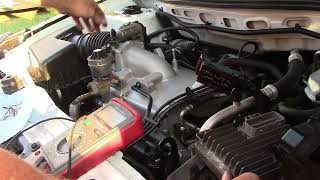
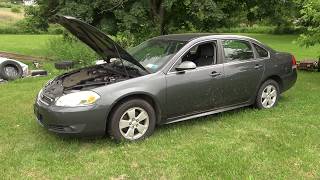
For the 2013-2019 Impala, particularly models with the 3.6L V6 (LFX) engine, the P0651 code is often linked to specific sensors on the 'B' circuit, including the crankshaft position sensor, brake pedal position sensor, and secondary air injection components. A highly notable and frequent issue is wiring harness damage. The harness can become chafed or pinched, especially where it routes near the transmission housing or starter motor. This damage can occur during service (like a starter or transmission replacement) or simply from engine vibration over time, causing the 5V reference wire to short to ground. A detailed diagnostic video on a 2013 Impala specifically located a chafed wire on the harness right at the corner of the transmission, which was only detectable by wiggling the harness while monitoring live data. 🎬 Watch: Diagnostic video showing a 5V reference short after a collision. This makes a thorough visual and physical inspection of the wiring loom a critical first step.
Diagnostic Flowchart
Tap your situation to follow the diagnostic path that matches what you're seeing on this vehicle.
Generation note: The 2013-2019 year range covers two generations of the Impala: the ninth generation (2013 'Limited' model, a carryover sold to fleets) and the tenth generation (2014-2019). While both can experience this code, the specific sensors on the 5-volt reference 'B' circuit can differ. A diagnostic video on a 2013 Impala with a 3.6L V6 identified the brake pedal position sensor, crankshaft position sensor, and secondary air injection solenoids on this circuit. Always verify the correct wiring diagram for your specific year and engine, as other sensors like the A/C pressure sensor or fuel tank pressure sensor can sometimes be on this circuit.
Symptoms You May Notice
- Check Engine Light is on
- Engine runs rough or misfires at idle
- Reduced engine power ('limp mode')
- Poor or sluggish acceleration
- Tachometer (RPM gauge) does not work (often due to a fault with the crankshaft position sensor circuit)
- Vehicle may not start or may stall unexpectedly
- Service Stability System message may appear on the driver information center 🎬 Watch: Troubleshooting multiple codes and wiring issues on an Impala.
- Replacing the throttle body without confirming it is on the 'B' reference circuit.
- Replacing the ECM before thoroughly testing the wiring and all sensors on the circuit.
- Replacing sensors without first inspecting the wiring harness for chafing, which is a very common cause.
Most Likely Causes

- Damaged or Shorted Wiring Harness 🔴 High Probability The engine harness is frequently found pinched between the engine and transmission after repairs, or chafed against sharp edges on the transmission case or starter. A video on a 2013 Impala showed the harness chafing on the corner of the transmission. Another case on a similar GM platform showed the crank sensor wiring, which runs near the starter, was damaged during a starter replacement, causing P0651. This is the most commonly reported cause in owner forums and mechanic repair videos.
How to confirm: Visually inspect the wiring harness, paying close attention to areas near the starter, transmission bell housing, and where the harness may rub against the engine block or brackets. With the engine on and a scan tool connected, carefully wiggle sections of the harness while monitoring the 5V reference voltage to see if the voltage fluctuates or returns to normal. 🎬 See how to find a P0651 short without a wiring diagram.
Typical fix: Repair the damaged section of the wiring harness. This involves soldering or using quality butt connectors with heat shrink, then re-taping the loom. It is critical to re-route or secure the harness away from the sharp edge to prevent a repeat failure.
Est. part cost: $5-$50 - Faulty Sensor on the 5V 'B' Circuit 🟡 Medium Probability One sensor can short internally, pulling down the voltage for the entire circuit. The crankshaft position sensor and brake pedal position sensor are common culprits on this circuit for GM vehicles.
How to confirm: With the engine on, use a scan tool to monitor the 5V reference 2 voltage. If it's low (e.g., under 1 volt), begin unplugging sensors on that circuit one at a time. When the faulty sensor is unplugged, the voltage on the scan tool should return to 5 volts.
Typical fix: Replace the identified faulty sensor.
Est. part cost: $30-$150 - Faulty Engine Control Module (ECM) ⚪ Low Probability
How to confirm: This should only be considered after all sensors on the circuit have been disconnected and the wiring harness has been thoroughly tested for shorts to ground or voltage and confirmed to be intact. If the 5V reference is still low with everything unplugged, the ECM's internal regulator may have failed.
Typical fix: Replace and reprogram the Engine Control Module.
Est. part cost: $200-$700
Diagnosis Steps

- Read all fault codes with an OBD-II scanner. Note any other codes present, especially P0335 (Crank Sensor) or P06DE (Oil Pressure Control).
- Using a scan tool with live data, check the status of the '5-Volt Reference 2 Circuit'. If it reads 'Fault' or shows a voltage significantly below 5V (e.g., 0.09V), the circuit is compromised.
- Consult a vehicle-specific wiring diagram to identify all sensors powered by the 5-volt reference 'B' (or '2') circuit. On a 2013 Impala 3.6L, this includes the Crankshaft Position Sensor, Brake Pedal Position Sensor, and Secondary Air Injection Solenoids.
- Perform a thorough visual and physical inspection of the engine wiring harness. Focus on the area where the harness passes the transmission case and starter motor. Look for shiny, clean spots on the harness loom, indicating a rub-through point.
- While monitoring the 5V reference voltage on the scan tool, carefully wiggle and manipulate the harness in suspect areas. If the voltage jumps back to 5V, you have found the location of the short.
- If the wiggle test doesn't reveal the issue, begin diagnostic isolation by unplugging the easiest-to-access sensor on the identified circuit (e.g., secondary air injection solenoids, brake pedal position sensor). After unplugging it, check the scan tool's live data again.
- If the voltage returns to 5V, the sensor you just unplugged is faulty and needs replacement.
- If the voltage remains low, plug the sensor back in and move to the next sensor on the circuit. The crankshaft position sensor is often last as it can be difficult to access. Repeat until all sensors are tested.
- If unplugging all sensors one by one does not restore the 5V reference, the fault is almost certainly in the wiring harness itself (a short to ground). You will need to perform continuity tests on the reference wire to find the short.
- Only if the harness is confirmed to be 100% intact and the fault persists with all sensors unplugged should the ECM be considered as the cause.
Parts You'll Likely Need

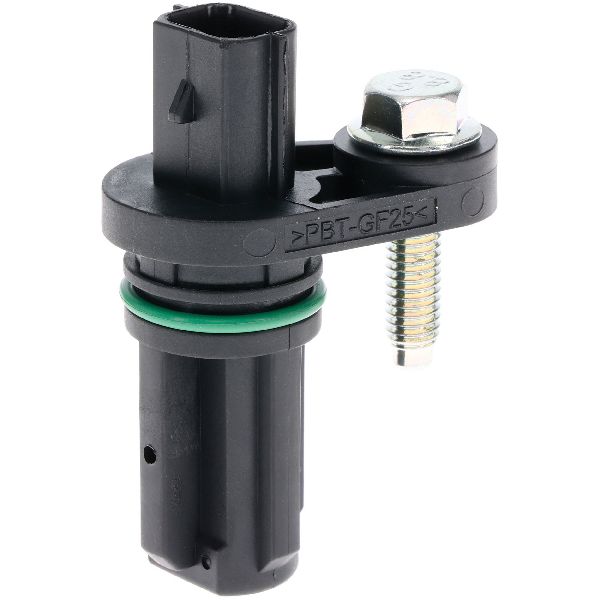
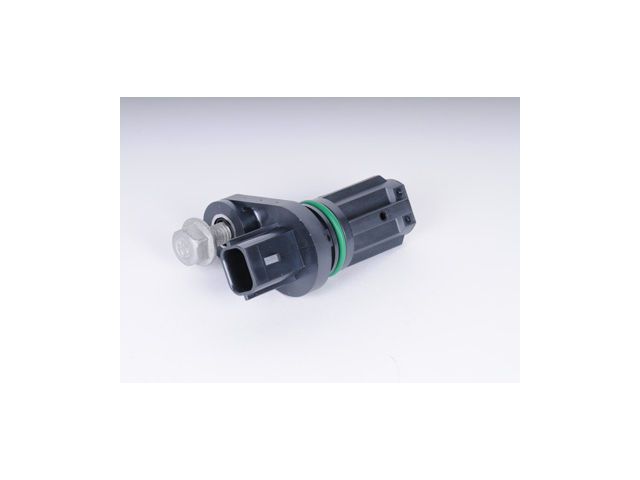
- Crankshaft Position Sensor
(OEM #12615626)— This sensor is frequently on the 5V reference 'B' circuit and is a common failure point that will bring down the entire circuit.
Trusted brands: ACDelco, Delphi, Standard Motor Products (PC920)
OEM price range: $40-$70
Aftermarket price range: $25-$50 - Brake Pedal Position Sensor
(OEM #13597425)— Also commonly found on the 5V reference 'B' circuit. A fault here can cause P0651 and other brake-related codes.
Trusted brands: ACDelco, Dorman, Vemo
OEM price range: $30-$50
Aftermarket price range: $15-$35 - Secondary Air Injection Solenoid — On some Impala models, these solenoids are on the affected circuit and can short, causing the P0651 code.
Trusted brands: ACDelco, Dorman
OEM price range: $50-$90
Aftermarket price range: $30-$60
Related Codes That Often Appear With This One
- P06DE — As cited in TSB #PIP5247A, P06DE (Engine Oil Pressure Control Circuit Stuck On) may be set along with P0651. The diagnostic procedure for P06DE should be followed first in this case, as it may involve inspecting piston oil nozzles.
- P0335 — Crankshaft Position Sensor 'A' Circuit Malfunction. If the crankshaft position sensor is on the faulty 5V reference 'B' circuit, it will lose power and trigger its own diagnostic code. This is a very common companion code to P0651.
- P0571 — Brake Switch 'A' Circuit. If the brake pedal position sensor is on the faulty 5V reference 'B' circuit, it can cause this code to appear as well.
- P2135 — Throttle/Pedal Position Sensor/Switch 'A'/'B' Voltage Correlation. While often related to the throttle body itself, a fault on a shared 5V reference circuit can trigger this code.
Technical Service Bulletins (TSBs) & Recalls
- PIP5247A - Mentions that P0651 can be set in conjunction with P06DE and directs technicians to diagnose P06DE first.
- MC-10130624-9999 (similar to PI0631) - Describes a known wiring harness chafe point on the transmission for 2012-2013 models, which can cause this and many other codes.
Platform-Specific Known Issues
- TSB #PIP5247A notes that P0651 may set along with P06DE (Engine Oil Pressure Control Circuit Stuck On). The bulletin advises technicians to follow the diagnostic procedure for P06DE first, which may involve inspecting piston oil nozzles.
Mechanic-Grade Diagnostic Values
- 5-Volt Reference 2 Circuit Voltage (Live Data) — expected: Approximately 5.0 Volts with Key On, Engine Off.. Failure: Voltage is significantly low, often around 0.09V to 0.9V, and the scan tool status for the circuit shows 'Fault'.
Scan Tool Commands That Help
- GDS2 / Tech2 / High-End Scan Tool: Live Data Monitoring of '5-Volt Reference 2 Circuit' — This is the primary method to confirm the fault is active. It is used throughout the diagnosis while wiggling wires or unplugging sensors to see if the voltage returns to the normal 5V.
- GDS2 / Tech2 / High-End Scan Tool: Crankshaft Position System Variation Learn (CASE Relearn) — This procedure is often required after replacing the Crankshaft Position Sensor to ensure the ECM can accurately interpret its signal for misfire detection.
Wiring & Ground Locations
- Harness Chafe Point — The main engine wiring harness where it routes past the sharp upper corner of the transmission case, often below the air cleaner assembly.. This is a very common point of failure where engine vibration causes the harness to rub through, shorting the 5V reference wire to the transmission case (ground).
- Harness Pinch Point — Between the engine block and the transmission bell housing.. This is a common location for the harness to be crushed during major repairs like a transmission or starter replacement, damaging the 5V reference wire.
- G111 (9th Gen 'Limited') — Lower left rear of the engine.. A poor engine ground can cause unstable voltage readings across various sensor circuits, potentially contributing to reference voltage faults.
- G109 (10th Gen) — Left rear of the engine compartment.. This is a key grounding point for engine bay components. Verifying it is clean and tight is a crucial step in diagnosing any electrical fault.
Real Owner Repair Stories
- South Main Auto LLC YouTube Channel (2013 Chevrolet Impala 3.6L) — Check engine light, no tachometer, reduced power mode, would not rev up.
❌ Tried (didn't work) Unplugging the secondary air injection solenoid #1., Unplugging the brake pedal position sensor.
✅ What actually fixed it A single chafed wire was found in the main wiring harness where it was rubbing on the sharp corner of the transmission case. The wire was repaired, and the harness was re-secured away from the sharp edge. - Diesel Dan YouTube Channel (2007 Chevy Equinox (similar GM 5V reference architecture)) — P0651 code, no start or rough run.
❌ Tried (didn't work) Initial visual inspection did not reveal the fault.
✅ What actually fixed it The wiring harness was found crushed between the engine and transmission after a recent transmission replacement. The gray 5V reference wire was severed. The fix was to repair the wire and re-route the harness to prevent it from being pinched again. - Camaro5 Forum (Chevrolet Camaro LS3 (similar GM 5V reference architecture)) — P0651 code, engine power reduced message, car will not start immediately after re-installing the transmission.
❌ Tried (didn't work) Clearing the code (it came back instantly).
✅ What actually fixed it The resolution was not posted by the original user, but the immediate diagnosis from other experienced members was a pinched wiring harness between the engine and transmission or damaged crankshaft position sensor wiring near the starter, which is a common cause during this type of repair.
"I Checked Everything" — The Actual Cause
- Standard electrical continuity tests may show the wiring is intact if the short is intermittent. The definitive test in many cases is the 'wiggle test': monitoring the 5V reference live data on a scan tool while physically manipulating the wiring harness. The voltage will fluctuate or return to normal when the chafed or pinched section is moved, pinpointing the fault location when other tests might miss it.
OEM Part Supersession History
13597425→13597425 (current)— Brake Pedal Position Sensor
Heads up: Some aftermarket replacements and potentially the OEM part may require a software calibration with a scan tool after installation to function correctly.12615626→12615626 (current)— Crankshaft Position Sensor
Heads up: This part requires a Crankshaft Position System Variation Learn (CASE Relearn) procedure using a compatible scan tool after installation for proper engine operation and misfire detection.
Model Year Variations Within This Range
- 2013: The 2013 Impala is often the 'Limited' model, a carryover of the 9th generation platform. While it shares the 3.6L LFX engine with the 10th gen, there can be differences in ground locations (e.g., G111, G115) and harness routing compared to the 2014-2019 10th generation models.
- 2014-2019: These are 10th generation Impalas. Wiring diagrams for these models may show different ground location identifiers (e.g., G109, G122) than the 9th generation 'Limited' model. However, the primary cause of harness chafing near the transmission on 3.6L models remains consistent across the generation change.
Helpful Videos

Used OEM Parts in Stock

New Aftermarket Parts Available


The information in this article is provided for general reference and educational purposes only. Vehicle specifications, procedures, and part compatibility can vary by production date, trim level, and region. Always consult your vehicle's factory service manual and verify part numbers before purchasing or performing repairs. Safety-critical components such as airbags, seat belts, and braking systems should be installed by a qualified professional.
- Chevrolet IMPALA:
- 🎬 Helpful Videos
- 🛍️ Shop This Part
- What's Unique About the 2013-2019 Chevrolet IMPALA
- Diagnostic Flowchart
- Symptoms You May Notice
- Most Likely Causes
- Diagnosis Steps
- Parts You'll Likely Need
- Related Codes That Often Appear With This One
- Technical Service Bulletins (TSBs) & Recalls
- Platform-Specific Known Issues
- Mechanic-Grade Diagnostic Values
- Scan Tool Commands That Help
- Wiring & Ground Locations
- Real Owner Repair Stories
- "I Checked Everything" — The Actual Cause
- OEM Part Supersession History
- Model Year Variations Within This Range
- 🎟️ Get 5% Off