

P0641 on 2013-2017 Chevrolet Equinox: 5V Reference Circuit Fault Causes and Fixes
On a 2013-2017 Equinox, P0641 is most often caused by a chafed engine wiring harness shorting out the 5-volt reference circuit. Common chafing spots include the ECM bracket (especially on the 3.6L V6), near the starter, and on AWD models, against the front driveshaft. The fix is to locate and repair the damaged wires, which is a low parts cost but can involve significant diagnostic labor.
- P0641 on a 2013-2017 Equinox is a serious electrical fault that will likely put the vehicle into 'Reduced Engine Power' mode.
- The most probable cause is not a bad sensor, but a chafed engine wiring harness shorting to ground, as documented in GM service bulletins.
- Diagnosis involves a careful inspection of the wiring harness, especially around the back of the engine, before replacing any parts.
- While the parts cost for a wiring repair is low, the labor to find the short can be significant. This is a difficult DIY repair for novices.
What's Unique About the 2013-2017 Chevrolet EQUINOX

The second-generation Equinox and its twin, the GMC Terrain, are highly susceptible to wiring harness issues. Manufacturer bulletins specifically point to the engine harness being improperly routed or secured, causing it to rub against sharp metal edges. For the 3.6L V6 engine, TSB PI1067B identifies a common chafe point where the harness rubs against the ECM bracket. Other documented chafe points include the harness rubbing against A/C lines, the starter motor, or even the front driveshaft on AWD models. This chafing wears through wire insulation, causing the 5-volt reference wire to short to ground and trigger P0641, often with a 'Reduced Engine Power' message.
Diagnostic Flowchart

Tap your situation to follow the diagnostic path that matches what you're seeing on this vehicle.
Symptoms You May Notice

- Check Engine Light is on
- "Reduced Engine Power" message on the instrument cluster.
- Poor engine performance and lack of acceleration.
- Engine may stall or not start.
- Oil pressure gauge may drop to zero.
- Unstable or rough idle.
- A/C may not work if the A/C Refrigerant Pressure sensor is on the affected circuit.
- Replacing a single sensor (like the Camshaft Position Sensor or Oil Pressure Sensor) without confirming it is the cause of the short. The new sensor won't fix the problem if the issue is in the wiring harness, leading to wasted money and continued frustration.
- Replacing the ECM without first exhaustively checking the wiring harness for shorts. A shorted harness can damage a new ECM.
Most Likely Causes

- Chafed or Damaged Engine Wiring Harness 🔴 High Probability GM TSBs and extensive owner forum documentation confirm the engine harness is prone to rubbing. Specific, known failure points include: the harness rubbing the ECM bracket (on 3.6L V6 models per TSB PI1067B), the harness contacting the front driveshaft on AWD models, and chafing against A/C lines or the starter motor.
How to confirm: Visually inspect the entire engine wiring harness, paying close attention to the specific areas mentioned in TSBs and forums. A technician may use a multimeter to check for a short to ground on the 5V reference circuit while performing a 'wiggle test' on the harness to find the intermittent fault. On an oscilloscope, the circuit will show a 'sawtooth' or choppy waveform instead of a clean 5 volts when shorted.
Typical fix: Repair the damaged section of wire by soldering and sealing with heat-shrink tubing. Then, re-route or protect the harness with anti-abrasion tape (such as PET tape as recommended by GM) and zip ties to prevent future contact with the metal component.
Est. part cost: $5-$25 - Faulty Sensor on the 5V Reference 'A' Circuit 🟡 Medium Probability Any sensor on the circuit can fail internally and short the 5-volt line to ground. The A/C Refrigerant Pressure sensor is a frequent suspect due to its exposed location at the front of the vehicle.
How to confirm: With the key on and engine off, unplug each sensor on the 'A' circuit one by one. The sensors include the Camshaft Position Sensor, Oil Pressure Sensor, Fuel Rail Pressure Sensor, and A/C Refrigerant Pressure Sensor. If the 5-volt signal returns to normal (check with a multimeter at another sensor's plug) after unplugging a specific sensor, that sensor is the culprit.
Typical fix: Replace the faulty sensor.
Est. part cost: $30-$150 - Faulty Engine Control Module (ECM) ⚪ Low Probability
How to confirm: This should only be considered after all wiring and sensors on the circuit have been thoroughly tested and proven to be good. A technician would test the 5V reference pin directly at the ECM with all components disconnected. If it still doesn't produce a clean 5 volts, the ECM is likely faulty.
Typical fix: Replace and reprogram the ECM.
Est. part cost: $400-$1000
Diagnosis Steps
- Scan the ECM for all stored trouble codes. Note any other codes that appear alongside P0641, as they can provide clues.
- Using a wiring diagram, identify all sensors on the 5-volt reference 'A' circuit: typically Camshaft Position, Oil Pressure, Fuel Rail Pressure, and A/C Pressure sensors.
- Perform a thorough visual inspection of the engine wiring harness. Focus on TSB-identified areas: where the harness routes near the ECM bracket (3.6L V6), the upper rear of the engine, and near the starter. On AWD models, raise the vehicle and inspect the harness near the front driveshaft.
- If no visible damage is found, use a multimeter to test the voltage on the 5-volt reference wire at an easily accessible sensor. It should read close to 5.0 volts with the key on. A reading near zero or a fluctuating low voltage indicates a short to ground.
- If the voltage is low, begin unplugging sensors on that circuit one at a time. After unplugging each one, re-check the voltage. If the voltage returns to 5.0 volts, the last sensor unplugged is faulty. 🎬 Watch this walkthrough of the sensor unplugging diagnostic method.
- If voltage remains low with all sensors unplugged, the short is in the wiring harness. Carefully wiggle and manipulate the harness in the suspect areas while watching the multimeter to pinpoint the exact location of the short.
- Once the damaged wire is located, repair it using proper soldering and heat-shrink techniques, then secure it away from the source of chafing.
- If all wiring and sensors are confirmed good, the final step is to test the ECM itself, which is best left to a professional.
Parts You'll Likely Need
- Engine Wiring Harness Repair Supplies — The most common cause is a chafed wire that needs to be repaired. This includes Tesa-style anti-abrasion tape (or GM's recommended PET tape), wire, solder, and heat-shrink tubing.
Trusted brands: Tesa, 3M
OEM price range: $10-$25
Aftermarket price range: $5-$20 - Engine Oil Pressure Sensor/Switch
(OEM #12673134)— This is one of the sensors on the 5V reference 'A' circuit that can fail and short the circuit. It's a common failure point on many GM engines.
Trusted brands: ACDelco, Delphi
OEM price range: $40-$60
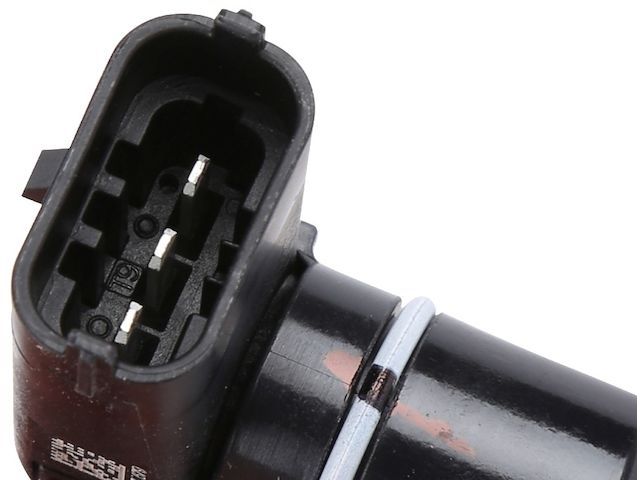
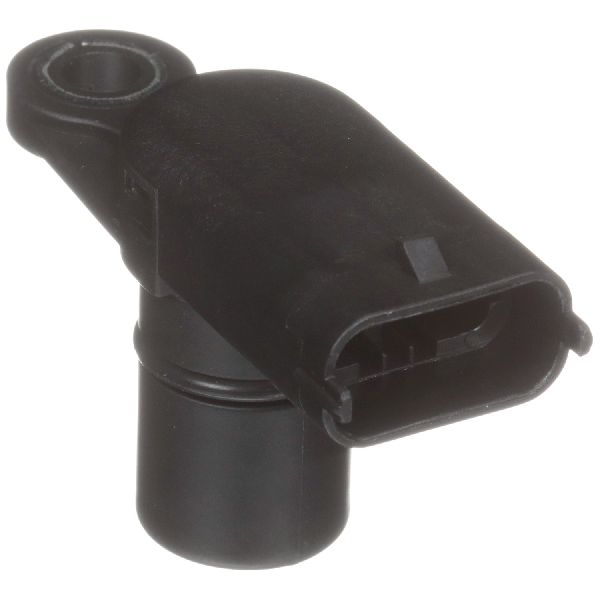
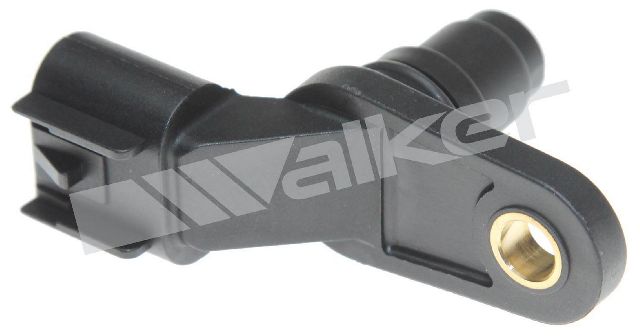
Aftermarket price range: $20-$40 - Camshaft Position Sensor
(OEM #12674702)— Another critical sensor on the 5V reference 'A' circuit. A failure can short the circuit and cause P0641.
Trusted brands: ACDelco, Hitachi
OEM price range: $35-$55
Aftermarket price range: $20-$40 - A/C Refrigerant Pressure Sensor
(OEM #13587668)— Also on the 5V 'A' circuit, this sensor can fail and cause the short. It's often checked early in the diagnostic process due to its relative ease of access.
Trusted brands: ACDelco
OEM price range: $30-$50
Aftermarket price range: $15-$35
Related Codes That Often Appear With This One
- P0261 — This and other fuel injector circuit codes (P0264, P0267, etc.) are cited in TSB #PIT5424 as appearing with P0641, likely because the damaged harness section affects multiple circuits routed together.
- P0651 — This code indicates a fault on the 5-volt reference 'B' circuit. Seeing both codes together could point to a more significant wiring harness issue affecting multiple circuits, or a more serious ECM problem.
- P0107 — MAP (Manifold Absolute Pressure) sensor circuit low voltage. Depending on the specific wiring for the year and engine, the MAP sensor can sometimes be on the 'A' circuit, or its wiring can be damaged in the same bundle as the 'A' circuit wiring.
Technical Service Bulletins (TSBs) & Recalls
- PI1067B: 'Malfunction Indicator Lamp (MIL) Light On, Reduced Power Mode, DTC Set, Poor Performance/Shifts'. Applies to 2013-2014 Equinox/Terrain with 3.6L LFX engine. Identifies the ECM wiring harness rubbing on the ECM bracket as a cause for P0641. Recommends wire repair and wrapping the harness with anti-abrasion tape.
- PIT5424: 'Malfunction Indicator Lamp Or Low Oil Pressure Lamp On'. Links P0641 to a chafed engine wiring harness near the ECM and rear of the engine, and lists several other codes that may appear with it.
Platform-Specific Known Issues
- Harness Chafing on ECM Bracket (3.6L V6): TSB #PI1067B specifically calls out the engine harness rubbing on the sharp metal edge of the ECM bracket for the 2013-2014 Equinox/Terrain with the 3.6L LFX engine. This is a primary inspection point for these models. The fix involves repairing the wire and wrapping the harness with protective tape.
- General Harness Chafing (All Engines): TSB #PIT5424 points to a chafed engine wiring harness near the ECM and the upper rear of the engine as a cause for P0641 and other codes. This applies more broadly across engine types.
Mechanic-Grade Diagnostic Values
- 5-Volt Reference 'A' Circuit Voltage — expected: 4.5V - 5.5V with key on, engine off.. Failure: A voltage below 4.5V (e.g., 0V to 3V) indicates a short to ground. A voltage above 5.5V indicates a short to power.
- ECM Ground Connection Test — expected: Close to 0.0V DC. Failure: Any significant voltage reading between the negative battery post and a ground point (like G105/G106) indicates a poor ground connection that needs to be cleaned and tightened.
Wiring & Ground Locations
- 5V Reference Wire — Within the main engine wiring harness, connecting the ECM to various sensors.. This wire, often gray in color, carries the 5V signal. Finding this specific wire is key to testing and tracing the circuit for shorts.
- G105 / G106 — Primary engine-to-chassis grounds, typically found on the engine block or cylinder head, connecting to the firewall or frame rail.. A loose or corroded main engine ground can cause erratic voltage across all sensors, potentially mimicking a P0641 fault. Ensuring these are clean and tight is a crucial preliminary step.
- Harness over Front Driveshaft (AWD Models) — The wiring harness that runs along the frame rail and over the transmission/transfer case area.. On AWD models, this harness is susceptible to rubbing against the spinning front driveshaft, which can wear through the insulation on the 5V reference wire (and others) causing an intermittent short to ground.
Real Owner Repair Stories
- YouTube channel 'Uncle Phil's Garage' (GM Truck (similar GMT900 platform to Equinox)) — P0641, Camshaft and Crankshaft position sensor codes, Reduced Engine Power, stalling.
❌ Tried (didn't work) Replacing the Camshaft Position Sensor, Replacing the Crankshaft Position Sensor, Checking harness for chafing on a common stud on top of the engine
✅ What actually fixed it Found and repaired three wires, including the gray 5V reference wire, in a harness that had chafed through against the front driveshaft. - YouTube channel 'Eli TheOBDTech' (2007 Chevy Tahoe) — P0641, Reduced Engine Power, accelerator pedal disabled, oil pressure gauge at zero.
❌ Tried (didn't work) Initially suspected a faulty Fuel Tank Pressure sensor.
✅ What actually fixed it Discovered the wiring harness leading to the Fuel Tank Pressure sensor was rubbing against the driveshaft, shorting the 5V reference circuit. The fix was to repair the wires and secure the harness away from the driveshaft.
"I Checked Everything" — The Actual Cause
- The electrical equivalent of a 'smoke test clean' scenario for P0641 is when the 5V reference circuit still shows a short (e.g., low voltage) even after all sensors on the circuit have been unplugged. This definitively proves the fault lies within the wiring harness itself, not in a component. A user on the ScannerDanner forum confirmed this by unplugging sensors and still measuring ~3V instead of 5V, leading to the conclusion the harness was shorted somewhere between the ECM and the sensors.
OEM Part Supersession History
12627185, 12632872→12674702— Standard part revision and consolidation by the manufacturer.
Heads up: The replacement part, 12674702 (Camshaft Position Sensor), requires programming and/or a special setup procedure after installation, as described in GM Service Information.
Model Year Variations Within This Range
- 2013-2017: The primary ECM ground point may be designated as G107, G105, or G106 depending on the specific model year and engine (2.4L vs 3.6L). While their exact position may shift slightly, they are consistently located on the engine block or cylinder head.
Helpful Videos
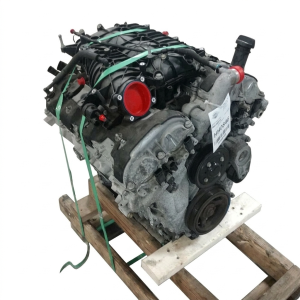
Used OEM Parts in Stock
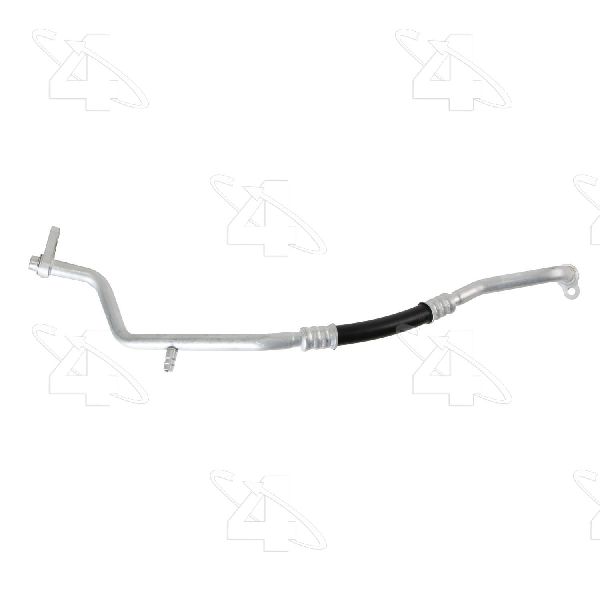
New Aftermarket Parts Available


The information in this article is provided for general reference and educational purposes only. Vehicle specifications, procedures, and part compatibility can vary by production date, trim level, and region. Always consult your vehicle's factory service manual and verify part numbers before purchasing or performing repairs. Safety-critical components such as airbags, seat belts, and braking systems should be installed by a qualified professional.
- Chevrolet EQUINOX:
- 🎬 Helpful Videos
- 🛍️ Shop This Part
- What's Unique About the 2013-2017 Chevrolet EQUINOX
- Diagnostic Flowchart
- Symptoms You May Notice
- Most Likely Causes
- Diagnosis Steps
- Parts You'll Likely Need
- Related Codes That Often Appear With This One
- Technical Service Bulletins (TSBs) & Recalls
- Platform-Specific Known Issues
- Mechanic-Grade Diagnostic Values
- Wiring & Ground Locations
- Real Owner Repair Stories
- "I Checked Everything" — The Actual Cause
- OEM Part Supersession History
- Model Year Variations Within This Range
- 🎟️ Get 5% Off