

P0627 on 2005-2010 Volkswagen Jetta 2.0L TDI: Fuel Pump Circuit Causes and Fixes
P0627 on a VW Jetta TDI typically points to a problem with the in-tank electric fuel lift pump circuit. The most common causes are a failed fuel pump relay, faulty wiring, or a bad in-tank fuel pump. Expect to spend $20 for a relay or $200-$400 for a new pump assembly.
- P0627 means there's an electrical problem with the in-tank fuel lift pump circuit, not necessarily the pump itself.
- Always check the easiest and cheapest parts first: the fuse and the fuel pump relay.
- A primary symptom is the engine cranking normally but refusing to start due to lack of fuel.
- Do not drive the vehicle. A sudden engine stall can occur, creating a dangerous situation.
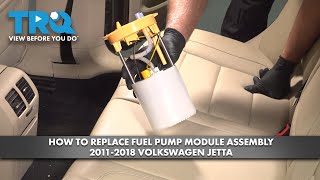
- Access to the fuel pump and its connector is typically straightforward, located under the rear passenger seat.
What's Unique About the 2005-2010 Volkswagen Jetta
The 2005-2010 Jetta TDI spans two different fuel injection systems: the earlier Pumpe Düse (PD) and the later Common Rail (CR) starting around 2009. While both use an in-tank electric lift pump, the control systems and specific components can differ slightly. However, the P0627 code relates to the low-pressure side of the system on both engine types, focusing on the in-tank pump and its electrical supply, not the high-pressure pump which is a separate, well-documented failure point on CR engines.
Generation note: This range covers the Volkswagen Jetta A5 (Mk5) generation. Within this generation, the 2.0L TDI engine changed from the Pumpe Düse (PD - engine code BRM) design to a Common Rail (CR - engine codes CBEA/CJAA) design around 2009. While the P0627 code applies to the in-tank lift pump on both, wiring diagrams and relay locations may differ slightly.
Symptoms You May Notice
- Engine will crank but not start
- Engine stalls shortly after starting
- Engine stalls while driving
- Loss of power and hesitation under acceleration
- Illuminated Check Engine Light
- Flashing glow plug light and "Engine Fault Workshop" message on the dash
- Poor fuel economy
- High-Pressure Fuel Pump (HPFP) Failure: On Common Rail (2009-2010) models, HPFP failure is a known issue, but it typically presents with different codes (like P0087) and symptoms (like metal shavings in the fuel system). P0627 specifically points to the low-pressure lift pump circuit.
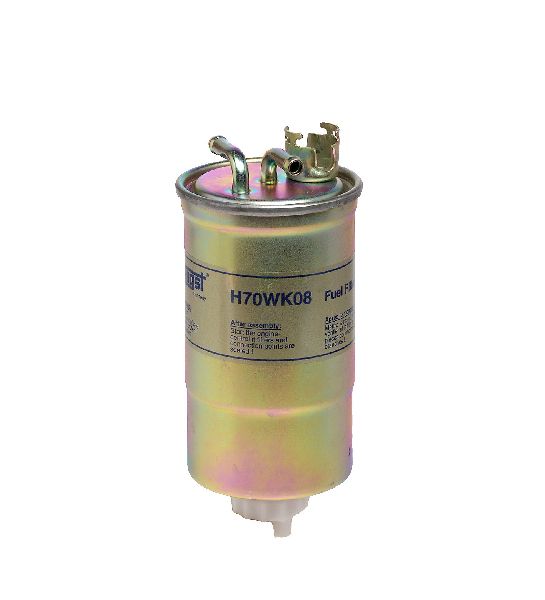
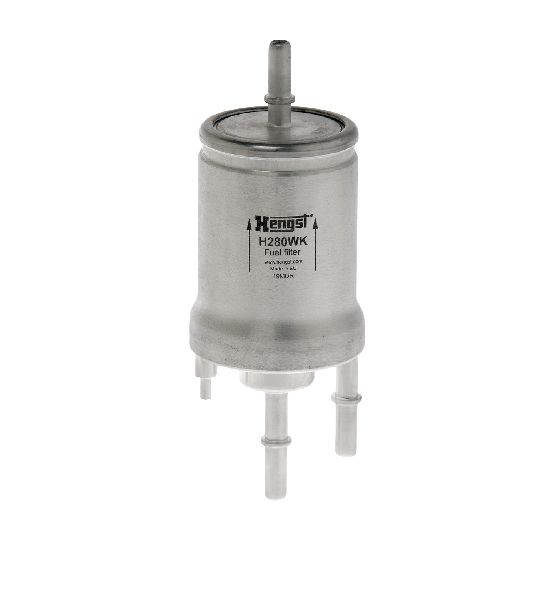
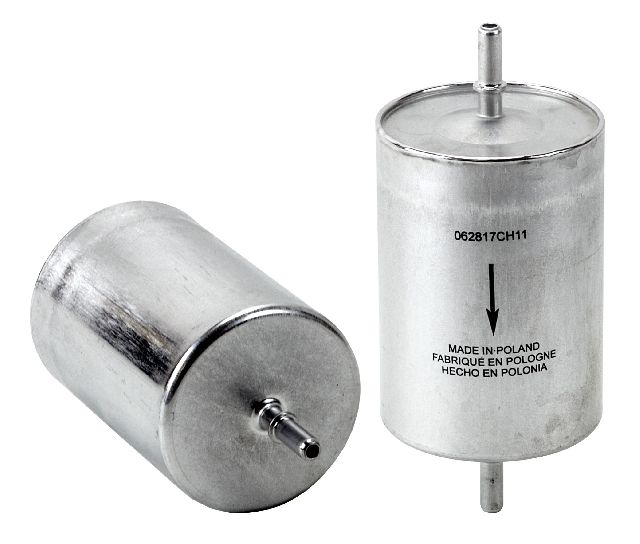
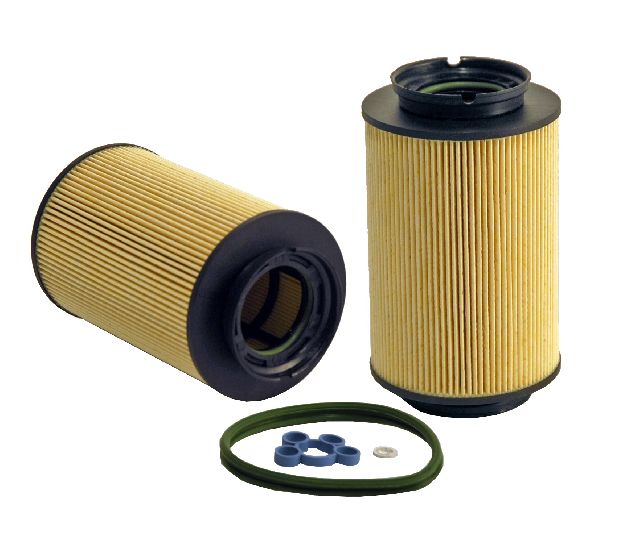
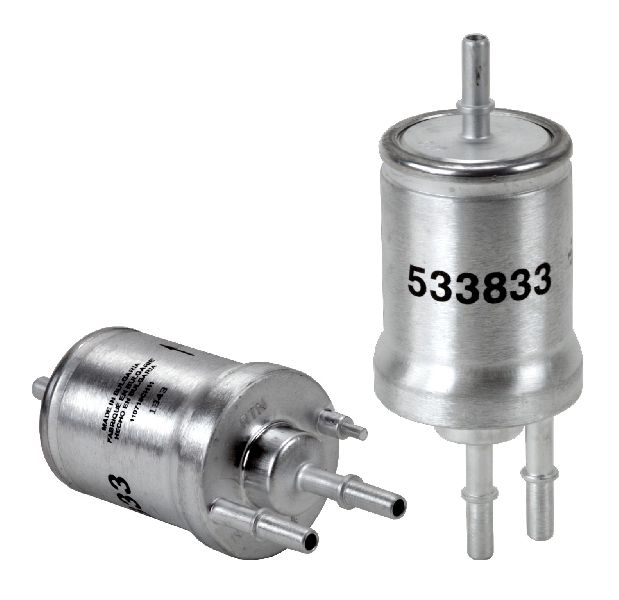
- Clogged Fuel Filter: A clogged filter can cause similar symptoms like power loss and hard starting, but it will not typically set a P0627 electrical circuit code.
Most Likely Causes
- Faulty Fuel Pump Relay 🔴 High Probability Relays are electromechanical switches that can wear out over time, leading to intermittent or complete failure. On some VW models, intermittent no-start conditions in cold weather have been linked to cracked solder joints inside the relay.
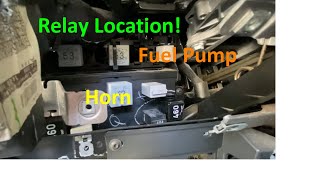
How to confirm: Locate the fuel pump relay (often labeled J17 or 449, check a wiring diagram for your specific model year). Swap it with an identical relay from a non-critical system (like the horn) and see if the car starts. You can also test the relay with a multimeter for continuity.
Typical fix: Replace the faulty relay.
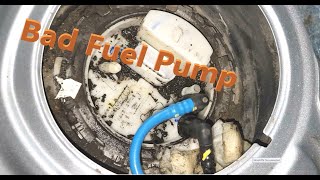
Est. part cost: $15-$40 - Failed In-Tank Fuel Lift Pump 🟡 Medium Probability The electric motor in the fuel pump can wear out and fail, especially at higher mileage. Running the vehicle frequently on a low tank can accelerate wear as fuel is used to cool and lubricate the pump.
How to confirm: With the key in the 'on' position, listen for a humming or buzzing sound from the rear seat area for 2-3 seconds. If there is no sound, the pump is likely not activating. Confirm by checking for power and ground at the fuel pump connector under the rear seat. The pump motor winding can also be tested for resistance; an open circuit (infinite resistance) confirms failure.
Typical fix: Replace the in-tank fuel pump assembly.
Est. part cost: $200-$450 - Wiring or Connector Issues 🟡 Medium Probability Wires leading to the fuel pump are routed under the car and can be susceptible to corrosion or physical damage. A known chafe point on some Jettas is the engine wiring harness near the oil filter housing. The main connector on top of the fuel pump assembly can also become corroded, loose, or melted from high resistance.
How to confirm: Visually inspect the wiring harness leading to the fuel tank. Access the connector on top of the fuel pump (usually under the rear seat) and check for signs of corrosion, melting, or loose pins. Use a multimeter to check for continuity and voltage from the relay to the pump.
Typical fix: Repair the damaged section of the wiring harness or replace the connector.
Est. part cost: $10-$50 - Blown Fuse ⚪ Low Probability A fuse will blow if the fuel pump motor is seizing and drawing too much current. While the fuse is the symptom, it points to a failing pump.
How to confirm: Check the fuse panel for the fuel pump fuse. If it's blown, replace it. If the new fuse blows immediately or soon after, the fuel pump is likely drawing excessive current and needs to be replaced.
Typical fix: Replace the fuse. If it blows again, replace the fuel pump.
Est. part cost: $1-$5
Rare But Worth Checking
- Faulty Engine Control Module (ECM): This is very rare. The ECM's internal driver for the fuel pump relay can fail. This should only be considered after all other possibilities (pump, relay, wiring) have been exhaustively tested and ruled out.
- Faulty Fuel Pump Control Module (J538): Some Jetta models use a separate Fuel Pump Control Module (FPCM), often located under the rear seat. This module can overheat and fail, causing intermittent stalling or a no-start condition that mimics a bad pump or relay. A key symptom can be the module being extremely hot to the touch after running. 🎬 Watch: How to replace the fuel pump control module
Diagnosis Steps
- Check the Fuse: Locate and inspect the fuse for the fuel pump. Replace if blown.
- Listen for the Pump: Turn the ignition key to the 'on' position (without starting) and listen for a 2-3 second hum from the fuel tank area. No sound suggests the pump is not getting power or has failed.
- Scan for Other Codes: Use an OBD-II scanner to check for any other related trouble codes and review freeze-frame data to see the conditions when the code was set.
- Test the Fuel Pump Relay: Locate the fuel pump relay. Swap it with a known good, identical relay from another circuit to see if the problem is resolved. This is the most common and cheapest fix.
- Test for Power at the Pump: Access the fuel pump connector (under the rear seat). Use a multimeter or test light to verify that the pump is receiving voltage for a few seconds when the key is first turned on.
- Check for Ground: Verify a good ground connection at the fuel pump connector. A poor ground can cause high resistance and mimic an open circuit.
- Inspect Wiring: If there is no power at the pump but the relay and fuse are good, inspect the wiring harness between the relay and the pump for any visible damage, corrosion, or breaks. Pay special attention to any known chafe points, such as near the oil filter housing on some models.
- Test the Pump Motor: If power and ground are present at the connector but the pump doesn't run, the pump motor has failed. You can also test the resistance across the pump motor terminals; an open circuit (infinite resistance) confirms failure.
Parts You'll Likely Need
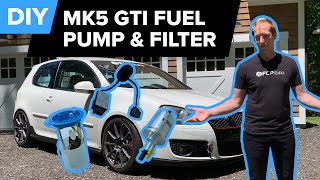
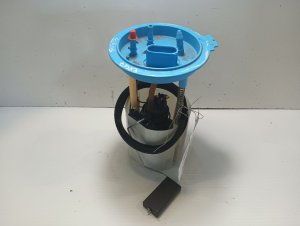
- In-Tank Fuel Lift Pump Assembly
(OEM #1K0919051DB)— The electric motor inside the pump is the most common mechanical failure point in this circuit, leading to a no-start condition and the P0627 code.
Trusted brands: Bosch, VDO, Pierburg, Hitachi
OEM price range: $300-$450
Aftermarket price range: $200-$350 - Fuel Pump Relay
(OEM #1K0906381 (often marked with '449' or 'J17'))— This relay controls power to the fuel pump and is a frequent point of electrical failure. It's an inexpensive and easy part to replace, making it a logical first step in diagnosis.
Trusted brands: Genuine VW, Bosch, Hella
OEM price range: $25-$40
Aftermarket price range: $15-$30
Related Codes That Often Appear With This One
- P2632 — This code for 'Fuel Pump B Control Circuit / Open' can sometimes appear alongside P0627, indicating a broader issue with the fuel pump control system or relays.
- P0087 — While P0627 points to the lift pump, if the lift pump fails it can starve the High-Pressure Fuel Pump (HPFP), potentially leading to low fuel rail pressure codes like P0087 on Common Rail engines.
Platform-Specific Known Issues
- Temperature Sensitivity: Some owners report that the P0627 code and no-start condition only appear in cooler weather. This often points to a failing relay with a cracked solder joint that separates when cold, creating an open circuit.
Mechanic-Grade Diagnostic Values
- Voltage at fuel pump connector (power to ground) — expected: ~12V for 2-3 seconds when the ignition is first turned to 'ON', then 0V.. Failure: No voltage indicates a problem upstream (relay, fuse, wiring, ECM). Constant voltage with key on could indicate a stuck relay.
- ECM signal voltage for P0627 trigger (Open Circuit) — expected: Varies by system design, but an open circuit is detected when the ECM sees an unexpected voltage.. Failure: A VW technical document indicates a signal voltage of 4.50 to 5.50 V can trigger the open circuit fault.
Scan Tool Commands That Help
- VCDS (VAG-COM): Output Test: Fuel Pump Electronics / Fuel Pump Relay Circuit — This command directly activates the in-tank fuel pump, allowing you to audibly confirm its operation without starting the engine. It is a critical step to isolate the pump itself from the relay and wiring. If the pump runs during this test but not during a normal key-on event, the issue is more likely with the ECM's command signal or relay trigger.
- VCDS (VAG-COM): Basic Settings - Group 035 (or 'Transfer Fuel Pump (FP) test' on UDS controllers) — This function is primarily used to prime the fuel system after a fuel filter change or other fuel system repairs. It runs the lift pump continuously for about 30 seconds to purge air from the lines. It can also be used diagnostically to confirm the pump can run for an extended period.
Wiring & Ground Locations
- Fuel Pump / Fuel Pump Control Module Access — Under the rear seat cushion, typically on the passenger side. The pump and/or control module are located under a black circular access cover.. This is the primary access point for testing voltage at the pump connector, inspecting for corrosion or melted terminals, and replacing the pump or control module.
- Fuel Pump Relay (J17) Panel — Under the driver's side dashboard, to the left of the steering column. It requires removing the lower dash panel for access.. This is where the primary fuel pump relay is located for testing and replacement. It is often the first and most common component to fail in this circuit.
- Ground Connection (General) — There are multiple chassis ground points. A key ground connection for components behind the instrument panel is located behind the center of the dash (designated as '45' in some diagrams).. A poor ground for the fuel pump circuit can cause high resistance, leading to an open circuit code and intermittent pump operation.
Real Owner Repair Stories
- Ross-Tech Forums User (2009 Jetta TDI with 325,000 miles) — Intermittent no-start with P0627 code and "Engine Fault Workshop" message. The failure was highly dependent on ambient temperature.
❌ Tried (didn't work) Clearing codes would sometimes allow a restart., Dealer performed a test plan but found no errors because the car was warm at the time.
✅ What actually fixed it The user diagnosed that the car would only fail to start and set the P0627 code when the ambient temperature was below 65°F. When it was warmer (above 80°F), the fuel pump would prime and the car would start normally. This strongly pointed to an electrical component, like the fuel pump relay, having a cracked solder joint that would separate and create an open circuit when cold, but make contact when expanded by heat. The final fix was not posted, but the diagnosis isolated the fault to a temperature-sensitive electrical connection.
OEM Part Supersession History
1K0919051AQ, 1K0919051BH, 1K0919051CL→1K0919051DB— Standard part evolution for improved reliability or manufacturing changes.
Model Year Variations Within This Range
- 2009-2010 (Common Rail engines CBEA/CJAA): These later models may be more likely to utilize a dedicated Fuel Pump Control Module (J538) compared to the earlier PD (BRM) engines, which often integrated control more directly with the main relay panel and ECM. While both have an in-tank pump, the control strategy and wiring can differ, making it important to consult the correct wiring diagram for the specific engine code.
Diagnostic Flowchart
Other Known Issues on This Vehicle
Issues unrelated to this code that are worth knowing about as an owner of this generation:
- Premature Camshaft Wear (PD Engines) 🔴 High — Common on 1.9L BRM (and earlier 2.0L PD) engines, typically after 100,000 miles. Caused by a combination of weak metallurgy and improper oil usage.
- High-Pressure Fuel Pump (HPFP) Failure (CR Engines) 🔴 High — A notorious and widespread issue on 2.0L CBEA/CJAA Common Rail engines. The Bosch CP4 pump can disintegrate, sending metal shavings through the entire fuel system, requiring a costly repair. (Ref: Covered under the 'Dieselgate' Extended Emissions Warranty for eligible vehicles.)
- DSG Mechatronic Unit Failure 🔴 High — Common in vehicles equipped with the DSG automatic transmission, often occurring between 80k-120k miles. Symptoms include harsh/jerky shifting, flashing PRNDS indicator, and loss of drive. (Ref: Recalls were issued in some markets for certain model years.)
- Clogged Sunroof Drains 🟠 Medium — The four sunroof drains are prone to clogging with debris, causing water to leak into the cabin, potentially damaging headliners and sensitive electronics in the A-pillars and footwells.
- Dual Mass Flywheel (DMF) Failure 🟠 Medium — The DMF on both manual and DSG-equipped cars can fail, typically over 100,000 miles, causing a loud rattling noise at idle that disappears when the clutch is engaged.
Used vs. New Parts: Buying Guide for This Vehicle
When a used part is the smart pick: A used in-tank fuel pump assembly from a low-mileage donor vehicle can be a cost-effective option, as the entire sending unit assembly can be expensive new. Used relays and control modules are also viable but carry a higher risk of having the same age-related issues as the part being replaced.
Donor-vehicle mileage cap: roughly under 80000 miles for the part to have meaningful remaining life.
What to inspect on the donor part:
- For fuel pumps, check the electrical connector for any signs of melting, browning, or corrosion, which indicates high resistance and a potential failure.
- Ensure the plastic housing of the pump assembly is not cracked or brittle.
- Verify the donor vehicle was not in a major rear-end collision.
- For a Fuel Pump Control Module, inspect the plastic casing for any signs of melting or heat distortion.
OEM-only on this vehicle (don't cheap out):
- Fuel Pump Relay: Given the low cost of a new, high-quality OEM relay (e.g., from Hella or Bosch), it is not worth the risk of using a salvaged one which could have the same internal wear.
Aftermarket brands forum-validated for this vehicle:
- Bosch
- VDO / Continental
- Pierburg
- Hella (for relays)
Brands owners have reported issues with on this vehicle:
- Unnamed, 'white-box' electronic parts from online marketplaces should be avoided, as their internal components may not meet the required specifications, leading to premature failure or intermittent issues.
Real Owner Stories
Aggregated from forums and TSBs cited above. Mileages and costs reflect what owners reported in those sources.
2009 Jetta TDI — 325000 miles
Symptoms: When it is cooler outside (ambient temp below 65*F), turning the key to the on position IMMEDIATELY triggers 'Engine Fault Workshop' and a no-start condition. In the warmer afternoon (>80*F), the car starts and runs fine.
What fixed it: The issue was identified as an intermittent electrical fault in the fuel pump relay or wiring affected by thermal expansion and contraction.
Source hint: Ross-Tech Forums: A 2009 Jetta TDI owner documented a P0627 no-start condition that was highly dependent on ambient temperature. URL: https://forums.ross-tech.com/index.php?threads/24965/
Related OBD-II Codes
Frequently Asked Questions
Why does my Jetta TDI only throw the P0627 code and fail to start when it's cold outside?
Is the P0627 fuel pump circuit issue covered under the 'Dieselgate' Extended Emissions Warranty?
Where is the fuel pump connector located on the 2005-2010 Jetta for testing?
My Jetta has a flashing glow plug light and 'Engine Fault Workshop' message; is this related to P0627?
Can I use the horn relay to test if my fuel pump relay is bad?
Is there a specific wiring harness location prone to damage on the Jetta TDI?
Helpful Videos
Used OEM Parts in Stock
New Aftermarket Parts Available

The information in this article is provided for general reference and educational purposes only. Vehicle specifications, procedures, and part compatibility can vary by production date, trim level, and region. Always consult your vehicle's factory service manual and verify part numbers before purchasing or performing repairs. Safety-critical components such as airbags, seat belts, and braking systems should be installed by a qualified professional.
- Volkswagen Jetta:
- 🎬 Helpful Videos
- 🛍️ Shop This Part
- What's Unique About the 2005-2010 Volkswagen Jetta
- Symptoms You May Notice
- Most Likely Causes
- Rare But Worth Checking
- Diagnosis Steps
- Parts You'll Likely Need
- Related Codes That Often Appear With This One
- Platform-Specific Known Issues
- Mechanic-Grade Diagnostic Values
- Scan Tool Commands That Help
- Wiring & Ground Locations
- Real Owner Repair Stories
- OEM Part Supersession History
- Model Year Variations Within This Range
- Diagnostic Flowchart
- Other Known Issues on This Vehicle
- Used vs. New Parts: Buying Guide for This Vehicle
- Real Owner Stories
- 2009 Jetta TDI — 325000 miles
- Related OBD-II Codes
- Frequently Asked Questions
- 🎟️ Get 5% Off