

P0627 on 2018-2024 Ford Explorer: Causes and Fixes for the Fuel Pump Control Circuit
For a 2018-2024 Ford Explorer, code P0627 almost always points to a wiring or connector issue at the Fuel Pump Control Module (FPCM), not a failed fuel pump. The FPCM is located on the driver's side frame rail, where it's exposed to the elements. Ford has issued multiple Technical Service Bulletins (TSBs) for this exact problem. Before replacing any parts, inspect, clean, apply dielectric grease to, and securely reseat the FPCM connector and check its ground connection. Many owners use a zip tie
- P0627 on a 2018-2024 Explorer is most likely a simple electrical connection problem, not a major part failure.
- Always check the Fuel Pump Control Module (FPCM) connector for corrosion or damage before buying any parts.
- Consult the specific TSB for your vehicle's year range to find the exact connector and ground locations to inspect.
- Cleaning the connector and ground points is a low-cost, high-success-rate first step in fixing this code.
- Do not replace the fuel pump unless all wiring, connector, and module issues have been ruled out.
What's Unique About the 2018-2024 Ford EXPLORER

The 2018-2024 Ford Explorer, spanning two different vehicle generations, is highly prone to this specific code due to the vulnerable mounting location of its Fuel Pump Control Module (FPCM). The module is typically located on the driver-side frame rail, exposed to road salt, moisture, and vibration, which leads to corrosion and intermittent electrical disconnects at its main connector. This is so common that Ford has released several Technical Service Bulletins (TSBs) that directly address P0627, advising technicians to check connectors and grounds before performing any other diagnostics 🎬 See this simple fix for Explorer no-start issues. or replacing expensive components like the fuel pump or the module itself.
Diagnostic Flowchart

Tap your situation to follow the diagnostic path that matches what you're seeing on this vehicle.
Generation note: This range covers two Ford Explorer generations: - 5th Generation (2018-2019): TSBs SSM 50841, SSM 51306, and SSM 52483 apply. The main issue is an intermittent disconnect at the FPCM connector C3239 or a poor ground at location G302, both located on the driver-side frame rail. - 6th Generation (2020-2024): TSBs SSM 52482, SSM 50841, and SSM 51306 apply. The issue is similar but involves FPCM connector C4033, ground G407, and inline connectors C1147 and C3136. TSB 52482 specifically advises checking the fuel pump monitor (VE518) and control (VE225) circuits.
Symptoms You May Notice
- Check Engine Light is on
- Engine cranks but does not start
- Engine stalls shortly after starting or while driving
- Hesitation or loss of power while accelerating
- Long crank time before the engine starts
- Poor fuel economy
- Replacing the in-tank fuel pump without first inspecting the FPCM connector and wiring. The TSBs strongly indicate the problem is usually electrical, not the pump itself.
Most Likely Causes

- Loose, Corroded, or Damaged FPCM Connector 🔴 High Probability Multiple Ford TSBs (SSM 52482, 50841, 52483, 51306) identify this as the primary cause. The FPCM's location on the frame rail exposes the connector to moisture, road salt, and vibration, causing pins to corrode, push out, or simply not be fully seated.
How to confirm: Visually inspect the Fuel Pump Control Module (FPCM) connector, located on the driver's side frame rail, often above the spare tire or rear axle. Look for corrosion (green or white powder), moisture, damage, or pushed-out pins. Unplug, clean with electrical contact cleaner, and securely reseat the connector.
Typical fix: Cleaning the connector terminals, applying dielectric grease to prevent future corrosion, and ensuring it is fully seated. Many owners and technicians add a zip tie around the connector and module for added security. If damaged, the connector pigtail (e.g., Motorcraft WPT-1293) may need to be replaced.
Est. part cost: $0-$50 - Loose or Corroded FPCM Ground 🟡 Medium Probability The TSBs specifically call out checking the ground connection for the FPCM. Like the connector, the ground point is on the frame and susceptible to corrosion, which can cause intermittent module operation and trigger this code.
How to confirm: Locate the specific ground point for your model year (G302 for 2018-2019, G407 for 2020-2024) on the frame rail near the FPCM. Check for tightness and corrosion. Clean the connection point to bare metal if necessary.
Typical fix: Cleaning and tightening the ground connection. This involves removing the bolt, sanding the contact surfaces of the terminal and frame, and re-securing it tightly.
Est. part cost: $0 - Failed Fuel Pump Control Module (FPCM) ⚪ Low Probability While less common than wiring issues, the module itself can fail due to internal faults, often from prolonged exposure to moisture or voltage spikes from a bad connection.
How to confirm: After confirming the wiring, connector, and grounds are good, the module is the next suspect. This often requires a professional scan tool to test module communication and command the fuel pump.
Typical fix: Replacement of the Fuel Pump Control Module. The part number varies by year; for example, FU5Z-9D370-F is common for 2019 models.
Est. part cost: $70-$150
Rare But Worth Checking
- Failed In-Tank Fuel Pump: While this code points to a circuit fault, an internal short or open in the fuel pump itself can sometimes trigger it. A recall (25S75) was issued for potential fuel pump failure on 2021-2023 models, which could cause stalling.
- Damaged Wiring Harness: Beyond the connector, the wiring harness itself can be damaged from road debris, abrasion against the frame, or from rodent damage, causing an open or short in the circuit. Forum users have reported finding broken wires inside the loom near the FPCM.
- Powertrain Control Module (PCM) Failure: This is the least likely cause. The internal driver circuit within the PCM can fail, but all other possibilities should be exhausted before considering PCM replacement.
Diagnosis Steps
- Read the codes with an OBD-II scanner to confirm P0627 and any other related codes (especially U0109).
- Check for Ford TSBs related to your specific year model (SSM 52482, 50841, 52483, 51306).
- Locate the Fuel Pump Control Module (FPCM). It is typically mounted on the vehicle's driver-side frame rail, sometimes above the spare tire or rear axle.
- Carefully inspect the FPCM electrical connector (C3239 for 2018-19, C4033 for 2020-24) for any signs of corrosion (green or white powder), moisture, or backed-out pins.
- Disconnect the connector, clean both sides with electrical contact cleaner, and apply a small amount of dielectric grease to the seal to prevent future moisture intrusion.
- Securely reseat the connector, ensuring it clicks into place. Many owners add a zip tie around the module and connector for extra security against vibration.
- Locate and inspect the FPCM ground wire connection (G302 for 2018-2019, G407 for 2020-2024). Ensure it is clean, tight, and free of corrosion by removing the bolt and cleaning the contact surfaces.
- Clear the codes and drive the vehicle to see if the code returns. If it does, proceed with more advanced electrical testing.
- Using a multimeter, check for proper voltage and ground at the FPCM connector according to a vehicle-specific wiring diagram. TSB 52482 points to checking the monitor (VE518) and control (VE225) circuits.
- If wiring, grounds, and connectors are confirmed to be good, the FPCM itself is the likely culprit.
Parts You'll Likely Need
- Electrical Contact Cleaner & Dielectric Grease — This is often all that is needed to fix the most common cause: a corroded or poorly seated FPCM connector. The grease prevents future corrosion.
Trusted brands: CRC, WD-40 Specialist, Permatex
Aftermarket price range: $10-$20 - Fuel Pump Control Module (FPCM)
(OEM #FU5Z-9D370-F (example for 2019), FU5Z-9D370-B)— If the wiring and connectors are confirmed to be good, the module itself may have failed. This is the most commonly replaced component for this code after wiring checks.
Trusted brands: Motorcraft
OEM price range: $100-$200
Aftermarket price range: $70-$150 - FPCM Connector Pigtail
(OEM #Motorcraft WPT-1293 (Ford CU2Z-14S411-AAB))— If the connector itself is damaged, corroded beyond cleaning, or has broken wires, replacing the pigtail is necessary.
Trusted brands: Motorcraft, Dorman
OEM price range: $40-$60
Aftermarket price range: $20-$40
Related Codes That Often Appear With This One
- U0109 — Lost Communication With Fuel Pump Control Module, directly indicating an electrical or communication break between the PCM and FPCM. This code is frequently listed alongside P0627 in all relevant Ford TSBs.
- P025A — This code is for the Fuel Pump Module Control Circuit 'A' Open and is frequently listed alongside P0627 in Ford's TSBs.
- P025B — Relates to the Fuel Pump Module Control Circuit 'A' Range/Performance, also commonly seen with P0627.
- P00C6 — Indicates Fuel Rail Pressure Too Low - Engine Cranking, which is a direct symptom of the fuel pump not activating due to the circuit fault.
- P008A — Low Pressure Fuel System Pressure - Too Low, another code pointing to a lack of fuel delivery caused by the control circuit issue.
Technical Service Bulletins (TSBs) & Recalls
- SSM 52482: Illuminated MIL with various fuel pump-related DTCs on 2020-2024 Explorer/Aviator.
- SSM 50841: Illuminated MIL with various fuel pump-related DTCs on 2018-2022 Explorer and other Ford models.
- SSM 52483: Illuminated MIL with various fuel pump-related DTCs on 2018-2019 Explorer and other Ford models.
- SSM 51306: Similar to other TSBs, covering 2018-2023 models and pointing to intermittent electrical disconnects.
Platform-Specific Known Issues
- TSB SSM 52482: For 2020-2024 Explorer/Aviator models, this bulletin specifically advises checking the fuel pump monitor (VE518) and control (VE225) circuits, FPCM connector C4033, ground G407, and inline connectors C1147 and C3136 for damage or poor seating before replacing parts.
- TSB SSM 52483: For 2018-2019 Explorers (and other Ford models), this bulletin points to an intermittent or partial disconnect of the harness to the FPCM, pushed-out pins, or loose/corroded grounds at connector C3239 and ground G302.
Mechanic-Grade Diagnostic Values
- FPCM Power Supply Voltage — expected: 11.5 - 12.5 Volts (Battery Voltage) with Key On, Engine Off.. Failure: 0V or significantly low voltage points to a problem in the power supply wire from the relay or a blown fuse.
- FPCM Ground Circuit Resistance — expected: Near 0 Ω between the ground pin at the connector and a clean chassis ground point.. Failure: High or infinite resistance (OL) indicates a corroded, loose, or broken ground connection.
- CAN Bus Line Resistance — expected: Approximately 60 Ω when measured across the CAN High and CAN Low pins at the diagnostic port (with battery disconnected).. Failure: A reading of 120 Ω can indicate a fault in one of the two terminating resistors/modules; an open circuit (OL) points to a broken wire.
- Fuel Pump Control (FPC) and Monitor (FPM) Signals — expected: A Duty Cycle percentage (%) signal that varies with engine demand. Requires a multimeter with Duty Cycle function to test.. Failure: An absent or static signal suggests a fault with the PCM or the wiring for these specific circuits.
Scan Tool Commands That Help
- Ford IDS (Integrated Diagnostic System) or equivalent professional scanner: FPCM/Fuel Pump Activation Test (On/Off or Variable Speed Command) — This bidirectional control is used after verifying power and ground are good at the FPCM. It directly commands the module to run the pump, confirming if the module and pump are functional and isolating the problem to the PCM or the command wiring if the pump doesn't run.
Wiring & Ground Locations

- FPCM Location — On the driver's side (LH) rear frame rail, located above the spare tire.. This exposed location is the primary reason for the high failure rate of its connector and ground due to moisture and road salt.
- G302 — Frame rail ground point for the FPCM on 2018-2019 models.. This is the specific ground connection that TSBs recommend inspecting for looseness and corrosion on 5th Gen Explorers.
- G407 — Frame rail ground point for the FPCM on 2020-2024 models.. This is the specific ground connection that TSBs recommend inspecting for looseness and corrosion on 6th Gen Explorers.
- C3239 — The main electrical harness connector at the FPCM for 2018-2019 models.. This connector is the most common point of failure due to pushed-out pins, corrosion, or not being fully seated.
- C4033 — The main electrical harness connector at the FPCM for 2020-2024 models.. This connector is the most common point of failure for 6th Gen models, as identified in TSB SSM 52482.
- VE518 / VE225 — These are circuit designators for wires within the harness between the PCM and FPCM on 2020-2024 models.. TSB 52482 specifically calls for checking the Fuel Pump Monitor (VE518) and Fuel Pump Control (VE225) circuits for damage, requiring a wiring diagram to trace.
Real Owner Repair Stories
- YouTube video regarding a 2021 Ford F-150 (related platform) (2021 Ford F-150) — Intermittent no-start, would sometimes start and then shut off. Codes P0627 and U0109 were present.
❌ Tried (didn't work) Inspecting the FPCM connector pins, which appeared fine., Cleaning and re-tightening the FPCM ground point, which was only slightly rusty.
✅ What actually fixed it The technician dropped the fuel tank and found a broken and corroded wire in the harness that runs over the tank. The wire was repaired by soldering in a new section and heat-shrinking it, which resolved all codes and symptoms. - YouTube video regarding a 2020+ Ford Explorer Platinum 3.0L (2020+ Ford Explorer Platinum 3.0L) — Crank no-start, or would start for a split second and then immediately die. No trouble codes were stored.
❌ Tried (didn't work) Testing the fuel pump with a scan tool, which showed it could build pressure., Checking for crank sensor codes.
✅ What actually fixed it The Fuel Rail Pressure (FRP) sensor was faulty. It was not reading pressure correctly (scan tool showed ~400 PSI), preventing the PCM from commanding the injectors to fire. The PCM requires a reading of over 1,000 PSI to initiate starting. Replacing the FRP sensor on the high-pressure fuel rail fixed the no-start condition. - YouTube video regarding a 2015 Lincoln MKS (related Ford platform) (2015 Lincoln MKS) — Check engine light with code P0627.
❌ Tried (didn't work) Checking the related 30A fuse, which was good.
✅ What actually fixed it A previous, improper repair was found at the in-tank fuel pump connector (not the FPCM connector). A wire had been poorly spliced and another pin was not fully seated in the connector. The final fix was to de-pin the connector, properly re-crimp the factory wire, and insulate it with heat shrink.
When the Usual Fixes Don't Work
- While P0627 overwhelmingly points to a fault in the low-pressure fuel pump's control circuit (FPCM, wiring, grounds), a crank-no-start symptom can also be caused by a failed high-pressure Fuel Rail Pressure (FRP) sensor. In one documented case on a 2020+ Explorer, the engine would not start because the faulty FRP sensor reported insufficient pressure to the PCM, which then refused to fire the injectors. This occurred even without a P0627 code being stored, but it produces identical primary symptoms and can be misdiagnosed as a low-pressure system failure.
OEM Part Supersession History
FU5Z-9D370-B→FU5Z-9D370-F— Part revision or update by manufacturer.
Heads up: These parts are generally interchangeable for the specified applications. An aftermarket interchange is Dorman 601-240.
Model Year Variations Within This Range
- 2018-2019 (5th Gen): Uses FPCM connector C3239 and ground point G302, as specified in TSBs SSM 50841 and SSM 52483.
- 2020-2024 (6th Gen): Uses FPCM connector C4033 and ground point G407. TSB SSM 52482 also calls out checking specific control/monitor circuits VE518 and VE225, and inline connectors C1147 and C3136.
Helpful Videos
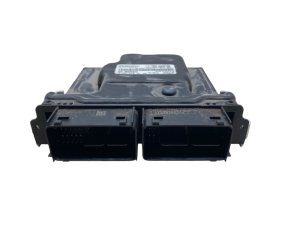
Used OEM Parts in Stock




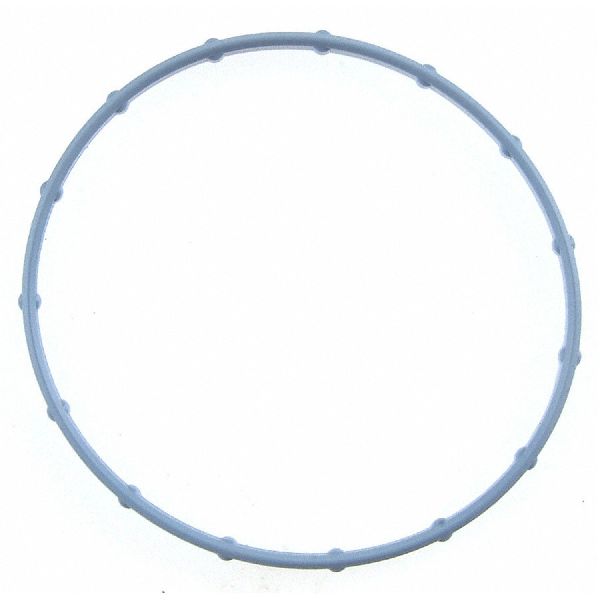
New Aftermarket Parts Available

The information in this article is provided for general reference and educational purposes only. Vehicle specifications, procedures, and part compatibility can vary by production date, trim level, and region. Always consult your vehicle's factory service manual and verify part numbers before purchasing or performing repairs. Safety-critical components such as airbags, seat belts, and braking systems should be installed by a qualified professional.
- Ford EXPLORER:
- 🎬 Helpful Videos
- 🛍️ Shop This Part
- What's Unique About the 2018-2024 Ford EXPLORER
- Diagnostic Flowchart
- Symptoms You May Notice
- Most Likely Causes
- Rare But Worth Checking
- Diagnosis Steps
- Parts You'll Likely Need
- Related Codes That Often Appear With This One
- Technical Service Bulletins (TSBs) & Recalls
- Platform-Specific Known Issues
- Mechanic-Grade Diagnostic Values
- Scan Tool Commands That Help
- Wiring & Ground Locations
- Real Owner Repair Stories
- When the Usual Fixes Don't Work
- OEM Part Supersession History
- Model Year Variations Within This Range
- 🎟️ Get 5% Off