

P0621 on 2014-2015 Chevrolet Malibu: Causes and Fixes for the Generator 'L' Circuit Fault, including ECM Software Update
P0621 on a 2014-2015 Malibu indicates a fault in the alternator's control circuit, often triggering a 'Service Charging System' message. The most common cause is a failing alternator (internal regulator), followed by wiring issues or the need for an ECM software update as per a GM TSB. Expect to pay $250-$500 for a replacement alternator.
- P0621 on your Malibu points directly to a problem with the alternator or its control circuit.
- The most common fix is replacing the alternator.
- Before replacing parts, always check the charging system voltage and inspect the alternator's wiring connector for damage or corrosion.
- Be aware that GM has issued service bulletins for this exact problem, sometimes in conjunction with code P2096.
- Do not ignore this code; it can lead to a dead battery and leave you stranded.
What's Unique About the 2014-2015 Chevrolet MALIBU

For the 2014-2015 Malibu, this code is frequently accompanied by a "Service Charging System" message on the driver information center. GM has issued specific Technical Service Bulletins (TSBs) for this issue, indicating it's a known problem. One notable TSB, #PI1409A, points out that P0621 can appear with an unrelated-seeming emissions code (P2096). Crucially, this TSB states that if no physical fault is found with the alternator or wiring, the official fix is to reprogram the Engine Control Module (ECM) with updated software. Another bulletin, #PIC6017B, highlights the intermittent nature of this fault, particularly during auto-stop events.
Diagnostic Flowchart

Tap your situation to follow the diagnostic path that matches what you're seeing on this vehicle.
Symptoms You May Notice
- Check Engine Light is on
- Battery or charging system warning light is on.
- "Service Charging System" message on the driver information center
- Dimming or flickering headlights and interior lights.
- Engine may stall, especially during an auto-stop event. 🎬 Watch: Diagnosing the P0621 code and service charging system light.
- Delayed cranking or a no-start condition due to a dead battery.
- Electrical components like the radio may work erratically.
- Extremely hot positive battery cable at the battery terminal, indicating a potential short or high resistance in the charging circuit.
- Replacing the battery without testing the alternator. A dead battery is often a symptom of the P0621 fault, not the cause. The new battery will also fail to charge and leave you stranded again.
- Replacing the alternator when only an ECM software update is needed. If P2096 is also present, TSB #PI1409A should be consulted first to avoid unnecessary parts replacement.
Most Likely Causes

- Faulty Alternator 🔴 High Probability The internal voltage regulator, which contains the 'L' circuit logic, is a common failure point within modern alternators. TSBs for this model point directly to charging system faults, and owner forums frequently conclude that a replacement alternator is the ultimate fix, even after testing good initially.
How to confirm: With the engine running, test the voltage at the battery terminals. A healthy charging system should read between 13.5 and 14.8 volts. If the voltage is low (under 13V) or not charging at all, the alternator is the primary suspect. Be aware that the failure can be intermittent; it may charge correctly in the shop but fail during a drive.
Typical fix: Replace the alternator.
Est. part cost: $200-$450 - Wiring or Connector Issue 🟡 Medium Probability The wiring harness to the alternator, specifically the two-pin connector, is exposed to heat and vibration, which can lead to corrosion, loose pins, or damaged wires over time.
How to confirm: Visually inspect the wiring and the two-pin connector at the alternator. Look for signs of corrosion, frayed wires, or loose pins. Check for continuity on the 'L' terminal wire (often a brown wire on GM vehicles) between the alternator and the ECM.
Typical fix: Repair the damaged section of the wiring harness or clean/replace the pigtail connector.
Est. part cost: $15-$75 - Outdated ECM Software 🟡 Medium Probability GM released TSB #PI1409A specifically because a software glitch could falsely trigger DTC P0621, often alongside P2096, even with no hardware fault. This applies to 2014 Malibus with the 2.5L engine and start/stop system.
How to confirm: This can only be confirmed at a dealership or a qualified shop with access to GM's Service Programming System (SPS). If diagnostics for the alternator and wiring find no issues, and especially if P2096 is also present, this becomes the most likely cause.
Typical fix: Reprogram the K20 Engine Control Module (ECM) with the latest calibration.
Est. part cost: $0 (software only, but shop labor applies) - Weak or Failing Battery ⚪ Low Probability While not usually the root cause, a battery with an internal short or that can no longer hold a proper charge can put stress on the charging system and sometimes trigger confusing fault codes.
How to confirm: Have the battery load-tested at an auto parts store. A simple voltage test is not sufficient.
Typical fix: Replace the battery.
Est. part cost: $150-$250
Rare But Worth Checking
- Faulty Engine Control Module (ECM): This is rare. The ECM's internal driver for the 'L' circuit can fail. TSB #PIC6017B suggests that if no other fault is found, GM Technical Assistance should be contacted, which points towards potential module-level issues. This should only be considered after all other possibilities, including the ECM software update, have been exhausted.
Diagnosis Steps
- Scan the vehicle for all stored DTCs. Note if P0621 is present with any other codes, especially P2096.
- Visually inspect the battery terminals for corrosion and ensure they are tight. Check if the main positive cable is excessively hot after running, which suggests high resistance or a short.
- Inspect the alternator wiring harness and the 2-pin connector for any signs of damage, corrosion, or looseness.
- With the engine off, test the battery's state of charge with a multimeter. It should be approximately 12.4-12.6 volts.
- Start the engine. Test the voltage at the battery terminals. It should rise to between 13.5 and 14.8 volts. If it stays at battery voltage or goes higher than 15 volts, the alternator is likely faulty. Note if this behavior is intermittent.
- If charging voltage is correct, the issue may be intermittent or in the signal wire. With the key on and engine running, carefully probe the 'L' terminal wire (often brown) at the alternator connector to check for a voltage signal from the ECM.
- If P0621 and P2096 are present together and the alternator and wiring test good, consult TSB #PI1409A. The vehicle likely needs an ECM software update from a GM dealer or qualified shop.
- If all else fails and the fault is not intermittent, the ECM's internal driver may be faulty, but this is extremely rare and should be confirmed by a professional.
Parts You'll Likely Need

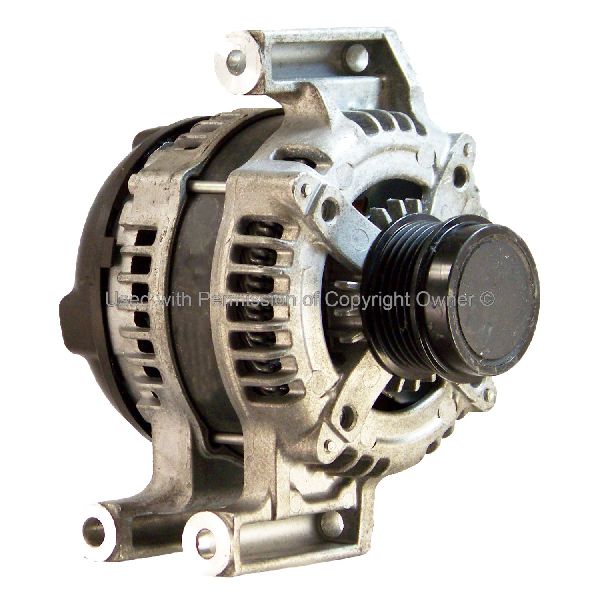
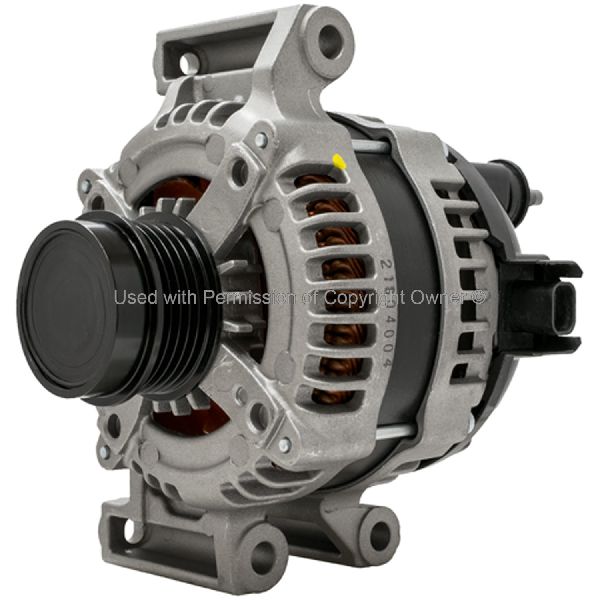
- Alternator (Generator)
(OEM #ACDelco 334-2985 (Remanufactured), ACDelco 13529304 (New))— This is the most frequent cause of P0621, as the internal voltage regulator that controls the 'L' circuit fails. The correct unit is typically a 150 Amp alternator.
Trusted brands: ACDelco, Denso
OEM price range: $300-$450
Aftermarket price range: $200-$350
Related Codes That Often Appear With This One
- P2096 — GM Technical Service Bulletin #PI1409A explicitly states that if P0621 is found with P2096 (Post Catalyst Fuel Trim System Low Limit) and no physical faults are found in the charging or exhaust systems, the recommended repair is to update the Engine Control Module (ECM) software.
- P0620 — This code relates to the 'Generator Control Circuit'. Since P0621 is a more specific fault within the generator's circuitry ('L' terminal), they can appear together if there is a significant alternator or wiring failure.
Technical Service Bulletins (TSBs) & Recalls
- PI1409A: Malfunction Indicator Lamp (MIL) Illuminated with DTCs P2096 and/or P0621 Set
- PIC6017B: Intermittent Service Charging System Message on the Driver Information Center or a Battery Malfunction Indicator Lamp during an auto stop event.
- PIC6017A: INTERMITTENT SERVICE CHARGING SYSTEM MESSAGE/ BATTERY MIL DTC P0621.
Platform-Specific Known Issues
- TSB #PI1409A: Notes that the Malfunction Indicator Lamp can illuminate with both DTC P0621 and P2096 set. The bulletin's primary instruction is to update the ECM software if no physical cause is found.
- TSB #PIC6017A / #PIC6017B: Address an intermittent 'Service Charging System' message and battery light with DTC P0621, sometimes occurring during an auto-stop event. It advises that if standard diagnostics find no fault, the dealer should contact the GM Technical Assistance Center, suggesting a deeper, less common issue.
Mechanic-Grade Diagnostic Values
- Generator 'L' Terminal Voltage (KOEO) — expected: Less than 1.0 V. Failure: Voltage is higher than 1.0 V, which the ECM may interpret as a fault.
- Generator 'L' Terminal Voltage (KOER) — expected: Greater than 3.5 V (typically a 5V, 128Hz PWM signal). Failure: Voltage is less than 3.5 V, indicating the alternator is not signaling correctly or the circuit is shorted/open.
- Alternator B+ Cable Nut Torque — expected: 15 Nm (11 ft-lbs). Failure: An improperly torqued nut can cause high resistance, heat, and intermittent charging issues.
- Chassis Ground Resistance — expected: Less than 0.1 Ω. Failure: Values above 0.1 Ω between the battery negative post and the engine block or chassis suggest a corroded or loose ground connection that can cause charging system errors.
Scan Tool Commands That Help
- GM GDS2 / Professional Scan Tool: Generator Lamp Actuation Test — To manually command the generator warning lamp on and off. This verifies if the ECM driver and the wiring to the instrument cluster are functioning, helping to isolate the fault to the alternator side of the circuit.
- GM GDS2 / Professional Scan Tool: Live Data: 'L-Terminal Circuit Status' — To monitor the ECM's internal self-test results for the L-terminal circuit (e.g., 'Short to Ground Test: OK', 'Open Circuit Test: Not Run'). This provides insight into what specific fault the ECM is detecting.
- GM GDS2 / Professional Scan Tool: Charging System Reset — Some GM vehicles require the charging system or Battery Monitor Module to be reset after replacing the alternator or battery to ensure the system relearns charging parameters correctly.
Wiring & Ground Locations
- G101 — Left front of the engine compartment, on the engine block.. This is a primary ground for the Engine Control Module (ECM). A poor connection here can cause numerous, difficult-to-diagnose codes, including P0621.
- G109 / G110 — On the left rear (G109) and left front (G110) of the engine compartment.. These are major chassis and engine grounds. Corrosion or looseness can create voltage drops that affect alternator and ECM operation.
- Alternator 2-Pin Connector — Plugged into the voltage regulator on the back of the alternator.. This connector contains the critical 'L' terminal wire (Generator Lamp Control, often brown) and the 'F' terminal wire (Field Duty Cycle). The 'L' terminal circuit is what triggers the P0621 code.
Real Owner Repair Stories
- ScannerDanner Forum (Chevrolet Truck 4.3L V6 (similar GM charging system)) — Battery light illuminates and P0621 sets, but only at high engine RPMs. Charging is normal at idle.
❌ Tried (didn't work) Replacing the alternator with an aftermarket part (twice)., Inspecting the 'L' terminal wire for shorts or opens.
✅ What actually fixed it The aftermarket alternators were faulty and failed internally only at high RPMs. Replacing the alternator with a genuine OE (Original Equipment) part resolved the issue permanently. - Reddit r/MechanicAdvice (2014 Chevrolet Malibu) — Power steering warning light appearing, multiple (15) computer modules showing codes after battery and alternator were replaced.
❌ Tried (didn't work) Replacing the battery., Replacing the alternator.
✅ What actually fixed it The issue was not fully resolved in the post, but the professional scan pointed to a faulty Battery Sensor Module and voltage regulator. This indicates a complex failure in the Regulated Voltage Control (RVC) system that was not fixed by simply replacing the alternator.
"I Checked Everything" — The Actual Cause
- In cases where P0621 is present with P2096, and physical tests of the alternator, battery, and wiring all come back clean, the root cause is often not a hardware fault. Per GM TSB #PI1409A, the actual issue is outdated Engine Control Module (ECM) software that is too sensitive. The official fix is to have a dealer reprogram the ECM with an updated calibration, which resolves the false trigger for the code.
When the Usual Fixes Don't Work
- While a faulty alternator is the most common cause, owners should be aware of two key scenarios where a new alternator does not fix the problem. First, as documented in a detailed diagnostic case, a new aftermarket alternator can be faulty out of the box, failing only at high RPMs when a genuine OE part works correctly. Second, if P0621 is accompanied by P2096, GM explicitly warns against replacing parts before checking for a required ECM software update (TSB #PI1409A), as the codes may be falsely triggered by a software glitch.
Model Year Variations Within This Range
- 2014-2015: The standard 2.5L engine in the 2014 Malibu introduced a start-stop system that was not on all prior models. This system uses a primary AGM battery under the hood and a secondary auxiliary battery in the trunk to power accessories during an auto-stop. This dual-battery setup has a more complex charging strategy (Regulated Voltage Control) and a different wiring diagram than non-start-stop models, which can affect diagnosis. TSB #PIC6017B specifically calls out faults during auto-stop events.
Helpful Videos

Used OEM Parts in Stock


New Aftermarket Parts Available



The information in this article is provided for general reference and educational purposes only. Vehicle specifications, procedures, and part compatibility can vary by production date, trim level, and region. Always consult your vehicle's factory service manual and verify part numbers before purchasing or performing repairs. Safety-critical components such as airbags, seat belts, and braking systems should be installed by a qualified professional.
- Chevrolet MALIBU:
- 🎬 Helpful Videos
- 🛍️ Shop This Part
- What's Unique About the 2014-2015 Chevrolet MALIBU
- Diagnostic Flowchart
- Symptoms You May Notice
- Most Likely Causes
- Rare But Worth Checking
- Diagnosis Steps
- Parts You'll Likely Need
- Related Codes That Often Appear With This One
- Technical Service Bulletins (TSBs) & Recalls
- Platform-Specific Known Issues
- Mechanic-Grade Diagnostic Values
- Scan Tool Commands That Help
- Wiring & Ground Locations
- Real Owner Repair Stories
- "I Checked Everything" — The Actual Cause
- When the Usual Fixes Don't Work
- Model Year Variations Within This Range
- 🎟️ Get 5% Off