

OBD-II Code P0616: Starter Relay Circuit Low
What P0616 means, why it triggers, and how to fix it
- Code P0616 indicates voltage in the starter relay control circuit has dropped below the required threshold, causing an immediate no-crank condition.
- Do not replace the $300+ starter motor first; swap the $20 starter relay with an identical one in the fuse box to instantly test for a failed relay.
- Test the battery to ensure it holds at least 12.4V at rest, as a weak battery is the leading cause of system-wide low voltage codes.
- On 2019-2022 GM trucks, inspect the engine wiring harness near the driver-side shock tower for chafing before replacing any components (TSB 21-NA-149).
- On 2007-2016 Chrysler, Dodge, and Jeep vehicles, a P0616 code often requires replacing the entire $400-$1,200 TIPM because the starter relay is permanently soldered inside.
What Does P0616 Mean?

Code P0616 means the Powertrain Control Module (PCM) detects low voltage in the starter relay control circuit. This prevents the PCM from activating the relay, resulting in an immediate no-crank condition.
Technical definition: The SAE/OBD-II definition is "Starter Relay 'A' Circuit Low". This indicates the PCM registered voltage below the expected threshold in the starter relay control circuit when commanding the starter to engage. The circuit includes the battery, ignition switch, fuses, safety switches, starter relay, and wiring.
Can I Drive With P0616?
No — Do Not Drive. Your vehicle will likely not start, or will have intermittent starting problems that worsen unpredictably. Driving is not recommended; the risk of being stranded is extremely high.
Common Causes

- Weak or Dead Battery (Very Common) — A battery with low static voltage (below 12.4V) or bad cells cannot supply enough power to properly energize the starter relay control circuit, leading to an immediate low voltage condition system-wide.
- Faulty Starter Relay (Very Common) — The starter relay is a small, high-current switch that fails from internal wear, corrosion, or electrical overload, causing it to have high internal resistance or fail to make a solid connection.
- Corroded or Damaged Wiring/Connectors (Very Common) — Wires and connectors in the starting circuit can corrode, loosen, or chafe against metal. This creates unwanted resistance, leading to a voltage drop that triggers the code.
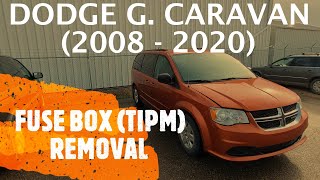
- Internal Failure of TIPM (Chrysler/Dodge/Jeep) (Common) — On many Chrysler products, the starter relay is integrated into the Totally Integrated Power Module (TIPM) and is not serviceable. A failure of this internal relay requires replacement of the entire TIPM unit. 🎬 Watch: How to replace a faulty TIPM on Chrysler vehicles
- Faulty Neutral Safety Switch or Clutch Position Sensor (Common) — These safety switches prevent the vehicle from starting in gear. If faulty, misadjusted, or corroded, they introduce high resistance into the starter relay control circuit, causing a voltage drop.
- Faulty Ignition Switch (Less Common) — The ignition switch sends the initial signal to the starter relay. Worn internal contacts fail to send a strong enough voltage signal to the PCM or BCM to properly activate the relay circuit.
- Faulty Starter Motor or Solenoid (Less Common) — The starter motor or its attached solenoid can develop an internal fault, drawing excessive current from the control circuit or creating a short, which pulls the circuit voltage down.
- Aftermarket Anti-Theft or Remote Start System Malfunction (Less Common) — Improperly installed aftermarket security systems and remote starters are often spliced into the ignition circuits. A fault within these systems interrupts the circuit or causes a significant voltage drop.
- Blown Fuse (Rare) — A blown fuse in the starter control circuit causes a complete loss of voltage. This is usually a symptom of a larger problem, like a short circuit in the wiring.
- Faulty Powertrain Control Module (PCM) (Rare) — In rare cases, the PCM's internal driver for the starter relay circuit fails and is unable to supply the correct voltage. This is the last item to consider after ruling out all other possibilities.
Symptoms

- Engine will not crank or start — When you turn the key or press the start button, nothing happens, or you only hear a single, faint click from a relay in the dash or fuse box.
- Single click from dashboard or fuse box — A faint clicking sound is heard from the fuse box area as the starter relay attempts to engage but lacks sufficient voltage to close its internal switch properly.
- Intermittent no-start condition — The car starts perfectly one time but fails to crank the next, without any predictable pattern. This is a classic sign of a failing relay or a poor connection.
- Check Engine Light is on — The vehicle's computer detects the low voltage fault in the starter relay circuit and illuminates the Malfunction Indicator Lamp (MIL) on the dashboard.
- Delayed engine cranking — There is a noticeable delay between turning the key to the 'start' position and the engine actually beginning to crank.
- Multiple seemingly unrelated warning lights (especially GM) — On certain vehicles, particularly GM trucks with known wiring issues, P0616 appears alongside a host of other unrelated error codes due to a chafed wiring harness causing multiple circuits to short.
Diagnostic Flowchart
Tap your situation to follow the diagnostic path that matches what you're seeing on this code.
Common Fixes & Costs
- Replace Starter Relay — Parts: $15-$40, Labor: $50-$80, ~0.5 hr book time (DIY)
- Clean or Replace Battery Terminals/Cables — Parts: $5-$30, Labor: $50-$100, ~0.8 hr book time (DIY)
- Repair Damaged Wiring — Parts: $10-$50, Labor: $150-$450, ~2.5 hr book time (Professional)
- Replace Fuse Box / TIPM — Parts: $400-$1200, Labor: $150-$300, ~1.5 hr book time (Professional)
- Replace Starter Motor/Solenoid — Parts: $150-$400, Labor: $150-$300, ~1.8 hr book time (Intermediate)
DIY vs Professional
- Replace Starter Relay — Beginner:
Tools: None, or a small fuse/relay puller. - Clean Battery Terminals — Beginner:
Tools: Wrench set, battery terminal brush, corrosion protection spray. - Replace Starter Motor — Beginner:
Tools: Jack and jack stands, socket/wrench set, pry bar. - Repair Damaged Wiring — Beginner:
Tools: Soldering iron, heat shrink tubing, wire strippers, multimeter, wiring diagrams. - Replace TIPM / Fuse Box — Beginner:
Tools: Socket set, trim removal tools, potentially a scan tool for programming.
Used vs. New Parts: Buying Guide
When a used part is worth it: For a major component like a starter motor, a used or remanufactured part makes sense when the vehicle is older (over 100k miles), the budget is tight, and you accept a shorter lifespan. A starter relay should always be purchased new as it is an inexpensive wear item.
Donor-vehicle mileage cap: roughly under 80000 miles for the part to have meaningful remaining life.
Donor quality checklist:
- For used starters, seek parts from low-mileage vehicles scrapped due to accidents, not engine failure.
- Remanufactured starters are often a better choice than used, as they are fully disassembled, cleaned, and reassembled with new wear components like brushes and solenoids.
- Verify the part number exactly; visual similarity is not enough.
Decision logic:
- If The required part is a starter relay → Always buy new; the cost savings for used is negligible and the risk is high.
- If Vehicle is > 100K miles AND part is a starter motor → A quality remanufactured starter offers a good balance of cost and reliability.
- If Budget is the absolute primary concern → A used starter from a reputable salvage yard is an option, but carries the highest risk of premature failure.
Warranty tradeoff: Used parts typically have a 30-90 day warranty. Remanufactured starters often come with a one-year or even a limited lifetime warranty, similar to new parts. OEM new parts carry the manufacturer's warranty, which is typically 1-2 years.
Worst-case if a used part fails: 400-800 if a used or cheap remanufactured starter fails prematurely, requiring repeat labor costs plus the price of another part.
What Happens If You Wait — Timeline
- 0-4 weeks: Intermittent failure. The code is stored, possibly as 'pending'. The car fails to start 1 out of 20 times. The driver can usually get it to start on the second or third try. (MPG impact: 0%% · Added cost: $0)
- 1-3 months: Increased failure rate. The no-start condition becomes more frequent, failing 1 out of 5 times. The risk of being stranded is significant. Repeated start attempts begin to heat up the faulty relay or wiring. (MPG impact: 0%% · Added cost: $75-$250 (Potential cost of a tow if stranded))
- 3-6 months: Permanent or near-permanent failure. The vehicle is unreliable and will not start most of the time. Towing is required to get it to a repair shop. (MPG impact: 0%% · Added cost: $75-$250 (Guaranteed cost of a tow))
- 6+ months (if ignored): Potential for collateral damage. Continuing to cycle a faulty, chattering relay or attempting to start the engine with a shorted wire overheats the circuit. This damages the starter solenoid, melts connectors, or damages the PCM's driver circuit. (MPG impact: 0%% · Added cost: $250-$1500+ (Cost of a new starter, wiring repair, or PCM on top of the original fault))
Cost of Not Fixing It
- Immediate: Intermittent no-start condition becomes a permanent no-start, leaving the driver stranded. (Added cost: 75-250)
- Weeks to Months: Repeated attempts to start with a faulty relay or wiring causes voltage spikes or excessive heat, potentially damaging the starter motor or the PCM driver circuit. (Added cost: 250-1500)
- Long-Term: The primary consequence remains being stranded. Unlike performance codes, P0616 does not typically cause cascading damage to emissions components or the engine itself. The main cost is inconvenience and towing. (Added cost: 109+)
Diagnosis Steps

- Check the Battery and Terminals
Ensure the battery is fully charged. A healthy battery reads at least 12.4V at rest. Readings below 12.3V indicate a discharged or failing battery. Clean any corrosion from the terminals. Load test the battery to ensure it can deliver sufficient amperage; a battery can show good voltage but fail under load, dropping below 7.2V during a crank.
Tools: Digital Multimeter, Battery Terminal Cleaner, Battery Load Tester (Beginner) - Inspect Fuses and Swap the Starter Relay
Locate the starter relay and related fuses in the fuse box using your owner's manual. Check for blown fuses. Swap the starter relay with an identical relay from a non-critical circuit (like the horn or A/C compressor) to see if the problem is resolved. If the car starts, the original relay is bad.
Tools: Owner's Manual, Fuse Puller (Beginner) - Visual Inspection of Wiring
Carefully inspect all visible wiring and connectors between the battery, fuse box, PCM, and starter motor. Look for signs of corrosion, loose connections, chafing, melting, or physical damage, paying close attention to where harnesses pass near sharp metal edges.
Tools: Flashlight (Beginner) - Test the Starter Relay Control Circuit
Using a multimeter and a wiring diagram, remove the starter relay. Identify the control circuit terminals in the socket (typically terminals 85 and 86). Have an assistant turn the ignition to 'start' and check for 12V across these two terminals. If voltage is low or absent, the problem is upstream (PCM, ignition switch, safety switch, or wiring).
Tools: Digital Multimeter, Vehicle-Specific Wiring Diagram, Assistant (Intermediate) - Test the Starter Motor and Solenoid
Check for constant battery voltage at the main (B+) terminal on the starter motor. Check for voltage at the small 'S' terminal on the starter solenoid when an assistant turns the key to 'start'. If you have 12V+ at the 'S' terminal but the starter doesn't crank, the starter motor/solenoid is faulty. If you have no voltage, the problem lies in the relay or control circuit.
Tools: Digital Multimeter, Assistant (Intermediate) - Test Safety Switches (Neutral/Clutch)
Consult a wiring diagram to locate the neutral safety switch (automatic) or clutch position sensor (manual). With the vehicle in Park/Neutral or the clutch depressed, test for continuity through the switch using a multimeter. The reading should be near 0 ohms. Check for voltage drop across the switch while cranking; a reading above 0.2V indicates a faulty switch.
Tools: Digital Multimeter, Wiring Diagram (Intermediate) - Pro Tip: Perform a Voltage Drop Test
To find hidden resistance, perform a voltage drop test on the starter control circuit. Connect the positive multimeter lead to the positive battery post and the negative lead to the power-in terminal (86) at the relay socket. While cranking, the reading should be less than 0.5V. Repeat on the ground side (terminal 85). A higher reading pinpoints the side of the circuit with the resistance issue.
Tools: Digital Multimeter, Assistant, Wiring Diagram (Advanced) - Pro Tip: Inspect for Known TSBs (GM Specific)
For 2019-2021 GM trucks (Silverado/Sierra), P0616 is frequently caused by a chafed engine wiring harness per TSB 21-NA-149. Inspect the harness for damage where it contacts the ECM/TCM bracket, the driver-side upper control arm, or the shock tower. Repair damaged wires and secure the harness away from sharp edges.
Tools: Flashlight, Trim Removal Tools, Electrical Tape (Advanced) - Advanced: Test Relay Coil Resistance
Remove the starter relay and use a multimeter to measure the resistance between the control circuit terminals (usually 85 and 86). A typical 12V automotive relay has a coil resistance between 50 and 150 ohms. A reading of infinite resistance (OL) means the coil is open, and a reading near zero ohms indicates a shorted coil. Replace the relay in either case.
Tools: Digital Multimeter (Advanced) - Advanced: Check PCM Voltage Threshold (Honda Specific)
On modern Honda vehicles, the PCM sets a P0616 code if it detects voltage on the starter cut relay diagnosis circuit below a specific threshold. Using a scan tool, monitor the starter cut relay circuit PID. The code triggers if the voltage is below 2.2V when the relay is commanded on. This confirms the PCM is seeing the low voltage condition.
Tools: Advanced OBD-II Scan Tool (with live data), Vehicle-Specific Service Manual (Advanced)
When This Code Triggers (Freeze-Frame Conditions)
- Engine RPM: 0 RPM (Key on, engine off (during failed crank attempt))
- Vehicle Speed: 0 mph (Vehicle is stationary)
- Battery Voltage: 10.5V - 12.0V (Voltage reading at the PCM during the start command, may be lower than static voltage)
- Engine Coolant Temp: Varies (e.g., 40-210°F) (Can occur at any engine temperature (cold or hot start failure))
Related Codes
- P0615 — P0615 indicates a general 'Starter Relay Circuit' malfunction. It is a broader code that means an open circuit, short, or performance issue. P0616 is more specific, pointing directly to a 'low voltage' condition. If both are present, the low voltage of P0616 is the likely cause of the general P0615 fault.
- P0617 — This is the opposite of P0616, indicating 'Starter Relay Circuit High'. A P0617 fault means the PCM sees voltage when it shouldn't (e.g., a short to power or a stuck relay). To tell them apart, test for missing voltage for P0616 and unexpected voltage for P0617.
- P0512 — This code for 'Starter Request Circuit Malfunction' points to a problem with the signal requesting the start, which comes from the ignition switch or BCM before it reaches the PCM. P0616 points to a problem with the PCM's output command to the relay.
- U0073 — This code means 'Control Module Communication Bus A Off'. On vehicles like GM trucks with known wiring harness issues, this code appears with P0616. The presence of both codes strongly suggests a physical wiring problem is interrupting communication and causing the starter circuit low voltage.
Climate & Environmental Factors
- Cold Weather: Cold temperatures significantly slow the chemical reactions inside a car battery, reducing its ability to produce current and lowering its output voltage. Simultaneously, cold engine oil becomes thicker, requiring the starter to draw more current. This combination makes a borderline weak battery or high-resistance connection much more likely to trigger a P0616 code.
- High Humidity / Coastal Regions: High humidity, especially in coastal areas with salt in the air, dramatically accelerates the corrosion of electrical components. Moisture seeps into connectors and non-sealed relays, causing oxidation on metal contacts. This corrosion creates unwanted resistance, leading to voltage drop in the starter relay circuit.
How to Talk to a Mechanic About This Code
Say this: "I have a P0616 code with a no-crank/intermittent crank condition. I'd like to schedule a diagnostic appointment. I've already checked the battery and tried swapping the starter relay, so I'd like you to focus on diagnosing the starter control circuit, including checking for voltage drop and inspecting the wiring."
This signals you are an informed customer. It tells the shop you've already handled the most basic steps, preventing them from charging you to re-do them. It directs them to the correct, more complex diagnostic path, saving time and showing you won't approve a new starter without proper evidence.
Avoid saying:
- 'My car won't start, can you fix it?' (Too vague, invites a parts-swapping approach)
- 'I think I need a new starter.' (Never diagnose the car for the mechanic; you might pay for a starter you don't need)
- 'Just do whatever it takes to get it running.' (This is a blank check for unnecessary repairs and upsells)
Questions to ask before authorizing the repair:
- What was the measured voltage drop on the starter relay control circuit?
- Can you show me the damaged wiring or the failed component?
- Did you check for any Technical Service Bulletins (TSBs) related to this code for my vehicle?
- What is the warranty on the proposed repair, for both parts and labor?
Where to Take It: Dealer vs Independent vs Chain
- Dealer:
Recommended if you have a GM, Chrysler, or Honda with their known specific issues, or if the vehicle is under warranty. Their access to TSBs is critical.
Best for: Vehicles under warranty, Known manufacturer-specific issues like GM wiring harness TSBs or Chrysler TIPM failures, Complex electrical issues where factory diagnostic tools and information are required
Downsides: Highest labor rates, May prefer to replace large assemblies (like a full wiring harness or TIPM) rather than perform a more targeted, cheaper repair (Typical cost: +50% vs. baseline) - Independent Shop:
Best overall fit for most P0616 scenarios, provided you find a shop with proven electrical diagnostic skills. They offer a good balance of expertise and cost.
Best for: Out-of-warranty vehicles with common electrical faults (bad relay, corroded wire, faulty ignition switch), Shops specializing in automotive electrical systems
Downsides: Quality and expertise vary widely. A general mechanic may not have the deep electrical skills needed. Vet shops carefully for ASE certifications and good reviews on electrical work. (Typical cost: +0% vs. baseline) - Chain Shop:
AVOID for P0616 diagnosis. They may correctly identify a dead battery, but are unlikely to properly diagnose a wiring, PCM, or TIPM fault, leading to misdiagnosis and unnecessary parts.
Best for: Simple, clear-cut fixes like a battery replacement.
Downsides: Technician skill is inconsistent, Often lack the advanced diagnostic tools and experience for complex electrical troubleshooting, High pressure to replace common parts like the battery or starter, even if they aren't the root cause (Typical cost: -10% vs. baseline)
When to Walk Away From the Repair
If the estimated repair cost for an electrical issue exceeds 50% of the car's private-party value, strongly consider selling the car as-is or scrapping it. Electrical problems can be notoriously difficult and costly to chase.
- Car worth $5000, fix is $350: Fix it. This is likely a starter, battery, or simple wiring fix, which is well below the threshold.
- Car worth $4000, fix is $1800: Borderline. This cost suggests a TIPM or fuse box replacement. Get a second opinion before authorizing. The risk of other electrical issues is high.
- Car worth $3000, fix is $2200: Walk away. A repair this expensive (likely a major wiring harness repair or PCM replacement) is not economical. Sell the car 'as-is' to a mechanic or scrap it.
What Scan Tool You Need for This Code
Minimum: A code reader that can display live data PIDs (Parameter IDs) and freeze frame data.
A basic $20 scanner only shows the P0616 code. It won't let you see the live battery voltage as seen by the PCM during a crank attempt, or view the status of the 'Starter Request' signal, which is crucial for diagnosis.
Budget: BlueDriver Pro Scan Tool (~$100) — Connects to your smartphone and provides access to freeze frame data and live data graphing. You can monitor system voltage in real-time to see the drop during a crank attempt, which is key to confirming the P0616 condition.
Mid-range: Foxwell NT510 Elite (~$180) — Offers all the features of the budget pick plus limited bidirectional control. This allows you to command certain relays or components to activate directly from the scanner, helping to isolate the fault without manually jumping circuits.
Professional: Autel MaxiCOM MK808 / XTOOL D7 (~$450-600) — Provides full bidirectional control to activate the starter relay on command, read manufacturer-specific codes, and access detailed information from all modules (BCM, TIPM, etc.). This level of diagnostics is necessary for complex issues involving integrated modules.
Rent vs buy: For a one-time no-start issue, many auto parts stores will read your codes for free. However, since P0616 requires live data for proper diagnosis, buying a budget pick like the BlueDriver is a smart investment for any car owner.
How to Clear the Code After You Fix It
- Use an OBD-II scan tool to erase the P0616 and any other related codes.
- Disconnecting the battery is not a reliable method for clearing codes on modern vehicles.
- Perform a complete drive cycle to allow the vehicle's readiness monitors to run.
Drive cycle (~20 minutes): A general drive cycle includes a cold start (after sitting for 8+ hours), 2-3 minutes of idling, followed by mixed city/highway driving including steady speeds around 55 mph for at least 5 minutes. The goal is to allow the onboard computer to run its self-tests.
Readiness monitors affected: This code does not directly affect emissions monitors like Catalyst or O2 sensors., However, clearing codes resets all monitors to 'Not Ready', preventing an emissions test pass until they are reset via a drive cycle.
Before emissions retest: drive at least 50 miles to fully set monitors.
Watch out for:
- The code will return immediately if the underlying electrical fault (bad relay, wiring, etc.) is not properly fixed.
- Attempting an emissions test before all required readiness monitors have been set to 'Ready' will result in a failure.
Will This Fail Emissions / State Inspection?
Yes — this code typically fails an OBD-II emissions inspection.
- California: An illuminated Check Engine Light results in an automatic failure of the smog check. After repairs, a complete drive cycle must be performed to set all readiness monitors before a retest can pass.
- New York: A vehicle automatically fails the emissions inspection if the Check Engine Light is on. After clearing the code, a drive cycle is required to set the readiness monitors; NY allows 2001 and newer vehicles to pass with one monitor 'Not Ready', and 1996-2000 vehicles with up to two 'Not Ready'.
- Texas: In the 17 counties requiring emissions testing, an illuminated Check Engine Light is an automatic failure. After repairs, the readiness monitors must be set before the vehicle can pass the OBD-II test.
Most Commonly Affected Vehicles
- Chevrolet/GMC Silverado 1500, Sierra 1500 (2019-2022) — These trucks are known to set a P0616 code, often with other random codes, due to the engine wiring harness chafing against the chassis or engine brackets. This is documented in GM TSB 21-NA-149. The fix requires repairing the wire and rerouting/securing the harness.
- Dodge/Chrysler/Jeep Grand Caravan, Town & Country, Grand Cherokee, Ram 1500 (2007-2016) — Frequently related to internal failure of the Totally Integrated Power Module (TIPM). The starter relay is soldered to a circuit board inside the TIPM and is not separately serviceable, causing a no-crank or intermittent crank.
- Honda Accord, Fit, Pilot, CR-V (2012-2023) — On many modern Hondas, this code points to a fault in the 'starter cut relay' circuit. The relay is often part of a larger, non-serviceable 'relay circuit board' inside the fuse box, which must be replaced as a unit.
- Ford F-150, Mustang (2010-2018) — On some Ford models with drive-by-wire, this code logs due to an internal PCM processor error related to the throttle actuator control system, not a fault in the starter circuit itself. This requires advanced diagnostics to differentiate.
- Subaru WRX, BRZ, Impreza, Forester (2008-2015) — On manual transmission models, this code appears due to a faulty or improperly adjusted clutch position switch. The switch fails to signal to the PCM that the clutch is depressed, preventing the starter relay from activating.
- Hyundai Elantra, Accent (2011-2016) — On some models, particularly those with automatic transmissions, this code is triggered by a faulty transmission range sensor (neutral safety switch) that prevents the starter relay circuit from completing.
- Volkswagen Jetta, Golf (2011-2018) — Caused by a faulty starter relay or a missing 12V supply to the relay coil due to a blown fuse, which the ECU interprets as a short to ground or low voltage condition.
- Mazda 3, 6 (2010-2018) — Often traced to corrosion in the fuse box connectors or a failing starter relay. Intermittent starting is a common complaint.
Manufacturer-Specific Notes
- General Motors (Chevrolet/GMC): On 2019-2022 T1 platform trucks (Silverado, Sierra), P0616 is frequently caused by a chafed engine wiring harness. GM issued TSB 21-NA-149 detailing inspection points, often near the rear of the left cylinder head or where the harness contacts the chassis/suspension components.
- Chrysler/Dodge/Jeep: Many models use a Totally Integrated Power Module (TIPM) that houses the starter relay internally on a circuit board. A P0616 code often points to a failure within the TIPM itself, which is expensive to replace and causes other random electrical problems.
- Honda: On many modern Hondas, the starter relay (often called a 'starter cut relay') is part of a larger, non-serviceable 'relay circuit board' inside the fuse box. If the relay fails, the entire board must be replaced as a single unit.
- Ford: Some Ford vehicles, particularly those with electronic throttle control, log a P0616 as an internal PCM processor error related to the throttle actuator control. This is a known software/logic quirk misdiagnosed as a starter circuit fault.
Real Owner Stories
2019 Chevrolet Silverado 1500 with 45K miles
Intermittent no-start condition. Sometimes it started fine, other times nothing happened when the key was turned. Random 'Service 4WD' and 'Trailer Brake System' messages appeared alongside the P0616 code.
What they tried:
- Tested the battery, which passed.
- Swapped the starter relay with the horn relay, but the problem persisted.
Outcome: A mechanic inspected the engine wiring harness per TSB 21-NA-149. He found a section of the harness had rubbed through against the sharp edge of the driver-side shock tower. The damaged wires were repaired and secured with anti-abrasion tape, resolving all codes and the no-start issue.
Lesson: On 2019+ GM trucks, P0616 combined with unrelated electrical codes strongly indicates a chafed wiring harness. Always inspect known chafe points (shock tower, upper control arm, ECM bracket) before replacing expensive components.
2013 Dodge Grand Caravan with 110K miles
Complete no-start, no-crank condition. Turning the key produced a single, faint click from the fuse box area, but the engine would not turn over. The battery was fully charged.
What they tried:
- Replaced the starter relay, but the new relay behaved exactly the same.
- Verified no power was sent from the relay socket to the starter solenoid 'S' terminal during a crank attempt.
Outcome: The owner discovered the starter relay is integrated into the Totally Integrated Power Module (TIPM). The faint click was from an internal relay, but the power-switching circuit inside the TIPM had failed. Replacing the entire TIPM assembly with a remanufactured Dorman unit solved the problem.
Lesson: On many Chrysler, Dodge, and Jeep vehicles, a P0616 code not solved by a simple external relay swap points to an internal TIPM failure. The relay is not separately serviceable, requiring replacement of the whole module.
2015 Honda CR-V with 95K miles
Intermittent no-start. The car failed to start once every few weeks, with no crank and no click. The check engine light illuminated with code P0616.
What they tried:
- Replaced the battery, but the issue returned a month later.
- A shop tested the starter motor, which functioned correctly.
Outcome: Dealership diagnostics revealed the 'starter cut relay' was failing. On this model, the relay is soldered onto a larger circuit board inside the main fuse box and cannot be replaced individually. The entire under-hood fuse box assembly was replaced, permanently fixing the issue.
Lesson: For modern Hondas, the 'starter relay' is often part of a non-serviceable circuit board within the fuse box. If diagnostics point to the relay, confirm if it requires replacing the entire fuse box assembly.
2017 VW Jetta with 95K miles
Car went into limp mode with the EPC light on, storing code P061600 'Starter Relay Circuit: Short to GND'. The car still started but had severely reduced power.
What they tried:
- An independent mechanic swapped the starter relay with a known good one, but the code immediately returned.
- Checked all related fuses, finding them intact.
Outcome: A dealership technician discovered a poorly installed aftermarket anti-theft tracking device tapped into the starter relay circuit. The device caused the voltage drop the ECU detected. Removing the aftermarket device and repairing the factory wiring resolved the code and limp mode.
Lesson: If your vehicle has aftermarket remote start or anti-theft systems, suspect them first for starter circuit codes. Improper splices into ignition wiring are a frequent cause of voltage drops.
How to Prevent This Code From Triggering
- Perform regular battery and terminal maintenance (Every 6 months) — A weak battery or corroded terminals are the leading causes of low voltage system-wide. Regularly cleaning the battery posts and ensuring they are tight prevents resistance buildup that triggers P0616.
- Apply dielectric grease to critical connectors (When replacing a component or as needed) — Applying a thin layer of dielectric grease to relay pins and the starter solenoid connector seals out moisture and prevents corrosion. Corrosion creates high resistance, the primary cause of voltage drop.
- Inspect and secure engine bay wiring harnesses (During every oil change) — Vibrations cause wiring harnesses to rub against sharp metal edges, leading to chafing and short circuits. Periodically check that harnesses are properly secured in their clips.
- Avoid excessive short-trip driving (Daily habit) — Frequent starting cycles cause rapid wear on the starter relay contacts and the starter motor. Combining trips reduces the number of start events, prolonging the life of the starting system.
Frequently Asked Questions
What are the most common misdiagnosis mistakes for P0616?
The single biggest mistake is replacing the starter motor without performing a proper diagnosis. The code specifically points to a problem in the relay's control circuit. Always test the battery, swap the relay, and check for voltage at the relay socket before condemning the starter.
Will a P0616 code fail a smog check?
Yes, in most jurisdictions, any active Diagnostic Trouble Code (DTC) that illuminates the Check Engine Light results in an automatic smog check failure. The fault must be repaired and the code cleared before the vehicle can pass.
Why is the P0616 code stored but my Check Engine Light isn't on?
The PCM stores a fault as a 'pending' code if the low voltage condition is detected sporadically. In this state, the code is stored in memory and readable by a scanner, but it has not occurred frequently enough to illuminate the Check Engine Light.
I hear a single click when I turn the key. What does that mean?
A single, loud click from the engine bay usually means the starter relay is working, but the starter motor is failing. A faint click from the fuse box suggests the starter relay lacks sufficient power to activate, aligning perfectly with a P0616 fault.
My car starts sometimes. Can it still be the starter relay?
Yes, intermittent starting is a classic symptom of a failing starter relay. The relay's internal contacts wear out or corrode over time, causing them to make a solid connection only occasionally.
How much does it cost to diagnose a P0616 code?
A professional diagnostic fee for an electrical no-start issue typically ranges from $120 to $180. This fee covers the first hour of a technician's time to trace the circuit and pinpoint the exact cause.
What does 'Circuit Low' actually mean?
'Circuit Low' means the computer detects less voltage than expected. This is caused by unwanted resistance from a bad connection, a failing component, a short to ground, or a weak battery.
Key Takeaways
- Code P0616 indicates voltage in the starter relay control circuit has dropped below the required threshold, causing an immediate no-crank condition.
- Do not replace the $300+ starter motor first; swap the $20 starter relay with an identical one in the fuse box to instantly test for a failed relay.
- Test the battery to ensure it holds at least 12.4V at rest, as a weak battery is the leading cause of system-wide low voltage codes.
- On 2019-2022 GM trucks, inspect the engine wiring harness near the driver-side shock tower for chafing before replacing any components (TSB 21-NA-149).
- On 2007-2016 Chrysler, Dodge, and Jeep vehicles, a P0616 code often requires replacing the entire $400-$1,200 TIPM because the starter relay is permanently soldered inside.
Helpful Videos

The information in this article is provided for general reference and educational purposes only. Vehicle specifications, procedures, and part compatibility can vary by production date, trim level, and region. Always consult your vehicle's factory service manual and verify part numbers before purchasing or performing repairs. Safety-critical components such as airbags, seat belts, and braking systems should be installed by a qualified professional.
- 🎬 Helpful Videos
- What Does P0616 Mean?
- Can I Drive With P0616?
- Common Causes
- Symptoms
- Diagnostic Flowchart
- Common Fixes & Costs
- DIY vs Professional
- Used vs. New Parts: Buying Guide
- What Happens If You Wait — Timeline
- Cost of Not Fixing It
- Diagnosis Steps
- When This Code Triggers (Freeze-Frame Conditions)
- Related Codes
- Climate & Environmental Factors
- How to Talk to a Mechanic About This Code
- Where to Take It: Dealer vs Independent vs Chain
- When to Walk Away From the Repair
- What Scan Tool You Need for This Code
- How to Clear the Code After You Fix It
- Will This Fail Emissions / State Inspection?
- Most Commonly Affected Vehicles
- Manufacturer-Specific Notes
- Real Owner Stories
- 2019 Chevrolet Silverado 1500 with 45K miles
- 2013 Dodge Grand Caravan with 110K miles
- 2015 Honda CR-V with 95K miles
- 2017 VW Jetta with 95K miles
- How to Prevent This Code From Triggering
- Frequently Asked Questions
- What are the most common misdiagnosis mistakes for P0616?
- Will a P0616 code fail a smog check?
- Why is the P0616 code stored but my Check Engine Light isn't on?
- I hear a single click when I turn the key. What does that mean?
- My car starts sometimes. Can it still be the starter relay?
- How much does it cost to diagnose a P0616 code?
- What does 'Circuit Low' actually mean?
- Key Takeaways
- 🎟️ Get 5% Off