

P0615 on 2007-2009 Cadillac SRX: Starter Relay Circuit Fault Causes and Fixes
P0615 on a 2007-2009 SRX typically means a faulty starter relay, causing a no-start condition. This is often a simple, inexpensive fix. However, if it appears with other communication codes (U-codes), suspect a more complex wiring issue as described in GM Technical Service Bulletin #PIC4740E, which points to a chafed transmission harness.
- P0615 on your SRX means there's a problem in the starter relay circuit, usually causing a no-start condition.
- Before buying any parts, check for other trouble codes. If you see communication codes (U-codes), the problem is likely a known wiring harness issue near the transmission (TSB #PIC4740E).
- If P0615 is the only code, the most likely fix is a cheap and easy-to-replace starter relay. Try swapping it with the horn relay to diagnose.
- Do not immediately assume you need a new starter motor; this is a common and expensive misdiagnosis.
What's Unique About the 2007-2009 Cadillac SRX
For the first-generation Cadillac SRX and its platform mates (CTS, STS), P0615 can be more than just a bad relay. A critical Technical Service Bulletin (TSB #PIC4740E) links this code to a dozen others, including many communication (U-codes) and chassis (C-codes) faults. When multiple codes are present, the TSB points to a known issue of the transmission wiring harness chafing against brackets or having unseated connector pins near the transmission. This makes it crucial to check for other codes before assuming the fix is a simple relay swap.
Diagnostic Flowchart
Tap your situation to follow the diagnostic path that matches what you're seeing on this vehicle.
Symptoms You May Notice
- Engine does not crank or turn over
- Intermittent no-start condition, where the engine sometimes starts and sometimes doesn't.
- A single, audible click from the engine bay when turning the key, but the starter does not engage.
- Check Engine Light is illuminated on the dashboard
- Dash resets or flickers when attempting to start.
- In cases related to wiring harness issues, other warning lights (ABS, StabiliTrak) may appear, and the transmission may behave erratically. [⭐ MANUFACTURER TSB — highest authority]
- Replacing the starter motor when the problem is a simple and inexpensive relay.
- Replacing the battery when it is fully charged, because the no-crank symptom mimics a dead battery.
Most Likely Causes
- Faulty Starter Relay 🔴 High Probability Relays are electromechanical switches with a finite lifespan subject to wear from repeated use and engine bay heat. This is the most common failure point for an isolated P0615 code.
How to confirm: Locate the starter relay in the under-hood fuse box. Swap it with an identical relay from a non-critical circuit (like the horn or fog lights). If the car starts, the relay is bad. This is a definitive and simple test.
Typical fix: Replace the starter relay.
Est. part cost: $10-$30 - Chafed or Damaged Wiring Harness 🟡 Medium Probability As documented in TSB #PIC4740E, the transmission wiring harness can be prone to damage or connection issues, causing a variety of electrical faults, including P0615. This is highly probable if other communication codes are present.
How to confirm: Visually inspect the wiring harness that runs down to the transmission for any signs of rubbing, chafing, melting, or corrosion, paying close attention to where it is secured by brackets or passes near hot/moving parts. Check the main connector at the transmission for unseated pins. A 'wiggle test' on the harness while a helper tries to start the car can sometimes reveal the fault location.
Typical fix: Repair the damaged section of the wiring harness using solder and heat shrink, and secure it away from any potential sources of damage. Reseat any loose connector pins.
Est. part cost: $5-$50 for repair materials - Blown Fuse ⚪ Low Probability
How to confirm: Check the fuses related to the starting and ignition circuits (often labeled 'CRNK' or 'STARTER') in the under-hood fuse box. Your owner's manual will have a diagram. Visually inspect the fuse and test for continuity with a multimeter.
Typical fix: Replace the blown fuse with a new one of the exact same amperage rating. A blown fuse often indicates an underlying short circuit that should be investigated.
Est. part cost: $1-$5 - Faulty Starter Motor or Solenoid ⚪ Low Probability
How to confirm: If the starter relay is confirmed to be working and sending power, but the starter does not engage, the starter itself is suspect. 🎬 Watch: How to diagnose a bad starter on your Cadillac SRX. A voltage check at the starter's main terminal and the small solenoid 'S' terminal during a crank attempt can confirm this. You should see battery voltage at the 'S' terminal when the key is turned to 'START'.
Typical fix: Replace the starter motor assembly.
Est. part cost: $150-$400
Rare But Worth Checking
- Faulty Ignition Switch: The ignition switch sends the initial signal to the BCM to request a crank. While not a common failure point for this specific code, it can cause a no-crank condition and should be considered if other causes are ruled out.
- Faulty Engine Control Module (ECM): In rare cases, the driver circuit within the ECM that controls the starter relay can fail. This is an expensive last resort and should only be considered after all other possibilities, especially wiring, have been exhaustively checked by a professional.
Diagnosis Steps
- Scan for all stored Diagnostic Trouble Codes (DTCs). If multiple communication (U-prefix) or other system codes are present with P0615, immediately suspect a wiring harness issue as described in TSB #PIC4740E. Proceed to step 8.
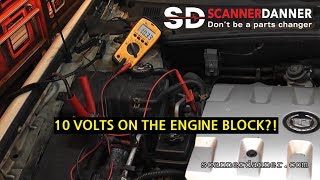
- If P0615 is the only code, begin with simple checks. Ensure the battery is fully charged (above 12.4V) and the terminals are clean and tight. 🎬 See how a bad engine block ground can cause no-crank issues. Voltage should not drop below 9.5V during a crank attempt.
- Consult the owner's manual to locate the under-hood fuse box. Identify the fuse(s) for the starter circuit (e.g., 'STARTER') and verify they are not blown.
- Locate the starter relay (often labeled 'STARTER RELAY MINI'). Swap this relay with an identical one from a less critical system, such as the horn or fog lights, to see if the problem is resolved. This is the fastest way to test the relay.
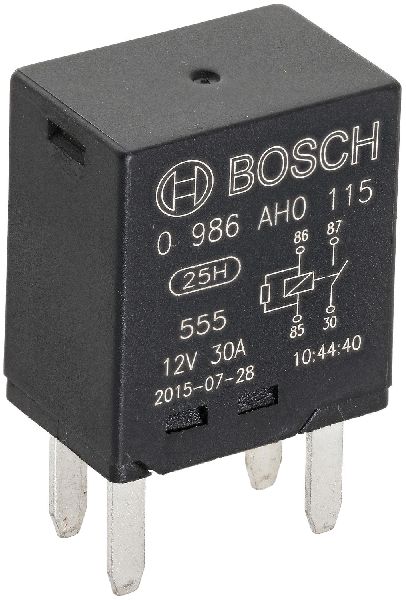
- If the relay swap does not work, use a multimeter to check the relay socket. With the key in the 'START' position, you should find 12V power on one terminal of the relay's control circuit (pin 86) and ground on the other (pin 85, which is controlled by the ECM).
- If the control circuit is not being energized (no power or ground), the problem lies upstream (wiring, ignition switch, BCM, or ECM).
- If the control circuit is working, check for constant battery voltage at the high-amperage 'supply' terminal in the relay socket (pin 30). If voltage is present there and the relay clicks, but the car doesn't start, the issue is likely the starter motor itself or the high-amperage wire leading to it (from relay pin 87).
- If multiple codes were found in step 1, perform a thorough visual and physical inspection of the transmission wiring harness for any signs of chafing, melting, or damage, especially where it passes near or is secured to chassis/engine brackets.
Parts You'll Likely Need
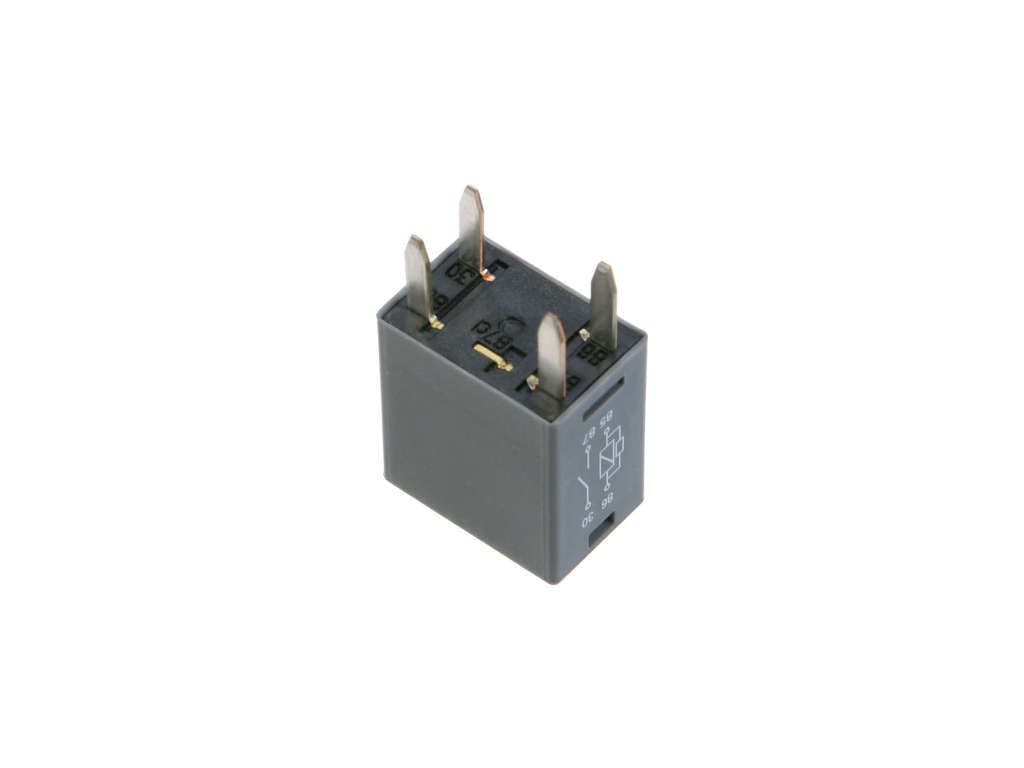
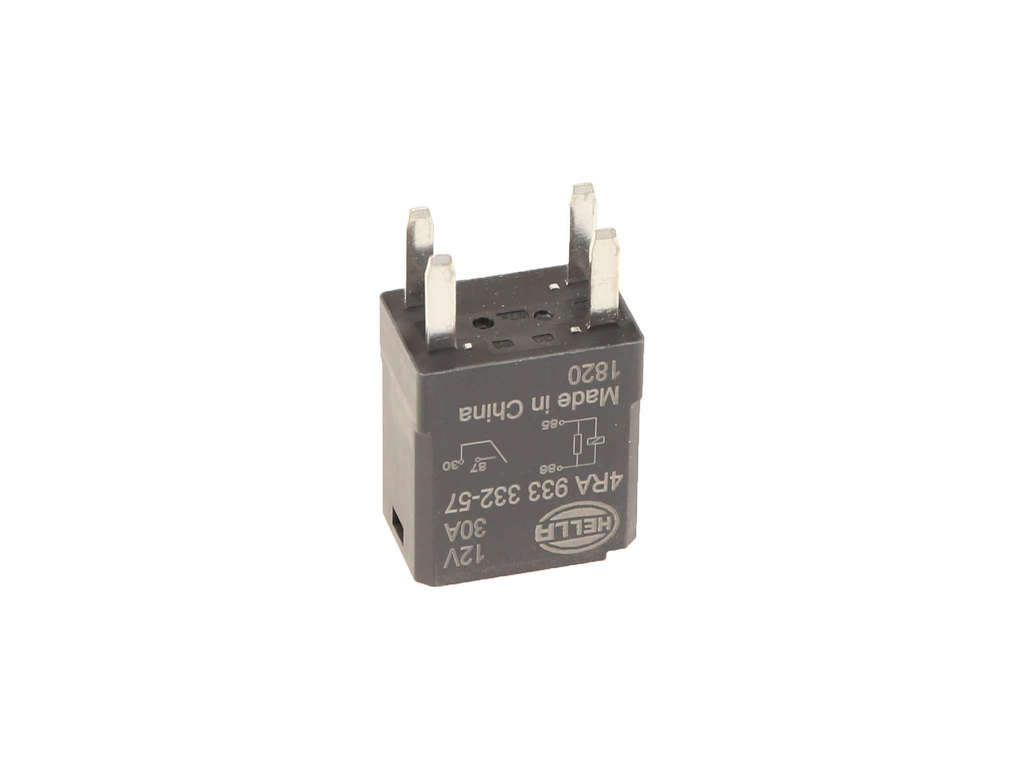
- Starter Relay
(OEM #13500114 (ACDelco D1786C))— This is the most common and simplest fix for an isolated P0615 code causing a no-start condition.
Trusted brands: ACDelco, Standard Motor Products, Duralast
OEM price range: $20-$40
Aftermarket price range: $10-$25 - Starter Motor
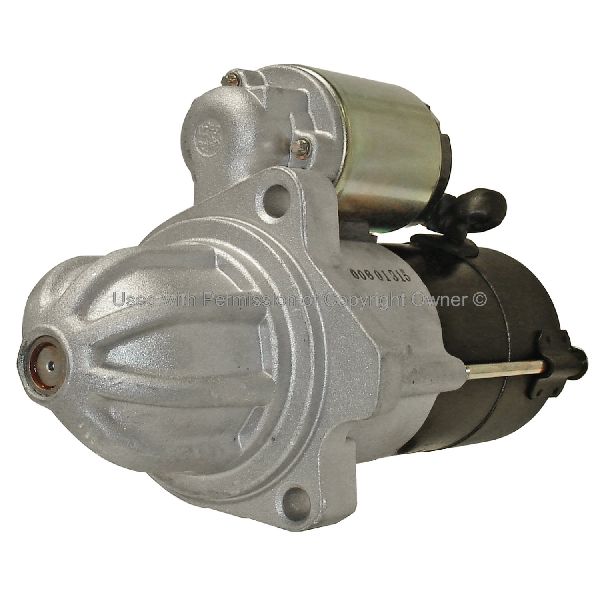
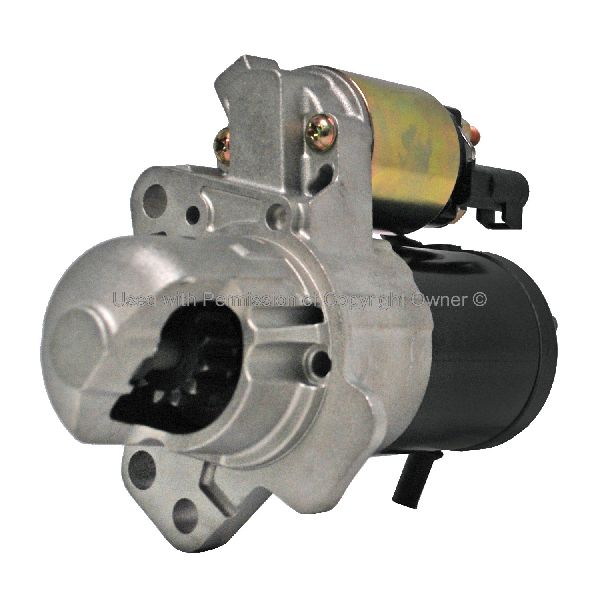
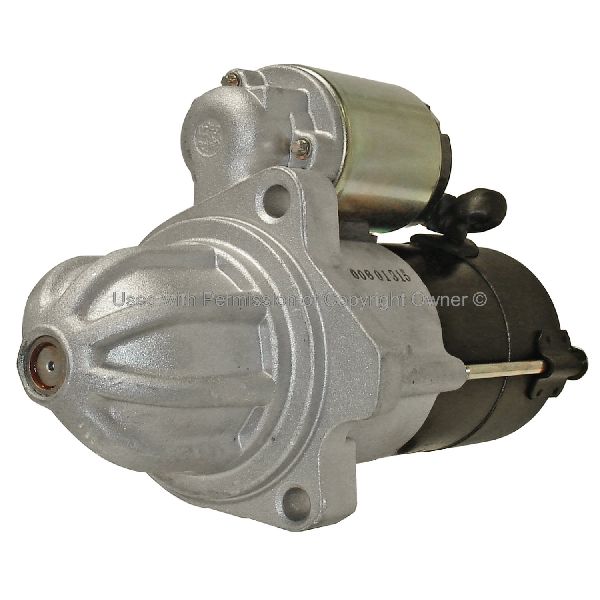
(OEM #12644788 (For 3.6L V6))— If the relay and its circuit are functioning correctly, the starter motor assembly (which includes the solenoid) is the next most likely component to have failed.
Trusted brands: ACDelco (GM Genuine), Bosch (Remanufactured), Denso
OEM price range: $250-$450
Aftermarket price range: $150-$300
Related Codes That Often Appear With This One
- U0073, U0100, U0121, U2100 — These are communication codes indicating a loss of communication with various modules (ECM, ABS, etc.). When seen with P0615, it strongly suggests the wiring harness issue described in TSB #PIC4740E is the root cause. [2, ⭐ MANUFACTURER TSB — highest authority]
- C0561, C0242 — These are chassis and ABS-related codes. Their presence with P0615 also points towards the broader electrical communication failure mentioned in TSB #PIC4740E. [⭐ MANUFACTURER TSB — highest authority]
- P0700 — This is a general Transmission Control Module (TCM) fault request. It often appears when there are transmission-related electrical issues, such as the wiring harness problem cited in the TSB. [2, ⭐ MANUFACTURER TSB — highest authority]
Technical Service Bulletins (TSBs) & Recalls
- PIC4740E: Addresses a condition where the vehicle may not start and multiple DTCs are stored, including P0615, C0242, C0561, P0700, and multiple U-codes. It advises technicians to inspect the transmission wiring harness for chafing and check for unseated terminals in the main connector. [⭐ MANUFACTURER TSB — highest authority]
Platform-Specific Known Issues
- A known issue documented in TSB #PIC4740E involves the transmission wiring harness. Damage or poor connections in this harness can cause P0615 along with a host of other communication and module codes, leading to symptoms like the transmission cycling while driving or loss of communication between modules. The chafing often occurs where the harness is routed near metal brackets. [⭐ MANUFACTURER TSB — highest authority, 2]
Mechanic-Grade Diagnostic Values
- System Voltage during Crank Request — expected: 9.5V - 18V. Failure: Voltage dropping below 9.5V indicates a battery or connection issue, not necessarily a P0615 fault.
- Starter Relay Control Circuit Voltage (at relay socket) — expected: 5V - 12V when key is turned to START. Failure: 0V indicates a problem upstream (ECM, BCM, ignition switch, wiring).
- Ground Circuit Resistance — expected: < 0.1 Ω. Failure: Higher resistance indicates a corroded or loose ground connection, which can trigger the code.
- Engine Block to Chassis Ground Voltage Drop — expected: Near 0V. Failure: Significant voltage reading (e.g., several volts) between the engine block and a good chassis ground during a crank attempt indicates a bad engine ground strap.
Wiring & Ground Locations
- STARTER RELAY MINI — In the under-hood fuse block, located at the right front of the engine compartment.. This is the primary relay that the ECM controls to engage the starter. It is the most common component to fail for an isolated P0615.
- STARTER Fuse — In the under-hood fuse block. It is a large J-Case style fuse.. This fuse protects the high-amperage circuit that feeds the starter solenoid. While not on the control side that sets the code, a failure here will cause a no-crank and can be related to a short circuit.
- G100 — On the right rear of the engine (for the 4.6L V8).. This is a primary engine ground. A poor connection here can cause a voltage drop across the engine block, leading to a variety of electrical issues, including starting problems.
- G103 — On the left side of the engine block, closer to the oil pan.. This is another critical engine-to-chassis ground point. The starter motor relies on the engine block having a solid ground path back to the battery. A bad ground here can cause a no-crank and mimic starter failure.
Real Owner Repair Stories
- ScannerDanner YouTube Channel (Cadillac (model not specified, but with battery in rear, similar to SRX)) — No crank, no start. Dash lights up, but nothing happens when turning the key. Clicking noises.
❌ Tried (didn't work) Initially suspected a bad positive battery cable from the rear-mounted battery., Checking voltage at the under-hood power distribution box gave confusing readings (2V when using engine block as ground, 12V when using strut tower as ground).
✅ What actually fixed it The main engine block ground strap was bad. The starter motor current could not return to the battery through the engine and frame, causing the engine block itself to have a high voltage potential relative to the chassis. Replacing the corroded/failed engine ground strap resolved the no-start condition.
OEM Part Supersession History
Multiple (e.g., 12088567, 12135170, 12193606, 19116057)→13500114— Part consolidation and design updates by General Motors over many years and vehicle platforms.
Heads up: The relay 13500114 is a common multi-purpose relay used in many GM vehicles. While many older part numbers are superseded by it, always verify fitment for the specific 'Starter Relay' application, as other relays in the fuse box may look identical but have different internal resistance or diode protection.
Helpful Videos
Used OEM Parts in Stock


New Aftermarket Parts Available

The information in this article is provided for general reference and educational purposes only. Vehicle specifications, procedures, and part compatibility can vary by production date, trim level, and region. Always consult your vehicle's factory service manual and verify part numbers before purchasing or performing repairs. Safety-critical components such as airbags, seat belts, and braking systems should be installed by a qualified professional.
- Cadillac SRX:
- 🎬 Helpful Videos
- 🛍️ Shop This Part
- What's Unique About the 2007-2009 Cadillac SRX
- Diagnostic Flowchart
- Symptoms You May Notice
- Most Likely Causes
- Rare But Worth Checking
- Diagnosis Steps
- Parts You'll Likely Need
- Related Codes That Often Appear With This One
- Technical Service Bulletins (TSBs) & Recalls
- Platform-Specific Known Issues
- Mechanic-Grade Diagnostic Values
- Wiring & Ground Locations
- Real Owner Repair Stories
- OEM Part Supersession History
- 🎟️ Get 5% Off