

P0607 on 2019 Jeep Cherokee: Control Module Performance Explained
On a 2019 Jeep Cherokee, P0607 most often points to a software glitch in the Powertrain Control Module (PCM). Before replacing any hardware, check for available software updates from a Jeep dealer, as this is a common fix documented in several Technical Service Bulletins. Low battery voltage or poor ground connections are also very common secondary causes.
- For a 2019 Jeep Cherokee, P0607 is very often a software issue that can be fixed with a PCM update from a dealer.
- Always test the battery and check all main power and ground connections before considering PCM replacement. These are common, inexpensive fixes.
- This code is serious and can cause stalling or a no-start condition, so it should be addressed promptly.
- Due to the need for specialized tools for software updates and diagnostics, this code is best handled by a professional technician or a Jeep dealership.
What's Unique About the 2019-2019 Jeep CHEROKEE

For the 2019 Jeep Cherokee (KL generation), the code P0607 is frequently associated with software issues that can be resolved with a PCM update. Jeep has released multiple Technical Service Bulletins (TSBs) that bundle a fix for P0607 along with other codes, suggesting that software calibration is a primary factory solution before condemning the hardware. Modern Jeeps are also highly sensitive to voltage fluctuations, and issues like a weak battery, failing alternator, or poor grounds are known to trigger this code, sometimes more often than an actual PCM failure.
Diagnostic Flowchart
Tap your situation to follow the diagnostic path that matches what you're seeing on this vehicle.
Symptoms You May Notice
- Check Engine Light is on
- Vehicle may stall or shut down while driving, sometimes intermittently
- Engine may not start, or has difficulty starting (cranks but does not fire)
- Reduced engine power or sluggish acceleration
- Vehicle enters 'limp mode'
- Erratic or harsh transmission shifting
- Poor fuel economy
- Unpredictable braking or stability control warnings if communication with the brake module is affected
- Replacing the PCM before checking for software updates.
- Replacing sensors when the root cause is a voltage or ground issue affecting the entire system.
- Overlooking a weak battery that still passes a simple voltage test but fails under load.
Most Likely Causes

- PCM Software Requires Update 🔴 High Probability Multiple TSBs (18-161-22, 1807722, 1802021, 1808420REVA) for the 2019 model year include software fixes that address P0607, indicating it's a known issue solvable by a reflash. These updates often correct calibration errors that cause the PCM to incorrectly flag an internal fault.
How to confirm: A Jeep dealership or a qualified shop with access to OEM software (wiTECH) must check for and apply any available PCM updates by referencing the vehicle's VIN.
Typical fix: Reprogramming the PCM with the latest manufacturer software. The flash process takes approximately 6-10 minutes once connected.
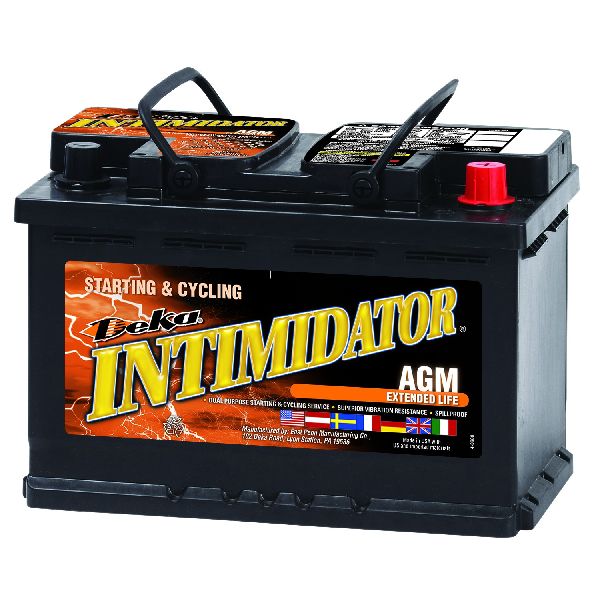
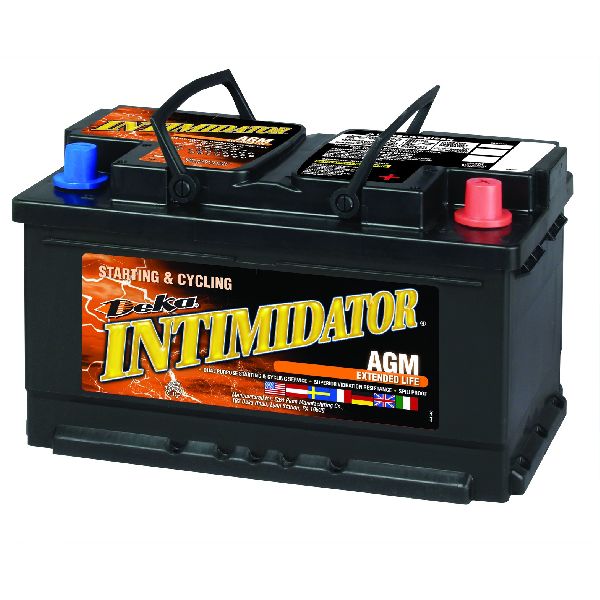
Est. part cost: $0-$0 - Weak or Failing Battery 🟡 Medium Probability Modern control modules are highly sensitive to voltage. A weak battery, especially one with a bad cell, can cause voltage drops during startup or when the auto start-stop system engages, leading the PCM to incorrectly report an internal fault. Several owners report that replacing a battery that tests 'OK' but is a few years old resolves mysterious electrical issues.
How to confirm: Test the battery with a digital multimeter or an electronic battery tester. A healthy battery should read approximately 12.6 volts with the engine off and 13.7-14.7 volts with the engine running. A load test is more definitive. A voltage drop test during cranking should not fall below 10 volts.
Typical fix: Replace the vehicle's 12V battery. The 2019 Cherokee may also have an auxiliary battery for the start-stop system that can cause issues.
Est. part cost: $150-$350 - Poor Power or Ground Connections 🟡 Medium Probability Loose or corroded battery terminals, main chassis grounds, or PCM ground straps can create intermittent voltage issues that trigger this code. One forum user on a similar Jeep platform reported a fix was simply cleaning paint off a ground connection point to ensure bare metal contact. 🎬 Watch: How to find and clean problematic Jeep ground connections. Another noted a loose, stripped negative battery cable was the culprit.
How to confirm: Visually inspect and physically check the battery terminals, main chassis grounds (often near the battery on the fender), and the engine-to-chassis ground straps for tightness and corrosion. Check resistance on ground circuits; it should be below 0.1 Ω.
Typical fix: Clean all relevant power and ground connection points with a wire brush until shiny and tighten securely.
Est. part cost: $0-$20 - Failing Powertrain Control Module (PCM) ⚪ Low Probability While less common than software or voltage issues, the internal circuitry of the PCM can fail due to heat, vibration, or moisture intrusion. This is often a diagnosis of last resort.
How to confirm: This is a diagnosis of exclusion. If all software updates have been performed and power/ground circuits are verified to be stable and clean, the PCM itself is the likely culprit.
Typical fix: Replace the PCM and program the new unit to the vehicle's VIN and configuration. This requires specialized tools. 🎬 See this walkthrough on diagnosing and replacing a failed control module.
Est. part cost: $500-$1000
Rare But Worth Checking
- Failing Alternator: An alternator that provides unstable or low voltage (or has a bad internal diode causing a parasitic drain) can cause the PCM to malfunction and set a P0607 code. This should be checked along with the battery.
- Wiring Harness Issues: A short or open in the power or ground circuit wiring leading to the PCM can mimic a module failure. This could be from physical damage or corrosion within the harness.
Diagnosis Steps
- Scan for All DTCs: Check if P0607 appears with other codes. Note any codes mentioned in the TSBs, as this strongly points toward a required software update.
- Check for TSBs: This is the most critical first step. A Jeep dealer or qualified shop must use the VIN to check for applicable PCM software updates like TSB #18-161-22. This is the most likely fix.
- Test the Battery and Charging System: Perform a comprehensive test. Check for a static charge of ~12.6V, charging voltage of 13.7-14.7V, and ensure voltage does not drop below 10V during cranking. A battery can have sufficient voltage but fail a load test.
- Inspect Power and Ground Connections: Carefully inspect the battery terminals, cables, and the main PCM/engine ground straps. Look for looseness, corrosion, or paint interfering with the connection. Clean and tighten as necessary.
- Inspect PCM Wiring and Connectors: Check the wiring harness and connectors at the PCM for any signs of damage, moisture intrusion, or loose pins. Ensure connectors are fully seated.
- Perform PCM Reflash: If an update is available, have the PCM reprogrammed. Dealers are instructed to use a battery charger during the flash to ensure voltage stays stable (between 13.2 and 13.5 volts).
- Diagnose PCM: If all other steps fail to resolve the issue, the PCM is likely faulty and requires replacement and programming.
Parts You'll Likely Need
- Powertrain Control Module (PCM) Software Update — This is the most common fix for a 2019 Cherokee, as documented by multiple manufacturer TSBs.
Trusted brands: Mopar
OEM price range: $150-$250
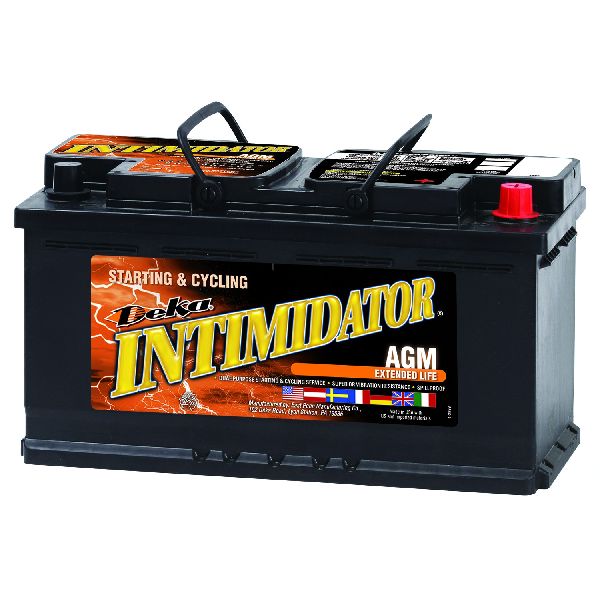
Aftermarket price range: N/A - 12V Battery — A weak battery is a frequent cause of voltage-related module errors like P0607.
Trusted brands: Mopar, Interstate, DieHard
OEM price range: $200-$350
Aftermarket price range: $150-$250 - Powertrain Control Module (PCM)
(OEM #68397063AA (for 2.4L engine, verify with VIN))— This is the last resort if software and electrical issues are ruled out. The module itself has failed.
Trusted brands: Mopar
OEM price range: $800-$1200
Aftermarket price range: $400-$800
Related Codes That Often Appear With This One
- P062A — Mentioned in TSB #18-161-22, indicating a related software issue with fuel pump control.
- P0616 — Mentioned in TSBs #1807722, #1802021, and #1808420REVA, related to the starter control circuit, suggesting a broader electrical or software update is needed.
- P258A — Mentioned in TSBs #1807722, #1802021, and #1808420REVA, related to the electric vacuum pump circuit, often addressed in the same software updates.
- U0402 — Implausible Data Received From TCM. On platform mates like the Chrysler 200, PCM updates were issued to resolve communication issues with the Transmission Control Module (TCM), which can be related.
Technical Service Bulletins (TSBs) & Recalls

- 18-161-22: Addresses P0607 along with fuel injection and battery monitor codes via a software update for the 2.0L Turbo engine.
- 1807722: Includes a fix for P0607 as part of a software update for exterior lightin
Platform-Specific Known Issues
- The 2019 Jeep Cherokee has several Technical Service Bulletins (TSBs) where a software update is the specified fix for P0607, often bundled with other seemingly unrelated codes. This strongly indicates a need to check software before replacing hardware.
- Owners on forums frequently report that intermittent and difficult-to-diagnose electrical issues on the KL Cherokee platform are ultimately resolved by replacing an aging battery, even if it passes basic tests.
- The auto start-stop feature can put extra strain on the battery system, potentially revealing underlying weaknesses that lead to codes like P0607.
Mechanic-Grade Diagnostic Values
- PCM Power Pin Voltage (Key ON) — expected: 12.2 V ± 0.5 V. Failure: Voltage below this range indicates a power supply issue (battery, alternator, wiring).
- PCM Ground Circuit Resistance — expected: Below 0.1 Ω. Failure: Higher resistance indicates a corroded or loose ground connection that needs to be cleaned or tightened.
- Charging System Voltage (Engine Running) — expected: 13.5 V to 14.5 V. Failure: Voltage outside this range suggests a failing alternator or battery, a common trigger for P0607.
- Battery Voltage During PCM Flash — expected: Stable between 13.2 V and 13.5 V. Failure: Voltage dropping below 13.2V or climbing above 13.5V can interrupt or corrupt the reflash process, potentially damaging the PCM.
Scan Tool Commands That Help
- wiTECH 2.0: PCM Replace — When installing a used or new PCM. This function is necessary to write the vehicle's VIN to the module and synchronize it with the security system (Wireless Control Module/WCM).
- wiTECH 2.0: Restore Vehicle Configuration — After a module replacement, this function restores vehicle-specific settings and can program the mileage into the new PCM. Requires an online subscription.
- AlfaOBD: Write VIN / Copy SKIM to PCM — An aftermarket alternative to wiTECH for programming a used PCM. It can be used to write the VIN and transfer the Sentry Key Immobilizer Module (SKIM) data to the replacement PCM, which is necessary for the engine to start.
Wiring & Ground Locations

- GPECII To Front End Rail Ground Strap — This braided metal strap connects the Powertrain Control Module (GPECII) case or a nearby engine stud to the front end rail of the chassis.. This is a critical ground path for the PCM. Corrosion or a break in this strap (Part # 68371295AB) can cause unstable voltage and trigger a P0607 code.
- Main Battery Ground — A large 6-gauge wire running from the battery's negative terminal directly to a stud on the engine block, often near the motor mount.. This is the primary ground for the entire powertrain system, including the PCM. High resistance here affects all electronics.
- PCM Connector C1 - Power/Ground Pins — On the main connectors of the PCM. While pinouts vary, key pins to test include Fused B(+) power feeds and dedicated ground pins.. Directly testing for battery voltage at the PCM's power input pins and for low resistance to ground on the ground pins is the definitive way to confirm the module is receiving proper power.
Real Owner Repair Stories
- Jeep Wrangler Forums (JL / JLU) user (Jeep Wrangler (similar platform)) — Check Engine Light with code P0607.
❌ Tried (didn't work) Initial visual inspection.
✅ What actually fixed it The dealer service department found a ground connection bolt that still had paint on it from the factory. They removed the bolt, cleaned the paint off to create a bare metal connection, and reinstalled it. This cleared the P0607 code.
OEM Part Supersession History
68371295AA→68371295AB— Part revision or supplier change for the GPECII to Front End Rail ground strap.
Helpful Videos
Used OEM Parts in Stock


New Aftermarket Parts Available


The information in this article is provided for general reference and educational purposes only. Vehicle specifications, procedures, and part compatibility can vary by production date, trim level, and region. Always consult your vehicle's factory service manual and verify part numbers before purchasing or performing repairs. Safety-critical components such as airbags, seat belts, and braking systems should be installed by a qualified professional.
- Jeep CHEROKEE:
- 🎬 Helpful Videos
- 🛍️ Shop This Part
- What's Unique About the 2019-2019 Jeep CHEROKEE
- Diagnostic Flowchart
- Symptoms You May Notice
- Most Likely Causes
- Rare But Worth Checking
- Diagnosis Steps
- Parts You'll Likely Need
- Related Codes That Often Appear With This One
- Technical Service Bulletins (TSBs) & Recalls
- Platform-Specific Known Issues
- Mechanic-Grade Diagnostic Values
- Scan Tool Commands That Help
- Wiring & Ground Locations
- Real Owner Repair Stories
- OEM Part Supersession History
- 🎟️ Get 5% Off