

P0607 on 2015 Dodge Challenger: Control Module Performance Causes and Fixes
On a 2015 Dodge Challenger, code P0607 almost always points to a software issue. Before replacing the expensive Powertrain Control Module (PCM), check for available software updates (reflash) from a Dodge dealer, as specified in multiple Technical Service Bulletins (TSBs). A weak battery or poor grounds are also common culprits that should be checked first.
- For a 2015 Dodge Challenger, P0607 is most likely caused by a software issue, not a failed computer.
- The first and most important step is to check with a Dodge dealer if your vehicle needs a PCM software update according to TSB #18-061-17 or related bulletins.
- Before considering a costly PCM replacement, always test the battery and charging system, and inspect the PCM's power and ground connections.
- This is not a DIY-friendly repair; fixing it correctly usually requires specialized dealer tools to update the vehicle's software.
What's Unique About the 2015-2015 Dodge CHALLENGER
For the 2015 Dodge Challenger, P0607 is uniquely and strongly tied to factory software issues. Dodge released several Technical Service Bulletins (TSBs) for this model year specifically to address this code and others that appear with it. These TSBs mandate a PCM software update (reflash) as the primary fix, indicating the original programming was either too sensitive to minor voltage fluctuations or contained logic flaws. This makes a software update, not immediate hardware replacement, the first and most critical diagnostic step. Since 2015, all Mopar PCMs are security-locked from the factory, meaning any reflash or tuning requires specialized dealer tools (wiTECH) or professional mail-in unlocking services.
Diagnostic Flowchart
Tap your situation to follow the diagnostic path that matches what you're seeing on this vehicle.
Symptoms You May Notice
- Check Engine Light (Malfunction Indicator Lamp) is on
- Engine may stall or shut off while driving, sometimes suddenly
- Vehicle may crank but not start, or fail to start at all
- Rough or unstable idle, sometimes with the tachometer bouncing
- Noticeable loss of engine power and sluggish acceleration
- Transmission may not shift correctly or may exhibit harsh shifting
- Vehicle may enter 'limp mode,' limiting speed and performance
- Replacing sensors (MAF, TPS, etc.) that have set codes alongside P0607. The TSBs show that other codes are often triggered *by* the PCM software glitch, and updating the PCM software resolves all of them simultaneously.
- Immediately replacing the PCM without first performing a software update or thoroughly checking the battery and ground connections. This is an expensive and often unnecessary repair for this specific vehicle and code.
Most Likely Causes
- Outdated Powertrain Control Module (PCM) Software 🔴 High Probability Dodge issued multiple TSBs (#18-061-17, #18-047-16, #18-035-15 REV-B) for the 2015 model year to fix this exact issue with a software update, confirming it as a known problem from the factory. The updates correct overly sensitive diagnostic logic.
How to confirm: A Dodge dealer or a shop with a wiTECH scan tool can check the current software calibration ID against the latest version available for your vehicle's VIN.
Typical fix: Reprogramming (flashing) the PCM with the latest manufacturer software. This is a dealer or specialty shop procedure. The cost for a dealer reflash is typically between $100 and $250.
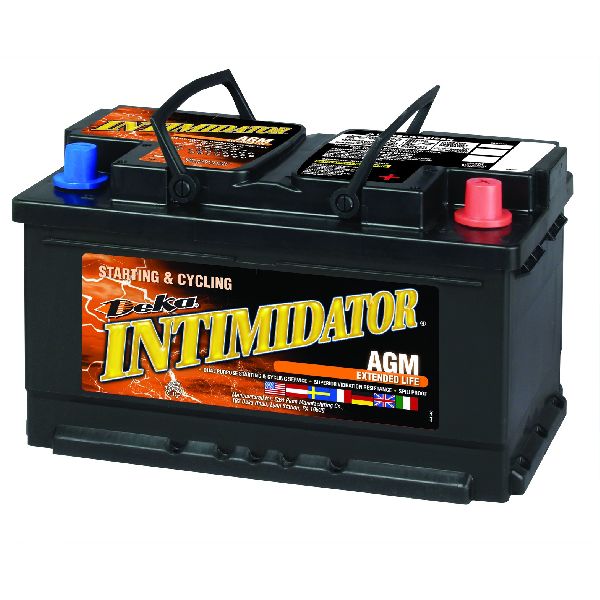
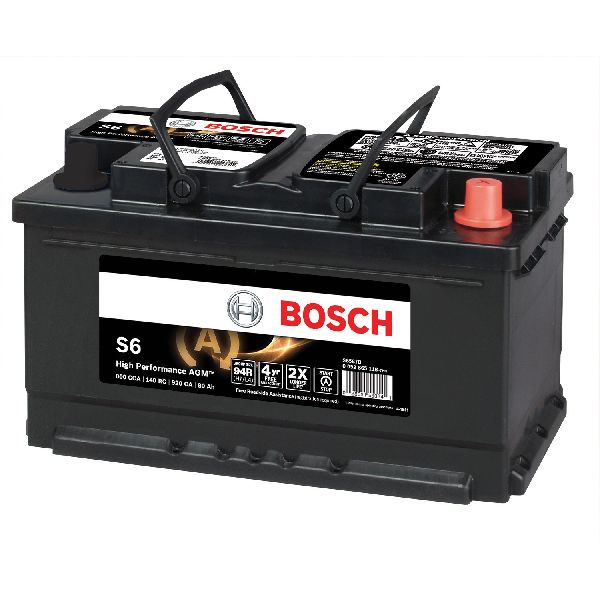
Est. part cost: $0 - Weak or Failing Battery 🟡 Medium Probability Modern vehicles like the Challenger are packed with electronics that are highly sensitive to voltage. The PCM requires a stable voltage (above 9V during cranking) to operate correctly. A weak battery can cause voltage dips that trigger a P0607 code even if the PCM is perfectly healthy.
How to confirm: Test the battery voltage with a multimeter (should be ~12.6V static, ~14V+ when running). Most auto parts stores can perform a load test, which is a more accurate way to check the battery's health.
Typical fix: Replace the vehicle's battery. Ensure the new battery meets or exceeds OEM specifications.
Est. part cost: $150-$300 - Poor PCM Power or Ground Connections 🟡 Medium Probability
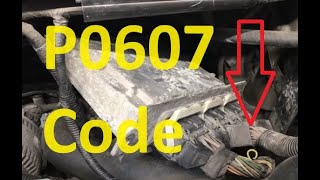
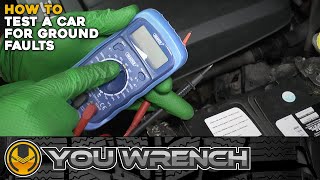
How to confirm: Visually inspect the PCM connectors for corrosion or damage. The PCM is located in the engine bay, under a plastic cover near the passenger side strut tower. Check the main engine and chassis ground straps to ensure they are clean, tight, and free of corrosion. Use a multimeter to check for resistance on the ground circuit; it should be below 0.1 Ω. 🎬 See how to quickly test your car for ground faults
Typical fix: Clean or tighten the ground connections. Repair or replace the damaged wiring or connectors to the PCM. This can be as simple as cleaning a terminal with a wire brush.
Est. part cost: $5-$50 - Failing Powertrain Control Module (PCM) ⚪ Low Probability
How to confirm: This is a diagnosis of exclusion. If the software has been updated, the battery and charging system are good, and all power/ground connections are verified with a multimeter, the PCM itself is the likely culprit. A dealer can also run a module self-test, and if it fails, the hardware is compromised.
Typical fix: Replace the PCM. This requires programming the new module to the vehicle's VIN and security system. RepairPal estimates the replacement cost for a 2015 Challenger to be between $912 and $946.
Est. part cost: $500-$1200
Rare But Worth Checking
- Failing Alternator: An alternator providing unstable or incorrect voltage (e.g., below 13V or spiking above 15V) can cause electronic modules to malfunction and set performance codes.
- Aftermarket Performance Tuner: Improperly installed or incompatible aftermarket tunes can corrupt the PCM software and cause internal performance errors. Sometimes, flashing back to the stock tune and then to the modified tune can resolve the issue.
- Wiring Harness Issues: Though rare, a chafed or damaged wire in the harness leading to the PCM can cause a short or open circuit, triggering the code. A visual inspection and continuity tests can identify this.
Diagnosis Steps
- Connect an OBD-II scanner and check for any accompanying codes. Note them and the freeze-frame data, but do not clear them yet.
- CRITICAL STEP: Contact a Dodge dealership with your VIN to check for open recalls or applicable TSBs, specifically #18-061-17, #18-047-16, and #18-035-15 REV-B. If the PCM software has not been updated, this is the most likely fix.
- Thoroughly test the battery and charging system. Perform a load test on the battery. Ensure the alternator is providing stable voltage (typically 13.5-14.5 volts when the engine is running).
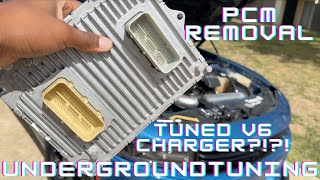
- Inspect all power and ground connections to the PCM. The PCM is located under a plastic shroud near the passenger-side firewall. 🎬 Watch: How to install a PCM on a 2015 Challenger Disconnect the battery first. Check for loose terminals, corrosion, or physical damage to the wiring harness and connectors. Test ground resistance to the chassis (should be <0.1 ohms).
- If an applicable TSB is found and the software is outdated, have the dealer perform the PCM reflash. This often resolves the P0607 and any other related codes.
- If the code returns after the reflash and all electrical checks are good, the PCM is likely faulty. A definitive diagnosis can be made with a module self-test using a dealer-level scan tool.
- If the PCM is confirmed faulty, it needs to be replaced and programmed to the vehicle.
Parts You'll Likely Need
- Powertrain Control Module (PCM)
(OEM #Varies by engine/trim, e.g., Mopar 05035751AE for 6.2L.)— This is the part that is replaced if a software update and electrical checks do not resolve the internal performance error. It is the last resort.
Trusted brands: Mopar
OEM price range: $800-$1200
Aftermarket price range: $500-$900 - Battery — A weak or failing battery can cause low voltage, leading to erratic behavior in electronic modules and triggering a P0607 code. This is a common and relatively inexpensive first step in diagnosis.
Trusted brands: Mopar, Interstate, DieHard
OEM price range: $200-$300
Aftermarket price range: $150-$250
Related Codes That Often Appear With This One
- P0102 — MAF sensor circuit low. TSB #18-061-17 lists this as a code that can be stored when the PCM requires a software update.
- P0103 — MAF Sensor Circuit High. Also listed in TSB #18-061-17 as being related to the PCM software issue.
- P060E — TPS Sensor Coherency Check. This code is also mentioned in the same TSBs, indicating the root cause is the PCM, not the throttle position sensor. [TSB #18-061-17]
- P1610 — Supercharger Bypass Valve Position Sensor Circuit Low. This code is specific to supercharged models (Hellcat) and is also addressed by the PCM software updates. [TSB #18-061-17]
Technical Service Bulletins (TSBs) & Recalls
- 18-061-17: Flash: Powertrain Diagnostic and System Enhancements. Supersedes earlier bulletins. Involves reprogramming the PCM with the latest software and lists P0607 as one of the codes this update addresses for 6.2L and other engines.
- 18-047-16: POWER TRAIN. An earlier TSB, now superseded by 18-061-17, th
Platform-Specific Known Issues
- A known software issue on 2015 models requires a PCM reflash to correct overly sensitive diagnostic logic, as documented in TSBs #18-061-17, #18-047-16, and #18-035-15 REV-B.
- The PCM is located in the engine bay on the passenger side, under a plastic cover and behind a strut tower brace, requiring removal of several clips and bolts for access.
Mechanic-Grade Diagnostic Values
- PCM Power Pin Voltage — expected: 12.2 V ± 0.5 V with key on, engine off.. Failure: Voltage significantly below 12V indicates a power supply issue from the battery or wiring.
- PCM Ground Circuit Resistance — expected: Below 0.1 Ω between the PCM ground pin and a clean chassis ground.. Failure: Resistance higher than 0.1 Ω indicates a poor ground connection, which can cause module malfunction.
- Alternator Output Voltage — expected: 13.5 V to 14.5 V with the engine running.. Failure: Voltage below 13.2V or spiking above 15V indicates a faulty alternator that can damage or disrupt the PCM.
Scan Tool Commands That Help
- wiTECH (or equivalent professional scanner): PCM Reprogram/Flash — This is the primary repair for a 2015 Challenger with P0607, as mandated by multiple TSBs. It updates the module's logic to correct the fault.
- wiTECH (or equivalent professional scanner): Module Self-Test — Used as a final step to condemn the PCM. If the software is up to date and all power/grounds are good, a failed self-test confirms internal hardware failure.
- Professional OBD-II Scanner: Freeze Frame Data Review — This should be the first step after reading the code. It provides a snapshot of engine parameters (RPM, load, voltage) at the exact moment the P0607 code was set, offering clues to the trigger (e.g., low voltage during cranking).
Wiring & Ground Locations
- PCM Ground Circuits — Located within the main PCM electrical connectors in the engine bay on the passenger side, near the strut tower.. The PCM relies on multiple dedicated ground pins in its connectors for stable operation. High resistance on these pins is a common cause of internal performance codes like P0607. These must be tested directly at the connector with a multimeter.
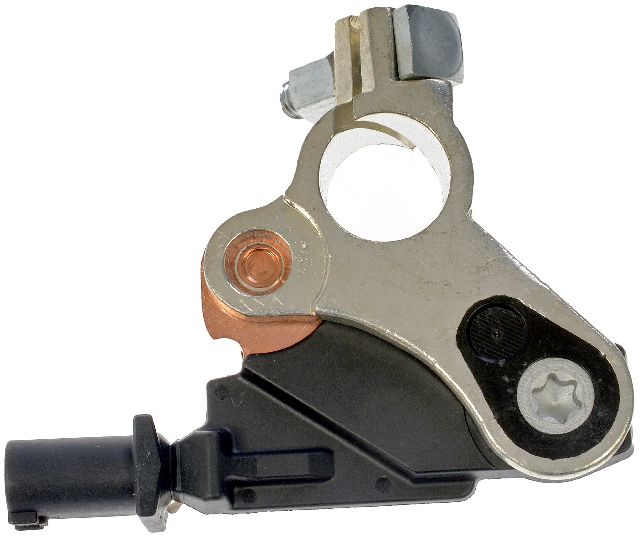
- Main Chassis/Engine Ground Straps — Key ground straps are typically located from the engine block to the chassis and from the battery negative terminal to the chassis.. A corroded or loose main ground strap can create system-wide electrical noise and voltage drops, starving the PCM of a stable ground reference and triggering a P0607 code.
"I Checked Everything" — The Actual Cause
- For code P0607, the electronic equivalent of a 'smoke test clean' scenario is when the battery, alternator, and all PCM power/ground wiring test perfectly fine. On the 2015 Challenger, the actual cause in this situation is almost always corrupted or overly sensitive factory software, which is resolved by a PCM reflash as per Dodge's TSBs.
When the Usual Fixes Don't Work
- While the TSB reflash is the most common fix, it will not work if the root cause is an underlying electrical issue. If the P0607 code returns after a software update, it strongly suggests a hardware problem the software couldn't compensate for. In these cases, the focus must shift back to diagnosing an intermittent failure in the charging system (alternator), a poor ground connection that was missed, or a hairline crack in the PCM's circuit board that only causes issues when hot.
Helpful Videos

Used OEM Parts in Stock


New Aftermarket Parts Available


The information in this article is provided for general reference and educational purposes only. Vehicle specifications, procedures, and part compatibility can vary by production date, trim level, and region. Always consult your vehicle's factory service manual and verify part numbers before purchasing or performing repairs. Safety-critical components such as airbags, seat belts, and braking systems should be installed by a qualified professional.
- Dodge CHALLENGER:
- 🎬 Helpful Videos
- 🛍️ Shop This Part
- What's Unique About the 2015-2015 Dodge CHALLENGER
- Diagnostic Flowchart
- Symptoms You May Notice
- Most Likely Causes
- Rare But Worth Checking
- Diagnosis Steps
- Parts You'll Likely Need
- Related Codes That Often Appear With This One
- Technical Service Bulletins (TSBs) & Recalls
- Platform-Specific Known Issues
- Mechanic-Grade Diagnostic Values
- Scan Tool Commands That Help
- Wiring & Ground Locations
- "I Checked Everything" — The Actual Cause
- When the Usual Fixes Don't Work
- 🎟️ Get 5% Off