

P0607 on 2019-2022 Alfa Romeo GIULIA: Control Module Performance Explained
P0607 on a 2019-2022 Alfa Romeo Giulia means a 'Control Module Performance' issue, pointing to a problem with the main engine computer (PCM). The most likely causes are a weak battery, poor electrical connections (especially grounds), or an internal PCM fault. Often, this code is a symptom of a broader electrical system instability rather than a failed PCM, and may require a software update or ground strap replacement.
- P0607 on a Giulia is a serious code indicating a problem with the main engine computer (PCM).
- Do not drive the vehicle, as it could stall at any time.
- Before condemning the expensive PCM, thoroughly test the battery, alternator, and all PCM-related power and ground connections.
- Check with an Alfa Romeo dealer for any available software updates, as TSBs indicate this is a common fix for a cluster of codes including P0607.
- Replacement of the PCM is a last resort and requires professional installation and programming.
What's Unique About the 2019-2022 Alfa Romeo GIULIA
On the Alfa Romeo Giulia, the P0607 code is frequently mentioned in Technical Service Bulletins (TSBs) alongside a wide array of other codes for seemingly unrelated components like fuel pressure sensors, injectors, and temperature sensors. This pattern, documented in TSBs #1804423, #18-012-25, and others, suggests that on this specific platform, P0607 may not always indicate an isolated PCM hardware failure. Instead, it can be a symptom of a broader electrical issue or a software glitch that a dealer-installed update is designed to fix. Furthermore, owner forums frequently discuss the main engine-to-chassis ground strap corroding, which creates voltage irregularities that can trigger this specific code.
Diagnostic Flowchart
Tap your situation to follow the diagnostic path that matches what you're seeing on this vehicle.
Symptoms You May Notice
- Check Engine Light is on
- Engine stalling intermittently or at idle.
- Vehicle enters 'limp mode,' with reduced power and acceleration.
- No-start condition where the engine cranks but does not fire.
- Erratic behavior from gauges or other electronic systems.
- Multiple warning lights appearing at once (e.g., 'Service Electronic Throttle Control', 'Start/Stop Unavailable').
- Smoke from engine bay or wheel arch area during start attempts if main ground has failed. 🎬 Watch: 3 common DIY fixes for Giulia owners
- Replacing sensors (like O2 or MAF sensors) without first checking the PCM's power and ground integrity. The P0607 code points to the control unit itself, not necessarily the sensors it monitors.
- Immediately condemning the PCM without thoroughly testing the battery, charging system, and especially the main ground connections. On this platform, external electrical issues are a more frequent cause of P0607 than internal PCM failure.
Most Likely Causes
- Low Battery Voltage or Failing Alternator 🔴 High Probability Modern vehicles like the Giulia are highly sensitive to voltage. The PCM requires a stable voltage supply to operate correctly. A weak or aging AGM battery, a failing alternator, or a faulty Intelligent Battery Sensor (IBS) can cause voltage drops that trigger a performance fault. The PCM requires a minimum of 9V during cranking to function properly.
How to confirm: Test the battery with a multimeter or electronic battery tester. A healthy, fully charged battery should read approximately 12.6 volts. With the engine running, the alternator should be charging at 13.7 to 14.7 volts. Check for corrosion on battery terminals.
Typical fix: Replace the battery (ensuring it's the correct AGM type) and register the new battery with the system if required. Replace the alternator if it's not charging correctly. Replace the IBS if it is diagnosed as faulty.
Est. part cost: $200-$600 - Poor PCM Power or Ground Connections 🟡 Medium Probability Vibrations and environmental factors can lead to loose or corroded connections. A faulty ground is a common point of failure. Specifically, the main engine-to-chassis ground strap on the Giulia/Stelvio is known to corrode, causing a host of electrical issues, including P0607.
How to confirm: Visually inspect the battery terminals, main engine/chassis grounds, and the wiring harness connectors at the PCM for looseness, corrosion, or damage. Perform a voltage drop test on the main ground strap. Check for ground resistance below 0.1 Ω.
Typical fix: Clean, tighten, or repair the affected terminals, ground straps, or wiring. The main ground strap is often replaced as a preventative measure.
Est. part cost: $5-$150 - PCM Software Issue 🟡 Medium Probability The existence of multiple TSBs that include P0607 suggests that software updates have been issued by the manufacturer to address control module performance issues. These updates can resolve glitches that cause the PCM to incorrectly flag an internal performance error.
How to confirm: A dealership or a qualified shop with Alfa Romeo-specific diagnostic tools (like wiTECH) can check the current software version of your PCM against the latest available version. An advanced DIYer can use MultiECUScan, but an SGW bypass module is required. 🎬 Watch: How to bypass the SGW and why to remove it
Typical fix: Update or reflash the PCM with the latest manufacturer software. This must be done by a dealer or authorized specialist. If other modules have been replaced, a 'Proxy Alignment' procedure may be required.
Est. part cost: $0-$250 (Labor cost) - Internal PCM Failure ⚪ Low Probability While less common, internal hardware failure from thermal stress, vibration, or age can occur. This is usually the cause only after all other possibilities have been exhausted.
How to confirm: This is typically a diagnosis of exclusion. If all power sources, grounds, wiring, and software are confirmed to be good, the PCM itself is suspect.
Typical fix: Replace the Powertrain Control Module. The new unit will require programming to the vehicle's VIN.
Est. part cost: $1000-$1500
Rare But Worth Checking
- Corroded Main Ground Strap:
Diagnosis Steps
- Scan for all DTCs. Note any other codes that appear alongside P0607, as they provide crucial context (see TSBs).
- Check Battery and Charging System: Test the battery voltage (~12.6V engine off) and alternator output (13.7-14.7V engine on). Pay close attention to the health of the AGM battery and the function of the Intelligent Battery Sensor (IBS) on the negative terminal.
- Inspect All Main Grounds: Critically inspect the main engine-to-chassis ground strap for any signs of corrosion or damage. This is a known weak point. Also check battery ground and PCM ground points.
- Inspect PCM Connections: Disconnect the battery. Carefully inspect the PCM connectors for any signs of corrosion, moisture, or bent/damaged pins.
- Verify Power and Grounds at the PCM: Using a multimeter and a wiring diagram, verify that the PCM is receiving proper voltage on its power pins and has a solid connection to ground (resistance should be less than 0.1 ohms).
- Check for Software Updates: Contact an Alfa Romeo dealership with your VIN to see if there are any open recalls or TSBs related to PCM software for your vehicle. An advanced DIYer can use MultiECUScan with an SGW bypass module to check module information.
- If all other steps fail to find a fault, the PCM is likely defective and requires replacement and programming.
Parts You'll Likely Need
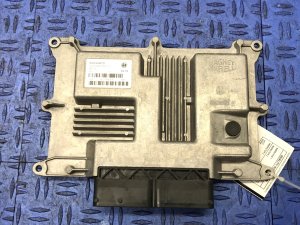
- Powertrain Control Module (PCM)
(OEM #50544870, 50559852)— If diagnosis confirms an internal failure, the PCM itself must be replaced. This is the final step after ruling out power, ground, and software issues. Part numbers can vary by model year and configuration.
Trusted brands: Mopar (OEM)
OEM price range: $1020 - $1200
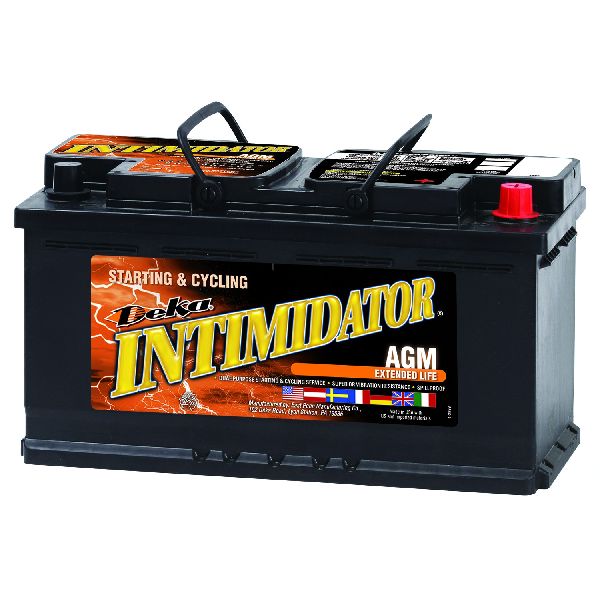
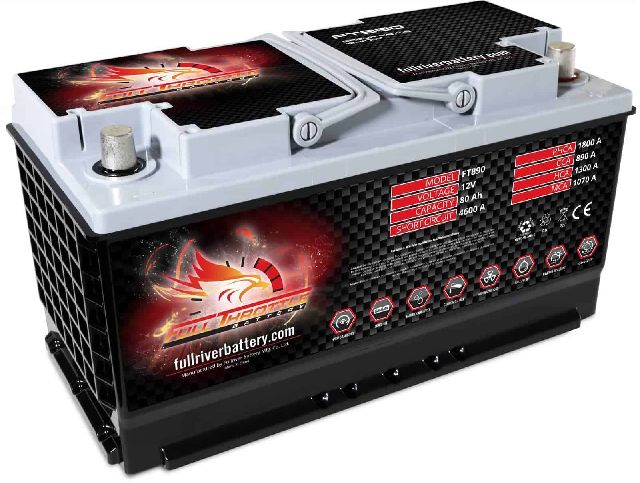
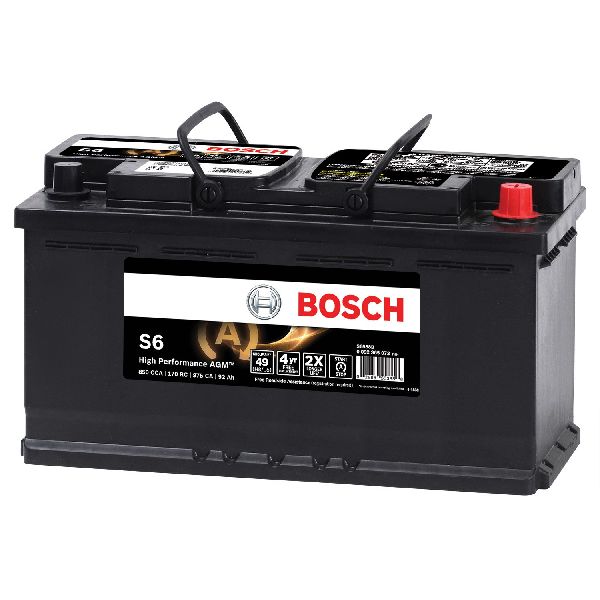
Aftermarket price range: $600-$1000 - Battery — A weak or failing AGM battery is a common cause of various electrical faults, including P0607, due to voltage instability.
Trusted brands: Mopar (OEM), Bosch, Interstate
OEM price range: $350 - $500
Aftermarket price range: $200 - $350 - Engine Ground Strap — This specific ground strap is a known failure point due to corrosion and can cause a no-start condition and trigger P0607.
Trusted brands: Mopar (OEM)
OEM price range: $80 - $120
Aftermarket price range: $40 - $70
Related Codes That Often Appear With This One
- P304E-00 — As seen in TSBs #1804423 and #2101823, this code for Fuel Rail Pressure Sensor 2 often appears with P0607, indicating a potential software or widespread electrical issue being addressed by a manufacturer update.
- P0072-00 / P0073-00 — These codes for the Ambient Air Temperature Sensor circuit are also listed alongside P0607 in multiple TSBs, reinforcing the theory of a systemic electrical fault or a software bug rather than multiple simultaneous component failures.
- P02D2-00 — This injector offset learning code appears with P0607 in TSBs, suggesting the PCM's inability to properly control fuel trim may be a symptom of the underlying performance issue.
- P06DD — This code for 'Engine Oil Pressure Control Circuit Stuck Off' is frequently discussed by owners experiencing limp mode and multiple warning lights. While it relates to the oil pump, its appearance alongside electrical symptoms can sometimes be linked to the same underlying voltage stability issues that trigger P0607.
Technical Service Bulletins (TSBs) & Recalls
- Bulletin #1804423: Lists P0607-00 - Control Module Performance among other codes for 2022 models.
- Bulletin #18-012-25: Lists P0607-00 - Control Module Performance among other codes for 2021 models.
- Bulletin #18-016-25: Lists P0607-00 - Control Module Performance among other codes for 2019 models.
- Bulletin #2101823: Lists P0607-00 - Control Module Performance among other codes for 2021 models.
Platform-Specific Known Issues
- Multiple Technical Service Bulletins (TSBs) including #1804423, #18-012-25, #18-016-25, and #2101823 list P0607 as one of several codes that can be resolved with a software update. This indicates a known issue on the platform where software glitches can manifest as a 'Control Module Performance' fault.
- Owner forums, particularly Reddit, have threads where a corroded main ground strap was the root cause of sudden no-start conditions and electrical chaos, which could present as a P0607 code.
Mechanic-Grade Diagnostic Values
- Charging System Voltage — expected: 13.7 - 14.7 Volts with engine running.. Failure: Voltage below 13.5V or above 14.7V indicates a potential alternator or regulator issue.
- PCM Voltage During Cranking — expected: Should not drop below 9 Volts.. Failure: A drop below 9V can cause the PCM's internal self-test to fail and trigger P0607.
- Ground Point Resistance — expected: Less than 0.1 Ω (Ohms) between the ground point and the negative battery terminal.. Failure: Higher resistance indicates a poor ground connection, which can cause voltage irregularities.
Scan Tool Commands That Help
- MultiECUScan / AlfaOBD: Proxy Alignment Procedure — Required after replacing a CAN bus module or if the odometer is flashing. This procedure aligns all vehicle modules to prevent communication errors that could contribute to a P0607 code.
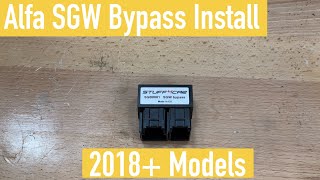
- MultiECUScan / AlfaOBD: SGW (Security Gateway) Module Bypass — This is not a software command but a required hardware modification for all 2018+ models (including the 2019-2022 range) to enable advanced diagnostic functions like Proxy Alignment or clearing codes in certain modules.
- MultiECUScan / AlfaOBD: Self-adaptation parameters reset — After a repair, this function can be used to clear the learned adaptive values stored by the PCM, forcing it to relearn operating parameters. This can be useful after fixing an underlying electrical or mechanical issue.
Wiring & Ground Locations
- Main Engine-to-Chassis Ground Strap — Underneath the vehicle, connecting the engine/transmission assembly to the main chassis. It is an exposed, braided metal strap.. This is a primary ground path for the entire powertrain. Corrosion here creates high resistance, leading to voltage instability, electrical anomalies, and can directly cause the PCM to report a performance fault (P0607). It is a known failure point.
- Security Gateway (SGW) Module — Located next to the steering column, tucked into the dash. Access is from the driver's side footwell.. This module blocks write access (like clearing codes or running alignments) from the OBD-II port. For any serious P0607 diagnosis on a 2019-2022 model, this module must be bypassed with a specific plug to allow full diagnostic tool functionality.
- Remote Negative (-) Jump-Start Post — An exposed metal stud located next to the passenger side hood lock on the upper frame rail.. This is the manufacturer-specified point for connecting a ground for jump-starting or testing. Using this point ensures a solid chassis ground for accurate voltage measurements when diagnosing electrical issues.
- Remote Positive (+) Jump-Start Post — Located at the rear of the engine compartment under a cowl cover. It has a spring-loaded protective flap.. Provides a safe and accessible point to measure the main system voltage without having to access the battery directly in the trunk.
- OBD-II Port — On the left side of the steering wheel, underneath the dashboard, just below the small storage cubby.. This is the primary connection point for all diagnostic scan tools needed to read and diagnose the P0607 code.
Real Owner Repair Stories
- Reddit user on r/AlfaRomeo (Alfa Romeo Stelvio (shares platform and components with Giulia)) — Sudden no-start condition. When attempting to start again, smoke came from the front wheel arch area with a bad smell. Vehicle was completely dead and required a tow.
❌ Tried (didn't work) Multiple start attempts before towing.
✅ What actually fixed it The root cause was a failed main engine-to-chassis ground cable due to corrosion. Replacing the ground cable (costing ~110€ from the dealer) resolved all issues.
Model Year Variations Within This Range
- 2018-2022: Vehicles from 2018 onward are equipped with a Security Gateway (SGW) module. This prevents unauthorized access to the vehicle's CAN bus via the OBD-II port. For the 2019-2022 model years in question, a physical SGW bypass module is mandatory to perform advanced diagnostic functions like a proxy alignment, injector coding, or clearing certain module faults with tools like MultiECUScan or AlfaOBD.
Helpful Videos
Used OEM Parts in Stock



New Aftermarket Parts Available


The information in this article is provided for general reference and educational purposes only. Vehicle specifications, procedures, and part compatibility can vary by production date, trim level, and region. Always consult your vehicle's factory service manual and verify part numbers before purchasing or performing repairs. Safety-critical components such as airbags, seat belts, and braking systems should be installed by a qualified professional.
- Alfa Romeo GIULIA:
- 🎬 Helpful Videos
- 🛍️ Shop This Part
- What's Unique About the 2019-2022 Alfa Romeo GIULIA
- Diagnostic Flowchart
- Symptoms You May Notice
- Most Likely Causes
- Rare But Worth Checking
- Diagnosis Steps
- Parts You'll Likely Need
- Related Codes That Often Appear With This One
- Technical Service Bulletins (TSBs) & Recalls
- Platform-Specific Known Issues
- Mechanic-Grade Diagnostic Values
- Scan Tool Commands That Help
- Wiring & Ground Locations
- Real Owner Repair Stories
- Model Year Variations Within This Range
- 🎟️ Get 5% Off