

P0606 on 2004-2008 Subaru Forester: ECM Processor Fault Causes and Fixes
On a 2004-2008 Subaru Forester, especially turbo models, P0606 is often a temporary glitch caused by a dead battery or power interruption. Before replacing parts, clear the code, turn the ignition off, wait one full minute, and restart. If the code persists, suspect a failing battery or a true ECM fault. A dealer software update may be a permanent fix if the reset procedure doesn't hold.
- Before you do anything else, try the reset procedure: clear the code, turn the ignition off, and wait for at least one full minute before restarting.
- This code is very often caused by a recent battery replacement, jump-start, or dead battery on Forester XT (Turbo) models.
- Do not immediately assume your ECM is bad. A true ECM failure is the least likely cause.
- Always check the health of your battery and charging system, as low or unstable voltage is a known trigger for this code.
- If the reset procedure doesn't work and the battery is good, ask a dealer about an ECM software update before paying for a replacement ECM.
What's Unique About the 2004-2008 Subaru FORESTER

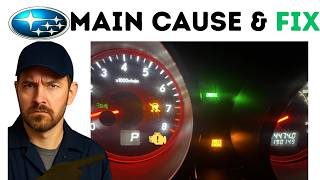
For the 2004-2008 Forester, especially the Turbo XT models, this code has a very specific and well-documented cause. Subaru issued Technical Service Bulletin #07-75-13R explaining that if the battery is disconnected or dies, the ECM's backup memory is cleared. If the ignition is then turned on within one minute of being turned off after power is restored, it interrupts the ECM's self-shutoff relay procedure, causing a false P0606 code to be stored. This is a known software quirk, not necessarily a hardware failure, making it crucial 🎬 Watch: This video explains the PCM processor fault in detail. to follow a specific reset procedure before assuming the worst.
Diagnostic Flowchart
Tap your situation to follow the diagnostic path that matches what you're seeing on this vehicle.
Symptoms You May Notice
- Check Engine Light is on
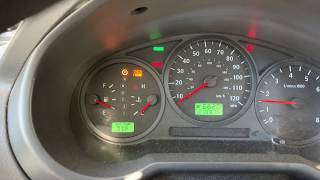
- Flashing 'CRUISE' light on the dashboard
- Vehicle may enter 'limp mode' with reduced engine power
- Engine may stall or have difficulty starting
- Erratic automatic transmission shifting
- Cruise control may be disabled
- Vehicle Dynamics Control (VDC) / Hill Descent Control light may be illuminated
- Immediately replacing the ECM without performing the TSB reset procedure. This is the most common and expensive mistake, as the issue is often just a temporary software glitch.
Most Likely Causes

- Improper Ignition Cycle After Power Loss 🔴 High Probability This is a well-documented issue in Subaru TSB #07-75-13R. The ECM's self-shutoff procedure is interrupted if the ignition is turned on within a minute of being turned off after a power loss event (e.g., battery change, jump-start, or dead battery).
How to confirm: The code appeared after the battery was recently disconnected, replaced, jumped, or died. The vehicle may otherwise run fine once the code is cleared correctly. Even if a standard scan tool won't clear a 'permanent' P0606, this procedure often works.
Typical fix: Clear the code with a scan tool. Turn the ignition ON, then OFF. Wait for at least one full minute before turning the ignition ON again. This allows the self-shutoff relay to complete its cycle. Some owners report needing to drive for a short period for the permanent code to clear after this procedure.
Est. part cost: $0 - Failing Battery or Weak Charging System 🟡 Medium Probability The ECM is sensitive to voltage. An old battery providing low voltage during cranking or a faulty alternator providing unstable voltage can cause the ECM to fail its internal self-check and trigger a P0606. The factory Panasonic batteries in this era were often criticized for a short service life and low cold-cranking amps (around 390 CCA), making this a common issue as vehicles age.
How to confirm: Test the battery voltage with a multimeter (should be ~12.6V with engine off). Test the alternator output (should be 13.5V - 14.5V with engine running). Many auto parts stores will test your battery and alternator for free.
Typical fix: Replace the battery or faulty alternator.
Est. part cost: $150-$400 - Faulty Engine Control Module (ECM) ⚪ Low Probability While less common than the software glitch, a true internal hardware failure of the ECM can occur. This is often a diagnosis of exclusion.
How to confirm: This is a diagnosis of exclusion. If the reset procedure does not work, the battery and charging system are healthy, and all wiring/grounds to the ECM are confirmed to be good, the ECM itself is the likely culprit.
Typical fix: Replace the Engine Control Module. This part is vehicle-specific and will require programming by a dealer or specialized shop.
Est. part cost: $500-$1200
Rare But Worth Checking
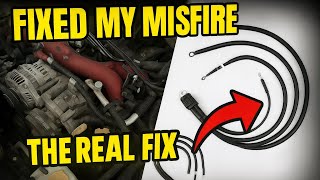
- Poor ECM Ground Connection: A corroded or loose ground wire for the ECM can cause erratic behavior and trigger various faults. On these Subaru engines, the main ECU ground points are located on the intake manifold. Check the bolts securing the wiring harness to the manifold, often near the throttle body, for corrosion or looseness.
- Damaged Wiring Harness: Corroded, frayed, or shorted wires in the harness leading to the ECM can cause voltage spikes or drops, fooling the module into thinking it has an internal fault. Wires can chafe against engine or chassis components, eventually exposing the copper and causing a short.
- Outdated ECM Software: In some cases, even if the reset procedure works, the P0606 code may return intermittently. Subaru has released software updates (reflashes) that can permanently correct the logic flaw that causes the false code. This must be performed by a dealer or a shop with Subaru-specific tools.
Diagnosis Steps
- Check if the battery has been recently disconnected, jumped, or died. If yes, this is the most likely cause.
- Using an OBD-II scanner, attempt to clear the P0606 trouble code.
- Turn the ignition to the 'ON' position, then turn it 'OFF'.
- CRITICAL STEP: Wait for at least one full minute. Do not touch the ignition during this time. This allows the ECM's self-shutoff relay to cycle properly, which is required to clear the fault logic.
- After one minute, restart the vehicle and drive it to see if the code returns. Some 'permanent' codes may require a short drive cycle to clear.
- If the code returns, test the battery and charging system. Ensure battery voltage is ~12.6V (engine off) and alternator output is 13.5-14.5V (engine running).
- Inspect the ECM's main ground connections on the intake manifold for any signs of corrosion, damage, or looseness.
- Inspect the wiring harness leading to the ECM for any visible damage, paying attention to areas where it might chafe against the engine or chassis.
- If all the above steps fail to resolve the issue, consult a Subaru dealer about a potential ECM software update (reflash) before condemning the module.
- If all other possibilities are exhausted, the ECM may have an internal fault and require replacement.
Parts You'll Likely Need
- Engine Control Module (ECM)
(OEM #22611AK762 (2006 Forester XT, Manual); 22611AJ581 (2005 Forester XT, Auto); 22611AK730 (2006 Forester, Non-Turbo, Auto); 22611AJ010 (2004 Forester Non-Turbo))— This is only needed in the rare case of a true internal hardware failure, after all other diagnostic steps (especially the TSB reset procedure) have been exhausted. Part numbers are highly specific to year, model, and transmission.
Trusted brands: Subaru (OEM)
OEM price range: $1000-$1500
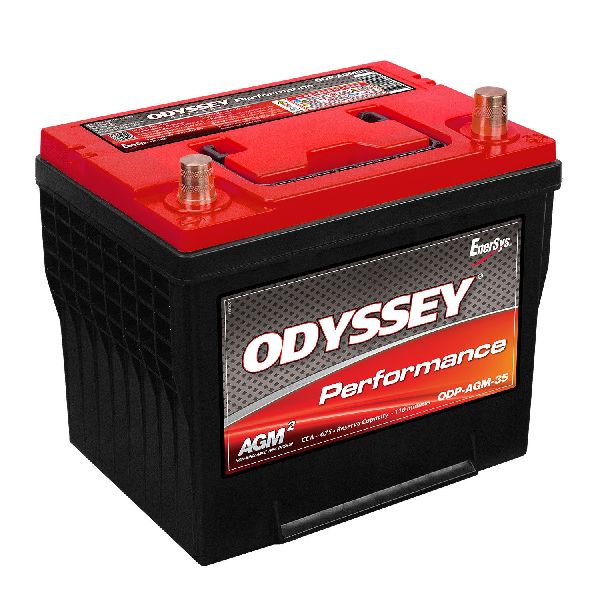
Aftermarket price range: $250-$900 - Car Battery — A weak or failing battery is a common underlying cause, as unstable voltage can trigger a false P0606 code. The original equipment Panasonic battery was known to have a relatively short life and low CCA rating.
Trusted brands: Interstate, DieHard, Optima
OEM price range: $150-$250
Aftermarket price range: $150-$350
Technical Service Bulletins (TSBs) & Recalls
- 07-75-13R: This bulletin, titled 'DTC P0606 after Vehicle Battery Is Reconnected', is the primary document explaining the software glitch on turbo models and outlines the specific reset procedure. It applies to Forester Turbo and applicable WRX models.
Platform-Specific Known Issues
- TSB Reset Procedure is Critical: Subaru Technical Service Bulletin #07-75-13R specifically calls out that on Forester Turbo models, a P0606 code can be set if the ignition is cycled too quickly (within one minute) after battery power has been interrupted. Following the reset procedure is the first and most important diagnostic step.
- Real-World Story: Reversed Jump Start: A user on a Subaru Forester forum reported getting P0606 and a dashboard full of warning lights after a well-meaning stranger accidentally connected jumper cables with reversed polarity. After correcting the cables and starting the car, the code was present but was successfully cleared with a scanner and did not return, suggesting the ECM was not permanently damaged.
- Real-World Story: 'Permanent' Code Fix: A user on Reddit with a 2017 Forester XT reported a 'permanent' P0606 code after a battery change that could not be cleared with a standard OBD-II reader. The issue was only resolved by taking it to a shop that followed the TSB 07-75-13R procedure exactly: clear codes, ignition off, wait one full minute, then ignition on. This allowed the self-shutoff relay to cycle and the permanent code to be cleared.
Mechanic-Grade Diagnostic Values
- Battery Voltage (Key Off, Engine Off) — expected: ~12.6 Volts. Failure: A reading below 12.4V indicates a low state of charge or a weak battery.
- Charging System Voltage (Engine Running at Idle) — expected: 13.5 - 14.5 Volts. Failure: Voltage below 13.5V, above 14.5V, or fluctuating voltage points to a faulty alternator or voltage regulator which can trigger P0606.
- ECM Power Supply Pin Voltage — expected: 12.6V or more with key in the 'ON' position. Failure: Voltage significantly lower than battery voltage indicates a problem in the power supply wiring or fuse block.
- ECM Ground Pin Resistance — expected: Near-zero resistance (Ohms) to chassis ground. Failure: Any significant resistance indicates a corroded, loose, or broken ground connection, which is a known cause of electrical issues on these vehicles.
Scan Tool Commands That Help
- Subaru Select Monitor (SSMIII/SSM4): Clear Memory — This is the official first step in the TSB 07-75-13R procedure. It is used to clear the fault from the ECM's memory before performing the critical one-minute ignition cycle reset. The path is: Main Menu > Each System Check > Engine Control System > OBD System > Clear Memory.
Wiring & Ground Locations

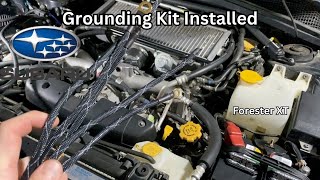
- Main ECU Ground — On the intake manifold. For non-turbo models, it's typically to the left of the throttle body (viewed from the front). For turbo (XT) models, it's often on the right side.. The ECU gets its primary ground reference from this point, not directly from the chassis or battery. A poor connection here due to corrosion or looseness can cause unstable voltage and trigger a false P0606. This is especially common if TGV deletes or phenolic spacers have been installed, as they can interrupt the ground path.
- Main Chassis Ground — The main ground strap connects the negative battery terminal to the chassis, often on the fender or strut tower near the battery.. While the ECU grounds to the manifold, the manifold must have a good connection back to the chassis and battery. Ensuring this primary ground point is clean and tight is a fundamental step in diagnosing any electrical fault.
- Engine Block Ground — A ground strap typically connects the engine block to the chassis, often below the battery tray or near the starter.. This ensures the entire engine assembly, including the alternator and intake manifold, has a solid ground path back to the battery. A weak or corroded engine ground can cause charging system issues and voltage instability.
Real Owner Repair Stories
- Reddit user on r/SubaruForester (Subaru Forester (year not specified, but behavior is consistent with 2004-2008 models)) — After a battery died, a stranger assisted with a jump start but connected the cables with reversed polarity. The car eventually started but the dash was lit up with CEL, flashing cruise, and hill descent lights, storing code P0606.
❌ Tried (didn't work) Initial jump start with reversed polarity failed to start the car.
✅ What actually fixed it After correcting the jumper cables, the car started. The P0606 code was then successfully cleared using a standard OBD-II reader and did not return, indicating no permanent damage to the ECM. - legacycentral bbs forum user (Subaru Legacy (similar EJ engine architecture)) — Unstable charging system voltage (jumping needle), subjectively poor running and pulling.
❌ Tried (didn't work) Living with the unstable voltage.
✅ What actually fixed it The owner ran a new 14-gauge ground wire from the battery to the alternator pivot bolt, and another from that bolt to the intake manifold. This stabilized the charging system and subjectively improved engine performance, demonstrating the importance of the manifold ground.
OEM Part Supersession History
22611AN01A, 22611AN01B, 22611AN01C, 22611AN01D→22611BC04A— Revision updates for bug fixes or component changes.
Heads up: Applies to specific non-turbo, manual transmission Legacy/Outback models but demonstrates Subaru's pattern of frequent ECU part number revisions. Always verify the exact part number for the specific Forester year, engine, and transmission.22611AN02A, 22611AN02B, 22611AN02C, 22611AN02D, 22611AN02E→22611BC05A— Revision updates for bug fixes or component changes.
Heads up: Applies to specific non-turbo, automatic transmission Legacy/Outback models. This highlights the importance of matching the part number to the vehicle's exact configuration.
Helpful Videos




![How to Change ECU [Engine Control Unit Swap // Subaru]](https://img.youtube.com/vi/-EmwuYWWbUE/mqdefault.jpg)
Used OEM Parts in Stock


New Aftermarket Parts Available


The information in this article is provided for general reference and educational purposes only. Vehicle specifications, procedures, and part compatibility can vary by production date, trim level, and region. Always consult your vehicle's factory service manual and verify part numbers before purchasing or performing repairs. Safety-critical components such as airbags, seat belts, and braking systems should be installed by a qualified professional.
- Subaru FORESTER:
- 🎬 Helpful Videos
- 🛍️ Shop This Part
- What's Unique About the 2004-2008 Subaru FORESTER
- Diagnostic Flowchart
- Symptoms You May Notice
- Most Likely Causes
- Rare But Worth Checking
- Diagnosis Steps
- Parts You'll Likely Need
- Technical Service Bulletins (TSBs) & Recalls
- Platform-Specific Known Issues
- Mechanic-Grade Diagnostic Values
- Scan Tool Commands That Help
- Wiring & Ground Locations
- Real Owner Repair Stories
- OEM Part Supersession History
- 🎟️ Get 5% Off