

P0606 on 2003-2004 Honda Accord: ECM/PCM Processor Malfunction Explained
On a 2003-2004 Accord, P0606 is almost always caused by a software glitch where the engine computer mistakes low battery voltage for a processor failure. The fix is a dealer-level software update, not replacing the computer.
- For a 2003-2004 Accord, P0606 is most likely a software glitch, not a failed computer.
- Before any expensive repairs, ensure your battery is healthy and connections are clean and tight.
- The official fix is a software update (per TSB 04-048) performed by a Honda dealer or a shop with Honda-specific tools, typically costing $100-$250.
- Do not replace the ECM/PCM unless the software update has been performed and fails to fix the problem.
What's Unique About the 2003-2004 Honda Accord
Unlike many other vehicles where P0606 often points to a failed computer, the 2003-2004 Accord has a well-documented software issue. The original programming in the Engine Control Module (ECM) is overly sensitive to drops in battery voltage, such as during slow engine cranking. This sensitivity leads the ECM to mistakenly flag an internal processor error (P0606) 🎬 Watch: How to diagnose a P0606 ECM processor error when the real issue is just a temporary voltage dip. Honda's official fix is to reflash the ECM/PCM with updated software, a procedure detailed in TSB 04-048.
Symptoms You May Notice
- Check Engine Light (Malfunction Indicator Lamp) is on
- Vehicle may not start
- Engine may run poorly or stall
- Problems with automatic transmission shifting
- Other warning lights (ABS, TCS) may illuminate
- Battery light may flicker on briefly when the Check Engine Light first appears
- Replacing the ECM/PCM without first attempting the software update. This is a very expensive and often unnecessary repair for this specific vehicle and code.
Most Likely Causes
- Outdated ECM/PCM Software 🔴 High Probability Honda TSB 04-048 specifically identifies a software glitch in 2003-2004 Accords (and Elements) where low battery voltage is misinterpreted as a processor fault.
How to confirm: A Honda dealer or a shop with a Honda Interface Module (HIM) or a J2534 pass-thru device 🎬 See how to flash reprogram a Honda with J2534 can check the current software version and see if it's the updated version. If the software is original, this is the likely cause.
Typical fix: Update the ECM/PCM software using the Honda HIM tool. This is not a DIY repair. The dealer cost for this service is typically between $100 and $250.
Est. part cost: $0 - Weak or Failing Battery 🟡 Medium Probability A weak battery provides the low voltage that triggers the sensitive, outdated software to set the P0606 code. This is the root trigger for the software fault.
How to confirm: Test the battery voltage with a multimeter. A healthy, fully charged battery should read around 12.6 volts with the engine off. With the engine running, voltage should be between 13.5 and 14.5 volts. A load test is the most definitive way to confirm battery health.
Typical fix: Replace the battery.
Est. part cost: $100-$250 - Poor Battery Connections or Ground Straps ⚪ Low Probability Corroded or loose terminals create voltage drops that can mimic a failing battery, triggering the software glitch. Owners on forums have reported checking and cleaning grounds as a primary step.
How to confirm: Visually inspect the battery terminals for corrosion (white or blue-green powder). Ensure the terminal clamps are tight and cannot be moved by hand. Check the main engine and chassis ground straps for corrosion and tightness, particularly ground G101.
Typical fix: Clean the battery terminals and cable ends with a wire brush. Replace corroded terminals or ground straps if necessary.
Est. part cost: $5-$50
Rare But Worth Checking
- Faulty ECM/PCM: While the TSB points to software, an actual hardware failure of the ECM/PCM is still possible, especially if the software update does not resolve the code. In some cases, water intrusion can cause visible corrosion and damage to the circuit board.
- Charging System Fault (Alternator): A failing alternator can cause system voltage to be too low or too high, which can disrupt the ECM and potentially trigger this code. A failing diode in the alternator can also introduce AC ripple voltage, which can confuse the PCM even if DC voltage appears normal. This should be tested along with the battery.
- Aftermarket Spark Plugs: While documented on other Honda models like the Civic, TSB Bulletin #A15120C notes that aftermarket spark plugs with built-in capacitors can cause electrical interference that may trigger a P0606 code.
Diagnosis Steps
- Check for Honda TSB 04-048. Acknowledge that this is a known software issue for 2003-04 Accord and Element models.
- Fully charge and test the battery. A healthy battery is crucial. Replace it if it fails a load test or reads below 12.4 volts when rested.
- Inspect and clean battery terminals and cable ends. Ensure all connections are tight and free of corrosion. Check main ground connections to the chassis and engine block, especially G101 on the intake manifold plenum.
- Check the vehicle's charging system. With the engine running, use a multimeter to verify the alternator output is between 13.5 and 14.5 volts. Also, check for AC ripple voltage; it should not exceed 50-100 millivolts AC.
- If the battery and charging system are healthy, clear the code using an OBD-II scanner and see if it returns.
- If the code returns, the vehicle must be taken to a Honda dealer or qualified shop to have the ECM/PCM software updated per TSB 04-048. This typically costs between $100-$250.
- After the update, the technician should perform the idle learn procedure as specified in the TSB.
- Only if the software update fails to resolve the issue should ECM/PCM replacement be considered.
Parts You'll Likely Need
- ECM/PCM Software Update — This is the official fix from Honda per TSB 04-048 to correct the module's sensitivity to low voltage.
Trusted brands: Honda
OEM price range: $100-$250 (Labor for update)
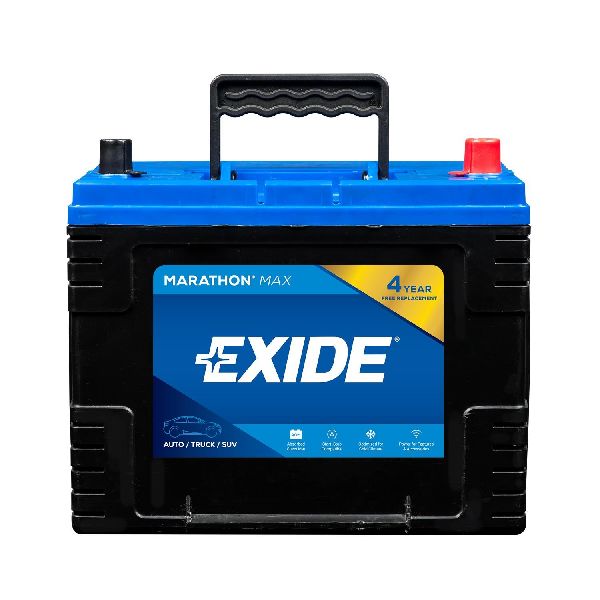
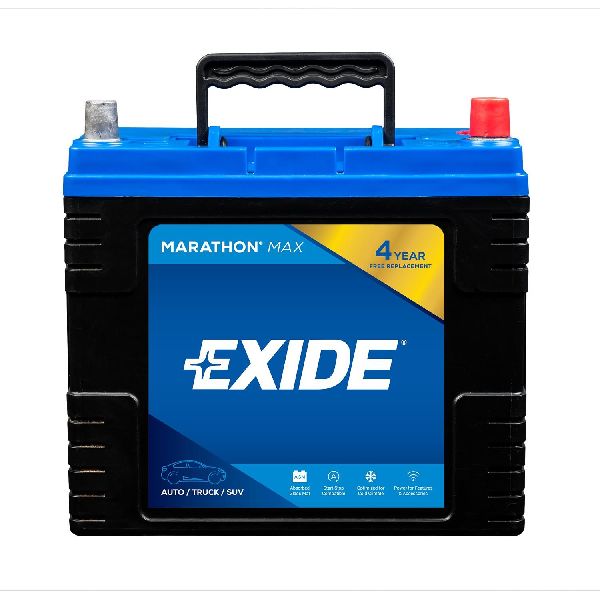
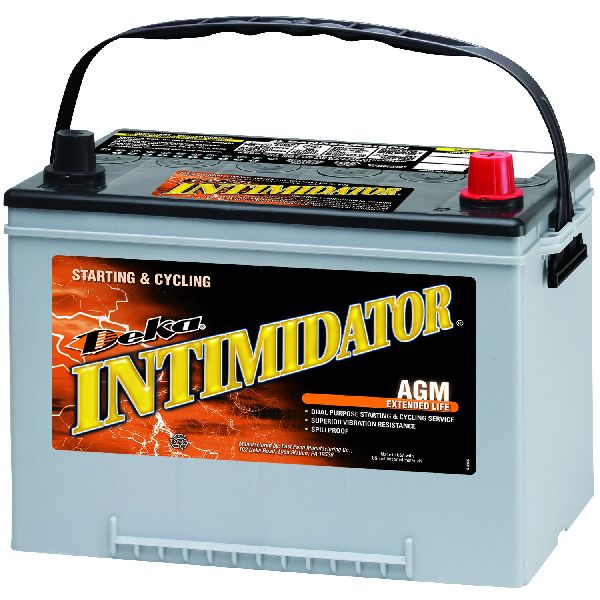
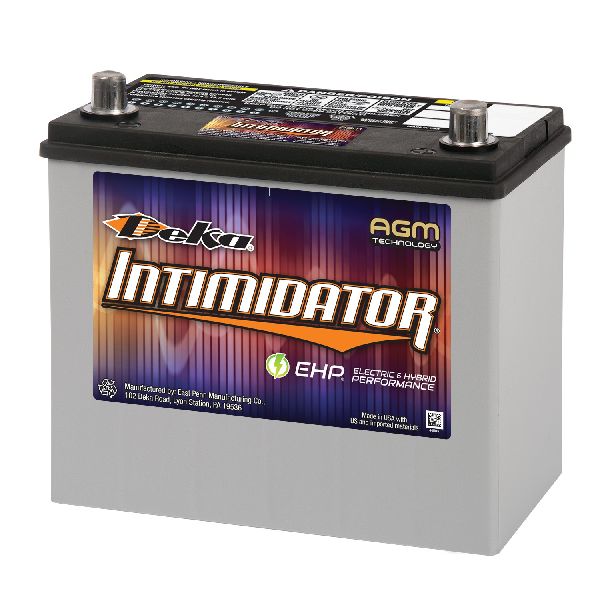
Aftermarket price range: N/A - 12V Automotive Battery — A weak or failing battery is the most common trigger for the software glitch that causes the P0606 code on this vehicle.
Trusted brands: Interstate, DieHard, Duralast
OEM price range: $150-$300
Aftermarket price range: $100-$250 - Engine Control Module (ECM/PCM)
(OEM #e.g., 37820-RAA-A83, 37820-RAA-315, 37820-RCA-A73)— This is ONLY needed if the software update fails and the module is confirmed to be faulty. 🎬 Watch: 2003-2007 Honda Accord engine computer replacement and location This is a rare cause for this specific P0606 issue. Part numbers vary by engine, transmission, and emissions.
Trusted brands: Honda (OEM), Cardone (Remanufactured)
OEM price range: $800-$1200
Aftermarket price range: $250-$500
Technical Service Bulletins (TSBs) & Recalls
- Honda TSB 04-048: MIL Comes On With DTC P0606. Published Sept. 3, 2004. Affects 2003-04 Accord (4-Cyl) and 2003-04 Element. States the probable cause is the ECM/PCM incorrectly interpreting a low battery voltage condition and the fix is a software update.
- TSB Bulletin #A15120C: This service news article notes that for some Honda models, the MIL may illuminate with DTC P0606 due to electrical interference caused by aftermarket spark plugs that include a built-in capacitor.
Platform-Specific Known Issues
- Honda Technical Service Bulletin 04-048 was released on September 3, 2004, for all 2003–04 Accord 4-cylinder models and all 2003–04 Element models. It states the P0606 code is likely due to the ECM/PCM misinterpreting a low battery voltage condition. The prescribed fix is a software update, not hardware replacement.
Mechanic-Grade Diagnostic Values
- Alternator AC Ripple Voltage — expected: Less than 50-100 millivolts (mV) AC with engine running and electrical loads on.. Failure: A reading above 100 mV AC indicates failing alternator diodes, which can send 'dirty' power to the PCM and trigger a P0606 code even if DC voltage is normal.
- PCM Power and Ground Pins — expected: Power source pins (e.g., YEL/BLK) should have battery voltage with ignition ON. Ground pins (e.g., BLK, BRN/YEL) should have less than 1.0V at all times.. Failure: Voltage drops on power pins or voltage present on ground pins indicates a wiring or connection issue that could trigger P0606.
Scan Tool Commands That Help
- Honda HDS (or J2534 equivalent): Control Unit/Module Software Update — This is the primary fix for P0606 on this vehicle per TSB 04-048. It is used to reflash the PCM with updated software that is less sensitive to battery voltage fluctuations.
- Manual Procedure (No Tool Required): ECM/PCM Idle Learn Procedure — This MUST be performed after the PCM software is updated, the battery is disconnected, or the PCM is replaced. It allows the PCM to learn the engine's idle characteristics. The procedure involves warming the engine to operating temperature (fans cycle twice), then letting it idle with no electrical load for 5-10 minutes.
- Honda HDS (or advanced locksmith tool): Immobilizer Key Reprogramming — This is required if the PCM is replaced. The new (or used) PCM must be programmed to recognize the vehicle's existing keys, otherwise the engine will not start.
Wiring & Ground Locations
- G101 — For the 4-cylinder engine, G101 is located on the intake manifold plenum, on the driver's side of the engine. It serves as the main power and logic ground termination point for the ECM/PCM.. A poor connection at G101 can cause intermittent voltage issues and erratic behavior, directly leading to a P0606 code by starving the PCM of a stable ground reference. All PCM grounds are provided through the harness connectors, not the case itself.
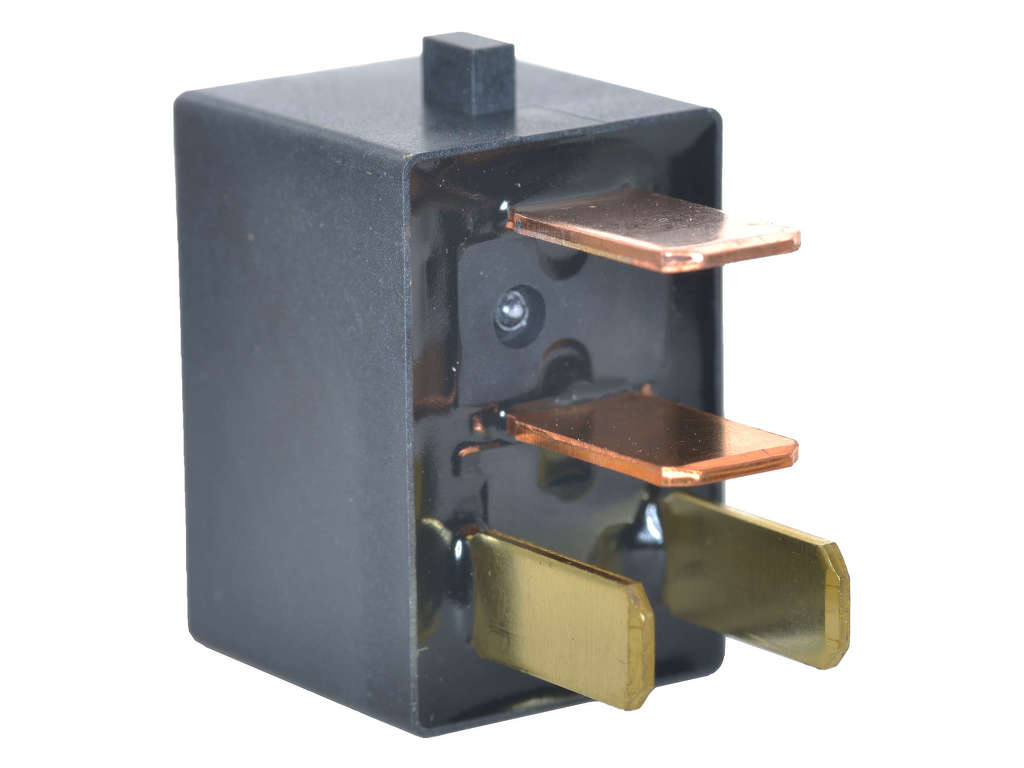
- PGM-FI Main Relay — Typically located in the under-dash fuse/relay box area, accessible from the driver's footwell.. This relay supplies power to the PCM and fuel injectors. Cracked solder joints inside the relay are a common Honda issue, causing intermittent power loss to the PCM which can be misinterpreted as an internal processor fault.
Model Year Variations Within This Range
- 2003-2004: There are no significant mechanical or electronic differences between the 2003 and 2004 4-cylinder models that would affect the diagnosis of P0606. The TSB 04-048 applies equally to both years. The V6 models use a different transmission and have a drive-by-wire throttle system, which the 4-cylinder models of this era do not.
Diagnostic Flowchart
Other Known Issues on This Vehicle
Issues unrelated to this code that are worth knowing about as an owner of this generation:
- Automatic Transmission Failure (V6 Models) 🔴 High — Very common on 2003-2004 V6 models, often failing before 100,000 miles. Symptoms include slipping, harsh/jerky shifting, or total failure to engage gears. (Ref: Honda issued a recall and extended the warranty, but many vehicles are now outside that coverage period.)
- Blank or Dim Radio/HVAC Display 🟠 Medium — Extremely common on 2003-2004 models. The circuit board within the audio unit fails, causing the display backlight to go out. (Ref: A TSB (04-019 in some regions) exists, but it is typically a customer-pay repair involving replacing or repairing the audio unit's circuit board.)
- Excessive Oil Consumption (4-Cylinder) 🟠 Medium — Reported by many owners, often becoming noticeable at higher mileage. Can be caused by worn piston rings.
- Prematurely Worn Brakes 🟡 Low — Some owners report faster-than-average wear on brake pads and rotors.
Used vs. New Parts: Buying Guide for This Vehicle
When a used part is the smart pick: A used PCM from a junkyard is a cost-effective option ONLY if the original PCM has confirmed physical damage (e.g., water intrusion, burnt components) and the software update per TSB 04-048 has already been ruled out or failed. For this code, the issue is almost always software, making PCM replacement unnecessary.
Donor-vehicle mileage cap: roughly under 150000 miles for the part to have meaningful remaining life.
What to inspect on the donor part:
- Verify the part number on the used PCM EXACTLY matches the original.
- Crucially, verify the emissions sticker on the donor vehicle (usually under the hood) matches your vehicle (Federal/EPA vs. California/PZEV). The PCMs are not interchangeable.
- Inspect the connector pins for any corrosion or damage.
- Ensure the donor vehicle was not involved in a flood or fire.
OEM-only on this vehicle (don't cheap out):
- ECM/PCM: While used OEM is an option, avoid aftermarket 'remanufactured' units from unknown brands, as their quality and programming can be unreliable. If buying new, OEM is the only trusted source.
Brands owners have reported issues with on this vehicle:
- Generic, unbranded PCMs from online marketplaces are a significant risk due to potential programming and compatibility issues.
Real Owner Stories
Aggregated from forums and TSBs cited above. Mileages and costs reflect what owners reported in those sources.
2003 Honda Accord 2.4L
Symptoms: The car experienced sputtering, stalling, and entered limp mode after the P0606 code appeared. The owner confirmed the battery and alternator were functioning correctly.
What fixed it: The community recommended a PCM software update as the necessary next step after confirming the charging system was healthy.
Source hint: Honda-Tech: '03 accord p0606 help!!'
2004 Honda Accord
Symptoms: Intermittent P0606 code where the car continued to run smoothly despite the Check Engine Light being illuminated.
What fixed it: The owner was advised to check all wiring, connectors, and grounds for the ECU before considering a full replacement.
Source hint: Reddit r/accord: 'Honda Accord P0606 code'
2003 Honda Accord
Symptoms: The vehicle threw a P0606 code identifying an ECM/PCM processor fault.
What fixed it: The owner discovered physical water damage and corrosion on the ECU board, requiring a hardware replacement.
Source hint: The Unofficial Honda Forum: '2003 Accord ECM/PCM Processor fault'
Related OBD-II Codes
Frequently Asked Questions
Does Honda TSB 04-048 apply to my 2003 Accord 4-cylinder?
Can I fix the P0606 code on my 2004 Accord myself using a standard OBD-II scanner?
Why did my battery light flicker right before the Check Engine Light and P0606 code appeared?
Is there a specific ground connection I should check on my 2003 Accord to rule out P0606?
Will replacing the PCM solve the P0606 code on my 2004 Accord?
Does the 2003-2004 Honda Element share this same P0606 software issue?
Helpful Videos
Used OEM Parts in Stock


New Aftermarket Parts Available


The information in this article is provided for general reference and educational purposes only. Vehicle specifications, procedures, and part compatibility can vary by production date, trim level, and region. Always consult your vehicle's factory service manual and verify part numbers before purchasing or performing repairs. Safety-critical components such as airbags, seat belts, and braking systems should be installed by a qualified professional.
- Honda Accord:
- 🎬 Helpful Videos
- 🛍️ Shop This Part
- What's Unique About the 2003-2004 Honda Accord
- Symptoms You May Notice
- Most Likely Causes
- Rare But Worth Checking
- Diagnosis Steps
- Parts You'll Likely Need
- Technical Service Bulletins (TSBs) & Recalls
- Platform-Specific Known Issues
- Mechanic-Grade Diagnostic Values
- Scan Tool Commands That Help
- Wiring & Ground Locations
- Model Year Variations Within This Range
- Diagnostic Flowchart
- Other Known Issues on This Vehicle
- Used vs. New Parts: Buying Guide for This Vehicle
- Real Owner Stories
- 2003 Honda Accord 2.4L
- 2004 Honda Accord
- 2003 Honda Accord
- Related OBD-II Codes
- Frequently Asked Questions
- 🎟️ Get 5% Off