

P0606 on 2007-2010 GMC Sierra 2500: ECM/PCM Processor Fault Causes and Fixes
P0606 on a 2007-2010 GMC Sierra 2500 indicates an internal processor fault in a control module, most commonly the Engine Control Module (ECM/PCM). Before replacing the expensive ECM, it is critical to first rule out simpler causes like a weak battery, poor ground connections, or faulty wiring, as these are common triggers for this code. On this specific truck platform, even a faulty camshaft position sensor circuit can incorrectly trigger a P0606.
- P0606 is a critical code indicating a processor fault in a control module, most often the ECM.
- DO NOT immediately replace the ECM. Thoroughly test the battery, alternator, and all major ground connections first, as electrical issues are the most common trigger.
- Use a scanner that can read codes from all modules to determine exactly which computer (ECM, TCM, etc.) has the fault.
- If the ECM/PCM does need replacement, it must be professionally programmed to your truck's VIN to function.
- Be aware of specific TSBs that point to software updates or other sensor faults (like the cam sensor) as the true cause, which can prevent a costly and unnecessary ECM replacement.
What's Unique About the 2007-2010 Gmc SIERRA 2500
On these GMT900 trucks, P0606 is notorious for being triggered by underlying electrical issues rather than outright module failure. Voltage fluctuations from a failing battery or alternator, or poor ground connections are very common culprits that can cause a module to fail its internal self-test and set a P0606 code. Specific ground locations like G103 (driver side cylinder head), G104 (passenger side cylinder head), and G108 (engine block to frame) are known weak points prone to corrosion. It's crucial to exhaust all electrical diagnostic paths before condemning an expensive control module.
Diagnostic Flowchart
Tap your situation to follow the diagnostic path that matches what you're seeing on this vehicle.
Symptoms You May Notice
- Check Engine Light is on
- Vehicle enters 'Reduced Engine Power' mode
- Engine may not start or may stall intermittently
- Harsh or erratic transmission shifting
- Decreased fuel economy
- Unstable or rough idle
- Erratic gauge behavior on the instrument cluster
- Loss of power steering assist intermittently
- Replacing the ECM/PCM without first thoroughly testing the battery, alternator, and all ground connections. These simpler electrical issues are a frequent cause of P0606.
- Mistaking the P0606 for a bad ECM when it is being falsely triggered by a faulty camshaft position sensor circuit, as warned in TSB #17-NA-132.
Most Likely Causes
- Weak or Failing Battery / Alternator 🔴 High Probability Control modules in this era are sensitive to voltage fluctuations. A battery that can still start the engine may produce low voltage during cranking, causing a module to fail its self-test and trigger a P0606. Even a physically loose battery post can cause enough voltage instability to set the code.
How to confirm: Load test the battery and test the alternator's output. Voltage should be stable and above 13.5 volts when the engine is running. Check for codes like P0562 (low voltage) or P0563 (high voltage), which TSB #24-NA-050 directly links to P0606.
Typical fix: Replace the battery and/or alternator.
Est. part cost: $150-$400 - Poor Ground Connections 🟡 Medium Probability Engine and chassis grounds can corrode or loosen over time, creating electrical resistance that can mimic module failure. Key locations to check on this platform are the G103/G104 grounds on the cylinder heads and the G108 braided strap from the engine block 🎬 See this guide on fixing common GM ground issues to the frame.
How to confirm: Visually inspect and perform a voltage drop test on all major ground straps from the battery to the chassis, engine block to the chassis/firewall, and the ECM/PCM ground wires. Clean any corrosion and ensure all connections are tight.
Typical fix: Clean or replace corroded ground straps and terminals. The main negative battery cable assembly is a common replacement part.
Est. part cost: $20-$100 - Internal ECM/PCM Failure 🟡 Medium Probability If all electrical inputs are confirmed to be good, the module's internal processor (commonly the ACDelco E38 on these trucks) may have failed due to age, thermal stress, or voltage spikes.
How to confirm: This is a process of elimination. After verifying all power, ground, and wiring integrity, and checking for software updates, the module itself is the likely culprit.
Typical fix: Replace the Engine Control Module (ECM/PCM) and have it programmed to the vehicle's VIN.
Est. part cost: $250-$600 - Damaged Wiring or Connectors ⚪ Low Probability The wiring harness can be susceptible to chafing or corrosion, leading to short circuits or open connections to the control module. Check the main connectors at the underhood fuse block for corrosion, as they supply power to the ECM.
How to confirm: Perform a pin-by-pin inspection of the ECM/PCM connectors (X1 & X2) for corrosion or damage. Check the harness for any signs of physical damage or chafing against other components.
Typical fix: Repair the damaged section of the wiring harness or replace the affected connector.
Est. part cost: $50-$250
Rare But Worth Checking
- Transmission Control Module (TCM) Software Glitch: A GM TSB (#150730002A) notes that P0606 can be set in conjunction with transmission problems like firm shifts or RPM flares, which can be corrected by reprogramming the TCM.
- Faulty Camshaft Position Sensor Circuit: According to TSB #17-NA-132, a faulty cam sensor circuit can sometimes incorrectly trigger a P0606 during cranking before the system has a chance to set the correct cam sensor code. This is a known misdiagnosis scenario on GM trucks.
Diagnosis Steps
- Perform a full vehicle scan with a professional-grade scanner to see which module set the P0606 code and to check for any other accompanying DTCs.
- Thoroughly test the battery under load. Do not rely on a simple voltage reading; a weak battery is a primary cause.
- With the engine running, test the alternator output to ensure it is stable and within the 13.5-14.8 volt range.
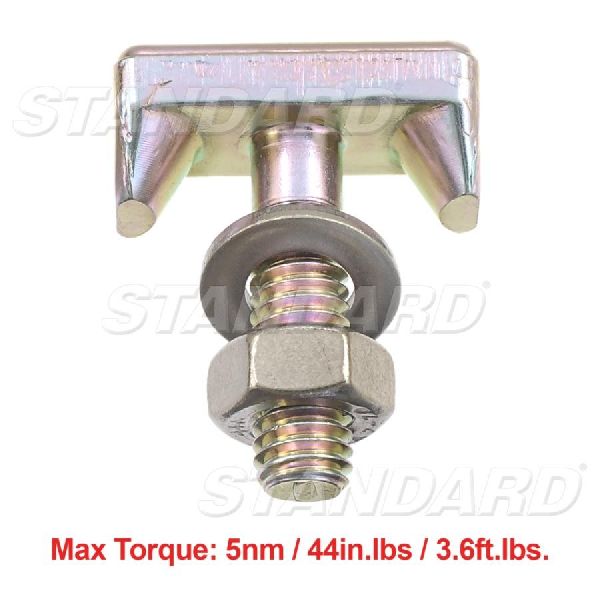
- Inspect all battery cables and terminals for corrosion and tightness. Check for physically loose battery posts.
- Locate and inspect the main engine-to-chassis and battery-to-chassis ground straps. Pay special attention to grounds G103, G104, and G108. Remove, clean with a wire brush, and securely reattach them.
- Check all fuses related to the control modules, often labeled 'ECM,' 'PCM,' 'ECU,' or 'EFI'.
- Inspect the wiring harness and connectors at the module that stored the code (e.g., ECM/PCM) for any signs of corrosion, moisture, or physical damage.
- If TSBs indicate a potential software issue (e.g., for the TCM), check with a dealer or qualified shop if a software update is available.
- If all power, ground, and wiring checks pass, the control module itself is the most likely cause of the fault.
Parts You'll Likely Need
- Engine Control Module (ECM/PCM)
(OEM #Varies, but common service numbers for the ACDelco E38 module include 12612384, 12625455, and 19210738.)— This is the most common module to fail and set a P0606 code after all electrical issues have been ruled out.
Trusted brands: ACDelco (GM Genuine)
OEM price range: $400-$600
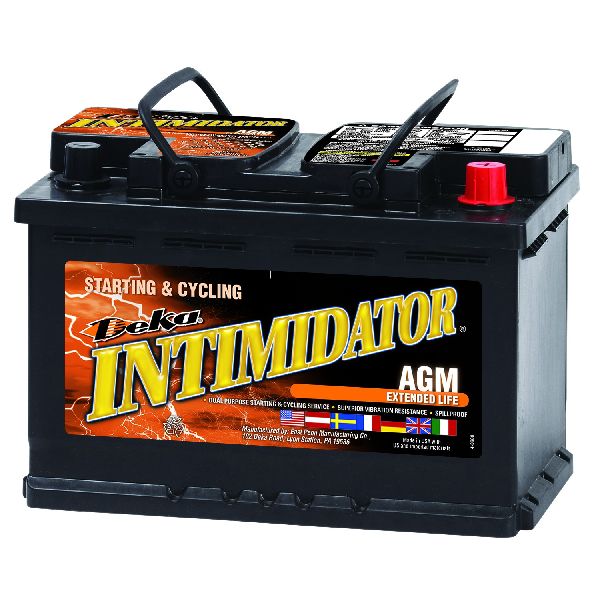
Aftermarket price range: $250-$450 - Battery — A weak battery causing voltage drops is a primary trigger for this code.
Trusted brands: ACDelco, Interstate, DieHard
OEM price range: $200-$300
Aftermarket price range: $150-$250 - Ground Strap
(OEM #Example: ACDelco 19434467 or GM 15179982. The full negative battery cable assembly is ACDelco 2LF32XE.)— Corroded or broken ground straps are a common, inexpensive cause of complex electrical codes like P0606.
Trusted brands: ACDelco, Dorman
OEM price range: $30-$60
Aftermarket price range: $20-$40
Related Codes That Often Appear With This One
- P0562 — Indicates low system voltage, which is a common trigger for the P0606 processor fault. [Bulletin #24-NA-050]
- P0563 — Indicates high system voltage (e.g., from a faulty alternator), which can also cause a processor fault. [Bulletin #24-NA-050]
- P16F3 — This is a manufacturer-specific code that can appear with P0606 when there is a TCM software issue causing transmission problems. [Bulletin #150730002A, 11]
Technical Service Bulletins (TSBs) & Recalls
- 05-06-04-060A: Informs that P0606 can be set by multiple different control modules.
- 150730002A: Links P0606 to TCM software issues causing transmission problems, fixed by reprogramming.
- 24-NA-050: Connects P0606 with low/high voltage codes (P0562/P0563), pointing to electrical system issues, often originating from the battery or charging system.
- 24-NA-005: Notes P0606 can be set by the Lighting Control Module, causing headlamps to flash.
- 17-NA-132: Warns that a faulty camshaft position sensor circuit can mis-trigger a P0606 code during cranking.
Platform-Specific Known Issues
- GM issued an informational bulletin (#05-06-04-060A) highlighting that P0606 is a generic processor fault code that can be set by multiple different control modules on the vehicle, not just the main engine computer.
- TSB #150730002A points to a software issue in the Transmission Control Module (TCM) that can cause P0606 along with shifting problems, fixed by reprogramming the module.
- Owner experiences frequently trace the P0606 code back to simple electrical faults. In one case, a physically loose positive battery post was causing intermittent no-starts and limp mode with a P0606, which was resolved by replacing the battery.
Helpful Videos



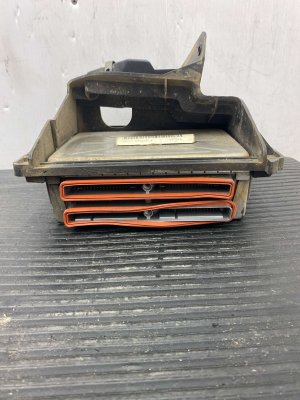
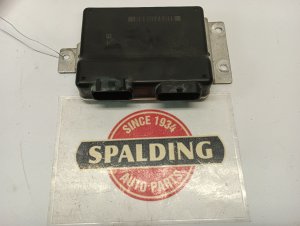
Used OEM Parts in Stock




New Aftermarket Parts Available


The information in this article is provided for general reference and educational purposes only. Vehicle specifications, procedures, and part compatibility can vary by production date, trim level, and region. Always consult your vehicle's factory service manual and verify part numbers before purchasing or performing repairs. Safety-critical components such as airbags, seat belts, and braking systems should be installed by a qualified professional.
- Gmc SIERRA 2500:
- 🎬 Helpful Videos
- 🛍️ Shop This Part
- What's Unique About the 2007-2010 Gmc SIERRA 2500
- Diagnostic Flowchart
- Symptoms You May Notice
- Most Likely Causes
- Rare But Worth Checking
- Diagnosis Steps
- Parts You'll Likely Need
- Related Codes That Often Appear With This One
- Technical Service Bulletins (TSBs) & Recalls
- Platform-Specific Known Issues
- 🎟️ Get 5% Off