

P0606 on 2007-2014 GMC Acadia: ECM Processor Fault Causes and Fixes
P0606 indicates an Engine Control Module (ECM) processor fault. While this often means the ECM has failed, on the GMC Acadia it is critical to first rule out simpler causes like a weak battery, bad ground connections, or a faulty camshaft position sensor circuit before replacing the expensive ECM. These external issues are common culprits for triggering a false P0606 on this platform.
- P0606 is a critical fault indicating an ECM processor error; do not drive the vehicle.
- Before replacing the expensive ECM, you MUST test the battery, alternator, and all main power/ground connections.
- In a crank-no-start situation, the camshaft position sensor circuit is a likely culprit that can falsely trigger P0606 on GM vehicles and must be checked.
- ECM replacement is not a DIY job as the new module must be professionally programmed to your Acadia's VIN.
What's Unique About the 2007-2014 Gmc ACADIA
On many vehicles, P0606 is a direct condemnation of the engine computer. However, on GM's Lambda platform (which includes the Acadia), this code is frequently misleading. GM has issued a specific technical service bulletin (TSB #17-NA-132) warning that an open in the camshaft position sensor circuit can incorrectly trigger a P0606 code during a no-start condition before the true, underlying cam sensor code can be set. Additionally, low battery voltage or poor ground connections are extremely common culprits that can cause modules to glitch and report an internal failure when none exists. A user on a GM forum experienced a P0606 with a "Reduced Engine Power" message that was ultimately resolved by cleaning and tightening battery connectors. Therefore, on an Acadia, it's crucial to treat P0606 as a starting point for diagnosis, not a final verdict on the ECM.
🎬 Watch: Diagnostic tips for when your car won't startDiagnostic Flowchart
Tap your situation to follow the diagnostic path that matches what you're seeing on this vehicle.
Symptoms You May Notice
- Check Engine Light is on
- "Reduced Engine Power" message displayed on the dash
- "Service Stabilitrak" and "Traction Control Off" messages may appear simultaneously
- Engine stalls intermittently or unexpectedly
- Engine cranks but does not start
- Engine does not crank at all (clicking sound from starter)
- Erratic or harsh transmission shifting
- Noticeable decrease in fuel economy
- Instrument cluster lights or radio may flash erratically
- Replacing the Engine Control Module (ECM) without first testing the battery, alternator, and all power/ground connections.
- Replacing the ECM when the actual fault is in the camshaft position sensor circuit, especially during a crank-no-start symptom, as explicitly warned against in TSB #17-NA-132.
- Replacing the ECM when the issue is a corroded fuse box or a high-resistance connection in a wiring harness, such as under the driver's sill plate.
Most Likely Causes
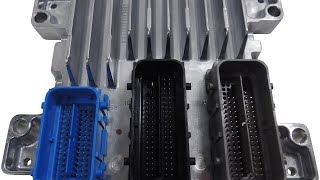
- Internal Engine Control Module (ECM) Failure 🔴 High Probability The ECM is a complex electronic component that can fail over time due to heat cycles, vibration, or internal component degradation. On the Acadia, the ECM is often located behind the radiator fan shroud, exposing it to significant temperature swings.
How to confirm: This is diagnosed by exclusion. If all other possible causes (power, grounds, software, and related sensor circuits) are thoroughly tested and found to be in good working order, the ECM itself is condemned. Sometimes a failed ECM will have a burnt smell or visible damage on the circuit board.
Typical fix: Replace the Engine Control Module and have it programmed to the vehicle's VIN.
Est. part cost: $250-$800 - Low Battery Voltage or Faulty Charging System 🟡 Medium Probability Control modules are sensitive to voltage. A weak battery that drops voltage significantly during cranking, or a failing alternator, can provide unstable power, causing the ECM to fail its self-test and incorrectly set a P0606 code.
How to confirm: Test the battery voltage with the engine off (should be ~12.4-12.6V). Then, start the engine and test the alternator output (should be ~13.7-14.7V). Perform a load test on the battery to confirm its health and ability to supply sufficient cranking amps.
Typical fix: Replace the weak battery or faulty alternator.
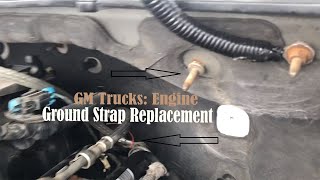
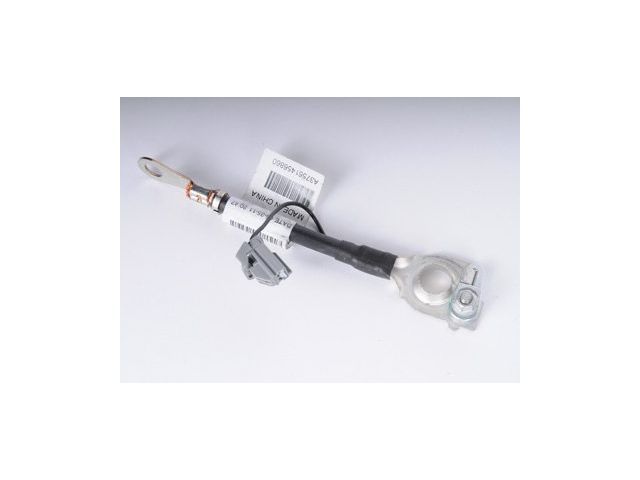
Est. part cost: $150-$500 - Poor Power or Ground Connections to the ECM 🟡 Medium Probability Over time, ground straps and power connections can corrode or loosen, creating high resistance. This can starve the ECM of the stable voltage it needs to operate correctly. Key ground locations on GM platforms, like the engine-to-chassis straps, are known failure points.
How to confirm: Visually inspect all main battery cables, ground straps from the engine to the chassis, and the wiring harness connectors at the ECM for corrosion, damage, or looseness. Perform a voltage drop test on the main power and ground circuits to the ECM to check for high resistance that isn't visually apparent. A key ground point to inspect on the Acadia is near the driver-side firewall.
Typical fix: Clean, tighten, or replace corroded or damaged ground straps and connectors. This often involves removing the terminal, cleaning the contact surface to bare metal, and re-securing it tightly.
Est. part cost: $10-$100
Rare But Worth Checking
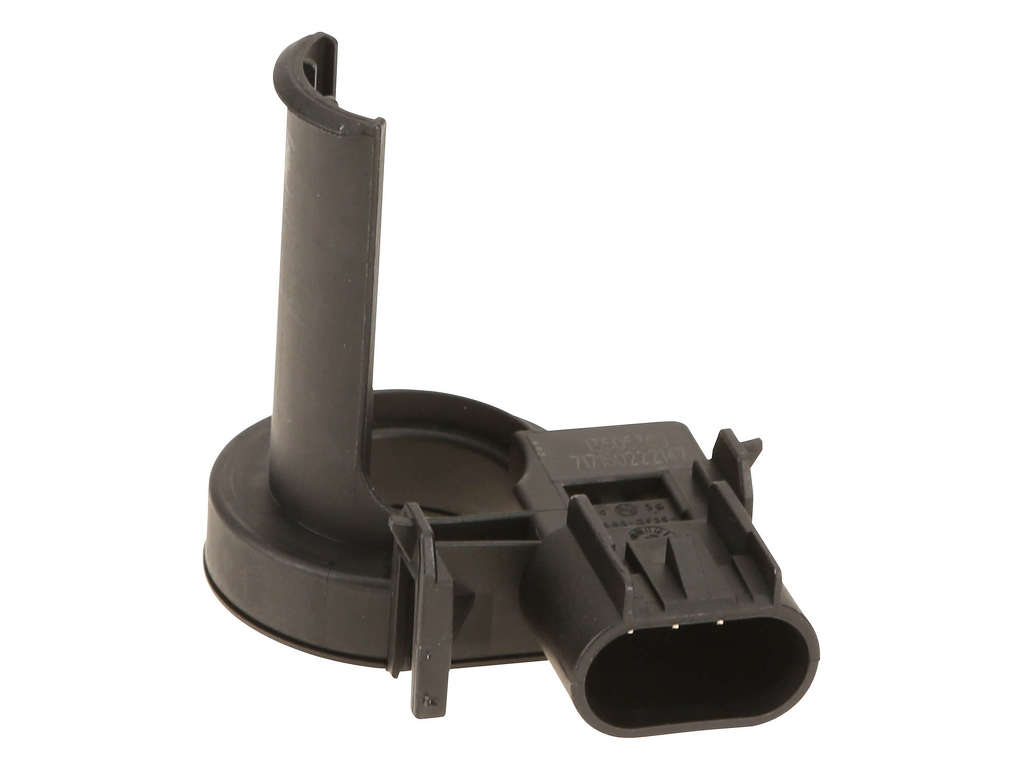
- Faulty Camshaft Position Sensor Circuit: A critical potential misdiagnosis. Per GM TSB #17-NA-132, an open in the cam sensor circuit can cause a P0606 to set during cranking before the actual cam sensor code can be logged. The bulletin explicitly states 'Do Not replace the Engine Control Module (ECM) for this condition' until the cam sensor circuit is checked. 🎬 See how to replace the camshaft position sensor Given the Acadia's known timing chain issues that can affect cam/crank signals, this circuit should be inspected before replacing the ECM, especially in a crank-no-start situation.
- ECM Software/Calibration Issue: Sometimes, a software glitch can cause the processor fault. GM has released software updates for other models to correct software anomalies causing P0606. Checking if a factory software update (reflash) is available from a GM dealer is a valid diagnostic step before hardware replacement.
- Shorted Sensor or Component: A sensor that has shorted internally can sometimes disrupt the ECM's operation and cause it to report an internal fault. A diagnostic technique involves unplugging suspect sensors one by one to see if the P0606 code clears, which would isolate the faulty component.
Diagnosis Steps
- Scan for all DTCs in all modules, not just the ECM. Note any other codes that are present, especially communication (U-codes) or voltage codes.
- Perform a complete battery and charging system test. Ensure battery voltage is above 12.4V with the engine off and between 13.7-14.7V when running. A load test is essential.
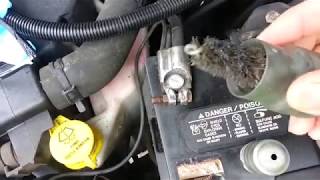
- Inspect all battery terminals, main power cables, and chassis/engine ground straps for tightness and corrosion. Key locations include the main battery ground, straps from the engine block to the firewall, and grounds near the driver-side firewall. Clean all contact points to bare metal. 🎬 Watch: How to properly clean battery terminals and grounds
- Inspect the ECM connectors for any signs of corrosion, moisture, pushed-out pins, or physical damage. The ECM is located behind the radiator fan shroud.
- If a crank-no-start condition is present, thoroughly inspect the wiring and circuits for the camshaft position sensors before condemning the ECM, as per GM TSB #17-NA-132. This may involve checking for reference voltage and signal at the sensor connector.
- Check for any available software updates for the ECM. A dealer or qualified shop with a J2534 tool can check for and perform a reflash.
- If all external wiring, power, grounds, and related sensor circuits test good, and software is up to date, the ECM is likely faulty and requires replacement and programming.
Parts You'll Likely Need
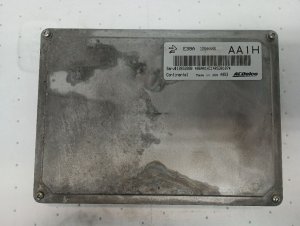
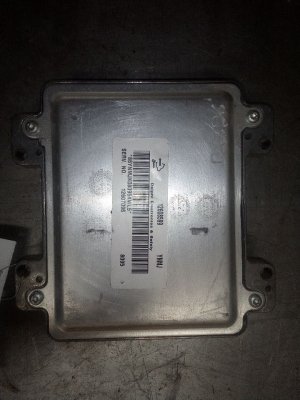
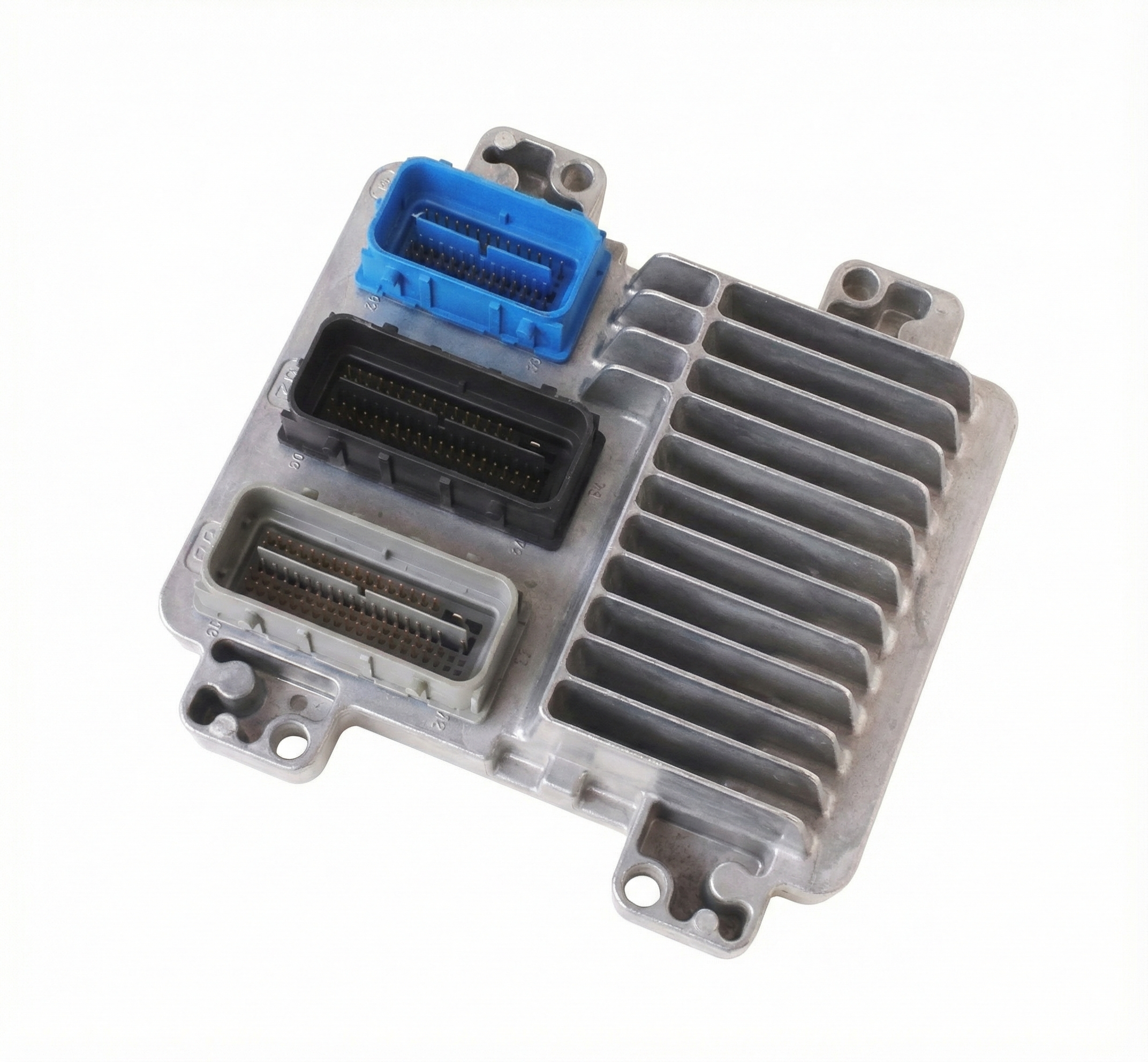
- Engine Control Module (ECM)
(OEM #12653998)— This is the most common definitive fix after all other external factors like power, grounds, and related sensor circuits have been ruled out. This part number supersedes part number 12633555. It requires programming to the vehicle's VIN.
Trusted brands: ACDelco (GM Genuine), Flagship One, Flashmasters
OEM price range: $400-$800
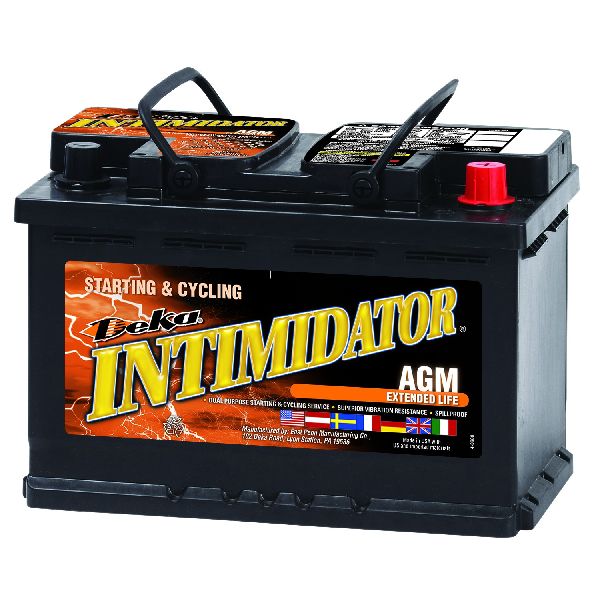
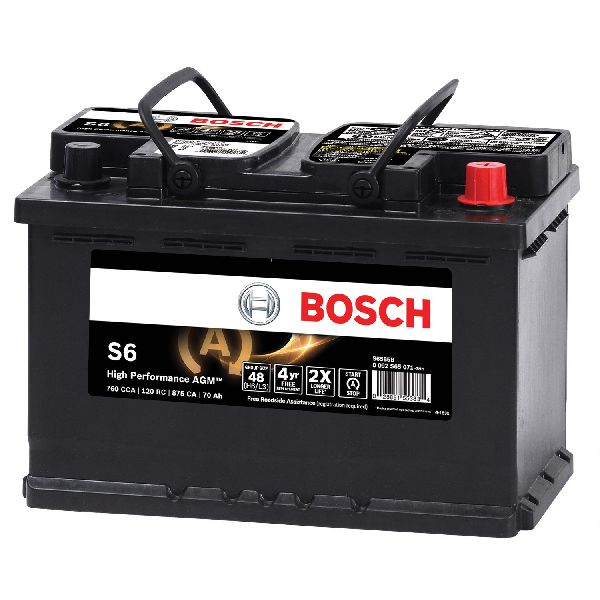
Aftermarket price range: $140-$500 - Battery — A weak or failing battery is a frequent cause of voltage-related module faults, including a false P0606.
Trusted brands: ACDelco, Interstate, DieHard
OEM price range: $180-$300
Aftermarket price range: $150-$250
Related Codes That Often Appear With This One
- P069E — This code relates to a fault requested by the Fuel Pump Control Module (FPCM). Its presence alongside P0606 suggests a wider electrical or network issue may be affecting multiple modules.
- P2534 — Indicates a low voltage condition in the ignition switch circuit, which can also be related to the FPCM. This points towards a potential power supply issue as the root cause for module faults.
- P0562 — This code for 'System Voltage Low' strongly suggests the P0606 is a symptom of a failing battery or alternator, not a primary ECM failure.
- P0016, P0017, P0018, P0019 — These codes relate to crank/cam correlation issues, often tied to stretched timing chains on the 3.6L engine. An erratic cam signal could be a precursor to the scenario described in TSB #17-NA-132 where a cam circuit fault triggers P0606.
Technical Service Bulletins (TSBs) & Recalls
- 05-06-04-060A: This informational bulletin communicates that internal processor DTCs (including P0606) can be set by various control modules, not just the ECM. It advises technicians to understand which module set the code before starting diagnosis.
- 17-NA-132: A critical bulletin warning technicians NOT to replace the ECM for a P0606 code in a crank/no-start situation until the camshaft position sensor circuit has been checked for an open. An open in this circuit can falsely trigger the P0606 before a cam sensor DTC is logged.
- 24-NA-050: While for newer models, this TSB shows a pattern where low battery voltage or jump-starting can cause the Electronic Brake Control Module (EBCM) to set a P0606, reinforcing the platform's sensitivity to voltage fluctuations.
Platform-Specific Known Issues
- The first-generation Acadia (2007-2016) is known for premature timing chain stretching on its 3.6L V6 engine. While this typically sets codes like P0016-P0019, the resulting erratic sensor signals could potentially contribute to module confusion and other faults, including the cam sensor circuit fault mentioned in TSB #17-NA-132.
- GM TSB #05-06-04-060A notes that P0606 is one of several codes that can be set in multiple different control modules, highlighting the importance of a full-system scan to see which module is reporting the fault and to look for systemic electrical issues.
- Water intrusion into the under-dash fuse block and wiring harnesses under the sill plates can cause high resistance and communication issues, leading to various electrical problems including a false P0606.
Mechanic-Grade Diagnostic Values
- ECM Ground Circuit Voltage Drop — expected: Less than 0.3 Volts (ideally close to 0.1V). Failure: A reading higher than 0.3V indicates high resistance in the ground circuit, which can cause the ECM to malfunction.
- Charging System Voltage (Engine Running) — expected: 13.5V - 14.5V. Failure: Voltage below 13.2V or above 14.8V indicates a charging system fault that can cause module errors.
- Voltage at ECM Connector X1, Pin 20 (RD/WH wire) — expected: Should match battery voltage (B+). Failure: A voltage reading lower than battery voltage indicates a power supply issue to the ECM.
- Camshaft Position Actuator Solenoid (VVT Solenoid) Resistance — expected: 6.9 to 7.9 ohms at 68°F (20°C). Failure: A reading outside this range, or an open/short circuit, indicates a faulty solenoid which could be part of a cam circuit fault triggering a false P0606.
Hidden / Shadow Codes Worth Checking
- P0606 5A: The '5A' is a GM-specific symptom byte meaning 'Control Module Processor Performance'. It confirms the module has failed an internal performance self-check, strongly pointing to an internal ECM hardware or software fault. (see via A professional GM-specific scan tool like the GDS2 (Global Diagnostic System 2) is required to view symptom bytes. Standard OBD-II readers will only show P0606.)
Scan Tool Commands That Help
- GDS2 / Tech2: Service Programming System (SPS) — This function is mandatory after replacing the ECM. It is used to write the vehicle's VIN into the new module and load the correct software and calibration files.
- GDS2 / Tech2: Vehicle Theft Deterrent (VTD) Learn — After replacing and programming the ECM, this procedure must be performed to sync the new module with the vehicle's immobilizer system. The engine will not start until this is completed.
- GDS2 / Tech2: Crankshaft Position (CKP) System Variation Learn — This procedure compensates for minor variations in the crankshaft position sensor reluctor wheel to ensure accurate misfire detection. It must be performed after ECM replacement.
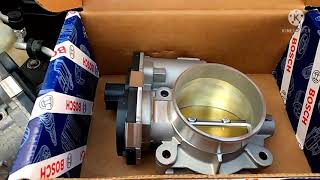
- GDS2 / Tech2: Throttle/Idle Learn — Required after ECM replacement or if the throttle body is replaced or cleaned. This procedure allows the ECM to learn the new throttle body's idle and closed positions.
Wiring & Ground Locations
- G101 — On the left frame rail in the engine compartment.. This is a primary ground point for the Engine Control Module (ECM). A poor connection here can cause erratic ECM behavior and trigger a false P0606.
- G103 — On the left inner fender panel in the engine compartment, sometimes described as being on the cowl above the brake booster.. Serves as a major ground distribution point for multiple modules including the Body Control Module (BCM). A fault here can cause widespread communication and module errors.
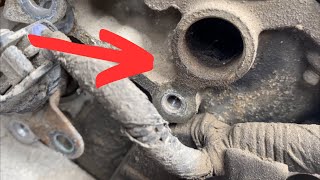
- G112 — Rear of the engine, mounted to the rear of the cylinder head.. Provides a critical ground path for components on the engine itself. A loose or corroded connection can affect sensor readings and module performance.
- ECM Connector X1 — The ECM is located behind the radiator fan shroud. X1 is one of the main multi-pin connectors on the module.. This connector houses the primary power (e.g., Pin 20), ground (e.g., Pin 22 'Low Reference'), and 5-volt reference circuits for the ECM. Checking for voltage, ground, and pin integrity here is a critical diagnostic step.
Real Owner Repair Stories
- AcadiaForum.net user (2008 GMC Acadia) — Check Engine Light, "Service Stabilitrak," "Service Traction Control," and "Engine Power is Reduced" messages. Codes P0606, P0121, P0221, and C0242 were present.
❌ Tried (didn't work) Replacing the accelerator pedal position (APP) sensor., Checking wiring between the APP sensor and the ECM.
✅ What actually fixed it The user replaced the throttle body. After replacement and performing an idle relearn procedure, all codes cleared and did not return, resolving the issue.
OEM Part Supersession History
12633555→12653998— Standard part revision and update by the manufacturer.
Model Year Variations Within This Range
- 2007-2008 vs 2009-2014: The engine was updated in 2009 from the port-injected LY7 to the direct-injected LLT. This change affects diagnostics. For example, GM bulletin PI0090D noted that for an intermittent hesitation, technicians should inspect the Bank 1 Exhaust Cam Sensor connector on the 2008 LY7, but the Bank 1 Intake Cam Sensor connector on the 2009-2011 LLT. This is relevant to P0606 due to the TSB linking cam sensor circuit faults to this code.
Helpful Videos



Used OEM Parts in Stock



New Aftermarket Parts Available


The information in this article is provided for general reference and educational purposes only. Vehicle specifications, procedures, and part compatibility can vary by production date, trim level, and region. Always consult your vehicle's factory service manual and verify part numbers before purchasing or performing repairs. Safety-critical components such as airbags, seat belts, and braking systems should be installed by a qualified professional.
- Gmc ACADIA:
- 🎬 Helpful Videos
- 🛍️ Shop This Part
- What's Unique About the 2007-2014 Gmc ACADIA
- Diagnostic Flowchart
- Symptoms You May Notice
- Most Likely Causes
- Rare But Worth Checking
- Diagnosis Steps
- Parts You'll Likely Need
- Related Codes That Often Appear With This One
- Technical Service Bulletins (TSBs) & Recalls
- Platform-Specific Known Issues
- Mechanic-Grade Diagnostic Values
- Hidden / Shadow Codes Worth Checking
- Scan Tool Commands That Help
- Wiring & Ground Locations
- Real Owner Repair Stories
- OEM Part Supersession History
- Model Year Variations Within This Range
- 🎟️ Get 5% Off