

P0606 on 2011-2015 Buick Regal: ECM/PCM Processor Fault Causes and Fixes
P0606 on a 2011-2015 Buick Regal indicates a serious internal processor fault in the Engine Control Module (ECM). This usually requires replacing the ECM, which must be programmed to the vehicle. Before replacement, always verify the battery, grounds, and wiring are not the root cause, as voltage issues are a known trigger. GM has also issued a TSB advising that a faulty camshaft position sensor can incorrectly set a P0606 code without setting a sensor-specific code.
- P0606 is a critical code indicating the engine's main computer has an internal fault.
- Do not drive the vehicle, as it can stall or behave unpredictably at any time.
- While the ECM itself is a likely cause, always check the battery, charging system, and all power/ground connections to the ECM first.
- Crucially, for this specific vehicle, follow GM TSB 17-NA-132 and check the camshaft position sensor circuit before condemning the expensive ECM.
What's Unique About the 2011-2015 Buick REGAL
For this generation of Buick Regal and its platform mates (like the Chevrolet Malibu), the P0606 code has several documented nuances. GM Technical Service Bulletin #05-06-04-060A acknowledges P0606 as a processor fault. More importantly, TSB #17-NA-132 specifically warns technicians NOT to replace the ECM for a P0606 until the camshaft position sensor and its circuit have been thoroughly checked. A fault in the cam sensor circuit can prevent the engine from starting and incorrectly trigger a P0606 before the more specific sensor code has a chance to set. Additionally, these GM modules are sensitive to voltage fluctuations, meaning a weak battery or poor ground connection is a more likely cause than on some other vehicles.
Diagnostic Flowchart
Tap your situation to follow the diagnostic path that matches what you're seeing on this vehicle.
Symptoms You May Notice
- Check Engine Light is on
- Engine stalls or may not start
- Reduced engine power or entering 'limp mode'
- Erratic automatic transmission shifting
- Other warning lights (ABS, Traction Control, Service StabiliTrak) may illuminate
- Unstable or rough idle
- Engine cranks but does not fire
- Difficulty cranking the engine
- Replacing fuel system or ignition components. Because P0606 can cause drivability issues like misfires or stalling, mechanics might mistakenly blame spark plugs, coils, or fuel injectors. However, the code itself points directly to the control unit.
- Immediately replacing the ECM without checking other causes. As per GM TSB 17-NA-132, a faulty camshaft position sensor is a prime example of a component that can cause a misleading P0606 code.
Most Likely Causes
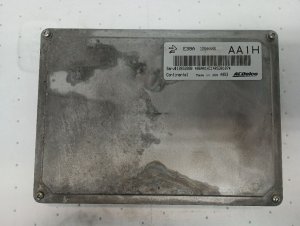
- Internal ECM/PCM Failure 🔴 High Probability As noted in TSB #05-06-04-060A, internal processor faults are a recognized issue. The ECM, often an ACDelco E39 or similar variant, can fail from heat cycles and vibration over time.
How to confirm: After ruling out all other possibilities (power, ground, wiring, and specific TSB-related causes like the cam sensor), the ECM is condemned. This is a process of elimination. A technician may attempt a reflash; if it fails or the code returns instantly, the module is bad.
Typical fix: Replace the Engine Control Module and program it to the vehicle's VIN using GM's Service Programming System (SPS).
Est. part cost: $200-$700 - Poor Power or Ground Connections 🟡 Medium Probability GM vehicles of this era are known to be sensitive to ground issues. The main ECM ground points, often located on the engine block, cylinder head, or near the transmission bellhousing, can corrode, causing voltage fluctuations that trigger a false P0606.
How to confirm: Perform a voltage drop test on the ECM's power and ground circuits. Visually inspect main battery terminals, chassis grounds (G101/G106 on the engine block/crossmember), and the ECM connectors for corrosion or damage. Cleaning these grounds is a critical first step.
Typical fix: Disassemble, clean, and tighten ground straps and power connections. Repair any corroded terminals at the ECM connector.
Est. part cost: $5-$50 - Faulty Camshaft Position Sensor or Circuit 🟡 Medium Probability GM issued TSB 17-NA-132 specifically because an open in the camshaft position sensor circuit can cause a P0606 during cranking without setting a corresponding cam sensor DTC. The crank attempt is aborted before the specific sensor code can be logged.
How to confirm: Follow the diagnostic procedure outlined in TSB 17-NA-132. This involves checking the cam sensor and its wiring for opens or shorts before considering ECM replacement.
Typical fix: Replace the faulty camshaft position sensor and/or repair the wiring harness leading to it.
Est. part cost: $30-$100 - Low or Unstable Battery Voltage ⚪ Low Probability GM modules are sensitive to voltage drops during cranking. A weak battery, failing alternator, or even a jump-start can cause voltage spikes or drops that confuse the ECM processor, temporarily setting a P0606.
How to confirm: Test the battery with a load tester, not just a voltmeter. A healthy battery should read ~12.6V engine off and hold its voltage under load. Check alternator output, which should be stable at ~13.7-14.7V with the engine running.
Typical fix: Replace the battery or alternator.
Est. part cost: $150-$500
Rare But Worth Checking
- Wiring Harness Damage: While less common, chafed or shorted wires in the harness leading to the ECM can mimic an internal fault. A thorough visual inspection is warranted before replacing the expensive module.
- Software Corruption: An interrupted software update or a random glitch can sometimes corrupt the ECM's programming, triggering a P0606 code. A dealership or qualified shop may be able to reflash the module as a first step, as advised in some GM bulletins for software anomalies.
- Faulty ECM Power Relay: The ECM power relay supplies main power to the module. If this relay is failing, it can cause intermittent power loss to the ECM, potentially triggering a P0606 code. This is a simple and relatively inexpensive part to check and replace.
Diagnosis Steps
- Check for other DTCs. If other codes are present, especially for specific sensors, diagnose them first.
- Verify the battery is fully charged and passes a load test. Check the charging system for stable voltage (~13.7-14.7V).
- Visually inspect all battery cables and main engine ground straps for tightness and corrosion. Key locations include the main engine block ground and transmission bellhousing grounds.
- Specifically check the camshaft position sensor and its wiring for any opens or shorts, as per TSB 17-NA-132, especially if the car cranks but won't start.
- Inspect the ECM connectors for any signs of corrosion, moisture, or bent pins.
- Check the ECM power relay and associated fuses.
- Using a wiring diagram, check for stable power and clean ground signals directly at the ECM connector with a multimeter.
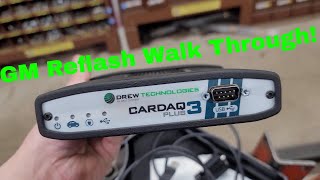
- If all wiring, power, grounds, and TSB-related items are confirmed good, attempt to reflash the ECM with the latest factory software. If the reflash fails or the code returns immediately, the ECM is faulty.
- Replace the ECM and program the new module to the vehicle using a tool like GM's SPS.
Parts You'll Likely Need
- Engine Control Module (ECM)
(OEM #Varies by engine/year. Examples for 2.4L include 12639986, 12642612, 12647214, 12646438, 12637489. Always verify with VIN.)— This code specifically indicates an internal processor failure within the ECM itself. After external factors are ruled out, replacement is the only solution.
Trusted brands: ACDelco (GM Genuine), Bosch
OEM price range: $600-$800
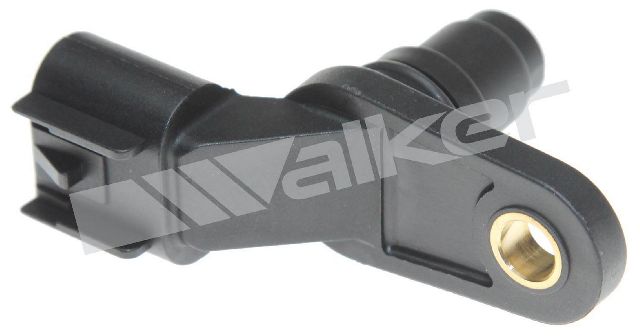
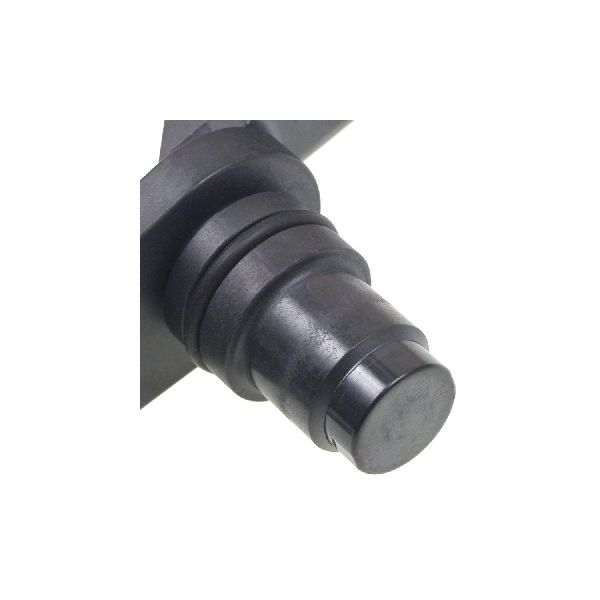
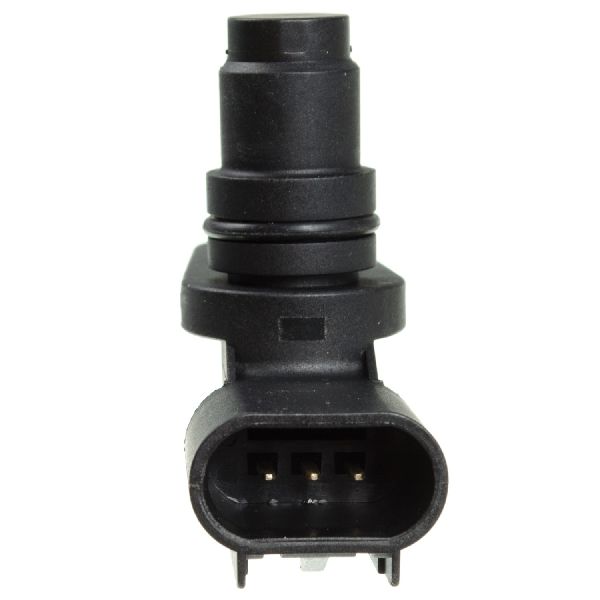
Aftermarket price range: $200-$500 - Camshaft Position Sensor — As per GM TSB 17-NA-132, a fault in this sensor's circuit can be the true cause of a P0606 code on this platform.
Trusted brands: ACDelco, Delphi
OEM price range: $40-$80
Aftermarket price range: $25-$50
Related Codes That Often Appear With This One
- P0562 (System Voltage Low) or P0563 (System Voltage High) may be found in history, pointing towards a battery or charging system issue as the root cause.
Technical Service Bulletins (TSBs) & Recalls
- 05-06-04-060A: An informational bulletin from GM that lists P0606 as a known control module diagnostic trouble code, advising technicians on its meaning as an internal processor fault.
- 17-NA-132: A critical bulletin advising technicians NOT to replace the ECM for a P0606 code until the camshaft position sensor and its circuit have been thoroughly checked.
Platform-Specific Known Issues
- False P0606 due to Camshaft Position Sensor: A well-documented issue covered by GM TSB 17-NA-132 where an open circuit for the cam sensor causes a P0606 on a crank/no-start condition. The ECM aborts the start sequence before it can log the specific cam sensor code, leading to misdiagnosis of a bad ECM. The official fix is to inspect and repair the cam sensor circuit first.
- Stabilitrak / ABS / Traction Control Lights: Owners on forums for the Buick Regal and its platform mates frequently report that a P0606 code is accompanied by 'Service StabiliTrak', 'Service ABS', and other warnings. This is because the faulty ECM cannot communicate properly with the other control modules, causing a cascade of warnings.
Mechanic-Grade Diagnostic Values
- ECM Ground Circuit Voltage Drop — expected: 0.1 Volts or less. Failure: A reading greater than 0.3 Volts indicates unacceptable resistance from corrosion or a faulty wire.
- Camshaft Position Sensor Resistance — expected: 200 to 900 Ohms (Varies by manufacturer). Failure: A reading outside this range, or an open/shorted circuit, indicates a faulty sensor.
- Alternator Output Voltage — expected: 13.5 to 14.5 Volts (engine running). Failure: Voltage below or above this range indicates a charging system problem that can trigger a false P0606.
Scan Tool Commands That Help
- GDS2 / Tech2: Module Replacement and Setup — This function is required after installing a new ECM to program the vehicle's VIN and security information into the new module.
- GM SPS/SPS2: Service Programming System — Used to flash a new or existing ECM with the latest manufacturer software. This is required for all new ECM installations and can sometimes fix software corruption on an existing module.
- OBDSTAR DC706 (or similar bench tool): ECU Cloning (Read/Write EEPROM and Flash) — In advanced repair scenarios, if the original ECM is partially readable, its data can be cloned to a used (donor) ECM. This copies the VIN, security, and programming, potentially avoiding the need for online SPS programming.
Wiring & Ground Locations
- G101 — Lower front of the engine block.. This is a primary ground for the Engine Control Module (ECM) and Transmission Control Module (TCM). Corrosion or looseness here can cause erratic module behavior and false P0606 codes.
- G103 — At the rear of the left-hand engine head.. A GM service bulletin highlights this ground as critical. A poor connection here can cause various transmission and engine DTCs, including those that might lead to a P0606.
- G105 / G106 — Located on the frame cross rail, near the front of the engine compartment.. These are major chassis and component ground points. While not a direct ECM ground, poor connections here can affect overall system voltage stability, which is critical for the ECM.
- ECM Connector X1, Pin 20 — At the main ECM connector.. This pin provides Battery Positive Voltage to the ECM. A voltage drop test should be performed here to ensure the ECM is receiving stable power.
- ECM Connector X2, Pins 3 & 4 — At the main ECM connector.. These are the main power ground pins for the ECM. A voltage drop test between these pins and the battery negative terminal is a critical step to rule out a bad ground connection.
Real Owner Repair Stories
- CarComplaints.com owner report (2014 Buick Regal, 64,000 miles) — Car shut down completely, anti-theft system activated, lights dimmed, no remote function.
✅ What actually fixed it A melting wire connected to the negative battery terminal was discovered. The repair involved fixing the faulty wiring harness.
OEM Part Supersession History
12639986→12642612, 12647214, 12646438, 12637489 (Example sequence)— GM frequently updates part numbers for hardware revisions, software updates, or manufacturing changes. The ACDelco E39 and E39A ECMs used in this platform have had multiple revisions.
Heads up: While later part numbers are generally backward compatible when programmed correctly, using a module from a vehicle with different options (e.g., AWD vs FWD) can cause issues if not properly configured with SPS.
Model Year Variations Within This Range
- 2014-2015: The 2014 model year introduced a significant facelift with new front/rear styling and a redesigned interior. More importantly, a new 2.0L turbo engine (259 hp) became the standard powertrain, replacing the previous turbo option. This engine change means some electrical components and ECM software calibrations will differ from the 2011-2013 models. All-Wheel Drive (AWD) also became more widely available.
- 2011-2013: Primarily used a 2.4L naturally aspirated engine as standard, with a different 2.0L turbo as an option compared to the later models. The electrical architecture is largely similar, but part numbers for the ECM may vary.
Helpful Videos

Used OEM Parts in Stock


New Aftermarket Parts Available



The information in this article is provided for general reference and educational purposes only. Vehicle specifications, procedures, and part compatibility can vary by production date, trim level, and region. Always consult your vehicle's factory service manual and verify part numbers before purchasing or performing repairs. Safety-critical components such as airbags, seat belts, and braking systems should be installed by a qualified professional.
- Buick REGAL:
- 🎬 Helpful Videos
- 🛍️ Shop This Part
- What's Unique About the 2011-2015 Buick REGAL
- Diagnostic Flowchart
- Symptoms You May Notice
- Most Likely Causes
- Rare But Worth Checking
- Diagnosis Steps
- Parts You'll Likely Need
- Related Codes That Often Appear With This One
- Technical Service Bulletins (TSBs) & Recalls
- Platform-Specific Known Issues
- Mechanic-Grade Diagnostic Values
- Scan Tool Commands That Help
- Wiring & Ground Locations
- Real Owner Repair Stories
- OEM Part Supersession History
- Model Year Variations Within This Range
- 🎟️ Get 5% Off