

P0606 on 2007-2011 Buick Lucerne: ECM/PCM Processor Fault Guide
Code P0606 on a Buick Lucerne indicates a critical internal processor fault in the Powertrain Control Module (PCM). This is a serious issue that usually requires replacing the PCM, which must be programmed to the vehicle. Before condemning the expensive PCM, thoroughly check the battery, charging system, and all main power and ground wires, as voltage issues are a known cause. Expect a high repair cost due to the part and specialized labor.
- P0606 is a critical code indicating your car's main computer (PCM) has failed its internal self-test.
- Do not continue to drive the vehicle, as it can stall or become inoperable at any time.
- Before replacing the expensive PCM, always have a mechanic verify the battery, alternator, and all main power/ground connections are in perfect condition, as electrical issues are a common cause.
- PCM replacement is not a DIY job; the new module must be professionally programmed to your car's VIN.
- The most likely fix is a new or remanufactured PCM, which is a costly repair, but external wiring/voltage issues must be ruled out first.
What's Unique About the 2007-2011 Buick LUCERNE
For this generation of Buick and other GM vehicles, a Technical Service Bulletin (TSB #05-06-04-060A) acknowledges that processor-related codes like P0606 can occur in multiple modules. This indicates a known potential for these types of electronic faults across the platform, rather than a problem isolated to a single component or model year. The fix almost always involves a replacement module that needs to be professionally programmed. The Lucerne shares its GM H-body platform and many electronic components with the Cadillac DTS, which can experience similar PCM-related failures. The Lucerne used different PCMs depending on the engine (V6 vs. Northstar V8), which affects physical location and specific wiring checks.
Diagnostic Flowchart
Tap your situation to follow the diagnostic path that matches what you're seeing on this vehicle.
Symptoms You May Notice
- Check Engine Light is on
- Engine may stall unexpectedly or fail to start
- Reduced engine power or 'limp mode'
- Erratic or harsh automatic transmission shifting
- Multiple other warning lights (e.g., ABS, Traction Control) may illuminate
- Poor fuel economy
- Engine cranks but does not start
- Intermittent loss of tachometer signal
- Replacing transmission components due to erratic shifting when the PCM is the actual cause.
- Replacing individual sensors (e.g., oxygen sensors, throttle position sensor) when the PCM's inability to process their data is the root problem. 🎬 Watch: How to diagnose an ECM processor error code
- Replacing the starter motor when a no-crank condition is actually caused by the PCM not grounding the starter relay due to an internal fault.
Most Likely Causes
- Failed Powertrain Control Module (PCM) 🔴 High Probability General electronic component failure over time. The TSB for GM vehicles suggests a known pattern of these internal faults. In most documented cases, after all external factors are ruled out, the PCM is the confirmed point of failure.
How to confirm: After confirming stable voltage (12.6V off, 13.5-14.5V running) and clean, tight power/ground connections, a professional scan tool is used to attempt communication. If all external factors are ruled out, the module itself is condemned.
Typical fix: Replace the PCM and program the new unit to the vehicle's VIN and specific configuration using dealer-level software.
Est. part cost: $300-$800 - Poor Battery Voltage or Failing Alternator 🟡 Medium Probability Low or unstable voltage can cause communication errors and trigger false processor fault codes in sensitive electronic modules. A weak battery that drops voltage during cranking can trigger this code.
How to confirm: Test the battery with a digital multimeter (should be ~12.6V engine off). Test the alternator output with the engine running (should be ~13.5-14.5V). Perform a load test on the battery to check its health.
Typical fix: Replace the battery and/or alternator.
Est. part cost: $150-$400 - Corroded or Damaged PCM Power/Ground Wires ⚪ Low Probability Over time, exposure to moisture and heat can degrade wiring and connections. Key ground points, like the main engine-to-chassis ground strap, are known to corrode and cause a wide range of electrical issues, including module faults.
How to confirm: Visually inspect the PCM connectors and main engine/chassis ground points for corrosion, looseness, or damage. A common ground location on GM vehicles is a strap from the engine block or transmission bell housing to the chassis/firewall. Perform a voltage drop test on the power and ground circuits to check for high resistance.
Typical fix: Clean the ground connection points with a wire brush until shiny, apply dielectric grease, and re-secure. Repair or replace the damaged section of the wiring harness.
Est. part cost: $10-$100
Rare But Worth Checking
- PCM Software Glitch: In some cases, the issue may not be a hardware failure but a software corruption, sometimes triggered by a voltage spike or a dead battery. A dealer or specialized shop can check if a software update or 'reflash' is available, which could potentially fix the code without replacing the module.
- Shorted Sensor or Component: A sensor or component connected to the PCM can short out internally, sending incorrect voltage back to the PCM and causing it to report an internal fault. A diagnostic technician might unplug sensors one by one to see if the P0606 code clears, which would isolate the faulty external component.
Diagnosis Steps
- Scan for all diagnostic trouble codes. Note any other codes present, especially other P06xx or U-codes, as they can provide clues.
- Check the battery and charging system thoroughly. Ensure voltage is stable and within the correct range (12.6V key off, 13.5-14.5V engine running). A load test is recommended.
- Visually inspect all battery cables and primary engine ground straps for corrosion or damage. Key locations include the main battery terminals, the engine-to-chassis strap, and the PCM's own ground wires. Clean and tighten as necessary.
- Check all fuses related to the PCM/ECM and ignition system, often found in the underhood and rear underseat fuse boxes.
- Inspect the PCM connectors for any signs of corrosion, moisture, or bent pins. Disconnect and reconnect them to ensure a solid connection.
- If possible, check for any available software updates (reflash) for the PCM by contacting a dealership or qualified repair shop with access to GM's TIS2Web service.
- As a temporary diagnostic step, try a hard reset by disconnecting the battery for 15-30 minutes to clear any temporary glitches. If the code returns immediately, it points towards a hard failure.
- If all wiring, grounds, and power inputs are confirmed to be good and no software update is available or effective, the PCM is faulty and requires replacement.
Parts You'll Likely Need
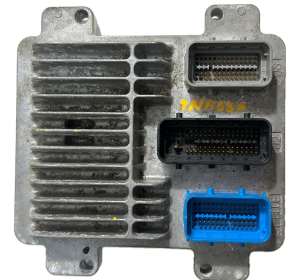
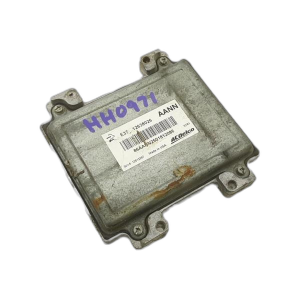
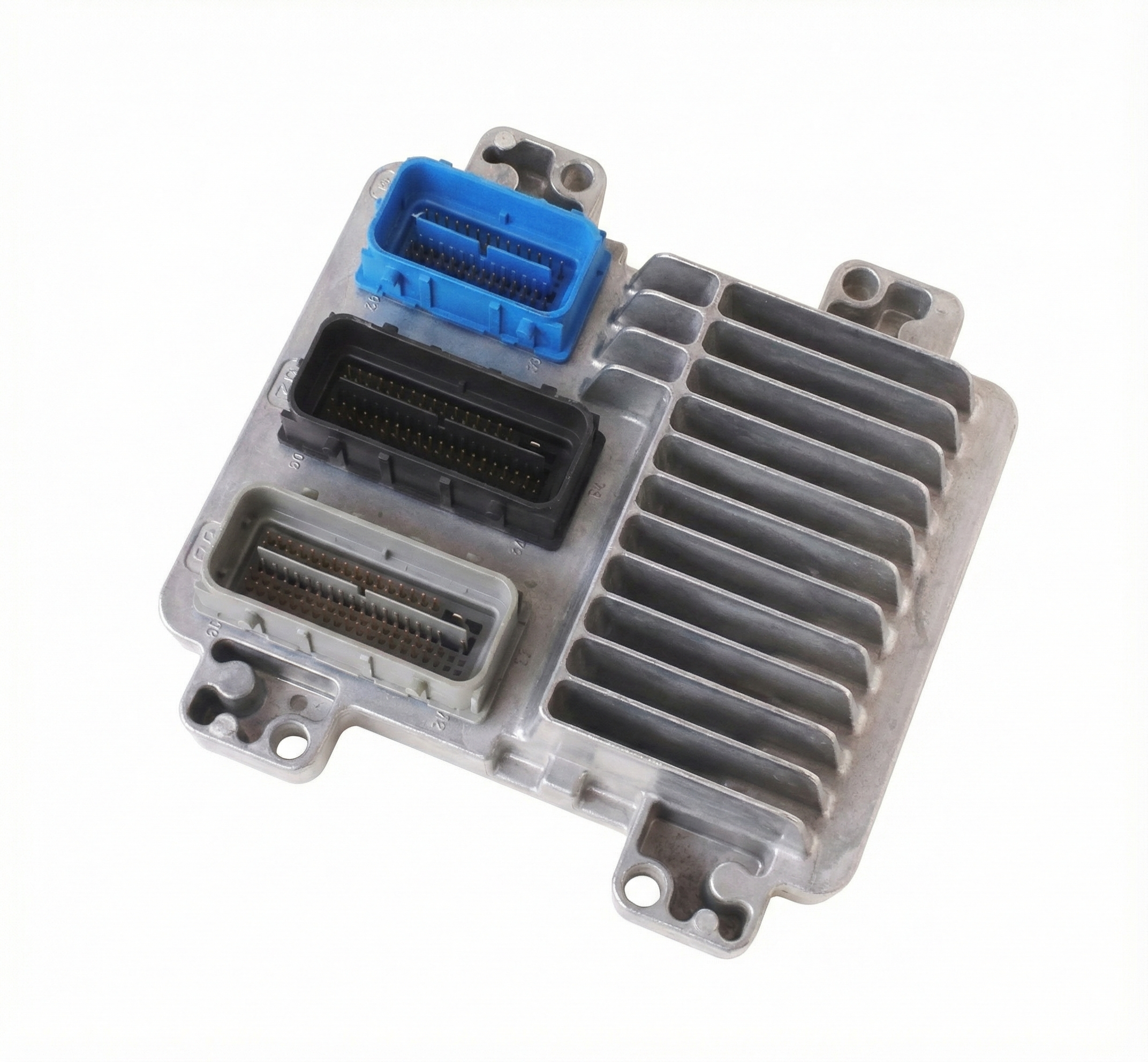
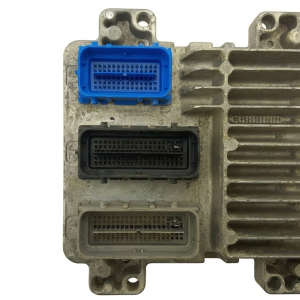
- Powertrain Control Module (PCM)
(OEM #12613144, 12600930 (Varies by year and engine, VIN verification is required))— This code directly points to an internal failure of this component. In most cases, the module itself has failed and must be replaced.
Trusted brands: ACDelco (OEM), Cardone (Remanufactured), FS1 (Flash Services)
OEM price range: $500-$800
Aftermarket price range: $300-$500
Related Codes That Often Appear With This One
- P0601, P0602, P0603, P0604 — These are all internal control module memory or processor error codes. Their presence alongside P0606 reinforces the diagnosis of a failed PCM. The cited TSB #05-06-04-060A groups these codes together.
- U-codes (e.g., U0100, U0107) — Communication codes often appear when the PCM is failing, as it cannot properly communicate with other modules on the vehicle's network (CAN bus). A failing PCM can disrupt the entire network.
Technical Service Bulletins (TSBs) & Recalls
- 05-06-04-060A: This informational bulletin communicates Information to technicians on control module Diagnostic Trouble Code(s) (DTC)(s) P0601, P0602, P0603, P0604, P0606, P062F, P06F3, P1621 which can be shared in multiple modules. It advises technicians to identify which module set the code before replacing it.
Platform-Specific Known Issues
- GM issued Technical Service Bulletin #05-06-04-060A which includes P0606 and other related codes, indicating an awareness of potential control module processor faults across various models and modules.
- A user on BuickForums.com with a 2009 Lucerne experienced a no-start condition after the battery was drained. Even after replacing the battery and then the ECM, the issue persisted, highlighting the complexity of diagnosing the entire starting circuit, including verifying power, grounds, and relay function at the PCM connectors.
Mechanic-Grade Diagnostic Values
- PCM Power & Ground Voltage Drop — expected: Less than 0.2-0.3 volts. Failure: A reading higher than 0.3 volts indicates high resistance in the power or ground circuit that needs to be located and repaired.
- PCM Power Pins Voltage (Key On) — expected: 12.6V (Battery Voltage). Failure: Significantly lower voltage indicates a problem in the power supply wiring or fuses.
- 5-Volt Reference Circuit at Sensor — expected: ~5.0 Volts. Failure: 0 volts or a significantly lower voltage can indicate a short in the sensor or wiring, which can sometimes trigger a P0606.
Hidden / Shadow Codes Worth Checking
- P0606 5A: This is a GM-specific symptom byte meaning 'Control Module Processor Performance'. It confirms the module has failed an internal performance self-check, helping to differentiate it from other potential internal faults. (see via A professional GM-specific scan tool like GDS2 (Global Diagnostic System 2) is required. Standard OBD-II readers will only show the generic P0606 code.)
Scan Tool Commands That Help
- GM Techline Connect (SPS2): Replace and Reprogram — This function is mandatory after installing a new PCM. It downloads the correct VIN-specific software and security information from GM's servers to the new module. Without this step, the vehicle will not start.
- GM Techline Connect (SPS2): Reprogram — This function is used to update the software on the existing PCM. It should be attempted before replacing the module, as a software update can sometimes fix glitches that cause a P0606 code.
Wiring & Ground Locations
- G101 / G104 — Typically located on the left or right front corner of the engine compartment, often on the frame rail or inner fender.. These are major engine and chassis ground points. G101 is specifically cited in some GM diagrams as providing a ground path for the Engine Control Module. Corrosion or looseness here can cause intermittent power loss to the PCM.
- G112 / G114 — Located on the lower left rear of the engine block or transmission bell housing.. These are primary engine block grounds. A poor connection here can create voltage potential differences between the engine and chassis, leading to a host of electrical issues, including false module fault codes.
- Rear Underseat Fuse Box — Located under the rear passenger seat cushion.. This fuse box contains multiple relays and fuses that supply power to various control modules, including potentially the PCM or related systems. Verifying fuses here is a critical step.
Real Owner Repair Stories
- RepairPal User Report (Buick Lucerne (year not specified)) — Intermittent engine shutdown while idling and driving, with a 5-10 minute delay before it would restart. Codes P0606, P0601, and U0107 were present.
❌ Tried (didn't work) Not specified, but the report focuses on diagnosis.
✅ What actually fixed it The report does not confirm a final fix but highlights a key diagnostic path: checking the Ignition Control Module (ICM) ground wire for potential shorts that can lead to stalls and trigger processor fault codes.
Model Year Variations Within This Range
- 2007-2011: The PCM used varies by engine. The 4.6L Northstar V8 uses an E67 PCM, as do later 3.9L V6 models. Early 3.8L V6 models may use a different controller. The physical location of the PCM differs; for the 3.8L, it is often inside the air cleaner housing, while for the 4.6L, it is on the left side of the engine compartment. This impacts diagnosis and replacement procedures.
Helpful Videos

We Have This Part in Stock


The information in this article is provided for general reference and educational purposes only. Vehicle specifications, procedures, and part compatibility can vary by production date, trim level, and region. Always consult your vehicle's factory service manual and verify part numbers before purchasing or performing repairs. Safety-critical components such as airbags, seat belts, and braking systems should be installed by a qualified professional.
- Buick LUCERNE:
- 🎬 Helpful Videos
- 🛍️ Shop This Part
- What's Unique About the 2007-2011 Buick LUCERNE
- Diagnostic Flowchart
- Symptoms You May Notice
- Most Likely Causes
- Rare But Worth Checking
- Diagnosis Steps
- Parts You'll Likely Need
- Related Codes That Often Appear With This One
- Technical Service Bulletins (TSBs) & Recalls
- Platform-Specific Known Issues
- Mechanic-Grade Diagnostic Values
- Hidden / Shadow Codes Worth Checking
- Scan Tool Commands That Help
- Wiring & Ground Locations
- Real Owner Repair Stories
- Model Year Variations Within This Range
- 🎟️ Get 5% Off