

P0604 on 2013-2016 Dodge Dart 1.4L Turbo: Internal RAM Error Causes and Fixes
This code indicates a memory error in the engine's computer (PCM). Before condemning the expensive PCM, thoroughly test the battery and check for poor ground connections. Often, low voltage during startup is the true culprit. Some owners on Reddit forums suggest adding a redundant ground wire as a preventative measure. If the electrical system is healthy, a PCM software update or replacement is the likely fix, which requires professional service.
- P0604 is a serious code indicating a memory problem in the engine computer, but do not assume the computer is bad.
- The first and most important diagnostic step is to thoroughly test the battery, connections, and charging system. Low voltage is the most common trigger.
- Inspect main power and ground connections to the PCM for corrosion or looseness, a known weak point on Darts.
- PCM replacement is the last resort. It is expensive and requires professional programming to your car's VIN.
What's Unique About the 2013-2016 Dodge Dart
The Dodge Dart is based on a Fiat platform, and its electronics can be sensitive. While P0604 is a generic code, on the Dart it's critical to first rule out underlying electrical issues, as the platform is known to have issues with poor grounds which can trigger various module faults. Chrysler has released numerous software updates (TSBs) to fix other electronic glitches on these vehicles, suggesting that a software issue could be a potential cause for this memory fault, even if a specific TSB for P0604 isn't prominent. The 1.4L Turbo engine and its associated electronics are shared with other Fiat-Chrysler vehicles like the Fiat 500 Abarth, which also reports this code.
Symptoms You May Notice
- Check Engine Light is on
- Engine may crank but not start
- Intermittent stalling, sometimes after the engine warms up
- Vehicle enters a reduced-power 'limp mode'
- Erratic or harsh transmission shifting
- ABS or Traction Control lights may illuminate
- Failure to pass emissions testing due to OBD-II monitor issues
- Replacing the PCM without first thoroughly testing the battery, alternator, and checking all ground connections. An unstable power supply is a far more common cause of this code than the PCM itself failing.
Most Likely Causes
- Low Battery Voltage or Failing Alternator 🔴 High Probability All modern control modules are sensitive to voltage. A battery that is weak or an alternator that is failing can cause voltage drops or spikes that corrupt the PCM's temporary memory during startup. The 2013 Dart, in particular, has many owner complaints related to premature battery failure.
How to confirm: With the engine off, a healthy battery should read ~12.4-12.6V. During cranking, voltage should not drop below 9.5V. With the engine running, the alternator should charge between 13.5V and 14.8V. A simple multimeter test is a good start, but a digital load tester provides a definitive battery health check. 🎬 Watch: How to properly test your Dodge Dart battery.
Typical fix: Replace the vehicle's battery and/or alternator.
Est. part cost: $150-$400 - Poor PCM Power or Ground Connections 🟡 Medium Probability The Dodge Dart platform has documented issues with poor ground connections, which can cause a host of intermittent electrical problems. Reddit users in the r/dodgedart community frequently discuss adding redundant ground wires from the battery negative terminal to the chassis or engine to solve various electrical gremlins.
How to confirm: Inspect the main engine ground straps and the PCM connectors for looseness, corrosion, or damage. Key ground points to check include the strap from the passenger side of the engine to the strut tower and the negative battery cable's chassis connection points behind the driver's side wheel fender. Perform a voltage drop test between the PCM ground pin and the negative battery terminal; it should be less than 0.1 volts.
Typical fix: Clean, tighten, or repair the affected ground wires and PCM connectors. Some owners proactively add a new 4-gauge or 8-gauge ground wire. 🎬 See how to install a ground upgrade and replace the alternator.
Est. part cost: $5-$50 - Outdated or Corrupted PCM Software 🟡 Medium Probability Chrysler has issued multiple TSBs to fix other engine codes on the Dart via a PCM software update, establishing a pattern of software-related fixes for electronic issues. For the 1.4L engine, TSB #18-009-15 specifically addresses drivability improvements by reprogramming the PCM. A software glitch could cause the PCM to fail its own RAM self-test.
How to confirm: A dealership or a professional shop with a subscription to OEM data (like a wiTECH scan tool) can check your vehicle's current software version against the latest available version from Stellantis (Chrysler/Dodge).
Typical fix: Reprogramming (flashing) the PCM with the latest software version.
Est. part cost: $100 - $250 - Internal PCM Failure ⚪ Low Probability While it's the direct implication of the code, outright hardware failure of the PCM is less common than the other causes. PCMs on the Dart can be difficult to source from dealers, sometimes requiring an aftermarket replacement from vendors like Flagship One, MINTT, or Cardone.
How to confirm: This is a diagnosis of exclusion. If the battery, charging system, all power/ground connections, and software have been verified as good, the PCM itself is the likely culprit.
Typical fix: Replace the Powertrain Control Module. The new module must be programmed to the vehicle's VIN.
Est. part cost: $300-$1000
Rare But Worth Checking
- Blown PCM Fuse: A fuse related to the PCM's power supply could be blown. While simple, it's an often-overlooked check that can mimic a more serious component failure. Check the fuse box in the engine compartment. 🎬 Watch: How to find and replace the PCM fuse.
- Aftermarket Tuning: Applying an aftermarket engine tune can sometimes cause conflicts with the PCM's internal memory checks, leading to a P0604 code. If the vehicle has been tuned, reverting to the stock software map can be a valid diagnostic step.
Diagnosis Steps
- Read all stored trouble codes with a quality OBD-II scanner. Note any other codes that are present, especially voltage or communication codes.
- Perform a full electrical system check. Test the battery's state of charge and health with a digital load tester. A simple voltage check is not sufficient.
- With the engine running, use a multimeter to check the alternator's output voltage at the battery terminals. It should be stable and within the 13.5V-14.8V range.
- Inspect all PCM-related fuses in the under-hood fuse box. Replace any that are blown.
- Carefully inspect the PCM connectors for any signs of corrosion, moisture, or pushed-out pins. Disconnect, inspect, and securely reconnect them. The PCM is located in the engine bay, often near the firewall.
- Locate and inspect the main engine-to-chassis ground straps. Ensure they are clean, tight, and free of corrosion. Pay special attention to the strap on the passenger side strut tower and the main battery ground points.
- Perform a voltage drop test on the main ground circuit to confirm its integrity under load.
- If all electrical checks pass, contact a dealership or qualified repair shop to check if a PCM software update is available for your vehicle's VIN. Reference TSBs like #18-009-15 for the 1.4L engine.
- If the code persists after all previous steps, the PCM is likely faulty and requires replacement and programming. This is a diagnosis of exclusion.
Parts You'll Likely Need
- Powertrain Control Module (PCM)
(OEM #05150846AC (Example for 2014 1.4L, many variations exist))— This is the part that sets the code. It is only replaced after all other possibilities (battery, grounds, software) have been exhausted.
Trusted brands: Mopar, Flagship One (FS1), Cardone, MINTT
OEM price range: $600-$1000
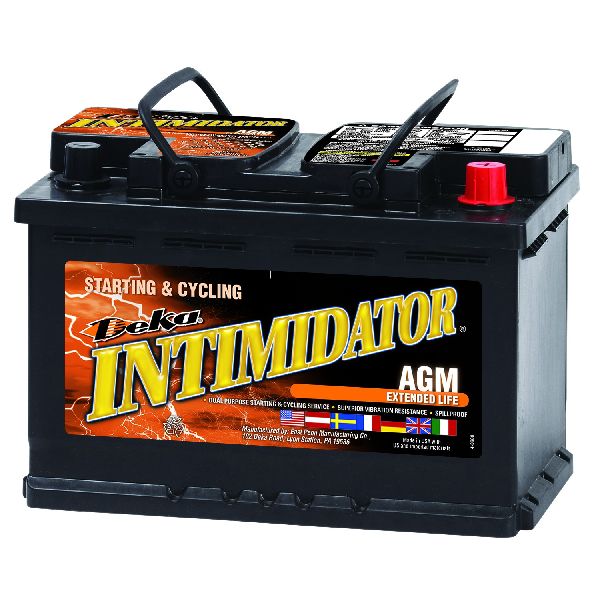
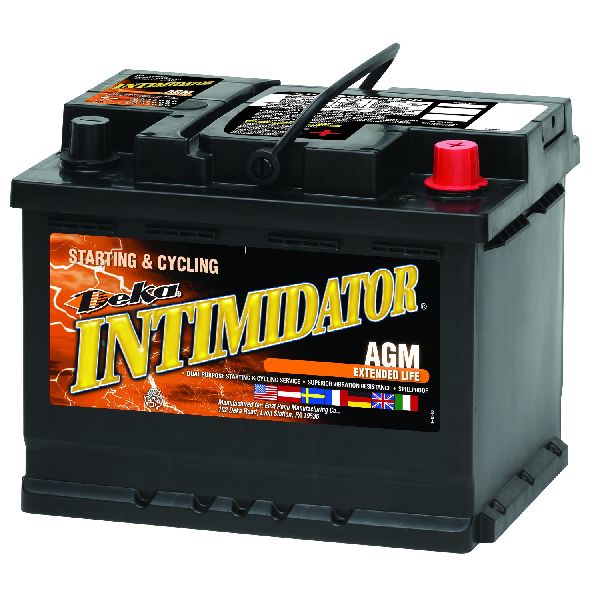
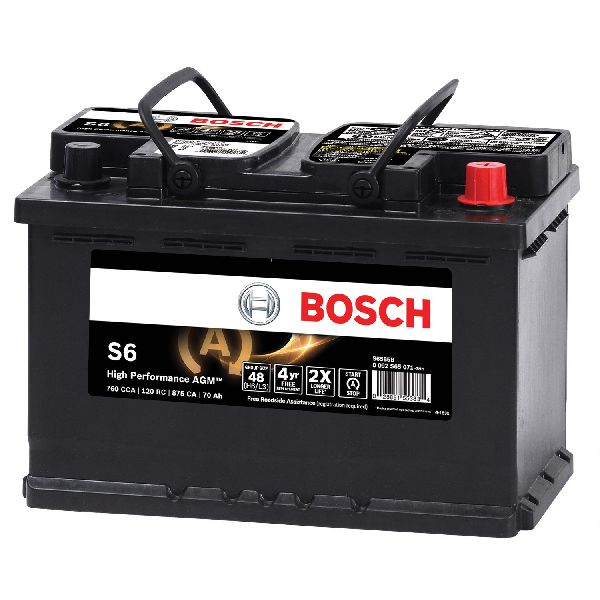
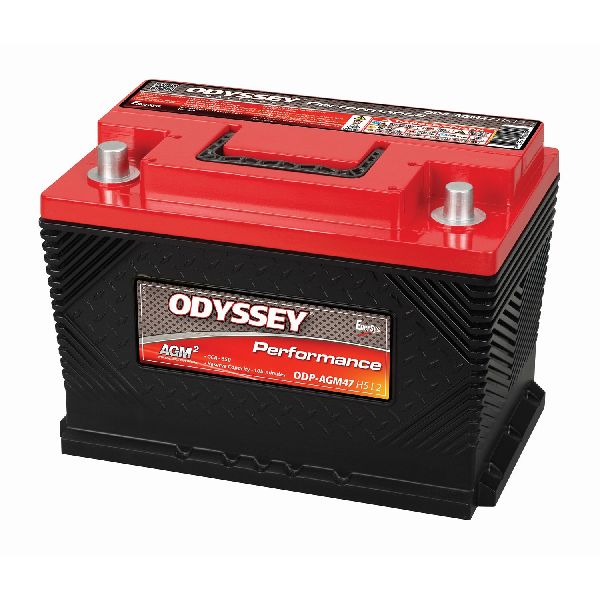
Aftermarket price range: $275-$700 - AGM Battery — A weak or failing battery is a very common trigger for this code due to low voltage during startup. The 2013 model year is noted for battery issues.
Trusted brands: Mopar, Interstate, DieHard
OEM price range: $200-$300
Aftermarket price range: $150-$250
Related Codes That Often Appear With This One
- U0401 — This code means 'Implausible Data Received From ECM/PCM'. It often appears with other codes on the Dart and can be related to software issues, bad grounds, or failing components that cause the PCM to send bad data, potentially leading to internal confusion that could also log P0604.
- P0602 — This code means 'Control Module Programming Error'. It is closely related to P0604 and can point to software corruption or issues that occurred during a failed reprogramming attempt.
- P0562 — This code for 'System Voltage Low' directly supports the high probability of a failing battery or alternator being the root cause for the P0604 memory error.
Technical Service Bulletins (TSBs) & Recalls
- TSB #18-009-15 REV. F: Titled 'Flash: 1.4L Drivability Improvements', this bulletin involves reprogramming the PCM with new software to address general performance issues, which could potentially resolve software-induced memory faults.
- Recall N32 / NHTSA 13V-282: This recall for 2013 Darts with the 1.4L engine and DDCT involved a PCM reprogram to prevent stalling in cold weather, showing a history of PCM software fixes for major issues.
- TSB Bulletin #18-044-26: While issued for other Dodge models, this manufacturer bulletin explicitly lists P0604-00 (Internal Control Module Random Access Memory Ram Error) as a fault that may be present in active or stored status, requiring specific diagnostic or software procedures.
Platform-Specific Known Issues
- Owner forums and repair databases indicate that sourcing a new PCM from a Dodge dealer for the 1.4L Turbo model can be difficult due to stock shortages, sometimes forcing owners to use pre-programmed aftermarket units.
- This platform has several Technical Service Bulletins (TSBs) that resolve other engine codes by updating the PCM software, indicating that software fixes are a common repair strategy for these vehicles. TSB #18-009-15 is for 1.4L drivability improvements.
- Grounding issues are a well-documented weak point. Owners on forums
Mechanic-Grade Diagnostic Values
- PCM Ground Circuit Resistance — expected: Below 0.1 Ω. Failure: A reading higher than 0.1 Ω indicates excessive resistance in the ground path, which can cause unstable voltage to the PCM.
- Alternator AC Ripple Voltage — expected: Below 0.5V AC (500mV AC). Failure: AC voltage higher than this indicates failing diodes in the alternator, which creates 'dirty' power that can corrupt PCM memory.
- Voltage Drop on Ground Circuit — expected: Less than 0.1 volts (100mV). Failure: A voltage reading higher than 0.1V when testing between a ground point (like the PCM case or a ground pin) and the negative battery terminal under load indicates a poor ground connection.
Scan Tool Commands That Help
- wiTECH 2.0: PCM Replaced — This routine is used after installing a new or used PCM. It initiates the process of programming the VIN and security information (SKIM) into the replacement module, allowing it to communicate with other modules on the vehicle like the RFHUB.
- wiTECH 2.0: Idle Learn Reset — After a new PCM is programmed, this function must be run to allow the new module to learn the engine's idle characteristics.
- wiTECH 2.0: Crankshaft Position Variation Learn — This is a mandatory procedure after PCM replacement to calibrate the new module to the specific tolerances of the crankshaft position sensor, ensuring accurate misfire detection and timing.
- wiTECH 2.0: Flash ECU — This function is used to update the PCM with the latest factory software calibration. It can resolve software glitches that may cause a P0604 code and is often performed before condemning the PCM hardware.
Wiring & Ground Locations
- PCM Location (1.4L Engine) — Right rear corner of the engine compartment.. This is the physical location of the module setting the code. It must be accessed to check its connectors for corrosion or damage and to perform pin-out testing.
- G108 — Rear center of the top of the engine (on 1.4L models).. This is a primary engine ground point. A loose or corroded connection here can cause a voltage differential between the engine block and chassis, leading to various electrical faults including P0604.
- G104 — Lower left front of the engine block.. Another critical engine-to-chassis ground point. Its location low on the block makes it susceptible to corrosion from road spray.
- G109 — Left side of the engine compartment on the wheel well.. This is a major chassis ground point. The negative battery cable and other harnesses connect here. Corrosion at this point can affect the entire vehicle's electrical stability.
- Negative Battery Cable Ground Points — The main negative cable from the battery runs down and bolts to the chassis in two separate spots behind the driver's side wheel fender liner.. This multi-point connection is critical. Corrosion or looseness at either of these points can cause a no-start and trigger module codes like P0604. Using an aftermarket cable that lacks this dual-point design is a known cause of electrical issues.
Real Owner Repair Stories
- Reddit user in r/dodgedart (2013 Dodge Dart) — No crank, no start. Battery tested fine.
❌ Tried (didn't work) Initially suspecting a bad starter.
✅ What actually fixed it The issue was traced to the negative battery cable's grounding points. The cable grounds to the chassis in two spots behind the driver's side wheel fender, and these connections were corroded. Another user confirmed that replacing the OEM cable with an aftermarket version that only had one grounding point caused electrical flickering, highlighting the importance of the original dual-point design.
Model Year Variations Within This Range
- 2013-2016: The physical location of the Powertrain Control Module (PCM) differs by engine. On the 1.4L Turbo, the PCM is located at the right rear corner of the engine compartment. On the 2.0L and 2.4L engines, it is located at the left front of the engine compartment.
Diagnostic Flowchart
Other Known Issues on This Vehicle
Issues unrelated to this code that are worth knowing about as an owner of this generation:
- MultiAir Actuator ('Brick') Failure 🔴 High — Common failure, often after 60,000 miles. Can be triggered by incorrect oil type or extended oil change intervals. Codes like P1067 are common.
- Dual Dry Clutch Transmission (DDCT) Problems 🔴 High — Very common on 2013-2015 models. Symptoms include jerky shifting, loss of gears ('gear unavailable' message), and complete failure. Often caused by a failed hydraulic actuator unit or internal sensors that are not serviced separately. (Ref: Recall R42 / NHTSA 15V-542 (TCM replacement))
- Excessive Oil Consumption 🟠 Medium — Reported on the 1.4L Turbo, but more prominent on the 2.4L engine. Owners report needing to add oil between changes. (Ref: TSB #0900323 (Warranty extension for 2.4L))
- Premature Battery and Grounding Problems 🟠 Medium — Widespread complaints, especially on 2013 models, of batteries failing unexpectedly and poor ground connections causing a variety of electrical issues.
- Loss of Oil Prime in MultiAir Brick After Sitting 🟡 Low — If the vehicle sits for several weeks, the MultiAir actuator can lose its oil prime, resulting in a crank-no-start condition. The fix is typically repeated short cranking cycles to re-prime the system.
- Shifter Cable Bushing Detachment 🔴 High — A recall was issued because the shifter cable bushing can degrade, causing the cable to detach from the transmission. This can result in the vehicle not going into the selected gear or being unable to shift into Park, creating a rollaway risk. (Ref: Recall A0C / NHTSA 22V-413)
Used vs. New Parts: Buying Guide for This Vehicle
When a used part is the smart pick: A used PCM from a junkyard is a cost-effective option ONLY if you send it along with your original PCM to a third-party service that can clone the security and VIN data from your old module to the donor unit. This makes the replacement 'plug-and-play' and avoids expensive dealer programming. A 'blank' used PCM offers no advantage over a new one, as both require programming.
Donor-vehicle mileage cap: roughly under 150000 miles for the part to have meaningful remaining life.
What to inspect on the donor part:
- Ensure the part number on the donor PCM exactly matches your original.
- Inspect the connectors for any bent, broken, or corroded pins.
- Check the casing for any signs of physical damage, water intrusion, or being previously opened.
- Purchase from a seller with a warranty and a clear return policy.
OEM-only on this vehicle (don't cheap out):
- Powertrain Control Module (PCM): While aftermarket 're-programmers' exist, they typically work with OEM Mopar units. Avoid no-name, pre-programmed modules with no reviews or warranty.
- Negative Battery Ground Cable: Due to the specific multi-point grounding design on some models, using the OEM Mopar cable is strongly recommended to avoid introducing new electrical issues.
Aftermarket brands forum-validated for this vehicle:
- PCM Programming Services: Flagship One (FS1), MINTT, Module Mechanics
- Battery: Interstate, DieHard, Mopar
Brands owners have reported issues with on this vehicle:
- Generic Negative Battery Cables: Unbranded cables that do not replicate the OEM's dual grounding points have been reported to cause problems.
Real Owner Stories
Aggregated from forums and TSBs cited above. Mileages and costs reflect what owners reported in those sources.
2013 Dodge Dart 1.4L Turbo
Symptoms: Intermittent electrical issues, including radio and starting problems.
What fixed it: Adding a supplementary ground wire from the negative battery terminal to a solid chassis point, as the factory cable's midway grounding point was a source of problems.
Source hint: r/dodgedart on Reddit
2013 Dodge Dart 1.4L Turbo
Symptoms: Engine stalling specifically during cold weather operation.
What fixed it: PCM reprogram under Recall N32 / NHTSA 13V-282.
Source hint: Recall N32 / NHTSA 13V-282
Related OBD-II Codes
Frequently Asked Questions
Could my 2013 Dodge Dart's stalling in cold weather be related to a PCM issue?
Is there a specific TSB for drivability issues on the 1.4L Turbo Dart?
Why are owners on Reddit suggesting I add extra ground wires to fix electrical codes?
I'm having trouble finding a replacement PCM for my 1.4L Turbo; is this common?
Can a weak battery cause a P0604 code on my Dart?
Helpful Videos
Used OEM Parts in Stock


New Aftermarket Parts Available


The information in this article is provided for general reference and educational purposes only. Vehicle specifications, procedures, and part compatibility can vary by production date, trim level, and region. Always consult your vehicle's factory service manual and verify part numbers before purchasing or performing repairs. Safety-critical components such as airbags, seat belts, and braking systems should be installed by a qualified professional.
- Dodge Dart:
- 🎬 Helpful Videos
- 🛍️ Shop This Part
- What's Unique About the 2013-2016 Dodge Dart
- Symptoms You May Notice
- Most Likely Causes
- Rare But Worth Checking
- Diagnosis Steps
- Parts You'll Likely Need
- Related Codes That Often Appear With This One
- Technical Service Bulletins (TSBs) & Recalls
- Platform-Specific Known Issues
- Mechanic-Grade Diagnostic Values
- Scan Tool Commands That Help
- Wiring & Ground Locations
- Real Owner Repair Stories
- Model Year Variations Within This Range
- Diagnostic Flowchart
- Other Known Issues on This Vehicle
- Used vs. New Parts: Buying Guide for This Vehicle
- Real Owner Stories
- 2013 Dodge Dart 1.4L Turbo
- 2013 Dodge Dart 1.4L Turbo
- Related OBD-II Codes
- Frequently Asked Questions
- 🎟️ Get 5% Off