

P0604 on 2019-2023 Dodge Charger: Internal RAM Error Causes and Fixes
On a 2019-2023 Dodge Charger, code P0604 usually points to a software glitch in the Powertrain Control Module (PCM). The most common fix is a dealer-performed software update (reflash). Before suspecting a bad PCM, always check the battery and its connections, as low or unstable voltage is a frequent trigger for this memory error code.
- P0604 on your Charger indicates an internal memory error in the main engine computer (PCM).
- The most likely cause is a software glitch. Before replacing any parts, ask a dealer to check for PCM software updates, as per TSB #18-044-26.
- Always test the battery and check its connections first. Low or unstable voltage is a very common trigger for this code.
- This code is serious and can cause stalling or a no-start condition. It should be addressed promptly.
- PCM replacement is the last resort and requires professional programming to your vehicle's VIN.
What's Unique About the 2019-2023 Dodge CHARGER
For this generation of Dodge Charger and its platform-mates (Chrysler 300, Dodge Challenger), a P0604 code is often related to software. The manufacturer has issued Technical Service Bulletins (TSBs), such as #18-044-26 for the 2019 model year, indicating that a PCM software update can resolve this and other related codes. [TSB #18-044-26] This suggests that instead of an immediate hardware failure, the issue is frequently a correctable software glitch that a dealer can reflash using the wiTECH diagnostic tool.
Diagnostic Flowchart
Tap your situation to follow the diagnostic path that matches what you're seeing on this vehicle.
Symptoms You May Notice
- Check Engine Light is on.
- Engine may stall, misfire, or run rough.
- Hard starting or a complete no-start condition.
- Transmission may shift harshly or enter limp mode.
- Activation of the anti-lock brake (ABS) or traction control lights.
- Reduced fuel economy.
- Failure to pass an emissions test due to OBD-II monitor issues.
- Immediately replacing the PCM without checking for software updates or testing the battery. A reflash or a new battery is a much more common and less expensive fix.
- Replacing other sensors when their codes appear alongside P0604. Often, these other codes are symptoms of the PCM's inability to process data correctly, not separate hardware failures.
Most Likely Causes
- PCM Software Glitch/Needs Update 🔴 High Probability Manufacturer TSB #18-044-26 specifically calls out a software update to fix P0604 on 2019 models, indicating that software corruption is a known issue on this platform. This is a common pattern for modern, software-intensive Stellantis vehicles. [TSB #18-044-26, 5]
How to confirm: A dealership or a qualified shop with a wiTECH 2.0 scan tool can check the vehicle's VIN for available PCM software updates (reflashes) related to this code.
Typical fix: Perform a PCM reflash with the latest manufacturer software. The process involves connecting a battery charger to maintain stable voltage (13.2-13.5V) during the update.
Est. part cost: $0 - Weak or Failing Battery 🟡 Medium Probability Modern vehicles like the Charger are packed with electronics that are highly sensitive to voltage. A drop in voltage below 12.4V at rest, or below 9V during cranking, can corrupt the PCM's RAM self-test and trigger a P0604 code.
How to confirm: Test the battery with a digital multimeter or electronic battery tester. Voltage should be above 12.4V with the engine off. Perform a load test to check its health. Check that the charging system maintains a stable 13.5-14.8V when running.
Typical fix: Replace the vehicle's battery and ensure terminals are clean and tight.
Est. part cost: $150-$350 - Faulty Powertrain Control Module (PCM) ⚪ Low Probability While less common than software or voltage issues, the code directly indicates an internal module fault, meaning the PCM hardware itself (e.g., the RAM chip) can fail due to heat, vibration, or age.
How to confirm: This is diagnosed by exclusion. If a software update, battery check, and wiring inspection do not resolve the code, the PCM is the likely culprit. A technician might also notice a burnt smell near the module or find burnt components upon inspection.
Typical fix: Replace the PCM. The new module must be programmed to the vehicle's VIN and security systems.
Est. part cost: $500-$1500 - Poor Power or Ground Connections ⚪ Low Probability Corroded or loose battery terminals, engine ground straps, or PCM connectors can create intermittent voltage drops or high resistance, leading to memory errors. A ground resistance check should show below 0.1 Ω. Owners have reported issues with main ground wires corroding and causing stalling.
How to confirm: Visually inspect and physically check all battery terminals, the main engine-to-chassis ground strap, and the electrical connectors at the PCM for tightness and corrosion. A wiring diagram for a similar generation shows PCM grounds are often located on the alternator bracket or engine block.
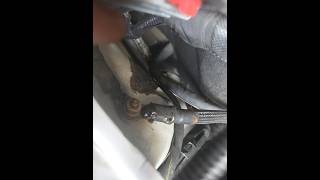
Typical fix: Clean and tighten all loose or corroded connections. Replace damaged terminals or ground straps. Mopar offers replacement ground wire harnesses. 🎬 See this walkthrough on replacing the main electrical ground wire
Est. part cost: $10-$100
Rare But Worth Checking
- Failing Alternator: An alternator producing unstable voltage or excessive AC ripple (generally above 0.5V AC or 500mV AC) can disrupt the PCM's operation and corrupt its memory. The charging voltage should be stable and typically between 13.5-14.8V.
- Aftermarket Performance Tuner: Improperly installed or poorly designed aftermarket tuners can corrupt the PCM's software, leading to a P0604 code. If a tuner is present, the first diagnostic step should be to flash the PCM back to the stock factory tune.
Diagnosis Steps
- Scan for all diagnostic trouble codes. Note any other codes that appear alongside P0604, especially those mentioned in TSBs.
- If an aftermarket tuner is installed, remove it and flash the PCM back to the stock tune. Clear codes and re-test.
- Check the battery and charging system. Ensure battery voltage is stable and above 12.4V (engine off) and that the alternator maintains a steady voltage (13.5-14.8V) when running. A cranking voltage test should show above 9V.
- Inspect all power and ground connections. Check the battery terminals, main engine ground straps, and PCM connectors for corrosion or looseness. PCM grounds are often located on the engine block or alternator bracket.
- Clear the codes and perform a test drive with several key cycles. If the code does not return, it may have been a temporary glitch caused by low voltage.
- Check for available TSBs and PCM software updates. Have a dealer or qualified shop with a wiTECH tool check if a reflash is available. This is a very common solution for this platform.
- If the code returns after a reflash and all electrical checks are good, the PCM is likely faulty and requires replacement and programming.
Parts You'll Likely Need
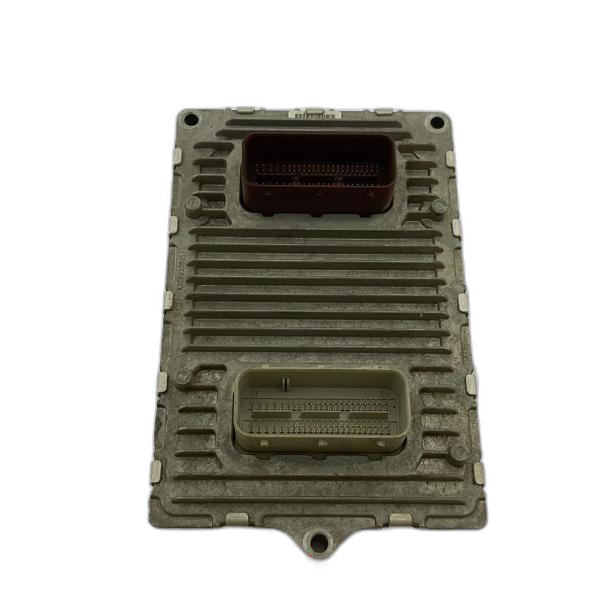
- Powertrain Control Module (PCM)
(OEM #68330904AA, 68377858AB, 68331185AA (Examples for 2019 models, specific part number is VIN-dependent))— This is the ultimate fix if a software update and electrical checks fail, as the code indicates an internal fault within this module.
Trusted brands: Mopar
OEM price range: $600-$1050
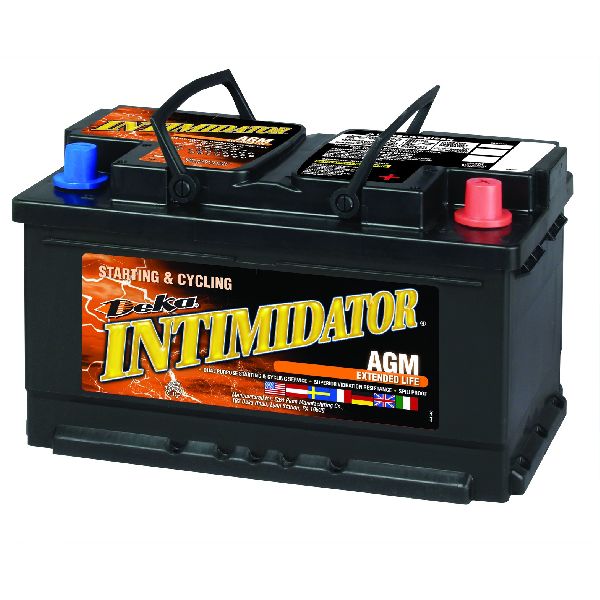
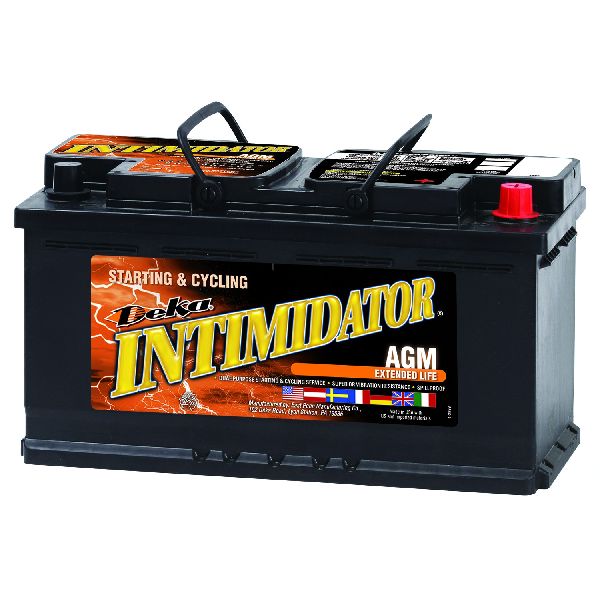
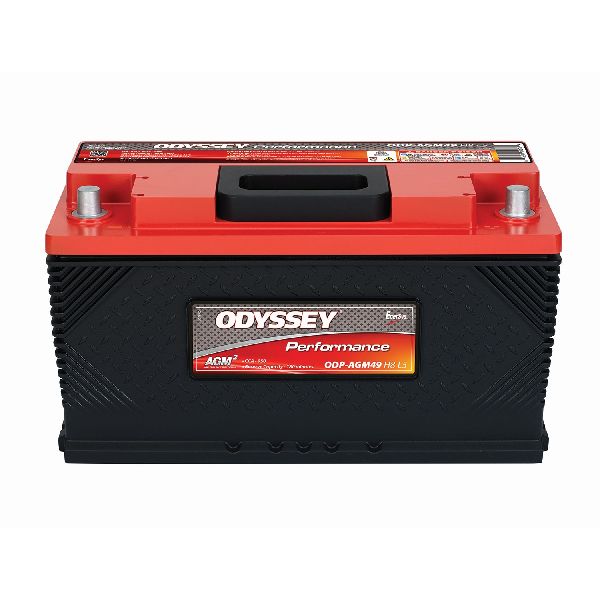
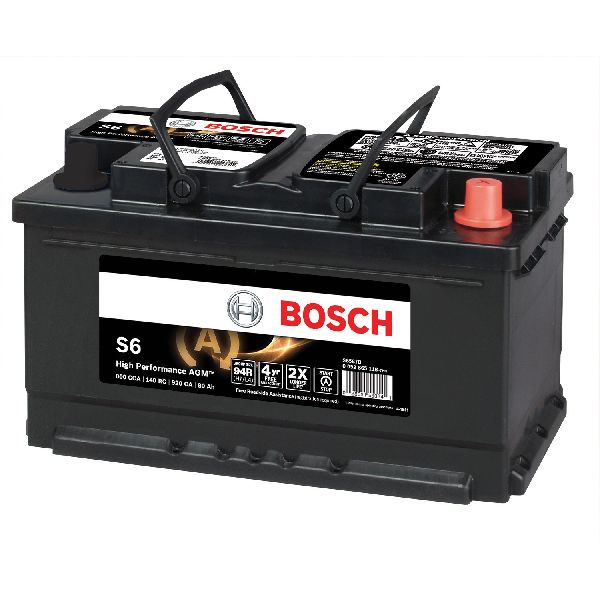
Aftermarket price range: $200-$800 - Automotive Battery — A weak or failing battery is a common cause of low-voltage conditions that can trigger this memory error code.
Trusted brands: Interstate, DieHard, Duralast
OEM price range: $250-$400
Aftermarket price range: $150-$300
Related Codes That Often Appear With This One
- P062B-00 — This code for 'Internal Control Module Fuel Injector Control Performance' is mentioned in the same TSB as P0604, suggesting they can be triggered by the same software issue. [TSB #18-044-26]
- P060C-00 — This code for 'Internal Control Module Main Processor Performance' is also listed in TSB #18-044-26 and points to a related internal PCM self-test failure.
- U-codes (e.g., U0100) — Communication codes often appear with P0604 because if the PCM is malfunctioning internally, it may not be able to communicate properly with other modules on the vehicle's network.
- P0602 — This code indicates a 'Control Module Programming Error'. It can appear with P0604 as both can be caused by firmware corruption or voltage instability during a flash.
Technical Service Bulletins (TSBs) & Recalls
- 18-044-26: Addresses P0604-00 - Internal Control Module Random Access Memory Ram Error, recommending a software update for 2019 models.
Platform-Specific Known Issues
- TSB #18-044-26 specifically addresses P0604 on 2019 models, recommending a PCM software update to resolve the fault, often in conjunction with codes P062B-00 and P060C-00.
- Ground Wire Corrosion: A YouTube video by a Charger owner demonstrates a common failure point where a ground wire on the passenger side of the engine bay corrodes, leading to stalling and power loss issues that could potentially trigger electrical codes like P0604. The fix involved replacing the Mopar ground wire harness.
Mechanic-Grade Diagnostic Values
- PCM Power Supply Voltage (Key On, Engine Running) — expected: 13.5V - 14.8V. Failure: Voltage below 13.5V or above 14.8V indicates a charging system issue that can trigger P0604.
- PCM Power Supply Voltage (Cranking) — expected: Above 9.0V. Failure: Voltage dropping below 9.0V during cranking can corrupt the PCM's RAM self-test.
- PCM Ground Circuit Resistance — expected: Below 0.1 Ω. Failure: Resistance higher than 0.1 Ω indicates a poor ground connection, which can cause voltage instability at the module.
- Alternator AC Ripple Voltage — expected: Below 0.5V (500mV) AC. Failure: AC ripple voltage exceeding 0.5V indicates failing diodes in the alternator, which can introduce electrical noise and corrupt PCM memory.
Scan Tool Commands That Help
- wiTECH 2.0: Flash ECU — Used to perform a software update (reflash) on the PCM, which is the most common fix for P0604 on this platform as per TSB #18-044-26.
- wiTECH 2.0: Check PCM Odometer / Write VIN — This is a mandatory miscellaneous function after installing a new, blank PCM to synchronize the vehicle's VIN and mileage with the new module, ensuring proper function and communication.
- wiTECH 2.0: Learn ETC (Electronic Throttle Control) — This function may be required after a PCM replacement or reflash to recalibrate the electronic throttle body.
- wiTECH 2.0: Actuators / Bi-Directional Controls — Allows a technician to command various components (like fuel pump relay, injectors) to test their function independently, helping to rule out other hardware failures when P0604 is present with other codes.
Wiring & Ground Locations
- PCM Main Grounds — Typically located on the engine block or on the alternator mounting bracket.. These are the primary ground points for the PCM. Corrosion or looseness at these locations can cause unstable voltage and trigger memory errors like P0604.
- PCM Connectors — The PCM is located in the engine bay, often on the passenger side firewall or inner fender. The connectors are color-coded (e.g., white, orange, black) to prevent incorrect installation.. Loose pins, corrosion, or water intrusion in these main connectors can interrupt power, ground, or data signals, leading to a P0604 code.
OEM Part Supersession History
68330904AA→This part number appears to be current for 2018-2019 models with the 3.6L engine, but always verify with a dealer using the VIN.— N/A
Heads up: This specific part number is listed for the 3.6L V6 engine in the Charger, Challenger, and Chrysler 300 for model years 2018-2019. It is not compatible with V8 models or other model years without VIN verification.
Model Year Variations Within This Range
- 2019+: Starting in 2019, the R/T and GT trims received updated styling. More significantly, the Uconnect infotainment system with Apple CarPlay/Android Auto became more widespread, increasing the software complexity and interaction with other modules.
- 2022+: Later models received enhanced security packages and potentially revised touchscreen components to address delamination issues seen in prior years. While not directly tied to the PCM, these changes reflect ongoing electronic updates to the platform.
Helpful Videos
Used OEM Parts in Stock



New Aftermarket Parts Available


The information in this article is provided for general reference and educational purposes only. Vehicle specifications, procedures, and part compatibility can vary by production date, trim level, and region. Always consult your vehicle's factory service manual and verify part numbers before purchasing or performing repairs. Safety-critical components such as airbags, seat belts, and braking systems should be installed by a qualified professional.
- Dodge CHARGER:
- 🎬 Helpful Videos
- 🛍️ Shop This Part
- What's Unique About the 2019-2023 Dodge CHARGER
- Diagnostic Flowchart
- Symptoms You May Notice
- Most Likely Causes
- Rare But Worth Checking
- Diagnosis Steps
- Parts You'll Likely Need
- Related Codes That Often Appear With This One
- Technical Service Bulletins (TSBs) & Recalls
- Platform-Specific Known Issues
- Mechanic-Grade Diagnostic Values
- Scan Tool Commands That Help
- Wiring & Ground Locations
- OEM Part Supersession History
- Model Year Variations Within This Range
- 🎟️ Get 5% Off