

P0604 on 2019-2023 Chrysler 300: Internal RAM Error Causes and Fixes
P0604 indicates an internal memory (RAM) error in your Chrysler 300's main engine computer (PCM). The most common fix is a PCM software update performed by a dealer. If that doesn't work, or if the battery and connections are good, the PCM itself likely needs replacement, which requires professional installation and programming.
- P0604 means your engine computer has a memory problem. Do not ignore it.
- Before replacing any parts, check the battery. A weak battery is a frequent and simple-to-fix cause.
- Ask a dealer to check for a PCM software update. This is a common fix and is much cheaper than replacing the entire computer.
- If the PCM must be replaced, it requires professional programming to your car's VIN. This is not a simple plug-and-play part.
What's Unique About the 2019-2023 Chrysler 300
For the 2019-2023 Chrysler 300 and its platform mates (Dodge Charger, Challenger), a P0604 code is often linked to software glitches that can be resolved without replacing the expensive PCM. Chrysler has issued numerous TSBs for its vehicles that address various performance issues, including internal module faults, via a software reflash. Before condemning the PCM, it's critical to check for available software updates, as this is a common and less expensive solution for many electronic issues on these vehicles. Additionally, these models from 2015 onwards have a locked PCM that requires a special unlock process before any tuning or certain programming can be performed, making professional diagnosis even more critical.
Diagnostic Flowchart
Tap your situation to follow the diagnostic path that matches what you're seeing on this vehicle.
Symptoms You May Notice
- Check Engine Light is on
- Vehicle will not start or is hard to start.
- Intermittent stalling while driving, sometimes dying when coming to a stop.
- Erratic or harsh transmission shifting.
- Activation of the anti-lock brake or traction control lights.
- Failure to pass an emissions test due to OBD-II monitor readiness issues.
- Rough idle or engine hesitation.
- Reduced fuel economy. 🎬 Watch: A breakdown of what the P0604 code means
- Replacing the PCM without first checking for software updates or verifying battery health. A simple battery replacement or software flash is much cheaper and often solves the problem.
- Overlooking corroded ground straps or loose battery terminals, which can mimic the symptoms of a failing PCM.
Most Likely Causes
- Powertrain Control Module (PCM) Software Glitch 🔴 High Probability Modern vehicle electronics are complex, and manufacturers often release software updates to fix bugs that can cause internal errors. TSB #18-044-26 groups P0604 with other internal performance codes, which often points to a software-level problem that can be fixed with a reflash.
How to confirm: A dealership or a qualified shop with a subscription to Mopar's Tech Authority or a tool like wiTECH can check if a PCM software update is available for your vehicle's VIN.
Typical fix: Reprogramming (flashing) the PCM with the latest manufacturer software. This procedure requires a stable power supply (battery charger) to prevent interruption.
Est. part cost: $0 - Weak or Failing Battery 🟡 Medium Probability Low voltage (brown-out) during startup can cause modules to fail their self-tests, leading to spurious memory error codes. This is a common issue across many modern, computer-heavy vehicles, and some owners report the P0604 code appearing after a battery replacement, suggesting voltage instability is a key trigger.
How to confirm: Test the battery voltage with a multimeter. It should be above 12.4V with the engine off. Have the battery load-tested at an auto parts store. During cranking, voltage at the module should not drop below 9V.
Typical fix: Replace the vehicle's battery and ensure terminals are clean and tight.
Est. part cost: $150-$350 - Faulty Powertrain Control Module (PCM) 🟡 Medium Probability If software and power supply issues are ruled out, the internal RAM chip or other hardware components within the PCM may have failed due to thermal stress, vibration, or age. This is a diagnosis of exclusion.
How to confirm: This is a process of elimination. If the battery is good, connections are clean, the software is up-to-date, and all power/ground circuits test okay, but the code persists immediately after clearing, the PCM is the likely culprit.
Typical fix: Replace the PCM. The new unit must be programmed to the vehicle's VIN and SKIM security.
Est. part cost: $250-$700 - Poor Power or Ground Connections ⚪ Low Probability Corrosion or loose connections at the PCM, battery terminals, or main engine/body grounds can cause intermittent voltage drops, triggering memory errors. These connections can be susceptible to environmental factors over time.
How to confirm: Visually inspect the battery terminals, PCM connectors, and primary ground straps for corrosion, looseness, or damage. Perform a voltage drop test on the ground circuits; resistance should be below 0.1 Ω.
Typical fix: Clean the corroded terminals with a wire brush and tighten all connections. Repair any damaged wiring.
Est. part cost: $0-$50
Rare But Worth Checking
- Failing Alternator: An alternator producing excessive AC ripple or voltage spikes can disrupt the PCM's sensitive electronics and corrupt its memory. A charging system test can verify alternator health; output should be stable between 13.5V and 14.5V.
- Aftermarket Performance Tuner: An improperly installed or poorly designed engine tuner can corrupt the PCM's software, leading to a P0604 code. Returning the vehicle to its stock tune is a critical diagnostic step if a tuner is present. Note that 2015+ Mopar PCMs must be physically unlocked before they can be tuned, adding a layer of complexity.
Diagnosis Steps
- Check Battery Health: Use a multimeter to ensure battery voltage is above 12.4V. Have the battery professionally load-tested to confirm it's not failing under load.
- Inspect Connections: Clean and tighten battery terminals. Inspect and clean the main engine and body ground straps, ensuring they are free of corrosion and secure.
- Scan for Other Codes: Use an OBD-II scanner to check for other codes that may provide more context, such as the related codes mentioned in TSB 18-044-26.
- Check for Software Updates: This is a critical step. Have a dealer or qualified shop with a wiTECH tool check if a PCM software update is available for your vehicle's VIN. This is a very common fix.
- Check for Aftermarket Tuners: If a performance tuner is installed, flash the PCM back to the stock factory tune and see if the code clears.
- Clear Code and Test Drive: Clear the P0604 code and drive the vehicle to see if it returns. If it doesn't, it may have been a one-time glitch caused by a momentary voltage drop.
- Inspect PCM Wiring: If the code returns, inspect the wiring harness and connectors at the PCM for any signs of damage, moisture intrusion, corrosion, or loose pins.
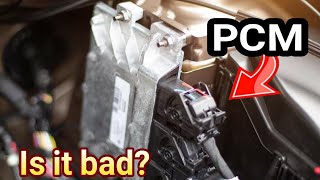
- Diagnose PCM: If all previous steps fail to resolve the issue and the code returns immediately, the PCM is likely faulty and requires replacement and programming. 🎬 Watch: How to remove the PCM from your vehicle
Parts You'll Likely Need
- Powertrain Control Module (PCM)
(OEM #68330904AA)— This is the vehicle's main computer. If it fails its internal memory test and software/power issues are ruled out, it must be replaced. This part number is listed for the 2018-2019 3.6L engine but may be superseded; always verify with VIN.
Trusted brands: Mopar
OEM price range: $550-$700
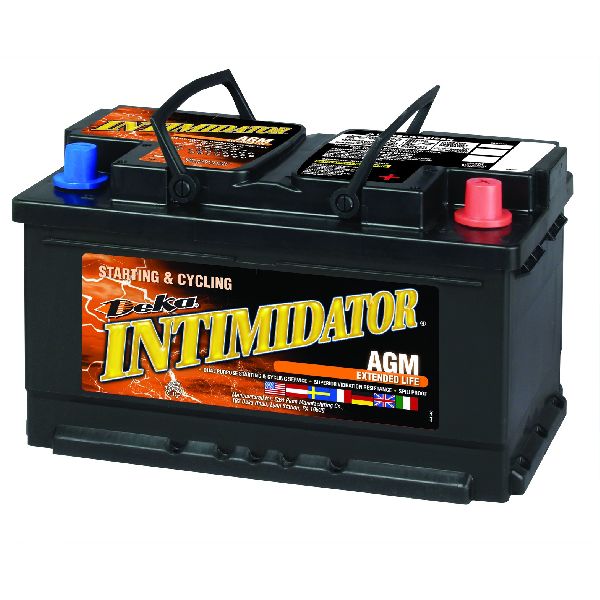
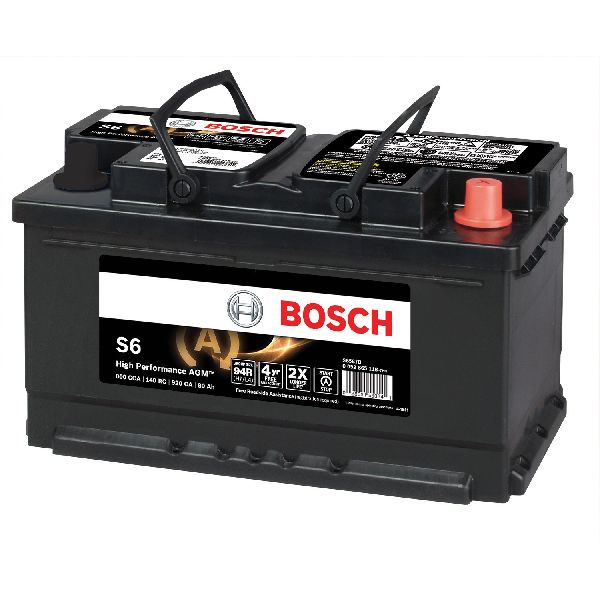
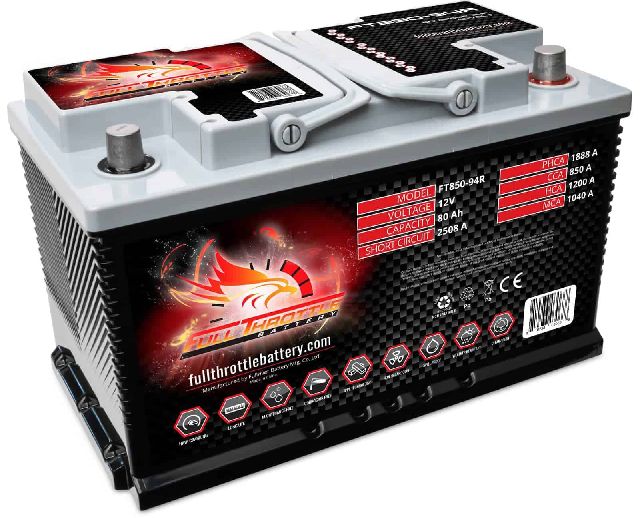
Aftermarket price range: $250-$500 (Remanufactured, Pre-Programmed) - Automotive Battery — A weak battery is a common cause of various electronic module errors, including P0604, due to low voltage during startup self-tests.
Trusted brands: Mopar, Interstate, DieHard
OEM price range: $250-$350
Aftermarket price range: $150-$250
Related Codes That Often Appear With This One
- P062B-00 — This code for 'Internal Control Module Fuel Injector Control Performance' is listed in the same TSB (#18-044-26) as P0604, indicating they can be triggered by the same underlying PCM fault or software issue.
- P060C-00 — This code for 'Internal Control Module Main Processor Performance' is also listed in TSB #18-044-26, pointing to a related internal PCM self-test failure.
- P2610 — This code for 'PCM Internal Engine Off Timer Performance' has been addressed in software updates for similar Chrysler/Dodge vehicles (per TSB 18-020-16 REV. A), suggesting it can be related to PCM software integrity issues like P0604.
Technical Service Bulletins (TSBs) & Recalls
- 18-044-26: Mentions P0604-00 - Internal Control Module Random Access Memory Ram Error, along with other internal performance codes, for 2019 engines. This is the primary TSB for this specific code.
- 18-020-16 REV. A: While for a slightly older model year (2016), this TSB for the 300/Charger/Challenger addresses other internal PCM performance codes (like P2610) with a software flash, reinforcing the pattern of software updates being the solution for internal module errors on this platform.
Platform-Specific Known Issues
- Technical Service Bulletin #18-044-26 specifically mentions P0604-00 for the 2019 model year, grouping it with other internal PCM performance codes. This indicates a known issue recognized by the manufacturer, often addressed with a software update.
- On 2015 and newer models, the PCM is locked from the factory to prevent unauthorized tuning. This means even legitimate replacement and programming must be done with specific tools and processes, and it complicates diagnosis if an aftermarket tune is present.
Mechanic-Grade Diagnostic Values
- PCM Power Supply Voltage (Battery Voltage) — expected: 12.4V or higher with engine off; 13.5V - 14.5V with engine running.. Failure: Voltage below 12.4V engine off, or unstable/outside the specified range when running, can trigger memory errors.
- PCM Power Supply Voltage (During Cranking) — expected: Should remain above 9.0V.. Failure: A drop below 9.0V during engine start (brown-out) can corrupt the PCM's self-test and log a P0604.
- PCM Ground Circuit Resistance — expected: Below 0.1 Ω.. Failure: Resistance higher than 0.1 Ω indicates a poor ground connection, which can cause floating voltages and module errors.
- PCM Ground Circuit Voltage Drop — expected: Less than 0.5V.. Failure: A voltage drop greater than 0.5V between the PCM ground pin and the chassis ground point under load indicates high resistance in the circuit.
Hidden / Shadow Codes Worth Checking
- P0604-00: The '-00' is a status byte often seen on OEM-level scanners like wiTECH. While not a truly hidden code, it confirms the fault type. The TSB #18-044-26 specifically lists 'P0604-00', indicating it's the primary variant for this issue. (see via Chrysler's wiTECH diagnostic tool or other advanced professional scanners.)
Scan Tool Commands That Help
- wiTECH 2.0: Restore Vehicle Configuration / VIN Write — This function is mandatory after installing a new or used PCM. It writes the vehicle's VIN into the module, allowing it to communicate with other modules like the BCM and immobilizer (WIN/RFH).
- wiTECH 2.0: Check PCM Odometer — After writing the VIN to a new PCM, this function is used to synchronize the vehicle's mileage from the instrument cluster to the new engine computer.
- wiTECH 2.0: ECU Flash / Reprogramming — Used to apply software updates from the manufacturer. This is a primary diagnostic step for P0604, as the code is frequently caused by a software glitch that a reflash can resolve.
- wiTECH 2.0: Learn ETC (Electronic Throttle Control) — This procedure may be required after PCM programming or replacement to recalibrate the throttle body's position.
Wiring & Ground Locations
- Powertrain Control Module (PCM) — Under the hood, typically on the passenger side of the engine bay, near the front fuse box/jump-start posts.. This is the module setting the code. All power, ground, and communication circuits must be verified at its connectors.
- Front Fuse Box (Power Distribution Center) — Located in the engine bay on the passenger side, near the positive and negative jump-start terminals.. This box contains fuses and relays that supply power to the PCM. A faulty fuse (e.g., Fused B+) can cause the PCM to lose power and set codes.
- Rear Fuse Box / Battery Location — In the trunk, under the floor cover, next to the vehicle battery on the passenger side.. This is the location of the main vehicle battery and another fuse/relay center. Poor connections at the battery itself are a common cause of low voltage issues that trigger P0604.
- Main Engine/Chassis Grounds — Key grounding points include a stud on the passenger side strut tower (under the airbox), a ground strap from the engine block to the chassis, and a ground post under the passenger front seat carpet.. Corroded or loose grounds at these locations can cause intermittent voltage drops to the PCM, leading to memory errors. A voltage drop test should be performed on these circuits.
Real Owner Repair Stories
- Chrysler Forum (2006 Chrysler Sebring 2.4L (similar electrical architecture principles)) — No-charge condition with battery, oil, and check engine lights on. Car would run only when jump-started and then die. CEL for O2 sensor.
❌ Tried (didn't work) Battery tested good (after full charge)., Alternator tested good., Replaced alternator anyway., Checked all fuses and relays., Verified fusible link and power cables had no resistance., Cleaned battery and starter terminals.
✅ What actually fixed it The user found a strange voltage reading of 3.5-4 volts on the alternator pigtail ground wire that goes to the PCM, indicating a potential short or internal PCM fault on that specific circuit. While the final repair wasn't posted, this specific diagnostic finding pointed directly toward a wiring or PCM issue rather than the charging components themselves.
OEM Part Supersession History
68330904AA→N/A as of searches. This part number is still listed as current.
Heads up: This part number is specified for 2018-2019 Chrysler 300, Dodge Charger, and Dodge Challenger models with the 3.6L V6 engine. It is critical to verify the part number with the vehicle's VIN before ordering, as different engine options and model years use different PCMs.
Model Year Variations Within This Range
- 2019-2023: The primary engines available are the 3.6L Pentastar V6 and the 5.7L HEMI V8 in the 300S trim. For the 2023 model year only, Chrysler reintroduced the high-performance 300C model with a 6.4L HEMI V8. Each engine requires a specific PCM and software calibration, so diagnostic and replacement procedures must account for the correct powertrain.
- 2019-2023: Trim levels (Touring, Touring L, S, and C) feature different standard and optional equipment, such as premium audio systems (Alpine, Harman Kardon) and advanced driver-assistance systems (ADAS). While not a direct cause of P0604, these systems all integrate with the PCM, and a PCM replacement requires proper configuration for all vehicle options.
Helpful Videos

Used OEM Parts in Stock


New Aftermarket Parts Available


The information in this article is provided for general reference and educational purposes only. Vehicle specifications, procedures, and part compatibility can vary by production date, trim level, and region. Always consult your vehicle's factory service manual and verify part numbers before purchasing or performing repairs. Safety-critical components such as airbags, seat belts, and braking systems should be installed by a qualified professional.
- Chrysler 300:
- 🎬 Helpful Videos
- 🛍️ Shop This Part
- What's Unique About the 2019-2023 Chrysler 300
- Diagnostic Flowchart
- Symptoms You May Notice
- Most Likely Causes
- Rare But Worth Checking
- Diagnosis Steps
- Parts You'll Likely Need
- Related Codes That Often Appear With This One
- Technical Service Bulletins (TSBs) & Recalls
- Platform-Specific Known Issues
- Mechanic-Grade Diagnostic Values
- Hidden / Shadow Codes Worth Checking
- Scan Tool Commands That Help
- Wiring & Ground Locations
- Real Owner Repair Stories
- OEM Part Supersession History
- Model Year Variations Within This Range
- 🎟️ Get 5% Off