

P0603 on 2007-2014 GMC Acadia: Keep Alive Memory (KAM) Error Causes and Fixes
This code usually means the vehicle's computer lost power, most often due to a weak battery or a recent battery replacement. Before replacing any expensive parts, fully charge and test the battery, and clean and tighten all battery connections. On this platform, the battery is located inside the cabin, under the floor behind the front passenger seat, making access more involved than a typical under-hood battery.
- P0603 on a GMC Acadia is most often caused by a simple power supply issue, not a failed computer.
- Always start diagnosis by checking, cleaning, and testing the battery and its connections.
- Clearing the code after a battery change is standard procedure; it may not indicate a problem if it doesn't return.
- If symptoms like rough shifting or stalling are present and the code returns, a more thorough diagnosis of the charging system is needed.
What's Unique About the 2007-2014 Gmc ACADIA
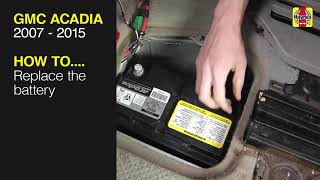
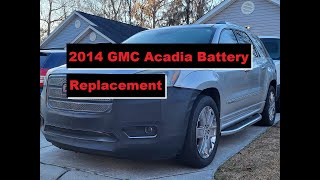
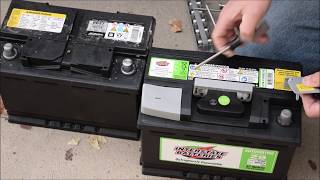
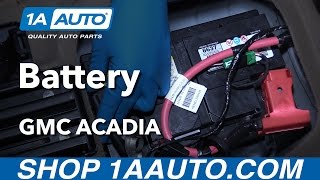
On the first-generation GMC Acadia and its platform mates (Buick Enclave, Saturn Outlook, Chevrolet Traverse), the P0603 code is often a 'ghost' code that appears after a battery has been disconnected or has died. The battery is uniquely located inside the vehicle, under the floor behind the front passenger seat, 🎬 See how to access and replace the interior battery. which can make service less obvious and lead to intermittent connection issues if not secured properly after replacement. GM even issued informational bulletins to technicians explaining that this code can appear in multiple modules simultaneously and may not indicate a true component failure. It's frequently a sign of a power interruption rather than a faulty computer. 🎬 Watch: Understanding P0603 causes and common fixes. A notable and common issue on these vehicles is water intrusion from clogged sunroof drains or poor body seams, which can drip directly onto the fuse block and Body Control Module (BCM) in the passenger footwell, causing a host of electrical problems that can mimic a P0603 root cause.
🎬 Watch: How water intrusion causes major electrical issues.Diagnostic Flowchart
Tap your situation to follow the diagnostic path that matches what you're seeing on this vehicle.
Symptoms You May Notice
- Check Engine Light is on.
- No noticeable symptoms other than the light.
- Rough or unstable idle.
- Hesitation during acceleration.
- Harsh or erratic transmission shifting.
- Increased fuel consumption.
- Difficulty starting the engine or prolonged cranking.
- Other warning lights (e.g., ABS, Traction Control) may be illuminated.
- Replacing the PCM or TCM without first verifying the battery, charging system, and all related power/ground connections are in perfect condition.
Most Likely Causes
- Recent Battery Disconnection or Replacement 🔴 High Probability The battery is located inside the cabin behind the passenger seat, requiring removal of a floor cover for access. Any interruption of power during this service will erase the Keep Alive Memory, triggering this code as a normal event.
How to confirm: Ask the owner if the battery was recently serviced or jump-started. Clear the code and see if it returns after a few drive cycles. If it doesn't, this was the cause.
Typical fix: Clear the code with an OBD-II scanner. The computer will relearn adaptive settings over the next several drive cycles.
Est. part cost: $0 - Weak or Failing Battery 🔴 High Probability An old or weak battery may not provide the stable voltage required (typically above 12.4V engine off) to maintain the KAM when the engine is off, especially in cold weather. These vehicles have a high electrical demand, stressing the battery.
How to confirm: Test the battery voltage with a multimeter. It should be above 12.4 volts with the engine off. A reading below this indicates a weak charge. Perform a load test to check its true health; most auto parts stores do this for free.
Typical fix: Replace the vehicle battery. The correct size is typically a Group 48 (also called H6).
Est. part cost: $150-$300 - Loose or Corroded Battery Terminals/Cables 🟡 Medium Probability Because the battery is inside the cabin, connections can be disturbed by items stored in the area or during service. Corrosion or loose connections create high resistance, causing intermittent voltage drops to the control modules.
How to confirm: Visually inspect the battery terminals, cable ends, and main ground connections for corrosion, dirt, or looseness. Wiggle the cables to ensure they are tight.
Typical fix: Disconnect the battery (negative first), clean the terminals and cable ends with a wire brush, and ensure all connections are tight upon reassembly (positive first).
Est. part cost: $5-$20 - Failing Alternator ⚪ Low Probability A faulty alternator can produce unstable voltage (spikes or drops), which can disrupt the PCM's memory and operation, or fail to properly charge the battery.
How to confirm: With the engine running, test the voltage at the battery terminals (or the under-hood jump start posts). It should be steady, between 13.5 and 14.5 volts. A reading outside this range suggests a charging system problem.
Typical fix: Replace the alternator.
Est. part cost: $200-$450
Rare But Worth Checking
- Faulty Powertrain Control Module (PCM) or Transmission Control Module (TCM): While this is the component that stores the code, it's rarely the actual cause. All power and ground supply issues must be ruled out first before condemning the module. TSB PIP4653E specifically notes this code can be stored in the TCM.
- Damaged Wiring or Blown Fuse: A damaged wire or a blown fuse in the power supply circuit for the PCM/TCM can cause this code. This could be due to chafing, rodent damage, or water intrusion near the fuse block.
- Poor or Corroded Ground Straps: The main ground strap from the battery to the chassis or engine block can corrode, creating high resistance and causing intermittent electrical issues that mimic a bad battery. On the Acadia, one critical ground runs from the negative battery terminal to the chassis, and another connects the engine/transmission to the frame. Visual inspection for corrosion or fraying is necessary.
- Water Intrusion into BCM/Fuse Block: On the Lambda platform, clogged sunroof drains or failed roof seams can cause water to leak into the passenger footwell, directly onto the Body Control Module (BCM) and interior fuse block. This causes corrosion and a wide array of bizarre electrical faults that can interrupt power to other modules, triggering a P0603.
Diagnosis Steps
- Clear the code using an OBD-II scanner.
- Drive the vehicle for 15-20 minutes over a couple of drive cycles (including turning the car off and on again). If the code does not return, the issue was likely a one-time power loss.
- If the code returns, begin by inspecting the battery. Since it's located behind the passenger seat, you'll need to move the seat forward, lift the floor mat, and remove the battery access cover.
- Check for loose terminals and signs of corrosion. Clean and tighten as needed. Ensure the hold-down bracket is secure.
- Use a multimeter to test the battery voltage with the engine off. A healthy battery should read at least 12.4V.
- Start the engine and test the alternator output at the under-hood jump-start posts (positive red terminal and negative ground point). The reading should be stable, between 13.5V and 14.5V.
- Perform a battery load test. Most auto parts stores can do this for free. This is the most reliable way to confirm a weak battery.
- Inspect the main power and ground cables. Check the negative cable connection to the chassis and the engine ground strap for any damage or corrosion.
- If all power and ground systems are confirmed to be working correctly and the code persists, the issue may be with the PCM or TCM, which would require professional diagnosis.
Parts You'll Likely Need
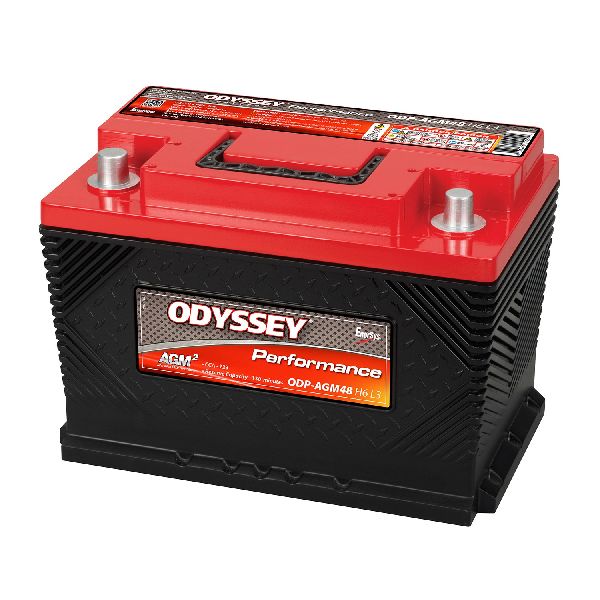
- Car Battery
(OEM #Commonly Group Size 48 (H6). Example: ACDelco 48AGM or 48S.)— A weak or failing battery is the most frequent cause of a P0603 code, as it fails to provide the stable voltage needed to maintain the computer's memory.
Trusted brands: ACDelco, DieHard, Duralast, Optima
OEM price range: $200-$300
Aftermarket price range: $150-$250 - Battery Terminals — Corroded or damaged terminals can prevent a good battery from delivering consistent power, mimicking a failing battery.
Trusted brands: Dorman, Standard Motor Products
OEM price range: $20-$40
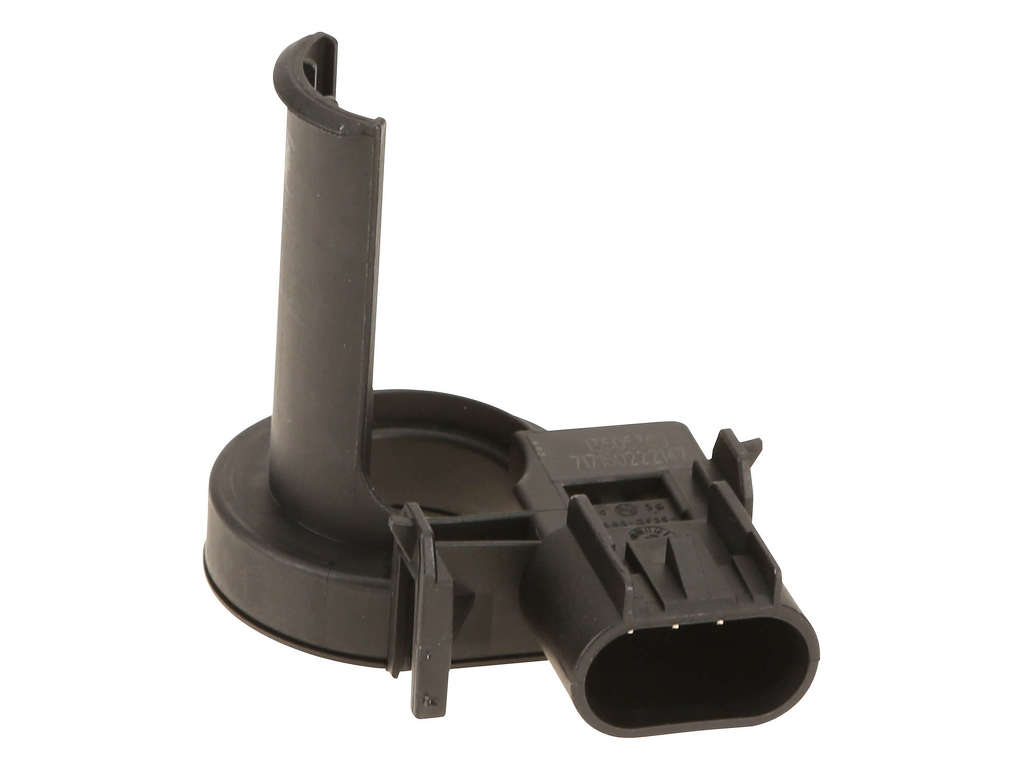
Aftermarket price range: $10-$25 - Battery Current Sensor
(OEM #ACDelco 13505369)— A faulty battery current sensor on the negative terminal can cause incorrect charging and trigger various electrical warnings, potentially contributing to voltage stability issues.
Trusted brands: ACDelco
OEM price range: $20-$40
Aftermarket price range: $15-$30
Related Codes That Often Appear With This One
- P0601 — This is an 'Internal Control Module Memory Check Sum Error,' which is a more serious internal module fault. Both codes are mentioned in TSB #05-06-04-060A as potentially being set together due to power interruptions.
- P0604 — This indicates an 'Internal Control Module Random Access Memory (RAM) Error,' also related to module memory functions. It is also listed alongside P0603 in TSBs PIP4653E and 05-06-04-060A.
- P1621 — This code relates to 'Control Module Long Term Memory Performance' and often appears with other module memory codes, particularly in the TCM per TSB #PIP4653E.
Technical Service Bulletins (TSBs) & Recalls
- PIP4653E: Mentions P0603 in the context of the Transmission Control Module (TCM) and lists it with other internal memory codes. It advises technicians to confirm which module set the DTC before diagnosis.
- 05-06-04-060A: An informational bulletin explaining that P0603 and other similar codes can be shared across multiple modules, often due to power interruptions, and do not automatically mean the module needs replacement.
Platform-Specific Known Issues
- Per GM Technical Service Bulletin #05-06-04-060A, this code can be set in multiple modules after a power interruption and may not indicate a fault. The bulletin is informational and advises technicians to understand which module set the code before diagnosing.
- TSB #PIP4653E specifically notes that P0603 can be stored in the Transmission Control Module (TCM), which may lead to shifting concerns if there is an underlying issue. This TSB covers a wide range of GM vehicles, including the Acadia.
- The battery is located inside the vehicle, under the floor behind the front passenger seat. Access requires moving the seats
Mechanic-Grade Diagnostic Values
- Battery Voltage (Engine Off) — expected: > 12.4 Volts. Failure: Below 12.4V indicates a weak charge or failing battery that can't maintain KAM power.
- Charging System Voltage (Engine Idling) — expected: 13.5 - 14.5 Volts. Failure: Voltage below 13.5V or above 14.5V suggests a faulty alternator or voltage regulator, which can cause power instability.
Scan Tool Commands That Help
- GDS2/Tech2: Clear DTCs — Used after a battery replacement or jump-start to clear the P0603 code. If the code does not return, no further action is needed.
- GDS2/Tech2: Module Reprogramming — This is a last-resort step if the PCM/ECM is confirmed to be faulty and requires replacement. The new module must be programmed to the vehicle.
Wiring & Ground Locations
- G103 — On the left side of the engine compartment, on the inner fender panel.. This is a primary ground point for multiple components, and corrosion here can cause intermittent electrical issues.
- G110 — On the right front of the engine, mounted to the cylinder head.. Provides a key ground path for the engine block. A loose or corroded connection can affect sensor readings and module stability.
- G113 — On the left side of the engine, at the engine-to-transmission stud.. Crucial ground for both the engine and transmission. A poor connection here can cause communication errors between the ECM and TCM.
- ECM Connector X1 — The Engine Control Module (ECM) is located on the driver's side of the engine compartment, near the firewall. X1 is one of the main connectors.. This connector carries the main power and ground feeds for the ECM. Verifying voltage and ground integrity at these pins is a key diagnostic step if battery/alternator are good.
- Passenger Compartment Fuse Block — Located in the front passenger footwell, behind a trim panel.. This area is highly susceptible to water damage from clogged sunroof drains, which can corrode the fuse block and BCM, leading to widespread electrical faults including power loss to the ECM's keep-alive memory.
Real Owner Repair Stories
- YouTube video (GMC Acadia (year not specified, but 1st gen)) — Complete loss of power, couldn't shift out of park, couldn't remove the key.
❌ Tried (didn't work) Initial diagnosis was confusing as it seemed like a dead battery, but the root cause was a direct short.
✅ What actually fixed it The starter cable had a worn spot in its insulation and was shorting directly to the metal heat shield frame. This drained the battery to zero volts, causing a loss of all keep-alive memory and other electrical functions. The fix involved repairing the damaged cable and securing it away from the frame. - Car forum user (2008 GMC Acadia) — Water pouring into passenger side headliner and footwell, car would stay running after key was removed, multiple warning lights.
❌ Tried (didn't work) Dealer initially claimed it was a faulty door seal.
✅ What actually fixed it The root cause was a clogged sunroof drain tube, causing water to overflow and run down the A-pillar directly onto the BCM and interior fuse block. This caused severe electrical malfunctions. The fix required clearing the drain tubes and replacing the corroded BCM and fuse block.
Helpful Videos




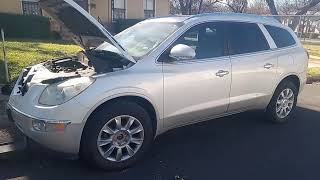


We Have This Part in Stock

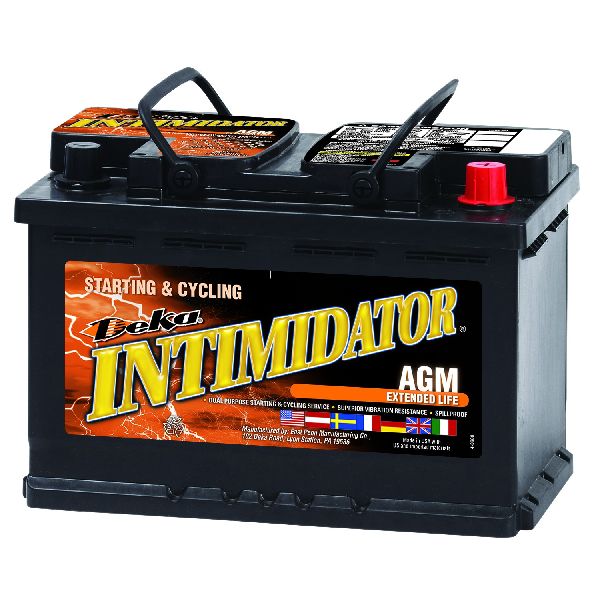
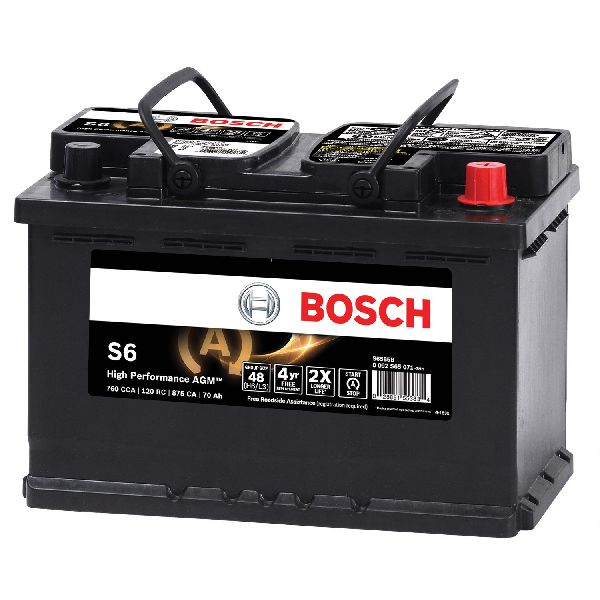

The information in this article is provided for general reference and educational purposes only. Vehicle specifications, procedures, and part compatibility can vary by production date, trim level, and region. Always consult your vehicle's factory service manual and verify part numbers before purchasing or performing repairs. Safety-critical components such as airbags, seat belts, and braking systems should be installed by a qualified professional.
- Gmc ACADIA:
- 🎬 Helpful Videos
- 🛍️ Shop This Part
- What's Unique About the 2007-2014 Gmc ACADIA
- Diagnostic Flowchart
- Symptoms You May Notice
- Most Likely Causes
- Rare But Worth Checking
- Diagnosis Steps
- Parts You'll Likely Need
- Related Codes That Often Appear With This One
- Technical Service Bulletins (TSBs) & Recalls
- Platform-Specific Known Issues
- Mechanic-Grade Diagnostic Values
- Scan Tool Commands That Help
- Wiring & Ground Locations
- Real Owner Repair Stories
- 🎟️ Get 5% Off