

P0562 on 2013 Ram 2500: Low Voltage Causes and Fixes
On a 2013 Ram 2500, especially with the 6.7L Cummins, P0562 usually points to a failing alternator or one or both of the dual batteries. Always test the complete charging system before replacing parts, as corroded connections (especially grounds and the battery crossover cable) are common, and multiple TSBs indicate a software update may be the required fix.
- P0562 means the system voltage is too low, most often due to a bad alternator or failing batteries.
- On Ram 2500 diesel models, you MUST test both batteries independently. Replacing only one is a common mistake.
- Check for loose or corroded battery terminals and ground wires before buying any parts.
- Be aware of the recall on 220-amp alternators for this model year.
- If all charging system hardware tests good, the problem may be a software glitch that requires a dealer PCM reflash, as documented in multiple TSBs.
What's Unique About the 2013-2013 Ram 2500

For the 2013 Ram 2500, particularly models with the 6.7L Cummins diesel engine, this code has specific nuances. The truck uses a dual-battery setup, which adds complexity to diagnosis; one failing battery can pull the whole system's voltage down, and both should always be tested and typically replaced in pairs. The high electrical draw from the diesel grid heater during cold starts can cause a large, momentary voltage drop that a sensitive PCM calibration may flag as a fault. Furthermore, Ram has issued multiple Technical Service Bulletins (TSBs) indicating that the PCM's sensitivity can cause it to erroneously flag a P0562, often alongside other codes. In these instances, the actual fix is a dealer-performed software update (reflash) for the PCM, which often changes the code from a one-trip to a two-trip fault to prevent false alarms.
Diagnostic Flowchart

Tap your situation to follow the diagnostic path that matches what you're seeing on this vehicle.
Generation note: This issue is common across the 4th Generation of Ram Heavy Duty trucks (2010-2018) equipped with the 6.7L Cummins engine, as they share the same basic electrical architecture, dual-battery setup, and are covered by the same TSBs.
Symptoms You May Notice
- Check Engine Light is on
- Battery or charging system warning light is on
- "Service Charging System" message on the dash display
- Dimming or flickering headlights and interior lights
- Slow or difficult engine cranking, or just a 'click' sound
- Engine stalls, especially at idle or when electrical load is high
- Slow or malfunctioning electrical accessories like power windows or radio
- Vehicle requires a jump start but may die shortly after, especially when put in gear
- Whining or grinding noise from the engine bay that changes with RPM, indicating a failing alternator bearing
- Replacing only one of the two batteries on a diesel model, which often leads to premature failure of the new battery and a quick return of the code.
- Replacing the alternator or batteries when the true cause is a poor ground connection or corroded terminal, especially the battery-to-fender ground.
- Replacing the PCM when it only requires a software update (reflash) as per manufacturer TSBs.
- Replacing batteries when a parasitic draw is the root cause, leading to the new batteries also being drained.
Most Likely Causes

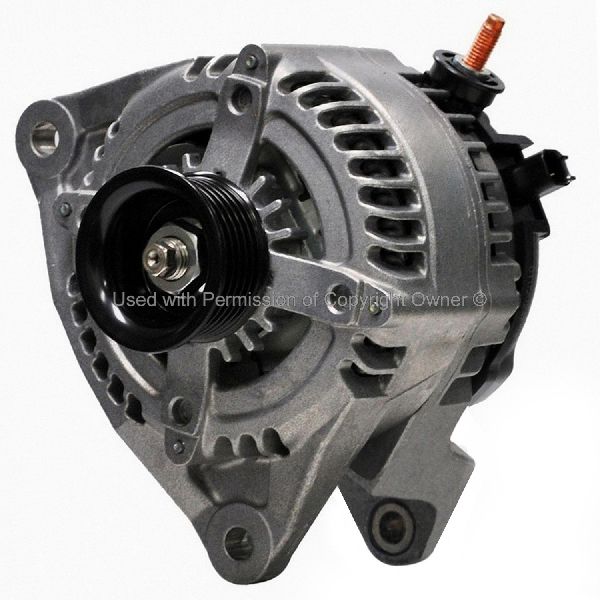
- Failing Alternator 🔴 High Probability The 220-amp alternator used on 2013 Ram 2500s was subject to NHTSA recall 16V-739 (Chrysler S68) for sudden failure due to diode thermal fatigue. The high electrical demands of the diesel grid heater and other systems also put significant strain on the alternator. Some alternators also have a clutch pulley that can fail, preventing it from spinning even if the belt is intact.
How to confirm: With the engine running, use a multimeter to measure the voltage across the battery terminals. A healthy alternator should produce between 13.5 and 14.7 volts. If the voltage is low, also test directly at the alternator's B+ output stud; if voltage is high there but low at the batteries, a wiring or fuse issue exists between them.
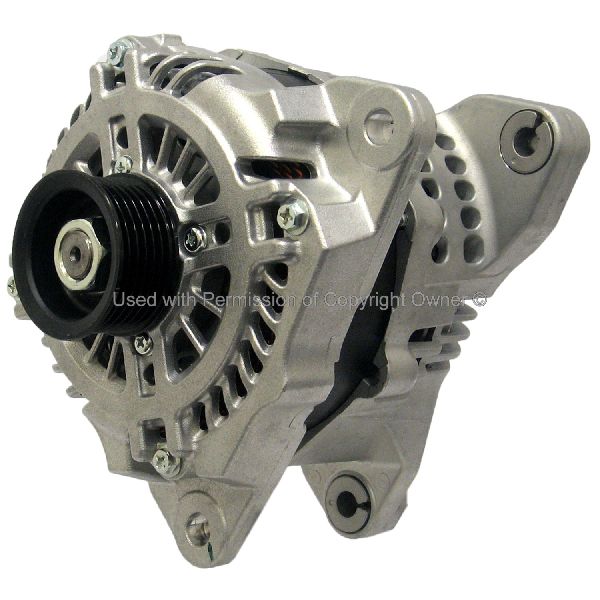
Typical fix: Replace the alternator. Due to the recall, ensure the replacement is the revised part. It's also wise to replace the serpentine belt at the same time. The Mopar part number for the recalled alternator was 4801313AD, which was replaced by revised versions.
Est. part cost: $300-$750 - One or Both Batteries are Weak/Failing 🔴 High Probability Diesel models use a dual-battery system wired in parallel. If one battery develops a bad cell or fails, it can drain the healthy battery, causing a low voltage condition across the whole system. They are a common failure point and often the first thing to check.
How to confirm: Disconnect the batteries from each other and the vehicle. A healthy, fully charged battery should read approximately 12.6 volts. Perform a load test on each battery individually. Many auto parts stores offer this service for free. A simple voltage reading is not enough; a load test is required to confirm battery health.
Typical fix: Replace both batteries. It is strongly recommended to replace them as a matched pair (same brand, age, and specs) to ensure longevity and proper system operation. Replacing only one often leads to premature failure of the new battery.
Est. part cost: $150-$350 per battery - Loose or Corroded Battery Terminals/Grounds 🟡 Medium Probability Corrosion (white or green powder) on battery terminals or poor ground connections can create high resistance, leading to a voltage drop that the PCM interprets as a system-wide issue. The main battery-to-fender ground and the crossover cable between the two batteries are known weak points.
How to confirm: Visually inspect all battery terminals, cable ends, and the main chassis/engine ground straps for corrosion, looseness, or damage. Use a multimeter to perform a voltage drop test across connections to find hidden resistance. Resistance across a clean terminal should be less than 0.5 ohms.
Typical fix: Disconnect the batteries and thoroughly clean the terminals and cable ends with a wire brush and corrosion-inhibiting spray. Ensure all connections are clean, tight, and secure.
Est. part cost: $5-$20 for cleaning tools - PCM Software Calibration Issue 🟡 Medium Probability Multiple TSBs (notably #18-030-14 REV. B) confirm that the PCM software can be overly sensitive, triggering P0562 when no hardware fault exists. This often happens during cold starts when the grid heater causes a large, temporary voltage drop. The software update often changes the logic from a one-trip to a two-trip fault, making it less sensitive.
How to confirm: If the batteries, alternator, and all wiring connections have been thoroughly tested and confirmed to be in good working order, the issue is likely software-related. This must be confirmed by a dealer who can check for available updates.
Typical fix: A Ram dealership needs to update or 'reflash' the Powertrain Control Module (PCM) with the latest software version specified in the TSBs.
Est. part cost: $0 (if under warranty) or $100-$250 for dealer labor
Rare But Worth Checking
- Parasitic Electrical Draw: An aftermarket accessory (stereo, alarm) or a faulty module can fail to shut down when the truck is off, slowly draining the batteries and causing a P0562 on the next startup.
- Damaged Battery Cables: Corrosion can seep into the main battery cables, especially the crossover cable between the two batteries, causing high internal resistance that isn't visible from the outside. A voltage drop test can identify this.
- Blown Generator/Alternator Fuse: Some Ram trucks have a large 'mega-fuse' located on the positive battery terminal assembly. If this fuse blows, the alternator is disconnected from the charging system and cannot charge the batteries.
- Damaged Wiring Harness: Owners have reported issues with wires chafing in the engine bay, leading to intermittent shorts to ground that can cause sudden voltage drops and trigger the code.
Diagnosis Steps
- Scan for any other trouble codes to see if P0562 appears with others listed in TSBs like #18-030-14 REV. B.
- Visually inspect both battery terminals, cable ends (including the crossover cable), and main ground straps for looseness or corrosion. Clean and tighten as necessary.
- With the engine off, disconnect the batteries from each other and test the voltage of each separately. A reading of ~12.6V is healthy. Let them sit for a few hours after charging before testing for an accurate static charge reading.
- Perform a load test on both batteries individually to check their health under stress. This is a critical step.
- Start the engine. Measure the voltage at the battery terminals. It should rise to between 13.5V and 14.7V. If it does not, the alternator is a likely problem.
- If voltage is low while running, check voltage directly at the alternator's main output stud to rule out a wiring issue between the alternator and batteries.
- Check the large alternator 'mega-fuse' if one is present on the positive battery terminal.
- If the alternator and batteries test good, check for a parasitic draw that could be draining the batteries when the truck is off.
- If all hardware and wiring checks out, consult a Ram dealer about performing a PCM reflash according to TSBs #18-030-14 REV. B or #18-018-13 REV. A.
Parts You'll Likely Need
- Battery
(OEM #Group Size H7 (94R) is common)— Batteries are a consumable item and often the first point of failure in the charging system, especially in a dual-battery setup where one can degrade the other. - Alternator
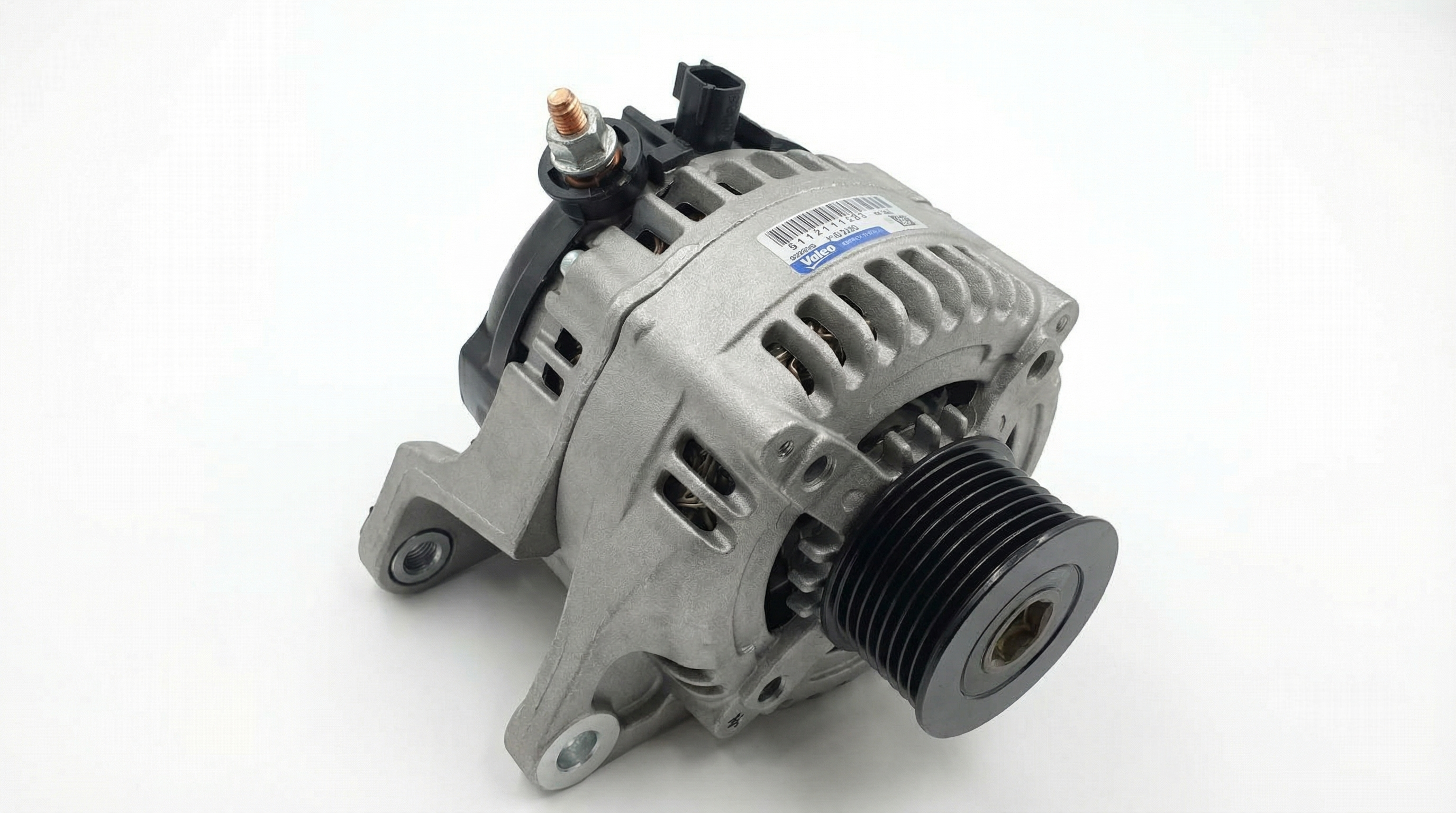
(OEM #04801313AE (supersedes 4801313AD))— The original alternator is subject to a recall for premature failure. The high electrical loads on diesel trucks also contribute to wear.
Related Codes That Often Appear With This One
- P04DB — Crankcase Ventilation System Disconnected. Its appearance with P0562 is noted in TSB #18-030-14 REV. B, suggesting a common software glitch that a PCM reflash is designed to fix.
- P0544 — Exhaust Gas Temperature Sensor Circuit. Also listed in multiple TSBs alongside P0562, pointing to a software calibration issue rather than multiple hardware failures.
- P0604 — Internal Control Module RAM Error. This code's inclusion in TSB #18-030-14 REV. B strongly indicates the cluster of codes is likely due to a software issue.
Technical Service Bulletins (TSBs) & Recalls
- 18-030-14 REV. B
- 18-018-13 REV. A
- 1803014REVB
- 18-030-14
Platform-Specific Known Issues
- NHTSA Recall 16V-739 / Chrysler S68: A recall was issued for the 220-amp Denso alternator on these trucks. The diodes could experience thermal fatigue, leading to a short circuit, sudden alternator failure, engine stalling, and even a risk of fire. The remedy was a free replacement of the alternator with a revised unit.
- TSB for Software Sensitivity: TSB #18-030-14 REV. B and others were released to address the PCM being too sensitive and setting P0562 (often with other codes) due to momentary voltage drops, like from the grid heater on a cold start. The fix is a software reflash at the dealer.
Mechanic-Grade Diagnostic Values
- Voltage Drop Test (Cranking) — expected: < 0.2 Volts. Failure: A reading above 0.2V indicates high resistance in the cable or connection being tested (e.g., battery positive post to starter solenoid, or battery negative post to engine block).
- Voltage Drop Test (Dual Battery Crossover Cable) — expected: < 0.2 Volts. Failure: With the voltmeter connected between the driver-side positive clamp and the passenger-side positive post during cranking, a reading above 0.2V indicates a poor connection or faulty cable.
- Parasitic Draw — expected: < 50-85 Milliamps (mA). Failure: A sustained reading higher than 85mA after all modules have entered sleep mode (approx. 30-60 minutes) indicates a component is not shutting off and is draining the batteries.
- Battery Terminal Connection Resistance — expected: < 0.5 Ohms. Failure: A reading greater than 0.5 ohms between the battery post and the cable terminal indicates corrosion or a poor connection that needs to be cleaned and tightened.
Scan Tool Commands That Help
- wiTECH (Dealer Tool): PCM Reprogramming/Flash — Used to apply the software update specified in TSBs #18-030-14 REV. B and #18-018-13 REV. A when all hardware (batteries, alternator, wiring) has tested good but the P0562 code persists, often with other TSB-related codes.
- Professional Scan Tool: Live Data Monitoring (Battery Voltage / Alternator Voltage) — Essential for initial diagnosis. Monitor the 'Battery Voltage' PID with the engine off (should be ~12.6V) and while running (should be 13.5-14.7V) to quickly assess the state of the charging system.
Wiring & Ground Locations

- Primary Engine Ground — A braided ground strap connecting the transmission case to the chassis, often near the transmission mount on the driver's side.. This is the main ground path for the engine and alternator. High resistance here can cause widespread electrical issues, including charging problems.
- Battery Grounds — Main ground cables from the negative battery terminals to the fender/body, and a sensor ground located under the battery tray for the battery temperature sensor.. A poor connection at the primary battery grounds is a very common cause of voltage drop and can directly trigger P0562.
- Alternator B+ Output Stud — The large threaded stud on the back of the alternator where the main charging wire connects.. This is the point where charging voltage originates. Testing voltage here versus at the battery can determine if the alternator is working but the power isn't reaching the batteries due to a bad cable or fuse.
- G300 / G301 — G300 is located at the base of the left (driver's side) B-pillar. G301 is at the base of the right (passenger side) B-pillar.. These are major body ground points. While not directly in the charging circuit, poor connections here can cause issues with various modules that monitor system voltage, potentially contributing to false codes.
"I Checked Everything" — The Actual Cause

- In the context of P0562, the equivalent of a 'clean smoke test' is when both batteries and the alternator pass bench tests. When this occurs, the actual cause is almost always high resistance in a location that was not visually obvious. This includes internal corrosion in the battery crossover cable, a loose or corroded engine-to-chassis ground strap, or a poor connection at the alternator's B+ output stud. A voltage drop test is required to find these hidden issues. If all wiring also passes a voltage drop test, the cause is frequently the PCM software needing the update specified in TSB #18-030-14 REV. B.
OEM Part Supersession History
4801313AD→04801313AE (or 4801313AE)— This part number was part of a recall (Chrysler S68 / NHTSA 16V-739) for alternator failure due to thermal fatigue of the diodes. The superseding part is the revised version.4801313AC→4801313AD, and subsequently 04801313AE— Part of the normal revision and improvement process leading up to the recalled part.
Helpful Videos



Used OEM Parts in Stock


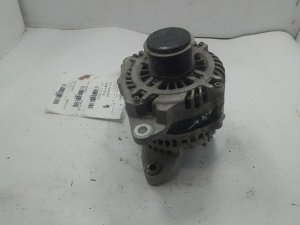

New Aftermarket Parts Available

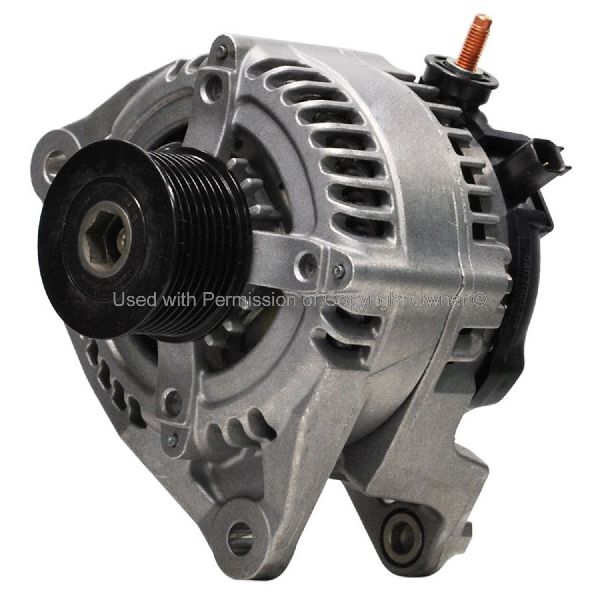
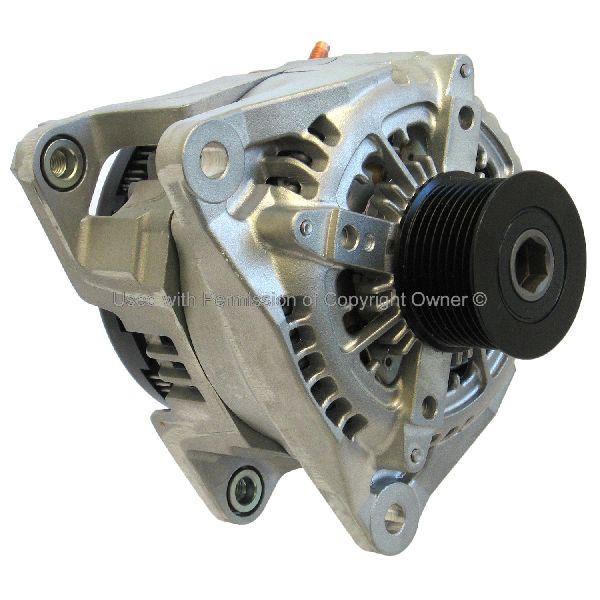

The information in this article is provided for general reference and educational purposes only. Vehicle specifications, procedures, and part compatibility can vary by production date, trim level, and region. Always consult your vehicle's factory service manual and verify part numbers before purchasing or performing repairs. Safety-critical components such as airbags, seat belts, and braking systems should be installed by a qualified professional.
- Ram 2500:
- 🎬 Helpful Videos
- 🛍️ Shop This Part
- What's Unique About the 2013-2013 Ram 2500
- Diagnostic Flowchart
- Symptoms You May Notice
- Most Likely Causes
- Rare But Worth Checking
- Diagnosis Steps
- Parts You'll Likely Need
- Related Codes That Often Appear With This One
- Technical Service Bulletins (TSBs) & Recalls
- Platform-Specific Known Issues
- Mechanic-Grade Diagnostic Values
- Scan Tool Commands That Help
- Wiring & Ground Locations
- "I Checked Everything" — The Actual Cause
- OEM Part Supersession History
- 🎟️ Get 5% Off