

P0562 on 2020-2022 Jeep Gladiator: System Voltage Low Causes and Fixes
On a 2020-2022 Jeep Gladiator, code P0562 most often points to a failing main or auxiliary battery, or a faulty alternator. Due to the dual-battery system where both batteries are constantly connected, a failure in one often damages the other. Diagnosis should involve load testing both batteries individually before suspecting the alternator or other issues like bad grounds or a faulty Intelligent Battery Sensor (IBS).
- P0562 on a Jeep Gladiator means the electrical system voltage is critically low.
- Always test BOTH the main and auxiliary batteries before buying any parts. The smaller auxiliary battery is a common, hidden point of failure.
- If both batteries are healthy, test the alternator's output while the engine is running.
- Check all battery terminals and major ground connections for corrosion and tightness, as this is a simple and common fix.
- Do not ignore this code; it can lead to stalling and leave you stranded without warning.
What's Unique About the 2020-2022 Jeep GLADIATOR

The Jeep Gladiator uses a dual-battery system to manage its Engine Start-Stop (ESS) feature. This adds complexity to diagnosing P0562, as either the main 12V battery or the smaller auxiliary battery could be the culprit. The batteries are connected in parallel most of the time, so a failing main battery can drain and damage the auxiliary, and vice-versa. The system is managed by an Intelligent Battery Sensor (IBS) on the main battery's negative terminal, which can also fail or require a reset/relearn procedure after battery replacement, further complicating diagnosis. Owners often misdiagnose the issue by only checking the main battery when the auxiliary battery is the actual point of failure.
Diagnostic Flowchart

Tap your situation to follow the diagnostic path that matches what you're seeing on this vehicle.
Symptoms You May Notice
- Check Engine Light is on
- Battery or charging system warning light is illuminated
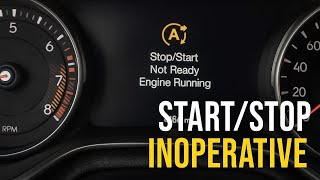
- "Stop/Start Not Ready, Battery Charging" message on the di 🎬 Watch: Common fixes for Jeep start-stop system errors and warnings.splay
- Engine will not start or is difficult to crank
- Engine stalls, especially at idle or when electrical accessories are used
- Dimming or flickering headlights and interior lights
- Erratic behavior from electronic components like the radio, power windows, or dashboard display (often described as a 'light show')
- Transmission shifting problems
- Inability to shift the vehicle out of Park
- Replacing only the main battery when the auxiliary battery was the root cause (or vice-versa).
- Replacing the alternator when the root cause is simply a bad battery or corroded terminal connection.
- Not checking for a loose main ground connection at the battery terminal, which is a known issue.
Most Likely Causes

- Failing Main or Auxiliary Battery 🔴 High Probability Modern Jeeps have a high electrical demand, and the dual-battery system's smaller auxiliary battery is a known weak point, often failing within 3-5 years. Because the batteries are paralleled, a failure in one quickly degrades the other, making it best practice to replace both at the same time. 🎬 Watch: Step-by-step guide to replacing both the main and auxiliary batteries.
How to confirm: Test both the main and auxiliary batteries individually using a multimeter (should be ~12.6V engine off) and a proper load tester. A battery showing good voltage can still fail a load test. Many auto parts stores offer free testing. A dying auxiliary battery may cause the system voltage to run high (e.g., 14.9V) as the alternator overworks, before it eventually fails and triggers the P0562 code.
Typical fix: Replace the failed battery. It is highly recommended to replace both the main and auxiliary batteries as a pair to prevent the old battery from damaging the new one. After replacement, the Intelligent Battery Sensor (IBS) may need to be reset.
Est. part cost: $230-$550 for both batteries - Failing Alternator 🟡 Medium Probability The alternator works hard to charge two batteries and power many onboard electronics. A failing internal voltage regulator is a common point of failure, especially if it has been overworked trying to charge failing batteries.
How to confirm: With the engine running, use a multimeter to check the voltage at the main battery terminals. A healthy alternator should produce between 13.5 and 14.7 volts. If the voltage is low, doesn't increase with engine RPM, or is excessively high, the alternator is likely faulty. A reading of 11.7V while running points to a bad alternator.
Typical fix: Replace the alternator.
Est. part cost: $300-$700 - Loose or Corroded Battery Terminals or Ground Straps 🟡 Medium Probability Vibration from on-road and off-road use can loosen connections. Owners report issues with the main negative battery terminal clamp not tightening sufficiently even when maxed out. Key grounding points are in the engine bay near the battery and on the frame; corrosion or looseness at these points can cause intermittent voltage drops.
How to confirm: Visually inspect and physically tug on all battery terminals (both batteries), the main chassis ground, and the engine ground strap. Look for corrosion and ensure all connections are clean and tight. A loose negative terminal that can be pulled off by hand is a known issue.
Typical fix: Disconnect the terminals, clean them and the battery posts with a wire brush, reconnect securely, and apply dielectric grease. If a terminal clamp is stretched and won't tighten, a battery post shim can be used as an inexpensive fix.
Est. part cost: $5-$20
Rare But Worth Checking
- Damaged Wiring: Check the wiring harness to and from the alternator and between the two batteries. A chafed or broken wire can cause an intermittent voltage drop.
- Parasitic Electrical Drain: A faulty module or aftermarket accessory may not shut down correctly when the vehicle is off, slowly draining the battery. A normal quiescent current draw should be between -500mA and 50mA. A parasitic draw test can isolate the faulty circuit.
- Faulty Intelligent Battery Sensor (IBS): Located on the negative terminal of the main battery, this sensor monitors the battery's state of charge. If it fails, it can send incorrect data to the PCM, leading to improper charging and a P0562 code. It may also set its own codes in the BCM, such as B2193 or U113E.
- Faulty Powertrain Control Module (PCM): This is very rare. The PCM itself can fail and misinterpret the system voltage, but all other possibilities should be exhausted before suspecting the PCM.
Diagnosis Steps
- Scan for all stored trouble codes. Note any other codes that appear with P0562, especially 'U' communication codes and BCM codes like B2193.
- Visually inspect the terminals on both the main and auxiliary batteries for looseness or corrosion. Physically attempt to move the negative terminal clamp on the main battery to ensure it is secure.
- Inspect the main engine and chassis ground straps to ensure they are clean, tight, and free of damage. Key locations are near the battery and on the frame rails.
- With the engine off, measure the voltage of the main battery with a multimeter. A healthy battery should read approximately 12.6 volts.
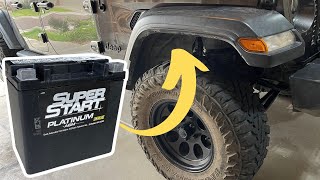
- Isolate and test the auxiliary battery in the same manner. This often requires accessing it through the passenger-side fender well or by moving the main fuse box (PDC). 🎬 See this easier method for accessing and changing the auxiliary battery.
- Perform a load test on both batteries individually to confirm their health. A weak battery can show good voltage but fail under load. This is the most critical step.
- Start the engine. Measure the voltage at the main battery terminals. It should be between 13.5 and 14.7 volts.
- With the engine still running, turn on all major electrical accessories (headlights, A/C blower on high, radio, etc.). The voltage should remain stable. A significant drop indicates a weak alternator.
- If batteries and alternator test good, check for a parasitic drain. With the vehicle off and in a quiescent state (sleep mode), the current draw should be below 50mA. If higher, pull fuses one by one until the draw drops to identify the problem circuit.
- If batteries are replaced or disconnected for service, perform an IBS reset. Disconnect the small 2-wire electrical connector on the IBS for 10-15 minutes to reboot the sensor. The system will then enter a relearning phase over several drive cycles.
Parts You'll Likely Need
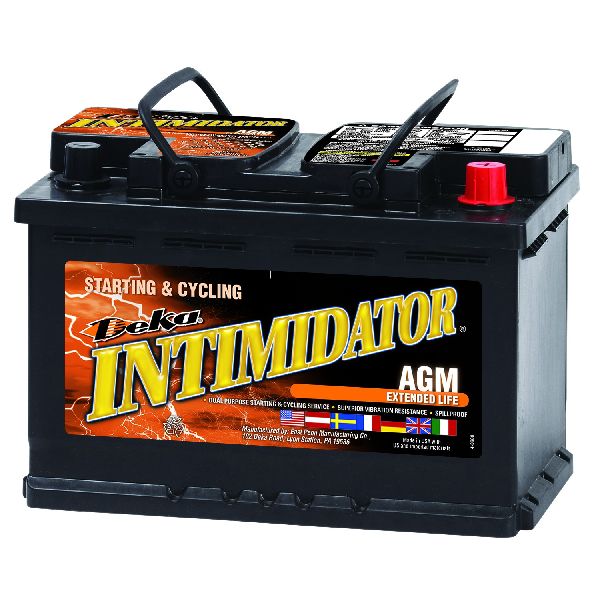
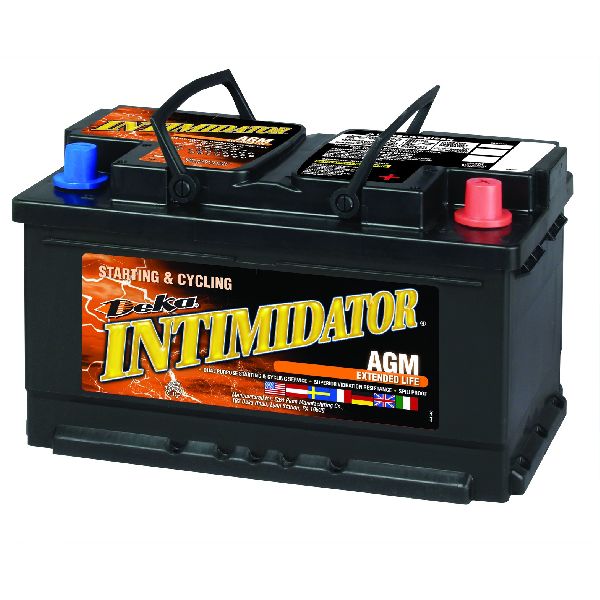
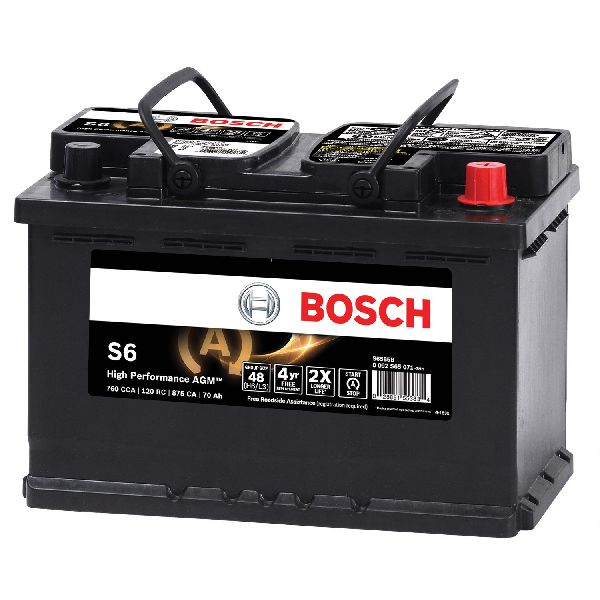
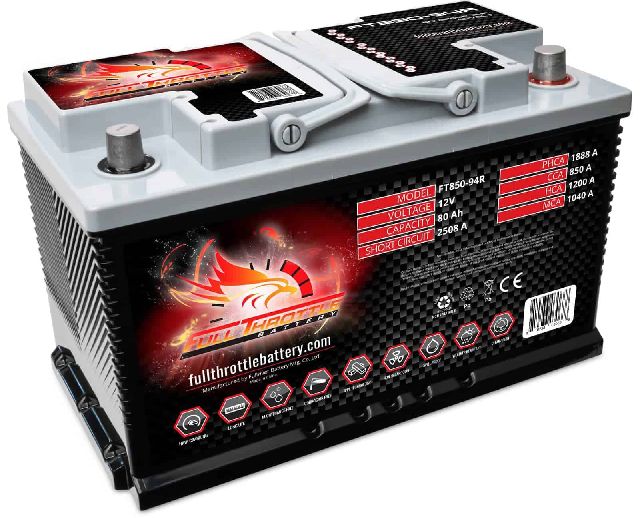
- AGM Main Battery (Group H6 / 94R) — The main battery is a common failure point. Due to the parallel system, it's often damaged by a failing auxiliary battery and should be replaced as a pair. Note: Tow package models use a larger Group H7 battery, which can be retrofitted to other models by removing a tray spacer.
Trusted brands: Mopar, Odyssey, NorthStar
OEM price range: $250-$400
Aftermarket price range: $200-$350 - AGM Auxiliary Battery
(OEM #68647042AA (supercedes previous numbers))— The secondary battery for the ESS system is a frequent and often overlooked cause of P0562. Its failure puts a strain on the entire charging system.
Trusted brands: Mopar, Duralast, ACDelco
OEM price range: $100-$180
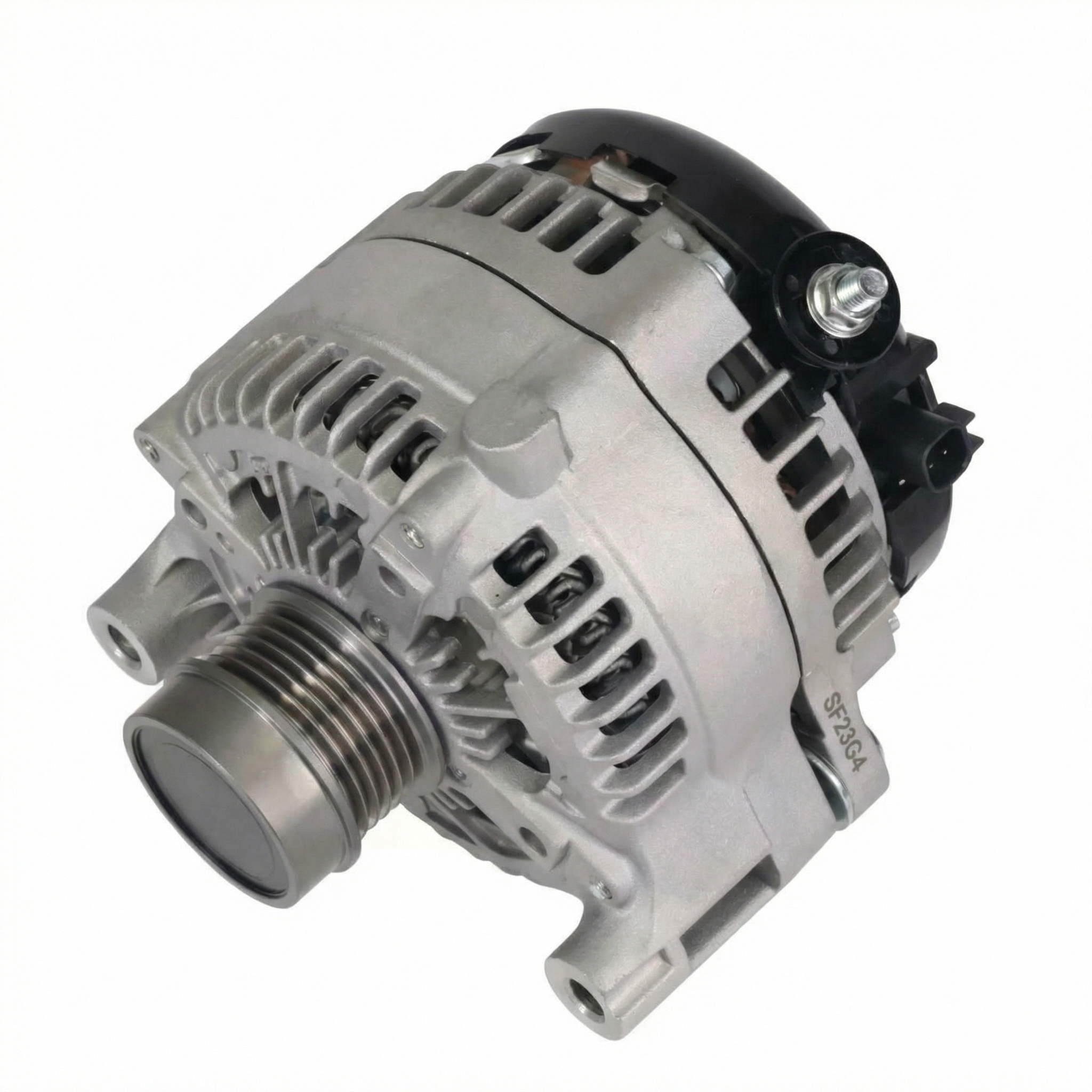
Aftermarket price range: $80-$150 - Alternator — If the batteries are good, the alternator is the next most likely component to fail, preventing the system from being charged while running.
Trusted brands: Mopar, Denso, Bosch
OEM price range: $450-$700
Aftermarket price range: $300-$550
Related Codes That Often Appear With This One
- P00FD — This code relates to the fuel system. It can be triggered alongside P0562 because low voltage can cause the fuel pump control module to operate incorrectly. TSB S2208000075 specifically links these codes.
- P26F3 — This code is often related to the cooling system or other actuators. Like P00FD, it can be a secondary code caused by the primary low voltage issue affecting various electronic modules, as noted in TSB S2208000075.
- U-series codes — Various 'U' codes (e.g., U0140) indicate a loss of communication between modules. Low system voltage is a primary cause for modules to stop communicating with each other, leading to a cascade of 'U' codes.
- B2193 / U113E — These are Body Control Module (BCM) codes related to the Intelligent Battery Sensor (IBS). B2193 indicates an internal IBS fault, while U113E means communication with the IBS is lost. They strongly suggest the IBS is the root cause of the charging system problem.
Technical Service Bulletins (TSBs) & Recalls
- S2208000075: Check Engine Light Is On, No Start. DTC?s P00FD, P0562, P26F3
Platform-Specific Known Issues
- A Technical Service Bulletin (TSB #S2208000075) for the 2021 Gladiator notes that P0562 can appear with codes P00FD and P26F3 in a 'Check Engine Light Is On, No Start' situation, pointing to a complex electrical fault.
- The 'Stop/Start Not Ready, Battery Charging' message is a very common early warning sign that one or both batteries are beginning to fail.
- Many owners on forums strongly advise replacing both batteries at the same time. A new battery can be quickly ruined by an old, failing battery in this parallel system. The cost at a dealership for both can exceed $600, while DIY is often in the $300-$350 range.
Mechanic-Grade Diagnostic Values
- System Voltage (Engine Off) — expected: ~12.6 Volts. Failure: Below 12.4V indicates a weak or discharged battery that requires load testing.
- System Voltage (Engine Running/Charging) — expected: 13.5 - 14.7 Volts. Failure: Below 13.5V indicates a charging system fault (likely alternator); above 14.8V can indicate a voltage regulator issue.
- P0562 Trigger Threshold — expected: Above 10 Volts. Failure: PCM sets code P0562 when system voltage drops below ~10V for a sustained period (e.g., 60 seconds).
- Quiescent (Parasitic) Current Draw — expected: -500mA to 50mA. Failure: A sustained reading above 50mA after the vehicle has entered sleep mode indicates a parasitic drain that will discharge the battery.
Hidden / Shadow Codes Worth Checking
- B2193: Intelligent Battery Sensor Internal Fault. This code is set by the Body Control Module (BCM) and points directly to a failure within the IBS itself. (see via A professional scan tool capable of reading BCM codes, such as the dealer's wiTECH tool.)
- U113E: Lost Communication with Intelligent Battery Sensor. This BCM code indicates the communication link (LIN bus) between the BCM and the IBS has been interrupted. (see via A professional scan tool capable of reading BCM codes and network communication status.)
Scan Tool Commands That Help
- Manual Procedure (No Scan Tool Required): Intelligent Battery Sensor (IBS) Reset/Reboot — Use after charging batteries, replacing batteries, or if charging system issues persist after confirming battery/alternator health. It forces the sensor to reboot and clear software glitches. The procedure is to disconnect the small 2-wire electrical connector on the IBS for 10-15 minutes.
- Manual Procedure (No Scan Tool Required): New Intelligent Battery Sensor (IBS) Adaptation — Required after installing a new IBS. The new sensor needs to calibrate to the battery. This involves allowing the sensor to read the State of Charge for up to 4 hours with no load, followed by 3 to 5 drive cycles with an 8-hour key-off period between each cycle to improve accuracy.
Wiring & Ground Locations

- Primary Engine Bay Grounds — Multiple points in the engine bay near the battery, including a 'ground bridge' on the passenger side fender.. These are the main ground points for the battery and charging system. Corrosion or looseness here is a primary cause of voltage drops.
- G907 (or G907A) — Chassis ground, location specified in service diagrams.. A documented case showed high resistance at this specific ground caused a 'cannot shift from park' symptom, which is often seen with P0562.
- Frame Grounds (Front) — On the frame behind the front passenger wheel.. Provides grounding for various chassis components; a poor connection can cause intermittent electrical issues.
- Frame Grounds (Rear) — Two ground points, one on each side of the frame, located above the spare tire.. Important for grounding aftermarket accessories added to the bed area, preventing them from causing parasitic drains or system interference.
- Interior Ground — Three ground points are located in the passenger kick panel area, one of which is often unused.. Grounds for interior electronics. A fault here could cause erratic behavior of dash components.
Real Owner Repair Stories
- Jeep Gladiator Forum user (2020 Jeep Gladiator (85,000 km)) — All sensors and cluster gauges would shut down while driving, sporadic wipers, loss of power steering, service shifter alarm, unable to shift from park.
❌ Tried (didn't work) Replacing main battery did not fix subsequent charging issue (was only charging at 11.7V).
✅ What actually fixed it The initial widespread electrical failure was fixed by replacing the CAN bus module behind the passenger side dash. The later charging issue was fixed by replacing the alternator. A final 'service start/stop' message was resolved by performing a manual IBS reset (disconnecting it for 10 minutes). - Reddit user r/JeepGladiator (2020 Jeep Gladiator (4.5 years old)) — Service Start/Stop System message, code P00FD (related to P0562).
❌ Tried (didn't work) Replacing the auxiliary battery did not immediately solve the problem.
✅ What actually fixed it A full reset of the Intelligent Battery Sensor (IBS). This involved disconnecting the main negative cable, the auxiliary negative cable, and the IBS sensor from the battery post and keeping them physically isolated from each other for about an hour. This forced a full reset and relearn, which resolved the issue. - Jeep Gladiator Forum user (2021 Jeep Gladiator) — Warning lights on dash ('avengers' light), but system voltage reading normal at 14.4V while running.
❌ Tried (didn't work) Considering bypassing the auxiliary battery.
✅ What actually fixed it The user was advised that 14.4V is the alternator output, not the battery health, and that the alternator was likely overworking to charge failing batteries. The recommended fix was to replace both batteries simultaneously and perform an IBS reset.
OEM Part Supersession History
Multiple previous part numbers→68647042AA— Part consolidation and revision.
Heads up: 68647042AA is the current specified OEM auxiliary battery for this vehicle range.
Model Year Variations Within This Range
- 2020 vs 2021-2022: The physical orientation of the main and auxiliary ground cables on the Intelligent Battery Sensor (IBS) is reversed. On 2020 models, the smaller cable on top is for the auxiliary battery. On 2021+ models, the cables are swapped. Incorrectly identifying these cables during testing or service can lead to misdiagnosis or a no-start condition.
- Mid-2021 onward: A new style of Powertrain Control Module (PCM) was introduced for the 3.6L engine. This may lead to differences in diagnostic fault trees and troubleshooting data compared to earlier models.
- All: Gladiators with the tow package are equipped with a larger Group H7 main battery, while non-tow models have a Group H6. The battery tray in all models can accommodate the larger H7 by simply removing a plastic spacer, providing a factory-approved upgrade path for battery capacity.
Helpful Videos
Used OEM Parts in Stock



New Aftermarket Parts Available


The information in this article is provided for general reference and educational purposes only. Vehicle specifications, procedures, and part compatibility can vary by production date, trim level, and region. Always consult your vehicle's factory service manual and verify part numbers before purchasing or performing repairs. Safety-critical components such as airbags, seat belts, and braking systems should be installed by a qualified professional.
- Jeep GLADIATOR:
- 🎬 Helpful Videos
- 🛍️ Shop This Part
- What's Unique About the 2020-2022 Jeep GLADIATOR
- Diagnostic Flowchart
- Symptoms You May Notice
- Most Likely Causes
- Rare But Worth Checking
- Diagnosis Steps
- Parts You'll Likely Need
- Related Codes That Often Appear With This One
- Technical Service Bulletins (TSBs) & Recalls
- Platform-Specific Known Issues
- Mechanic-Grade Diagnostic Values
- Hidden / Shadow Codes Worth Checking
- Scan Tool Commands That Help
- Wiring & Ground Locations
- Real Owner Repair Stories
- OEM Part Supersession History
- Model Year Variations Within This Range
- 🎟️ Get 5% Off