

P0562 on 2012-2017 Hyundai Veloster: Low System Voltage Causes and Fixes
This code indicates low system voltage. The most common causes are a failing alternator or a weak battery. Expect to spend $150-$300 for a new battery or $400-$700 for a replacement alternator.
- P0562 means your car's electrical system voltage is too low, most often due to a bad battery or a failing alternator.
- Do not ignore this code. It can leave you stranded and may cause other electrical systems to malfunction while driving.
- Start your diagnosis with the easiest and cheapest checks: inspect battery terminals for corrosion and get your battery load-tested.
- If the battery is good, the next step is to test the alternator's output voltage while the engine is running.
- Replacing the battery or alternator will resolve this code in the vast majority of cases.
What's Unique About the 2012-2017 Hyundai Veloster
For the 2012-2017 Hyundai Veloster, the P0562 code is a straightforward electrical issue without significant platform-specific complexities. The causes and diagnostic procedures are typical for most modern vehicles, focusing on the battery and alternator. Owner experiences confirm that these two components are the primary culprits, with the alternator being a particularly common point of failure. A notable weak point on turbo models is an uninsulated, braided ground strap from the charge pipe to the strut tower, which is prone to corrosion and can cause intermittent voltage issues.
Symptoms You May Notice
- Check Engine Light is on
- Battery or charging system warning light is on
- Dimming or flickering headlights and interior lights
- Slow or difficult engine starting
- Engine stalling, especially at idle
- Erratic behavior from electrical components like the radio or power windows
- Poor or erratic automatic/DCT transmission shifting performance
- Loss of power steering assist
- Replacing the battery when the alternator is the actual cause of the problem. This is a very common scenario where a new battery provides a temporary fix until it is drained by the faulty charging system.
- Replacing the alternator when the true issue is a simple, high-resistance connection due to corroded battery terminals or a bad ground strap.
Most Likely Causes
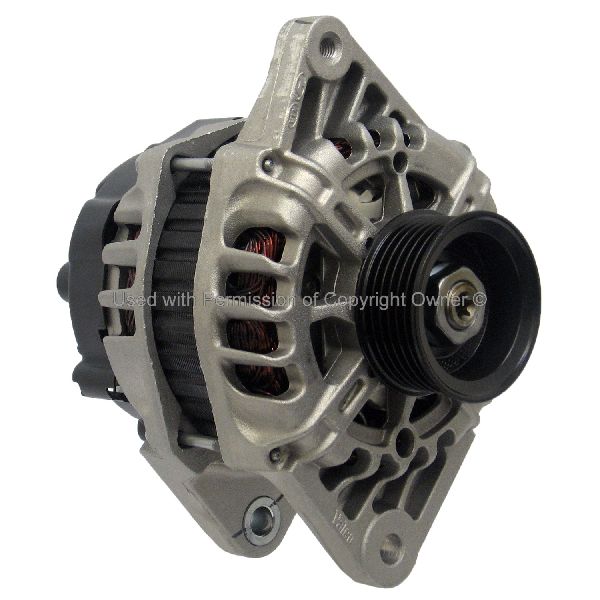
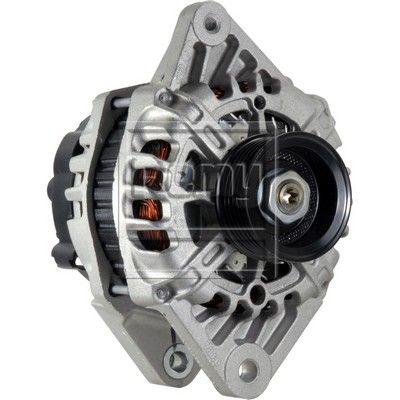
- Failing Alternator 🔴 High Probability The alternator is a common wear-and-tear item responsible for generating electricity. Its failure is the most frequent cause of P0562 on the Veloster, as confirmed by numerous owner experiences and repair videos.
How to confirm: With the engine running, use a multimeter to test the voltage at the battery terminals. A healthy alternator should produce a reading between 13.5 and 14.8 volts. A reading close to battery voltage (around 12V) or lower indicates the alternator is not charging.
Typical fix: Replace the alternator.
Est. part cost: $250-$500 - Weak or Old Battery 🔴 High Probability Car batteries have a finite lifespan, typically 3-5 years. An old battery may not be able to hold a sufficient charge or handle electrical loads, even with a good alternator, causing system voltage to drop. Common battery sizes for the Veloster are Group Size H5/47 or 121R.
How to confirm: Test the battery voltage with the engine off using a multimeter; a healthy battery should read about 12.4-12.6 volts. For a definitive test, use a battery load tester to see if it can maintain voltage under load; voltage should not drop below 9.0V during the test. Many auto parts stores offer this service for free.
Typical fix: Replace the battery.
Est. part cost: $150-$300 - Corroded or Loose Battery Terminals/Cables 🟡 Medium Probability Corrosion (white or greenish powder) on the battery terminals or loose cable connections create high resistance, which impedes the flow of electricity from the alternator to the battery and the rest of the vehicle.
How to confirm: Visually inspect the battery terminals and cable ends for corrosion or looseness. Check the main ground strap from the battery to the chassis and engine block for a clean, tight connection. A voltage drop test across the cables can pinpoint high resistance; resistance should be less than 0.5 ohms.
Typical fix: Clean the battery terminals and cable ends with a wire brush and ensure all connections are tight. Apply dielectric grease to prevent future corrosion.
Est. part cost: $5-$15
Rare But Worth Checking
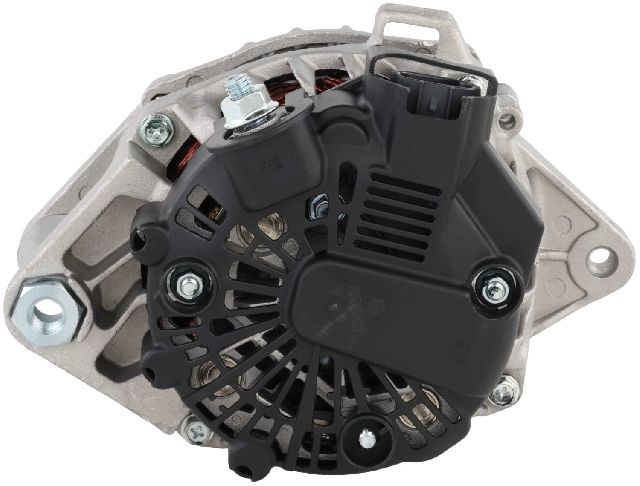
- Damaged Wiring: Check the wiring harness to and from the alternator for any signs of cracking, burning, or physical damage that could cause a short or open circuit.
- Parasitic Drain: An electrical component that doesn't shut off when the car is off can slowly drain the battery, leading to a low voltage condition upon starting. This is less common but worth investigating if the battery and alternator are good.
- Faulty Powertrain Control Module (PCM): In very rare cases, the PCM itself may be faulty and incorrectly report a low voltage condition. This should only be considered after all other possibilities have been exhausted.
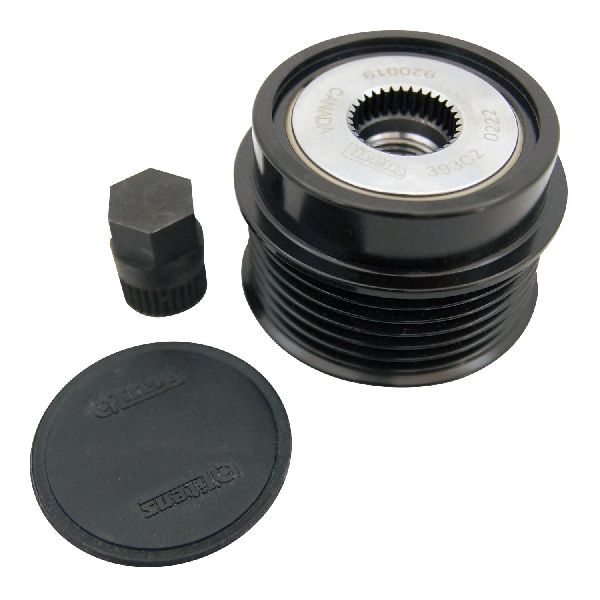
- Slipping/Worn Serpentine Belt: A loose, glazed, or worn serpentine belt can slip on the alternator pulley, preventing it from spinning at the correct speed to generate sufficient voltage, especially under electrical load.
Diagnosis Steps
- Read the code with an OBD-II scanner to confirm P0562 is present.
- Visually inspect the battery terminals, cable ends, and main ground straps for corrosion, damage, or loose connections. Clean and tighten as necessary.
- With the engine off, use a multimeter to measure the battery's static voltage. It should be approximately 12.4-12.6V. If it's lower, the battery is discharged or failing.
- Have the battery professionally load-tested to confirm its health. This is the most reliable way to identify a weak battery.
- Start the engine. Measure the voltage at the battery terminals again. The reading should be between 13.5V and 14.8V. If the voltage is near 12V or dropping, the alternator is likely faulty.
- With the engine running, turn on all major electrical accessories (headlights, A/C, rear defroster). The voltage should remain stable within the charging range. A significant drop indicates a weak alternator or slipping belt.
- Inspect the serpentine belt for cracks, glazing, or proper tension.
- If the battery and alternator test good, perform a voltage drop test on the main power and ground cables to find hidden resistance. Resistance across terminals and posts should be under 0.5 ohms.
- If all else fails, investigate the possibility of a parasitic drain (should be <50mA) or a PCM fault.
Parts You'll Likely Need
- Battery — An old or weak battery is a primary cause for not holding a charge, leading to low system voltage. Common group sizes are H5/47 or 121R.
Trusted brands: Interstate, DieHard, Duralast
OEM price range: $200-$350
Aftermarket price range: $150-$250 - Alternator
(OEM #37300-2B510 (non-turbo), 37300-2B760 (Turbo))— The alternator is the most common point of failure for this code on the Veloster. It fails to produce adequate voltage to charge the battery and run the car's electronics.
Trusted brands: Valeo (OEM supplier), Denso, Bosch
OEM price range: $450-$650
Aftermarket price range: $250-$450
Platform-Specific Known Issues
- Alternator Failure is the Primary Culprit: While P0562 can be caused by several components, forum discussions and mechanic reports for the 2012-2017 Veloster heavily point towards alternator failure as the most common root cause. Many owners report replacing the battery first, only to have the problem return, confirming the alternator was the original issue.
Mechanic-Grade Diagnostic Values
- Battery Terminal/Cable Connection Resistance — expected: < 0.5 Ohms. Failure: A reading greater than 0.5 Ohms indicates high resistance from corrosion or a loose connection, impeding current flow.
- Parasitic Current Drain — expected: < 50 Milliamps (mA). Failure: A reading significantly higher than 50mA with the vehicle off for several minutes indicates a module or component is not entering sleep mode and is draining the battery.
- Battery Load Test — expected: Voltage remains above 9.0 Volts during a 15-second, 200-amp load.. Failure: Voltage dropping below 9.0V indicates a weak battery with bad cells that cannot handle a load, even if static voltage appears normal.
- Charging System Voltage (Engine Running, Under Load) — expected: 13.5V - 14.8V (with accessories like headlights and A/C on). Failure: A significant voltage drop below 13.5V when electrical accessories are turned on points to a failing alternator that cannot keep up with demand.
Scan Tool Commands That Help
- Hyundai GDS / Professional Scan Tool: Charging System Test — After basic voltage checks, this function in the Hyundai diagnostic tool can analyze the alternator's output and diode ripple pattern to determine if the alternator is failing internally, providing a more definitive diagnosis than a simple voltage reading.
- Professional Scan Tool (e.g., iCarsoft): Parasitic Drain Test — Use this function when the battery dies overnight but the alternator and battery test good. The tool measures current draw over time to confirm if a parasitic drain is the cause of the low voltage condition.
Wiring & Ground Locations
- Turbo Engine Ground Strap — Runs from the aluminum charge pipe (inlet tube) on the back of the engine to one of the strut tower brace bolts in the engine bay.. This is a braided, uninsulated aluminum ground strap that is highly susceptible to corrosion and degradation. A poor connection here can cause intermittent and hard-to-diagnose voltage fluctuations and electrical issues, potentially triggering a P0562 code even if the main battery ground is good.
- Main Battery Ground — A thick cable running from the battery's negative terminal to a bolt on the vehicle's chassis/frame in the engine bay.. This is the primary ground for the entire electrical system. Corrosion or looseness at this point will cause system-wide low voltage and is a common cause for P0562.
- Interior Fuse Box / Smart Junction Box (SJB/BCM) — Located in the driver's side of the instrument panel, accessible behind a cover.. This is not just a fuse panel but the Body Control Module. A failure in this module can cause a parasitic drain that leads to a dead battery and a P0562 code.
- Engine Compartment Fuse & Relay Box — Located on the left side of the engine compartment.. This box contains the main 150A alternator fusible link. If this link is blown, the alternator cannot charge the battery at all, leading to a rapid voltage drop and P0562.
Real Owner Repair Stories
- Reddit user MayhemROB84 in r/veloster (2013 Hyundai Veloster Turbo) — Car hesitated to start, then died while driving on the highway. Multiple warning lights came on, followed by a P0562 code.
❌ Tried (didn't work) Replacing the battery. The car drove fine for a day, but then the same issue and code returned.
✅ What actually fixed it The owner confirmed the alternator was putting out 14.4V at one point, but the intermittent failure and return of the code after a battery replacement strongly indicated a failing alternator, which is the implied final fix discussed in the thread.
"I Checked Everything" — The Actual Cause
- In the context of P0562, the equivalent of a 'smoke test clean' scenario is when both the battery and alternator pass standard load tests. A common underlying cause in this situation on the Veloster Turbo is a corroded and high-resistance ground strap that connects the engine's charge pipe to the strut tower; this uninsulated strap degrades over time and causes intermittent voltage drops that are hard to trace.
- Another cause when primary components test good is a failing Body Control Module (BCM), also known as the Smart Junction Box. The BCM can fail to enter its low-power 'sleep mode' after the car is off, creating a parasitic drain that depletes the battery overnight and triggers P0562 on the next startup.
OEM Part Supersession History
37300-2B300→37300-2B510— Part revision or supplier change for the non-turbo alternator.
Heads up: These parts are generally interchangeable for the non-turbo 1.6L GDI engine within the 2012-2017 range.37300-2B750→37300-2B760— Part revision or supplier change for the turbo 1.6L T-GDI alternator.
Heads up: These parts are interchangeable for the turbo engine within the 2013-2017 range.
Model Year Variations Within This Range
- 2016-2017: A mid-cycle refresh occurred for the 2016 model year. This included revised styling (grille, wheels), updated infotainment, and a new 7-speed dual-clutch transmission (DCT) for the Turbo model. However, the core engine architecture and charging systems were not changed, so the causes and fixes for P0562 remain consistent across the entire 2012-2017 range, with the main distinction always being between turbo and non-turbo models.
Diagnostic Flowchart
Used vs. New Parts: Buying Guide for This Vehicle
When a used part is the smart pick: A used alternator from a reputable automotive recycler can be a cost-effective option, especially for a DIY repair. It is not recommended to purchase a used battery.
Donor-vehicle mileage cap: roughly under 80000 miles for the part to have meaningful remaining life.
What to inspect on the donor part:
- Check the donor vehicle's mileage; lower is always better.
- Inspect the alternator pulley to ensure it spins freely by hand without grinding or excessive noise.
- Look for any signs of physical damage, cracks in the housing, or significant corrosion on the terminals.
- Verify the part number matches your vehicle's requirement (Turbo vs. Non-Turbo).
- Ask about the warranty period; many recyclers offer a 30-90 day warranty.
OEM-only on this vehicle (don't cheap out):
- Powertrain Control Module (PCM)
- Body Control Module (BCM) / Smart Junction Box
Aftermarket brands forum-validated for this vehicle:
- Valeo (often the original OEM supplier)
- Denso
- Bosch
Real Owner Stories
Aggregated from forums and TSBs cited above. Mileages and costs reflect what owners reported in those sources.
2013 Hyundai Veloster Turbo
Symptoms: The car hesitated to start, drove for about 20 minutes, and then died on the highway. Multiple warning lights came on. After replacing the battery, the same issue and the P0562 code returned.
What fixed it: The original poster did not confirm the final fix, but the diagnostic dead-end was replacing the battery. Other users suggested the alternator was the likely culprit.
Source hint: reddit.com r/veloster - "Need Help! P0562 Code"
2015 Kia Forte
Symptoms: Owner experienced random, intermittent low voltage events that caused the loss of power steering and multiple warning lights to illuminate. The problem would seem to resolve itself after a jump start.
What fixed it: The issue was described as difficult to diagnose due to its intermittent nature, with the likely cause being an intermittent internal short in the battery or a failing alternator.
Source hint: Mechanics Stack Exchange - '2015 Kia Forte Intermittent Low Voltage Occurrences - P0562'
Related OBD-II Codes
Frequently Asked Questions
I replaced the battery in my Veloster, but the P0562 code came back. What's the most likely problem?
What voltage should I see at my Veloster's battery terminals when the engine is running?
What is the correct battery voltage for my Veloster when the engine is off?
Are other cars like the Elantra or Forte known to have this same P0562 issue?
My headlights are dimming and the car is hard to start. Is this related to the P0562 code?
What is the first and easiest thing to check for P0562 on my Veloster?
What battery group size does my 2012-2017 Veloster use?
Used OEM Parts in Stock


New Aftermarket Parts Available


The information in this article is provided for general reference and educational purposes only. Vehicle specifications, procedures, and part compatibility can vary by production date, trim level, and region. Always consult your vehicle's factory service manual and verify part numbers before purchasing or performing repairs. Safety-critical components such as airbags, seat belts, and braking systems should be installed by a qualified professional.
- Hyundai Veloster:
- 🛍️ Shop This Part
- What's Unique About the 2012-2017 Hyundai Veloster
- Symptoms You May Notice
- Most Likely Causes
- Rare But Worth Checking
- Diagnosis Steps
- Parts You'll Likely Need
- Platform-Specific Known Issues
- Mechanic-Grade Diagnostic Values
- Scan Tool Commands That Help
- Wiring & Ground Locations
- Real Owner Repair Stories
- "I Checked Everything" — The Actual Cause
- OEM Part Supersession History
- Model Year Variations Within This Range
- Diagnostic Flowchart
- Used vs. New Parts: Buying Guide for This Vehicle
- Real Owner Stories
- 2013 Hyundai Veloster Turbo
- 2015 Kia Forte
- Related OBD-II Codes
- Frequently Asked Questions
- 🎟️ Get 5% Off