

P0562 on 2014-2019 GMC Sierra 1500: System Voltage Low Causes and Fixes
On the 2014-2019 Sierra 1500, code P0562 almost always points to a failing battery, a bad alternator, or corroded/loose battery cables and ground straps. Start by testing the battery and alternator, then inspect all major power and ground connections, paying special attention to the braided engine-to-chassis ground strap which is a known failure point.
- P0562 means your truck's electrical system voltage is dangerously low.
- Do not ignore this code; it can leave you stranded and cause damage to electronics.
- The most likely culprits are the battery, alternator, or the connections between them (cables and grounds).
- Always test the battery and charging system before replacing parts.
- On this specific truck, pay close attention to the condition of the main engine and battery ground straps, as they are a known failure point.
What's Unique About the 2014-2019 GMC Sierra 1500

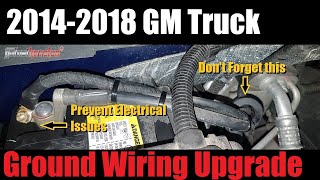
For this generation of Sierra (K2XX), the P0562 code is a straightforward electrical issue, but the platform is known for having weak points in its grounding system. Owners and technicians frequently report issues with corroded or loose ground straps, particularly the main engine-to-chassis and battery-to-chassis grounds. Upgrading these grounds with heavier gauge, sealed cables is a common preventative measure shown in owner forums and videos. 🎬 Watch: How to upgrade your K2XX ground straps The charging system is controlled by the Body Control Module (BCM) via a 2-wire LIN-Bus connection to the alternator, a system known as Regulated Voltage Control (RVC). This system also uses a Battery Current Sensor on the negative terminal to monitor the battery's state of charge, which can fail or cause issues if connections are not made correctly through it.
Generation note: The 2014-2018 model years are exclusively the third generation (K2XX). The 2019 model year was a split, with GM selling both the third-generation 'Sierra 1500 Limited' and the all-new fourth-generation (T1XX) 'Sierra 1500'. This guide primarily covers the K2XX platform, as it makes up the vast majority of the specified year range.
Symptoms You May Notice
- Check Engine Light is on
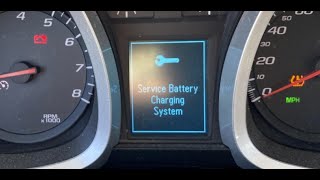
- Battery or charging system warning light on the dashboard
- Engine is hard to start or cranks slowly
- Engine may stall, especially at idle or when put in gear
- Dimming or flickering headlights and interior lights
- Erratic behavior from electrical components like the radio, power windows, or instrument cluster
- Harsh or incorrect transmission shifting
- "Service StabiliTrak" message may appear
- Loss of electric power steering assist
- Replacing the alternator when the true cause is a bad ground strap or corroded battery cable.
- Replacing the battery when the alternator is not charging it properly.
- Replacing the battery without performing a load test, only to have the new battery fail to solve the issue because the alternator or a ground is the real problem.
Most Likely Causes

- Failing or Weak Battery 🔴 High Probability Batteries have a finite lifespan of 3-5 years. Many vehicles in this year range are on their second or third battery, and an aging battery is the most common cause of low system voltage, especially one that can no longer pass a load test.
How to confirm: Use a multimeter to check the battery voltage with the engine off. A healthy battery should read approximately 12.6 volts. A reading below 12.4V indicates it is discharged and requires charging. For a definitive diagnosis, perform a load test using a dedicated battery tester, as a battery can show good voltage but fail under load. If voltage drops below 9.6V during the load test, the battery is bad.
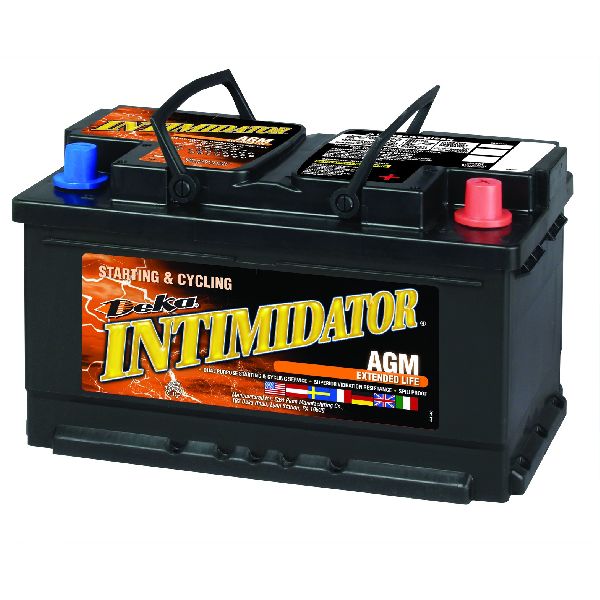
Typical fix: Replace the battery. For this vehicle, an AGM (Absorbent Glass Mat) battery is often recommended.
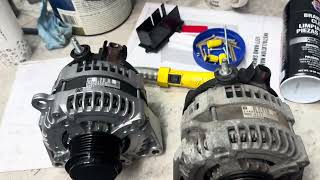
Est. part cost: $150-$350 - Failing Alternator 🔴 High Probability The alternator is responsible for charging the battery and powering the vehicle's electronics when the engine is running. High electrical loads from accessories and age can lead to failure. These trucks came with different amperage alternators (e.g., 150A, 170A, 220A) depending on the trim and options package.
How to confirm: With the engine running, use a multimeter to measure the voltage at the battery terminals. A healthy charging system should read between 13.7 and 14.7 volts (though it can be lower in some modes due to the RVC system). If the voltage is low (near battery voltage) or does not increase when the engine is revved, the alternator has likely failed. Most auto parts stores can test an alternator for free.
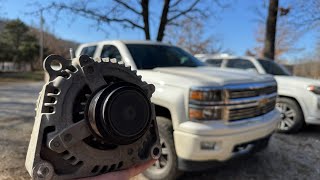
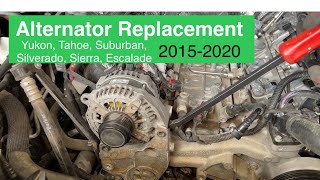
Typical fix: Replace the alternator. Ensure the replacement has the correct amperage for the vehicle's options. 🎬 See this step-by-step alternator replacement walkthrough
Est. part cost: $200-$500 - Loose or Corroded Battery Terminals/Cables 🟡 Medium Probability Corrosion (white or greenish powder) builds up on battery terminals over time, creating resistance and preventing a solid electrical connection. Vibration can also loosen the terminal clamps.
How to confirm: Visually inspect the battery terminals and cable ends for corrosion or looseness. Attempt to wiggle the terminals by hand; they should not move.
Typical fix: Disconnect the battery (negative first). Clean the terminals and cable ends with a wire brush and a mixture of baking soda and water. Reconnect securely (positive first) and apply a dielectric grease or anti-corrosion spray.
Est. part cost: $5-$20 for cleaning tools - Poor or Broken Ground Straps 🟡 Medium Probability GM trucks of this era are known for issues with their main ground straps, which are often uninsulated braided cables that are susceptible to corrosion and breakage. A bad ground can prevent the charging system from working correctly, leading to a P0562 code even with a good battery and alternator.
How to confirm: Visually inspect the main ground straps: the one from the battery negative terminal to the chassis, and the one from the engine block to the firewall/chassis. Look for corrosion, fraying, or breakage. Perform a voltage drop test from the battery negative post to the engine block and then to the chassis; the reading should be less than 0.2 volts with the engine running.
Typical fix: Clean the contact points with a wire brush and re-secure the ground strap. If the strap is corroded or broken, replace it. Many owners choose to upgrade to a heavier-gauge, sealed cable as a preventative measure.
Est. part cost: $20-$50
Rare But Worth Checking
- Faulty PCM: The Powertrain Control Module is rarely the cause of this code. All other possibilities, especially battery, alternator, and wiring/grounds, should be exhaustively ruled out before considering PCM replacement.
- Parasitic Battery Drain: An electrical component that doesn't shut off when the truck is parked can drain the battery overnight, causing a P0562 on startup. A normal draw after all modules go to sleep (can take over 20 minutes) should be under 50mA. This requires a specific parasitic draw test to diagnose. 🎬 Watch: How to diagnose GM service battery charging system issues
- High Resistance in Charging Wire: The main positive cable from the alternator to the battery or fuse box can develop corrosion or damage, creating high resistance that prevents the alternator's full output from reaching the battery. A voltage drop test on this cable can confirm the issue.
- Faulty Battery Current Sensor: These trucks use a battery current sensor on the negative terminal to inform the BCM of the battery's state of charge. If this sensor is faulty or if aftermarket accessories are grounded directly to the battery negative post (bypassing the sensor), the BCM may not command the alternator to charge correctly, leading to a low voltage condition over time.
Diagnosis Steps

- Read Codes: Use an OBD-II scanner to confirm the P0562 code and check for any other stored codes, especially U-series (communication) or P06xx (module) codes.
- Visual Inspection: Visually inspect the battery terminals and cables for looseness, damage, or corrosion. Check the alternator belt for proper tension and condition.
- Test Battery Voltage (Engine Off): With a multimeter, check the static battery voltage. A fully charged battery should be around 12.6V. If it's below 12.4V, the battery is discharged and needs charging and testing.
- Test Charging System Voltage (Engine Running): Start the engine. Measure the voltage at the battery terminals. It should be between 13.7V and 14.7V (but can vary due to the RVC system). If the voltage is low, the alternator is likely faulty. If it's too high (over 15V), the voltage regulator (internal to the alternator) may have failed.
- Load Test Battery: Perform a load test on the battery using a dedicated tester. This is the most reliable way to determine battery health, as a battery can show good voltage but fail under load. Many auto parts stores offer this service for free.
- Inspect Grounds: Carefully inspect the main battery-to-chassis and engine-to-chassis ground straps for corrosion, fraying, or breakage. Ensure connections are clean and tight.
- Perform Voltage Drop Test: This is a critical step. With the engine running, check for high resistance in the charging circuit. Measure voltage between the alternator's positive post and the battery's positive post (should be <0.5V). Measure between the alternator case and the battery's negative post (should be <0.2V). High readings indicate a bad cable or connection.
- Final Verification: After any repair, clear the codes with the scanner and test drive the vehicle, monitoring system voltage with the scanner's live data function to ensure the code does not return.
Parts You'll Likely Need
- Battery
(OEM #ACDelco Gold 48AGM (Group Size 48, AGM))— A weak or dead battery is the most frequent cause of low system voltage.
Trusted brands: ACDelco, Interstate, DieHard, Optima
OEM price range: $200-$350
Aftermarket price range: $150-$300 - Alternator
(OEM #ACDelco 84143540 (170 Amp), ACDelco 84143539 (220 Amp))— The alternator recharges the battery and powers the truck. Its failure is the second most common cause after the battery.
Trusted brands: ACDelco, Denso, Bosch (Remanufactured)
OEM price range: $350-$500
Aftermarket price range: $200-$400
Related Codes That Often Appear With This One
- P0606 — On some GM vehicles, a severe voltage drop can cause other modules to report internal faults. TSBs for newer models specifically link P0562 and P0606 to software issues or voltage drops during start-stop events.
- U-series codes (e.g., U0100, U0101) — Low system voltage can disrupt communication between various control modules on the vehicle's network (CAN bus), leading to a loss of communication codes.
- P0300-P0306 — Low voltage can affect ignition coil performance, leading to weak spark and causing random or cylinder-specific misfires.
Technical Service Bulletins (TSBs) & Recalls
- Bulletin #PIT5634: This manufacturer bulletin advises dealers to inspect for a low voltage condition and follow SI diagnostics for DTC P0562 "System Voltage Low" to avoid misdiagnosis and incorrect repairs. It notes that engineering is working on a resolution, which may involve updates to service information.
- Various Electrical Concerns And Or Intermittent Low Voltage Displayed On DIC: While for a slightly older generation, this TSB addresses intermittent low voltage readings and electrical issues caused by poor ground connections, a problem known to persist into the K2XX generation. It instructs technicians to inspect and clean specific ground locations.
- Engine Misfire, Malfunction Indicator Lamp (MIL) Illuminated - DTC P0300 Set: This TSB addresses issues with Active Fuel Management (AFM) lifters, a known problem on the LV3 engine. While not a direct cause of P0562, severe engine mechanical issues can sometimes coincide with electrical fault codes.
Platform-Specific Known Issues
- Corrosion-prone braided ground straps are a well-documented issue on K2XX platform trucks, often leading to a variety of electrical gremlins, including P0562.
- A recall (N192273510) was issued for some 2019-2020 models for excessive glue on the B+ cable ring at the alternator, causing an intermittent connection. While this recall is for the next generation, it highlights a potential failure point to inspect.
Mechanic-Grade Diagnostic Values
- Regulated Voltage Control (RVC) - Normal Mode — expected: 13.9–14.5 V. Failure: Voltage consistently below this range (after initial 30-second startup charge) may indicate a charging system fault.
- Regulated Voltage Control (RVC) - Fuel Economy Mode — expected: 12.5–13.1 V. Failure: This is a normal, commanded low-voltage state to save fuel. It is not a failure indicator on its own. The system should exit this mode under electrical load.
- Regulated Voltage Control (RVC) - Startup Mode — expected: 14.5 V for 30 seconds. Failure: Failure to reach this voltage immediately after starting points to a weak battery or failing alternator.
- Parasitic Draw (after 20+ minutes) — expected: < 50mA. Failure: A reading higher than 50mA indicates a module or component is not entering sleep mode, which will drain the battery overnight.
- Generator Field Duty Cycle Signal (Scan Tool) — expected: 0-100% PWM signal at 128 Hz. Failure: An unresponsive or out-of-range duty cycle reading can indicate a fault in the alternator, wiring, or the ECM/BCM control circuit.
Scan Tool Commands That Help
- GDS2 (GM Global Diagnostic System 2): Charging System Test — This bidirectional function allows a technician to command the alternator to different output levels, bypassing the BCM's automatic control. This is the definitive way to test if the alternator itself can produce the correct voltage when commanded, separating an alternator failure from a control system (BCM, wiring, sensor) failure.
- GDS2 (GM Global Diagnostic System 2): Live Data Monitoring - 'Generator Field Duty Cycle' — Monitoring this PID shows the percentage of time the BCM is commanding the alternator's field coil to be energized. A high duty cycle (e.g., 90-100%) with low voltage output suggests the alternator is being commanded to work but cannot keep up, indicating a faulty alternator. A low or 0% duty cycle with low voltage output suggests the BCM is not commanding the alternator to charge, pointing to a control system issue.
Wiring & Ground Locations

- Battery Current Sensor — A sensor integrated into the negative battery terminal clamp.. All vehicle grounds and aftermarket accessory grounds MUST be connected to the body/chassis side of this sensor, not directly to the battery post. Bypassing it prevents the BCM from accurately monitoring the battery's state of charge, which can lead to undercharging and a P0562 code.
- G103 — On the front of the right-side (passenger side) cylinder head.. This is a primary engine ground point. Corrosion or looseness here can cause a variety of sensor and charging system issues.
- G110 — A body harness ground located on the left (driver's) side of the engine block.. This is a critical engine-to-chassis ground. A poor connection here is a known issue that can directly cause charging system problems and P0562.
- Mega Fuse Block — Located on top of the battery, under a plastic cover, connected to the positive terminal.. This block houses the main fuses for high-current systems, including the main feed from the alternator. Corrosion inside this fuse block can create high resistance, preventing the alternator's output from properly charging the battery, even if the alternator itself is good.
- X50A Underhood Fuse Block — The main fuse box in the engine compartment, typically on the driver's side.. This is a major power distribution hub. High resistance from loose or corroded connections within this block can cause system-wide voltage drops and trigger P0562.
Real Owner Repair Stories
- GM-Trucks.com forum user (2014 GMC Sierra) — Service charging system warning, voltmeter fluctuating wildly.
❌ Tried (didn't work) Replacing the battery., Replacing the alternator.
✅ What actually fixed it The positive battery cable end and the mega fuse block it connects to were heavily corroded. Replacing the positive cable assembly, which included the fuse block, resolved the issue. The corrosion was creating high resistance, preventing the new alternator's power from reaching the new battery.
Model Year Variations Within This Range
- 2014-2019: All trucks in this range use the Regulated Voltage Control (RVC) system, where the BCM, not a traditional internal voltage regulator, is the primary controller of alternator output. This is a significant departure from older, simpler charging systems and is a key factor in diagnosis.
Diagnostic Flowchart
Other Known Issues on This Vehicle
Issues unrelated to this code that are worth knowing about as an owner of this generation:
- Active Fuel Management (AFM) Lifter Failure 🔴 High — Common, especially on engines over 80,000 miles. The 4.3L V6 is affected, though less frequently than the V8s. Can lead to misfires (P0300), engine noise, and catastrophic engine damage if ignored. (Ref: Multiple TSBs exist, such as 18-NA-150, addressing diagnosis and repair.)
- Torque Converter Shudder (6L80 Transmission) 🟠 Medium — Very common, often appearing between 30,000-80,000 miles. Feels like driving over rumble strips at light throttle. Caused by issues with the torque converter clutch lining and transmission fluid. (Ref: TSBs like 18-NA-355 recommend flushing the fluid with an updated Mobil 1 Synthetic LV ATF HP fluid.)
- Cracked Dashboard 🟡 Low — A common cosmetic issue, particularly on trucks from the preceding GMT900 platform, but also reported on early K2XX models. Cracks typically form around the passenger airbag area or instrument cluster hood. (Ref: No recall has been issued; GM has generally considered it a cosmetic issue not affecting safety.)
- High-Pressure Fuel Pump (HPFP) Failure 🟠 Medium — As a direct-injection engine, the LV3 can experience HPFP failure, typically around 100,000 miles. Symptoms include stalling, loss of power, and fuel-related trouble codes.
- Intake Valve Carbon Buildup 🟠 Medium — Inherent to all direct-injection engines like the LV3. Over time, carbon deposits build on the back of the intake valves, which can cause misfires and reduced performance, usually noticeable after 60,000-100,000 miles.
Used vs. New Parts: Buying Guide for This Vehicle
When a used part is the smart pick: Used parts are a reasonable choice for static, non-wear items like battery cables, ground straps, and fuse blocks, provided they are from a dry-climate vehicle and show no signs of corrosion or damage. A visual inspection is usually sufficient.
Donor-vehicle mileage cap: roughly under 75000 miles for the part to have meaningful remaining life.
What to inspect on the donor part:
- For cables/straps: Check for green or white corrosion, especially under the insulation. Ensure the braided ground straps are not frayed or brittle.
- For fuse blocks: Inspect terminals for any signs of melting, discoloration from heat, or corrosion.
- For alternators: Check that the pulley spins freely without noise or roughness, and that the electrical connector is not damaged. However, buying a used alternator is generally risky.
OEM-only on this vehicle (don't cheap out):
- Battery Current Sensor: Aftermarket versions can have calibration issues. Given its critical role in the RVC system, an OEM (ACDelco) part is strongly recommended if it needs replacement.
Aftermarket brands forum-validated for this vehicle:
- Alternators: ACDelco (OEM), Denso (often the original manufacturer for GM), Bosch (remanufactured).
- Batteries: ACDelco, Interstate, DieHard, Optima.
Brands owners have reported issues with on this vehicle:
- Avoid 'white-box' or no-name, deeply discounted alternators from online marketplaces. They have a high failure rate and often do not communicate correctly with the BCM's Regulated Voltage Control system.
Real Owner Stories
Aggregated from forums and TSBs cited above. Mileages and costs reflect what owners reported in those sources.
2014-2018 Silverado/Sierra K2XX
Symptoms: Owner experienced various electrical gremlins and low voltage readings due to the factory braided ground straps being susceptible to corrosion.
What fixed it: Upgraded the main ground locations with heavier-gauge, sealed cables to prevent electrical resistance.
Source hint: YouTube: 2014-2018 Silverado/ Sierra Ground Upgrade K2XX (Prevent Electrical Issues)
Related OBD-II Codes
Frequently Asked Questions
My 2014-2019 Sierra is showing a P0562 code; could this be related to the common ground strap issues on the K2XX platform?
Does TSB PIT5405 apply to my 2014-2019 GMC Sierra 1500?
I have a 2019 GMC Sierra; is there a recall that might cause a low voltage code like P0562?
What type of battery is recommended for the LV3 4.3L V6 Sierra to prevent voltage issues?
Can the Active Fuel Management (AFM) system on my LV3 engine cause a P0562 code?
Why does my Sierra's voltage fluctuate between 13.7V and 14.7V while driving?
Helpful Videos

Used OEM Parts in Stock
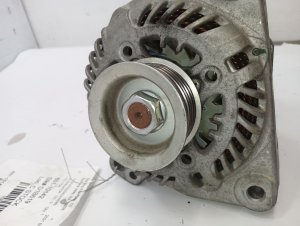

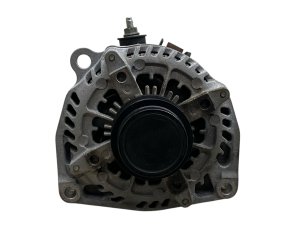


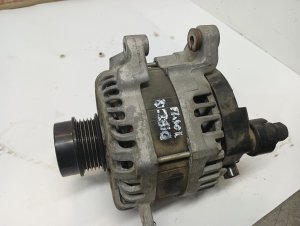
New Aftermarket Parts Available

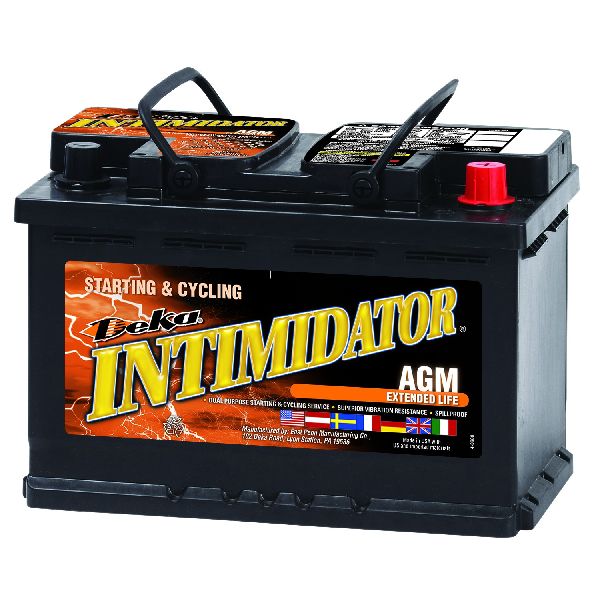

The information in this article is provided for general reference and educational purposes only. Vehicle specifications, procedures, and part compatibility can vary by production date, trim level, and region. Always consult your vehicle's factory service manual and verify part numbers before purchasing or performing repairs. Safety-critical components such as airbags, seat belts, and braking systems should be installed by a qualified professional.
- GMC Sierra 1500:
- 🎬 Helpful Videos
- 🛍️ Shop This Part
- What's Unique About the 2014-2019 GMC Sierra 1500
- Symptoms You May Notice
- Most Likely Causes
- Rare But Worth Checking
- Diagnosis Steps
- Parts You'll Likely Need
- Related Codes That Often Appear With This One
- Technical Service Bulletins (TSBs) & Recalls
- Platform-Specific Known Issues
- Mechanic-Grade Diagnostic Values
- Scan Tool Commands That Help
- Wiring & Ground Locations
- Real Owner Repair Stories
- Model Year Variations Within This Range
- Diagnostic Flowchart
- Other Known Issues on This Vehicle
- Used vs. New Parts: Buying Guide for This Vehicle
- Real Owner Stories
- 2014-2018 Silverado/Sierra K2XX
- Related OBD-II Codes
- Frequently Asked Questions
- 🎟️ Get 5% Off