

P0562 on 2015-2024 Ford Transit: System Voltage Low Causes and Fixes
P0562 on a Ford Transit most often means a failing alternator or a weak battery. Before replacing parts, check that the battery terminals are clean and tight. If you replace the battery, you must perform a BMS reset procedure for the new battery to charge correctly. Ignoring this reset is a very common reason for the code to return.
- P0562 on a Ford Transit points to a charging system problem, most commonly a bad alternator or a failing battery.
- Always test the battery and charging system voltage with a multimeter before buying parts.
- If you replace the battery, you MUST perform the BMS reset procedure (5x high beam flash, 3x brake press) for the charging system to work correctly with the new battery.
- Check all battery and ground connections for corrosion and tightness, as this is a simple and common cause of voltage problems.
What's Unique About the 2015-2024 Ford Transit

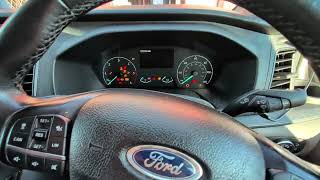
The 2015-2024 Ford Transit uses a PCM-controlled smart charging system that includes a Battery Management System (BMS). This system monitors the battery's health via a sensor on the negative battery terminal and adjusts the alternator's charging strategy accordingly. A critical aspect of this platform is that if the battery is replaced, the BMS must be reset. 🎬 Watch: How to DIY reset the Battery Monitoring System Failure to reset the BMS can cause the system to undercharge the new battery, believing it's still the old, degraded one, which can lead to a recurring P0562 code even with new parts. Furthermore, Ford's Body & Equipment Mounting Manual (BEMM) explicitly states that high electrical loads from upfits must be grounded directly to the vehicle body at an approved point, not the negative battery terminal, to avoid bypassing the BMS sensor and causing incorrect battery state-of-charge readings.
Generation note: The 2015-2024 year range covers the first North American generation of the Ford Transit (V363). This generation received a major facelift for the 2020 model year, which included new engine options (like the 3.5L PFDI V6 and a new 10-speed transmission) and updated electronics, but the fundamental smart charging system and BMS principles remain the same across all sub-models (150, 250, 350).
Symptoms You May Notice

- Check Engine Light is on
- Battery warning light is illuminated on the dashboard
- "Charging System Service Now" message on the instrument cluster
- Engine stalls, especially at idle
- Slow or difficult engine cranking
- Dimming headlights and interior lights
- Erratic behavior from electronic components like the radio, wipers, or instrument cluster
- Transmission may not shift properly
- Auto Start/Stop system becomes unavailable (if equipped)
- Replacing the battery but failing to perform the BMS reset, leading to the new battery being undercharged and the code returning.
- Replacing the alternator when the actual fault is a poor ground connection, a blown fuse, or a corroded battery cable, which are much cheaper to fix.
- Replacing the battery or alternator when the issue is a damaged wire in the alternator control circuit harness.
Most Likely Causes

- Failing Alternator 🔴 High Probability As a commercial vehicle, the Transit is often subjected to high electrical loads from factory equipment and aftermarket upfits (e.g., RV conversions, tool chargers), which can accelerate alternator wear. Different models are equipped with 150A, 210A, or even 250A alternators depending on the option package. A specific mechanical failure point can be the one-way overrun decoupler pulley.
How to confirm: With the engine running and electrical accessories on (headlights, blower fan), use a multimeter to measure the voltage across the battery terminals. A healthy charging system should read between 13.2V and 14.8V. If the voltage is low (e.g., below 12.8V), the alternator is likely faulty. You can also unplug the small 3-pin electrical connector on the alternator; this may force it into a default charging mode. If it starts charging at ~13.5-14.2V, the issue is in the control wiring; if it still doesn't charge, the alternator itself has failed.
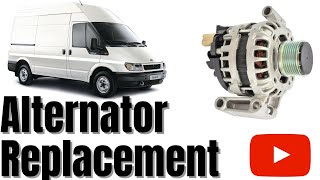
Typical fix: Replace the alternator. 🎬 See this step-by-step guide on replacing the Transit alternator Ensure the replacement matches the original amperage rating.
Est. part cost: $250-$600 - Weak or Defective Battery 🔴 High Probability Batteries have a finite lifespan of 3-5 years. The frequent start-stop cycles and potential for deep discharge in a work van environment can shorten this lifespan. The Transit typically uses a Group H7 (or 94R) AGM battery.
How to confirm: With the engine off, measure the battery's static voltage. A fully charged battery should read approximately 12.4V to 12.6V. A reading below 12.2V indicates a discharged or failing battery. The most reliable method is to have the battery load-tested at an auto parts store.
Typical fix: Replace the battery (with the correct type, e.g., AGM) and perform the BMS reset procedure immediately after.
Est. part cost: $150-$350 - Loose or Corroded Battery Terminals/Cables 🟡 Medium Probability Vibrations and exposure to the elements can cause battery connections to loosen or corrode over time, creating high resistance in the charging circuit. Pay special attention to the main chassis ground points and a 10mm nut on the earth battery connection under the driver's seat which is a known loose connection.
How to confirm: Visually inspect the battery terminals for white or greenish corrosion. Physically attempt to twist the terminal clamps; they should not move. Follow the main negative cable to where it bolts to the chassis and the engine block; ensure these connections are clean and tight. Check the 10mm nut on the ground connection post under the driver's seat.
Typical fix: Clean the battery posts and terminals with a wire brush and baking soda solution. If corrosion is severe, the terminal ends or entire battery cables may need replacement. Tighten any loose ground connections.
Est. part cost: $5-$150 - Battery Management System (BMS) Not Reset ⚪ Low Probability This occurs specifically after a battery has been replaced without following the correct procedure. Many owners and even some shops are unaware of this required step, leading to the new battery being chronically undercharged because the system still thinks the old, degraded battery is installed.
How to confirm: This is a primary suspect if the P0562 code appeared shortly after a new battery was installed. A forum user with a 2019 Transit reported this exact issue, where even a new battery and 'coding' didn't fix it until the BMS system itself was properly addressed.
Typical fix: Perform the BMS reset. The 2022 Ford Transit Owner's Manual specifies: Turn the ignition on (engine off). Within 10 seconds, flash the high beams five times, then press the brake pedal three times. The battery light on the dash should flash three times within a few seconds to confirm the reset was successful. Alternatively, use a scan tool like FORScan to run the "BdyCM Battery Monitoring System Reset" service function.
Est. part cost: $0
Rare But Worth Checking
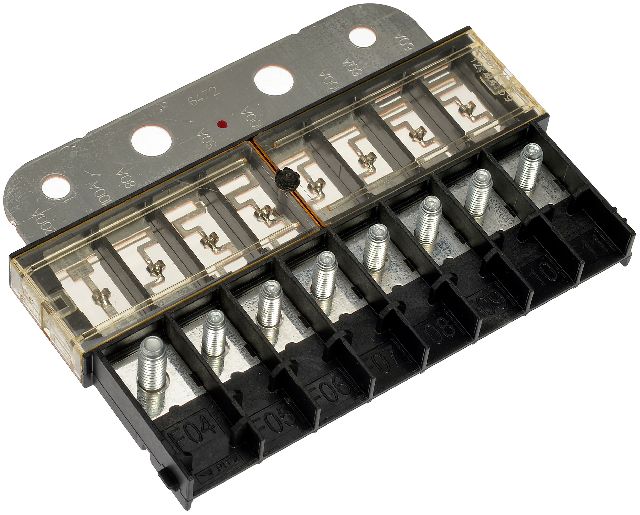
- Blown Fuse or Fusible Link: A main fuse related to the charging circuit can blow. On related platforms like the F-150, a known issue is the melting of fuse 27 in the under-hood Battery Junction Box (BJB), which can cause P0562 along with other problems. Inspect high-amperage fuses in the BJB and the pre-fuse box located under the driver's seat.
- Damaged Alternator Wiring: The small signal wire harness to the alternator can become damaged or corroded, preventing the PCM from controlling the alternator correctly. This is a known issue on Transit platforms. Inspect the 3-pin connector and wiring leading to the alternator. A replacement pigtail connector is available under part numbers like Motorcraft WPT-1331.
- Faulty Powertrain Control Module (PCM): This is extremely rare. The PCM itself can fail to read system voltage correctly or fail to command the alternator to charge. All other possibilities, especially wiring and grounds, should be exhausted before considering PCM replacement.
Diagnosis Steps

- Read all stored fault codes with an OBD-II scanner. Note any other codes that may be present, such as P0625 or P065B, which point more directly to the alternator control circuit.
- Visually inspect the battery terminals, positive and negative cables, and chassis ground points for looseness, corrosion, or damage. Clean and tighten as necessary. Pay special attention to the 10mm nut on the ground post under the driver's seat.
- With the engine off for at least an hour, measure the battery voltage with a multimeter. A reading of 12.4V-12.6V is healthy. Below 12.2V suggests a weak battery that needs charging and load testing.
- Start the engine and turn on electrical loads (headlights, fan on high, rear defrost). Measure the voltage at the battery terminals again. It should be between 13.2V and 14.8V.
- If voltage is low (e.g., <12.8V), the charging system is not working. If voltage is high (e.g., >15.0V), the voltage regulator (internal to the alternator) is likely faulty.
- If charging voltage is low, inspect the alternator's 3-pin connector and wiring for damage. A damaged pigtail is a common fault. If the wiring looks good, suspect the alternator. Confirm by unplugging the connector and re-testing voltage. If it now charges at a default rate (~13.5-14.2V), the problem is in the control circuit. If it still doesn't charge, the alternator is bad.
- If a new battery was recently installed, perform the BMS reset procedure: Ignition on (engine off), flash high beams 5 times, press brake pedal 3 times, and watch for the battery light to flash three times, confirming the reset.
- Perform voltage drop tests. With the engine running under load, measure the voltage between the alternator's main B+ post and the positive battery terminal. A reading over 0.2V indicates high resistance in the power cable. Do the same between the alternator casing and the negative battery terminal; over 0.2V indicates a bad ground connection.
- If all tests pass but the code persists, investigate for a parasitic drain that could be discharging the battery when the vehicle is off. Also consider the possibility of BCM data corruption, which can be resolved by reloading As-Built data with FORScan.
Parts You'll Likely Need
- Alternator
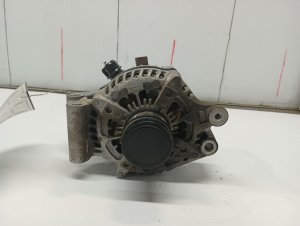
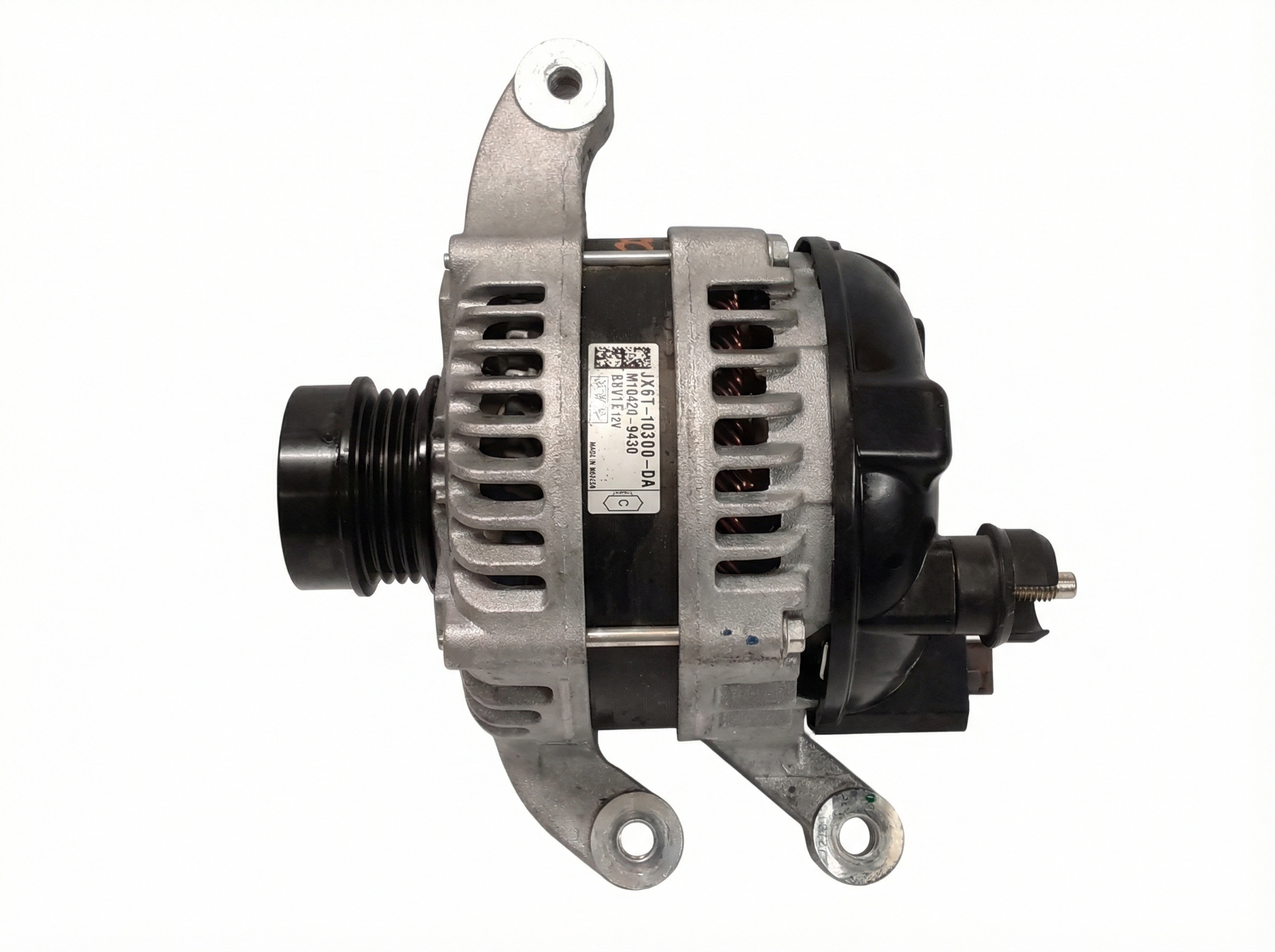
(OEM #Motorcraft GL-8761 (150A), GL-8762 (210A), GL-999 (250A) - Note: Part numbers vary by year and options, always verify with VIN.)— The alternator is responsible for generating the vehicle's electrical power while running and is a common failure item that directly causes low system voltage.
Trusted brands: Motorcraft, Bosch, Denso, Valeo
OEM price range: $400-$700
Aftermarket price range: $250-$500 - Battery
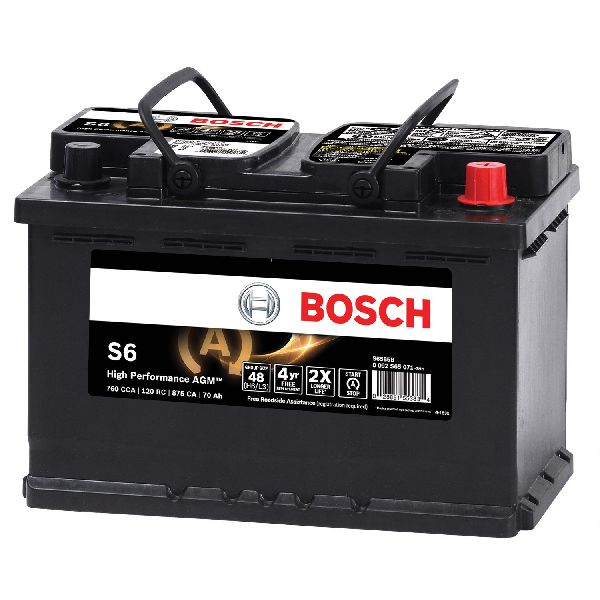
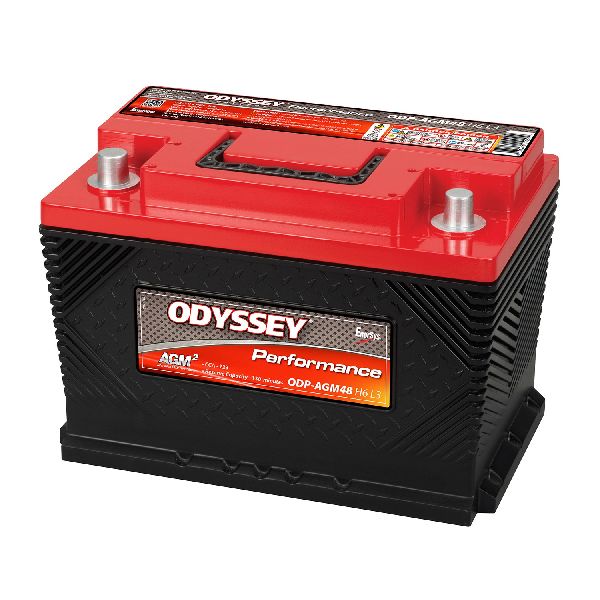
(OEM #Motorcraft BAGM-94RH7-800 (H7/94R AGM))— The battery stores electrical energy and smooths voltage. Its failure to hold a charge is a primary cause of P0562.
Trusted brands: Motorcraft, Interstate, Deka, Odyssey
OEM price range: $250-$400
Aftermarket price range: $150-$350 - Alternator Connector Pigtail
(OEM #Motorcraft WPT-1331)— The wiring and connector at the alternator are exposed to heat and vibration, making them a common failure point that interrupts the PCM's control over the alternator.
Trusted brands: Motorcraft, Dorman
OEM price range: $40-$70
Aftermarket price range: $20-$40
Related Codes That Often Appear With This One
- P0625 (Generator Field Terminal Circuit Low)
- P065B (Generator Control Circuit Range/Performance)
- U0109 (Lost Communication With Fuel Pump Control Module)
- U0140 (Lost Communication With Body Control Module)
Platform-Specific Known Issues
- Recall 17S34 was issued for 2015-2017 Transits where water could enter the trailer tow module, causing corrosion and electrical shorts. While not a direct cause of P0562, it points to a vulnerability in the vehicle's wiring to water intrusion that could cause various electrical faults.
Technical Service Bulletins (TSBs) & Recalls
- Bulletin #SSM 50151: A manufacturer service bulletin notes that low voltage DTCs like P0562 often occur at vehicle key-on and may be difficult to reproduce. It advises that if low voltage (less than 10V) is observed in the DTC snapshot, the 12V system should be diagnosed before replacing major modules.
Mechanic-Grade Diagnostic Values
- Voltage Drop: Alternator B+ Post to Positive Battery Terminal — expected: < 0.2 Volts (engine running, loads on). Failure: > 0.2 Volts indicates high resistance in the main power cable.
- Voltage Drop: Alternator Casing to Negative Battery Terminal — expected: < 0.2 Volts (engine running, loads on). Failure: > 0.2 Volts indicates a high-resistance ground connection.
- AC Leakage Test at Alternator B+ Post — expected: < 0.5 Volts AC (using an RMS multimeter). Failure: > 0.5 Volts AC indicates faulty diodes in the alternator's rectifier.
- LIN Bus Signal Wire Voltage (at disconnected alternator connector) — expected: ~10 Volts DC (Key On, Engine Off). Failure: No voltage suggests a wiring or PCM issue.
- LIN Bus Signal Waveform (Oscilloscope) — expected: A repeating pattern of data packets (square waves) between ~0V and battery voltage.. Failure: A flat line indicates no communication. An irregular or noisy pattern can indicate a faulty alternator or external interference.
Scan Tool Commands That Help
- FORScan: BdyCM Battery Monitoring System Reset — This service function MUST be run immediately after replacing the vehicle's battery to clear learned data and allow the system to adapt to the new battery's characteristics. Failure to do so will result in improper charging and a likely return of P0562.
- FORScan: BCM Module Configuration (As-Built format) — Used to change battery parameters like type (Flooded vs. AGM) and capacity (Ah). This is necessary if upgrading the battery. It can also be used to reload the original vehicle configuration to fix issues caused by data corruption, which can manifest as multiple, seemingly unrelated electrical faults.
- Ford IDS / FDRS: Programmable Module Installation (PMI) — This is the dealer-level procedure used when replacing a BCM or PCM. It saves the configuration data from the old module and writes it to the new one, ensuring all vehicle options and security keys are correctly configured.
Wiring & Ground Locations
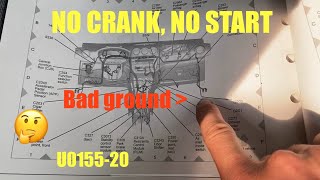
- Main Chassis Ground (under seat) — Under the driver's seat, there is a dedicated ground post. A 10mm nut on this post is a known point of failure for becoming loose.. This is a critical ground connection for the vehicle's electrical system. A loose connection here creates high resistance, causing voltage drops and charging system warnings.
- BEMM Approved Ground Point (Cab Floor) — The Ford Body & Equipment Mounting Manual (BEMM) indicates an approved grounding point in the center of the cab floor, under the seats. This may be under the rubber floor covering.. This is the Ford-mandated location for grounding high-load aftermarket accessories. Using this point prevents bypassing the BMS sensor on the negative battery terminal, which would cause incorrect state-of-charge readings and charging faults.
- Alternator 3-Pin Connector — A small 3-wire connector directly on the alternator body.. This connector carries the LIN bus communication signal from the PCM that controls the alternator's output. The wiring harness/pigtail at this location is prone to heat and vibration damage, causing a loss of control and a P0562 code, even if the alternator itself is functional.
- Jump-Start Negative Ground Point — The owner's manual specifies a dedicated ground post in the engine bay for jump-starting. If this post is missing or damaged, the engine lifting eye is a reliable alternative ground point.. Using the correct ground point is essential for safety and preventing damage to the BMS. Connecting a jump starter or charger directly to the negative battery terminal can confuse the BMS sensor.
Documented NHTSA Reports
- NHTSA ODI #11675193: An owner reported instances while driving where P0562 (Charging system voltage low) was stored alongside codes for the transmission being stuck in park.
- NHTSA ODI #11660087: A report describes P0562:00-AF (System Voltage Low) appearing on an AWD module, which was associated with other driveline control module circuit faults.
Real Owner Repair Stories
- Ford Transit Forum user 'grantm' (2019 Ford Transit Custom) — Random "Charging System Service Now" message on the dashboard.
❌ Tried (didn't work) Initial diagnosis was pointing towards complex electrical issues.
✅ What actually fixed it The user found a 10mm nut on the earth battery connection post under the driver's seat was slightly loose. Tightening this nut fully resolved the warning message permanently. - Ford Transit Forum user 'Smokedog' (Ford Transit Connect (similar smart charge system)) — Red battery light came on, but voltage tests seemed fine (12.7V off, 14.4V at idle).
❌ Tried (didn't work) Battery and alternator tested good based on voltage readings.
✅ What actually fixed it Upon close inspection of the small 3-pin plug on the alternator, the user found damaged (chafed/broken) red and green wires. The root cause was a faulty wiring pigtail, not the major components. - Ford Transit Forum user 'V8dave' (2011 Ford Transit Minibus) — After prolonged non-use, multiple electrical failures occurred simultaneously: wipers, headlights, and interior lights stopped working. FORScan showed multiple BCM-related DTCs for relay coil circuits.
❌ Tried (didn't work) Checked every fuse in all fuse boxes (all were good)., Tested all accessible relays (all were good)., Removed and inspected the BCM for water damage or bad solder joints (none found).
✅ What actually fixed it The issue was identified by another user as classic symptoms of a failing primary battery causing low voltage, which leads to data corruption and erroneous faults in the BCM. The fix was to replace the weak battery and, if necessary, reload the BCM's 'As-Built' data using FORScan to clear the corrupted fault logic.
"I Checked Everything" — The Actual Cause
- A common scenario is when the battery and alternator both pass standard voltage and load tests, yet the P0562 code or 'Charging System Service Now' warning persists. The actual cause is often a high-resistance connection in a ground wire (like the loose nut under the driver's seat) or damage to the thin signal wires in the alternator's 3-pin connector pigtail. These issues won't be found with a smoke test and require targeted voltage drop tests or close visual inspection of specific harnesses.
- Another case is when the BCM reports multiple internal relay faults (for lights, wipers, etc.) and appears to have failed. However, the root cause is not the BCM hardware, but corrupted software caused by a previous or intermittent low-voltage condition from a weak battery. The fix is not to replace the BCM, but to correct the underlying voltage issue and then reload the BCM's 'As-Built' data using a tool like FORScan.
Model Year Variations Within This Range
- 2020-2024: The 2020 model year facelift introduced a new standard 3.5L PFDI V6 engine and a 10-speed automatic transmission. While the smart charging principles are the same, part numbers for alternators and the physical routing of some harnesses may differ from the 2015-2019 models. Always verify parts with the vehicle's VIN.
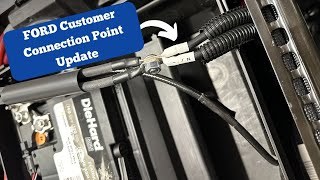
- 2015-2024 (All): The vehicle may be equipped with single or dual batteries, and alternators with different amperage ratings (150A, 210A, 250A). The diagnostic and repair principles are the same, but the battery replacement procedure and charging capacity differ. The presence of Customer Connection Points (CCP1, CCP2) for upfitter use is also an option that affects wiring diagnosis.
Diagnostic Flowchart
Used vs. New Parts: Buying Guide for This Vehicle
When a used part is the smart pick: For this repair, obtaining a used OEM alternator from a low-mileage wrecked vehicle can be a cost-effective and reliable option, often preferable to a low-quality new aftermarket unit. Wiring harnesses, connectors, and ground cables are also excellent candidates for used parts as they are not wear items.
Donor-vehicle mileage cap: roughly under 60000 miles for the part to have meaningful remaining life.
What to inspect on the donor part:
- For an alternator, check for a clean housing with no signs of excessive corrosion or oil saturation.
- Spin the pulley by hand; it should be smooth with no grinding noises. Check for any wobble in the pulley, which could indicate a bad bearing or decoupler.
- For wiring, ensure connectors are not cracked or brittle, and look for any signs of previous repairs (e.g., splices, electrical tape).
OEM-only on this vehicle (don't cheap out):
- Battery Management System (BMS) Sensor: This part is calibrated to the system. While a used one might work, a new OEM part is highly recommended to ensure accurate battery monitoring.
- Body Control Module (BCM): A used BCM is very difficult to use as it is programmed to the original vehicle's VIN and security system. It would require specialist tools to clone the original data or reprogram from scratch, often costing more in labor than a new part.
Aftermarket brands forum-validated for this vehicle:
- Alternators: Bosch, Denso, Valeo (often the OEM supplier), Motorcraft (OEM).
- Batteries: Interstate, Deka, Odyssey (for high-performance AGM).
Brands owners have reported issues with on this vehicle:
- Avoid unbranded, 'white-box' alternators from online marketplaces. While cheap, they have a high failure rate and often do not meet the amperage or control specifications of the Ford smart charge system, causing recurring issues.
Real Owner Stories
Aggregated from forums and TSBs cited above. Mileages and costs reflect what owners reported in those sources.
2019 Transit
Symptoms: The Auto Start/Stop system was not working and a P0562 code was present, even after installing a new AGM battery and having it 'coded in'.
What fixed it: The root cause was the Battery Management System (BMS) not being properly addressed or reset after the new battery was installed.
Source hint: Ford Transit Forum - 'Start/stop still not working despite new battery on Mk8'
2013 F-150
Symptoms: A random P0562 code would appear despite both a multimeter and a scan tool showing that the system voltage was normal.
What fixed it: The owner suspected the cause was a corroded generator monitor circuit wire, leading to an erroneous voltage reading by the PCM.
Source hint: Ford Truck Enthusiasts Forum - 'System voltage low when it really isn't P0562'
2013 F-150
Symptoms: The vehicle initially showed a P0562 code, which eventually progressed to a no-start condition and was accompanied by numerous other communication codes.
What fixed it: The diagnosis pointed towards a more complex wiring harness or Powertrain Control Module (PCM) issue as the root cause, not a simple component failure.
Source hint: Ford Truck Enthusiasts Forum - 'Battery Light - P0562 - PCM Issue?'
Related OBD-II Codes
Frequently Asked Questions
I just replaced the battery in my Transit and now I have a P0562 code. What did I do wrong?
How do I reset the Battery Management System (BMS) on my Transit without a scan tool?
My battery and alternator tested good. What's a common, Transit-specific place to check for a bad connection?
What kind of battery does my 2015-2024 Ford Transit need?
Is there a recall for electrical issues on my 2015-2017 Transit that could be related?
How can I quickly test if my Transit's alternator has failed versus a wiring problem?
Helpful Videos
![Avoid Expensive Shop Repairs: DIY Reset the Ford Vehicle Battery Monitoring System [BMS]](https://img.youtube.com/vi/QTtb7rKaZTE/mqdefault.jpg)
Used OEM Parts in Stock




New Aftermarket Parts Available



The information in this article is provided for general reference and educational purposes only. Vehicle specifications, procedures, and part compatibility can vary by production date, trim level, and region. Always consult your vehicle's factory service manual and verify part numbers before purchasing or performing repairs. Safety-critical components such as airbags, seat belts, and braking systems should be installed by a qualified professional.
- Ford Transit:
- 🎬 Helpful Videos
- 🛍️ Shop This Part
- What's Unique About the 2015-2024 Ford Transit
- Symptoms You May Notice
- Most Likely Causes
- Rare But Worth Checking
- Diagnosis Steps
- Parts You'll Likely Need
- Related Codes That Often Appear With This One
- Platform-Specific Known Issues
- Technical Service Bulletins (TSBs) & Recalls
- Mechanic-Grade Diagnostic Values
- Scan Tool Commands That Help
- Wiring & Ground Locations
- Documented NHTSA Reports
- Real Owner Repair Stories
- "I Checked Everything" — The Actual Cause
- Model Year Variations Within This Range
- Diagnostic Flowchart
- Used vs. New Parts: Buying Guide for This Vehicle
- Real Owner Stories
- 2019 Transit
- 2013 F-150
- 2013 F-150
- Related OBD-II Codes
- Frequently Asked Questions
- 🎟️ Get 5% Off