

P0562 on 2019-2023 Ford Ranger: System Voltage Low Causes and Fixes
On a 2019-2023 Ford Ranger, P0562 most often means a failing battery or alternator. The alternator is known to be vulnerable to water and mud. Always test both components before replacing parts and be sure to reset the Battery Management System (BMS) after installing a new battery, preferably with a scan tool like FORScan, as the manual reset is not always effective.
- P0562 on your Ranger means the electrical system voltage is too low, most likely due to a bad battery or alternator.
- Before replacing any parts, test both the battery and alternator. Also, check and clean the battery terminals and ground connections.
- If you off-road your Ranger, be mindful that the low-mounted alternator is a known weak point when exposed to deep water or mud.
- If you replace the battery, you MUST perform the BMS reset procedure to ensure the charging system works correctly with the new battery.
What's Unique About the 2019-2023 Ford Ranger

The 2019-2023 Ford Ranger has two key quirks related to this code. First, the alternator is mounted relatively low on the 2.3L EcoBoost engine, making it vulnerable to premature failure from water and mud ingress during off-roading or deep water crossings. Ford has acknowledged this by issuing a TSB for an improved alternator shield on the related Bronco platform. Second, these trucks use a sophisticated Battery Management System (BMS) that monitors battery health (SoH) and state of charge (SoC) to control the alternator's output for fuel economy purposes. The alternator is controlled by the PCM via a single-wire LIN (Local Interconnect Network) bus. This system must be reset after a battery replacement to prevent incorrect charging, which can trigger a false P0562 code and lead to premature failure of the new battery.
Symptoms You May Notice
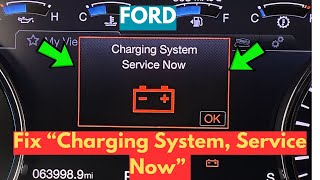
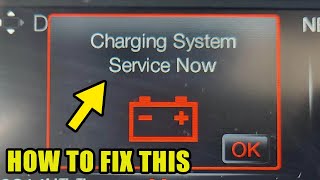
- Check Engine Light and/or a red battery warning light on the dashboard. 🎬 Watch: Troubleshooting the 'Charging System Service Now' warning light.
- "Service Charging System Now" or "Charging System Service Soon" message in the instrument panel.
- Engine has difficulty starting, cranks slowly, or does not start at all.
- Dimming or flickering headlights and interior lights.
- Engine stalling, especially at idle.
- Automatic Start/Stop system is disabled with a message like "Vehicle Charging".
- Erratic operation of electrical components like the radio or power windows.
- The infotainment screen may shut off with a "System Off To Save Battery" message as a final warning before the vehicle dies.
- Vehicle enters "Deep Sleep Mode" frequently to conserve battery, disabling remote features via the FordPass app.
- Replacing the battery without testing the alternator's output under load.
- Replacing the alternator when the actual problem is a simple loose or corroded battery terminal or a blown high-amperage fuse.
- Replacing the battery without performing the required Battery Management System (BMS) reset, leading to continued charging issues and a quick return of the P0562 code.
- Mistaking a BMS-induced low charging state for a faulty alternator. The BMS may intentionally lower charge voltage based on incorrect battery health data.
Most Likely Causes

- Failing or Weak Battery 🔴 High Probability Owner forums are replete with reports of premature battery failures and issues with the truck entering a "Deep Sleep" mode to conserve power, indicating weakness in the factory-installed batteries. The complex BMS can also shorten battery life if not managed correctly.
How to confirm: Test the battery with a multimeter. A healthy, fully charged AGM battery should read approximately 12.6-12.8 volts with the engine off. A reading of 12.2-12.3V is only about 50% charged. A professional load test at an auto parts store is the definitive way to check its ability to hold a charge under load.
Typical fix: Replace the battery with a new AGM battery of the same type and size. After replacement, the Battery Management System (BMS) must be reset using a scan tool like FORScan or the dealer's FDRS tool for best results.
Est. part cost: $200-$400 - Failing Alternator 🔴 High Probability The alternator is mounted low on the passenger side of the engine, making it highly susceptible to damage from water, sand, and mud. This is a well-documented failure point for owners who take their Ranger or platform-mate Bronco off-road. The internal voltage regulator is often the point of failure.
How to confirm: With the engine running, test the voltage at the battery terminals. A healthy alternator should output between 13.5 and 14.7 volts, but this can vary based on the BMS command. Turn on all accessories (headlights, A/C, radio) and check if the voltage remains stable or increases. A significant drop or a reading that stays near battery voltage (e.g., 12.5V) indicates a failing alternator.
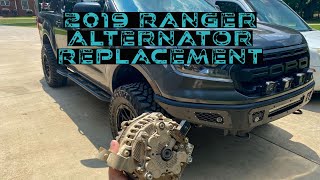
Typical fix: Replace the alternator and serpentine belt. 🎬 Watch this step-by-step guide on how to replace the alternator. Consider installing the improved alternator shield (Part No. MB3Z-10317-K) developed for the Bronco to provide better protection.
Est. part cost: $400-$700 - Loose or Corroded Battery Terminals/Cables 🟡 Medium Probability A Ranger5G.com forum user reported P0562 appearing after a repair where the alternator was removed; the issue was suspected to be a damaged or improperly reinstalled cable.
How to confirm: Visually inspect the battery terminals for white or greenish corrosion. Check that both the positive and negative cable clamps are tight and cannot be moved by hand. Inspect the large 225-300 amp fuse on the positive terminal buss bar for damage or signs of heat.
Typical fix: Disconnect the battery (negative first) and clean the terminals and clamps with a wire brush and a baking soda/water solution. Replace any damaged fuses or cable ends. Reconnect securely (positive first).
Est. part cost: $5-$50 - Poor Ground Connection ⚪ Low Probability
How to confirm: Inspect the main ground strap from the battery's negative terminal to the chassis and the engine block. Ensure the connections are clean, free of corrosion, and tight. Per the Ford BEMM, ground point connections should be torqued to 12 Nm. A poor ground can cause a variety of electrical issues, including incorrect voltage readings.
Typical fix: Clean the contact points with a wire brush and re-secure the ground strap. Replace the strap if it is frayed or corroded.
Est. part cost: $15-$40
Rare But Worth Checking
- Parasitic Battery Drain: Some owners report batteries dying after the truck sits for several days. This can be caused by an aftermarket accessory (like a dash cam or OBD-II adapter) or a faulty module that doesn't shut down properly. Attaching accessories directly to the battery negative terminal instead of a chassis ground can bypass the BMS current sensor, leading to an inaccurate State of Charge reading and improper charging.
- Incorrect Battery Replacement Procedure: If the battery is replaced but the Battery Management System (BMS) is not reset, the system may not charge the new battery correctly, leading to a repeat P0562 code and premature battery failure. The manual reset (high beams/brake pedal) is not supported on all models and can be unreliable; using a tool like FORScan is the recommended method.
- Faulty BMS Sensor or Wiring: The BMS relies on a sensor on the negative battery terminal to measure current. If this sensor or its associated LIN bus wiring is damaged, the PCM receives incorrect data, leading to a default charging voltage (around 13.5V) and potential error codes.
Diagnosis Steps

- Read the codes with an OBD-II scanner (like FORScan for Fords) and note any other codes present, especially LIN bus or BMS-related codes.
- Visually inspect the battery terminals for corrosion and ensure they are tight. Check the high-amperage fuse block on the positive terminal.
- Inspect the main chassis and engine ground straps for tightness and corrosion.
- With the engine off, measure the battery voltage using a multimeter. A reading below 12.4V suggests a discharged or weak battery. Get the battery professionally load tested.
- Start the engine. Measure the voltage at the battery terminals. It should be between 13.5V and 14.7V, but note that the BMS can command lower voltage. If it's near the battery's resting voltage or below 13.0V, the alternator is likely faulty or not being commanded to charge.
- With the engine still running, turn on all major electrical accessories (high beams, A/C, etc.). The voltage should not drop significantly. If it does, the alternator is failing under load.
- If a new battery is installed, perform the BMS reset procedure. The most reliable method is with a diagnostic tool like FORScan or the Ford dealer's FDRS. The manual method (ignition on, flash high beams 5 times, press brake 3 times) may work, confirmed by a flashing battery light, but is not guaranteed. 🎬 See how to perform the manual BMS reset without tools.
- If the alternator and battery test good, investigate for a parasitic drain or a fault in the alternator's single-wire LIN control circuit or the BMS sensor wiring.
Parts You'll Likely Need
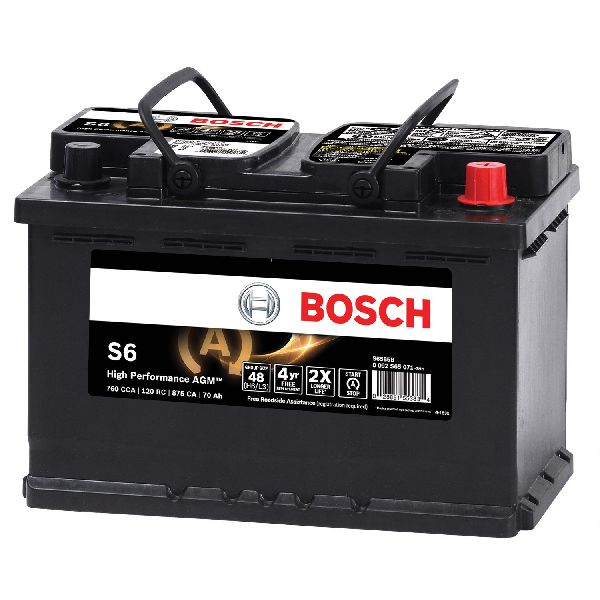
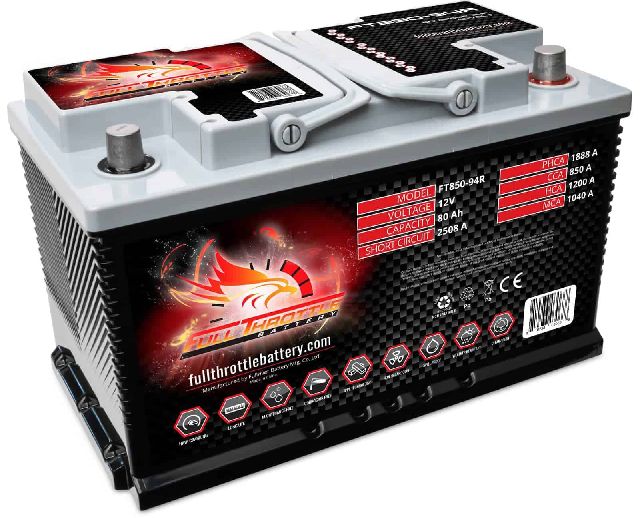
- AGM Battery
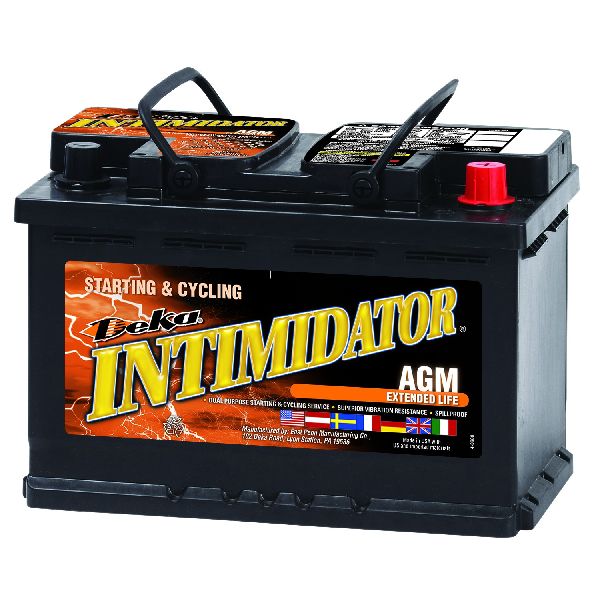
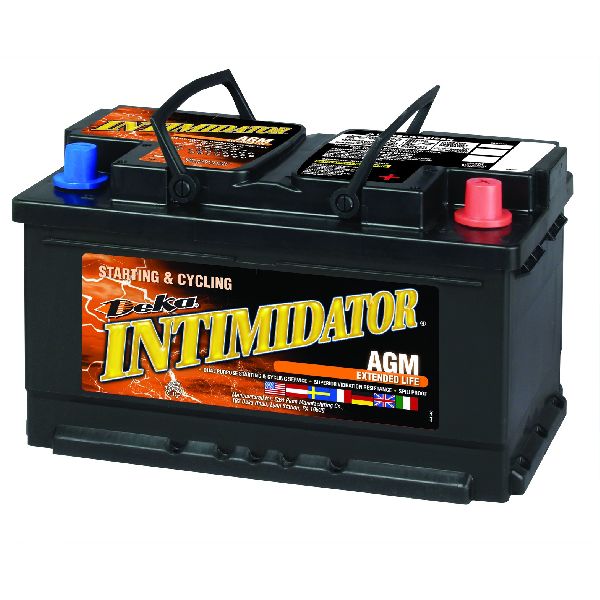
(OEM #BAGM-94RH7-800)— The original battery is often the first component to fail, causing low system voltage. The 2.3L EcoBoost with Auto Start-Stop requires an AGM (Absorbent Glass Mat) type battery.
Trusted brands: Motorcraft, Interstate, DieHard, Duralast
OEM price range: $250-$350
Aftermarket price range: $200-$300 - Alternator
(OEM #G2GZ-10346-H)— The alternator recharges the battery and powers the truck when running. It's a common failure point, especially if the truck has been used off-road in wet or muddy conditions.
Trusted brands: Motorcraft, Bosch, Denso
OEM price range: $400-$600
Aftermarket price range: $250-$450
Related Codes That Often Appear With This One
- B11D9:09 - A code that may accompany a 'System Off To Save Battery' message, sometimes addressed by a BCM software update per TSBs on related platforms.
- B1086 - A generic LIN bus failure code that can appear with P0562, pointing towards an issue with a component on the network, such as the alternator or BMS sensor.
- P0625 - Generator Field 'F' Terminal Circuit Low, indicating a problem in the alternator's control circuit.
Technical Service Bulletins (TSBs) & Recalls
- While no TSB is directly for P0562 on the Ranger, TSB 22-2392 for the Ford Bronco (which shares the 2.3L engine) recommends an improved alternator shield (MB3Z-10317-K) to protect against water/mud intrusion, directly addressing a primary cause of failure.
- TSB 24-2442 for F-150s mentions that an erroneous calculation of battery SOC by the BMS can cause charging system warnings and DTCs, requiring a BCM software update. This highlights the sensitivity of the BMS system.
- Manufacturer TSB Bulletin #SSM 50151 notes that low voltage DTCs like P0562 often occur at vehicle key-on and may be difficult to reproduce; it advises that if low voltage (less than 10V) is observed in the DTC snapshot, the 12V system should be diagnosed first.
Platform-Specific Known Issues
- The alternator's low mounting position makes it highly susceptible to failure from water and mud contamination. Owners who frequently off-road should be aware of this vulnerability and consider installing the upgraded alternator shield (MB3Z-10317-K) from the Bronco TSB.
- Failure to reset the Battery Management System (BMS) after battery replacement is a common oversight that can lead to improper charging of the new battery and a return of electrical problems. Using FORScan is the preferred method.
- Frequent "Deep Sleep Mode" notifications are a strong early indicator of a failing battery, even if it still starts the truck.
- On related Ford platforms, NHTSA ODI #11660087 describes P0562:00-AF (System Voltage Low) appearing on the AWD module, which in that instance appeared to be an AWD module failure.
Mechanic-Grade Diagnostic Values
- FORScan PID: GENFDC% (Generator Field Duty Cycle) — expected: Varies based on load and battery state of charge. A higher percentage commands higher alternator output. Can be 0% when no output change is commanded.. Failure: PID does not respond to changes in electrical load, or does not mirror the GEN_MON PID during a wiring short test.
- FORScan PID: GENMON (Generator Monitor) — expected: A feedback signal from the alternator to the PCM indicating how hard it's working.. Failure: Signal is absent or does not correlate with GENFDC% commands.
- Alternator LIN Bus Voltage (at alternator connector, disconnected, Key-Off) — expected: Greater than or equal to 7.5 volts on the center pin of the alternator itself.. Failure: Voltage is less than 7.5V, indicating a faulty internal regulator, assuming power and ground to the alternator are good.
- Alternator LIN Bus Voltage (at harness connector, disconnected, Key-On) — expected: Should be near battery voltage on the LIN bus wire from the PCM.. Failure: Voltage is low or 0V, indicating a short to ground or an open in the wiring between the PCM and the alternator.
- Charging System Voltage Drop (Positive Side) — expected: Less than 0.2 volts.. Failure: Voltage drop exceeds 0.2V, indicating high resistance in the B+ cable or connections between the alternator and battery.
- Charging System Voltage Drop (Ground Side) — expected: Less than 0.2 volts.. Failure: Voltage drop exceeds 0.2V, indicating a poor ground connection for the alternator case or engine block.
Hidden / Shadow Codes Worth Checking
- B1086: LIN Bus 'A' Fault. This code directly points to a communication problem on the network that the PCM uses to control the alternator. Its presence with P0562 strongly suggests a wiring or alternator regulator communication issue, not just a simple battery failure. (see via FORScan or a dealer-level scan tool.)
- P0625 / P0626: Generator Field Control Circuit Low/High. These codes can be set as a side effect of the BMS having incorrect State of Health (SOH) data, leading to improper charging commands, rather than an actual alternator fault. (see via Standard OBD-II scanner, but context requires a tool like FORScan to see BMS data.)
Scan Tool Commands That Help

- FORScan / Ford IDS: BMS Reset / Battery Monitoring System Reset — This service function MUST be performed after every battery replacement. It clears the old battery's learned parameters (like age and internal resistance) and allows the system to correctly charge the new battery. Failure to do so is a common cause of P0562 returning.
- FORScan / Ford IDS: LIN Bus Wiring Integrity Test — To test the LIN bus wiring between the PCM and alternator without a lab scope. Disconnect the alternator connector, short the GENCOM and GENMON pins together at the harness connector, start the engine, and monitor the GEN_MON and GENFDC% PIDs. If they mirror each other, the wiring is confirmed good.
Wiring & Ground Locations

- Alternator Connector (C134) — On the back of the alternator, located low on the passenger side of the 2.3L engine.. This connector contains the single LIN bus wire that the PCM uses to command the alternator. Damage to this wire or connector is a specific, mechanic-level cause for P0562 that is often missed.
- Main Ground Points (e.g., G103, G104) — Common locations for Ford engine bay grounds are on the inner fender aprons, near the battery, and on the radiator support. A specific ground point for accessories is noted behind the A-Pillar kick panel.. High resistance at a main ground point can cause a system-wide voltage drop and trigger P0562. The Ford BEMM specifies a torque of 12 Nm for these connections.
- Battery Mounted Fuse Block — On top of the positive battery terminal.. This block contains the main high-current fuses (e.g., 225A-300A) that protect the alternator circuit. A partially blown or high-resistance fuse here can restrict current flow from the alternator, causing low system voltage under load.
Real Owner Repair Stories
- Ranger5G.com Forum User (2019 Ford Ranger 2.0 Bi-Turbo (International model, but charging system is analogous)) — Intermittent 'Charging System Service Now' light, P0562, and B1086 (LIN Bus Fault) after the truck was at a shop for a timing cover repair.
❌ Tried (didn't work) Replacing the battery and resetting the BMS., Replacing the 300A main fuse.
✅ What actually fixed it The diagnosis concluded the issue was caused by the shop damaging or failing to reconnect the single-wire LIN bus connector (C136 in the post, C134 is common) at the alternator during the prior repair. The combination of P0562 and a LIN bus code (B1086) was the key clue that it was a communication issue, not a faulty alternator. - NHTSA ODI #11675193 — An owner reported two instances while driving where stored codes included P0562 (Charging system voltage low) and P07E6 (Stuck in Park), suggesting that low system voltage can trigger cascading drivetrain faults.
"I Checked Everything" — The Actual Cause
- This is an electrical code, so a smoke test is not applicable. However, a similar pattern exists: a bench test of the alternator may show it is 'good', and the battery may be new, yet the code persists. The actual cause is often a break or short in the single LIN bus communication wire between the PCM and the alternator, which prevents the PCM from commanding the alternator to charge. The alternator itself is functional but is never told what to do.
OEM Part Supersession History
DG1Z-10346-D, FJ7Z-10346-B, G2GZ-10346-B→G2GZ-10346-H— Standard part evolution and revision by the manufacturer.
Diagnostic Flowchart
Other Known Issues on This Vehicle
Issues unrelated to this code that are worth knowing about as an owner of this generation:
- 10R80 Transmission Harsh/Erratic Shifting 🔴 High — Common complaint across many owners, can occur at any mileage. Subject of multiple TSBs and a class-action lawsuit. (Ref: TSB 24-2046 (supersedes previous versions) addresses harsh/delayed shifts via valve body inspection/repair or transmission replacement.)
- Driveline Shudder/Vibration From Stop 🟠 Medium — A noticeable shudder or vibration when accelerating from a complete stop, reported by a significant number of owners. (Ref: TSB 23-2078 addresses this by adjusting the rear axle pinion angle with a shim kit (Part No. KB3Z-4C088-B).)
- Frame Wax Coating Peeling / Premature Rust 🟠 Medium — Reported in certain regions, especially where road salt is used. The protective wax coating on the frame can peel, exposing the metal to corrosion. (Ref: While a GM TSB (19-NA-255) details the issue extensively for their trucks, Ford has a similar problem but TSBs are less centralized. Customer Satisfaction Program 21B04 was issued for potential frame cracks on some Super Duty chassis, but not a general rust TSB for Ranger.)
- Infotainment System Glitches (SYNC 3) 🟡 Low — Intermittent issues like black screens, unresponsiveness, or connectivity problems are commonly reported. Often resolved by software updates or system resets. (Ref: Multiple software updates and TSBs like SSM 52410 have been released to address various SYNC 3 bugs.)
Used vs. New Parts: Buying Guide for This Vehicle
When a used part is the smart pick: A used OEM alternator from a low-mileage, accident-damaged vehicle can be a cost-effective option, as they are generally reliable if not subjected to physical damage or contamination.
Donor-vehicle mileage cap: roughly under 50000 miles for the part to have meaningful remaining life.
What to inspect on the donor part:
- Check the donor vehicle's mileage and history if possible.
- Inspect the alternator pulley for smooth rotation and no bearing noise or roughness.
- Examine the case for cracks or heavy corrosion.
- Ensure the electrical connectors and the main B+ stud are not damaged or stripped.
OEM-only on this vehicle (don't cheap out):
- BMS Sensor: Due to its critical role in the charging strategy and communication with the PCM/BCM, using a genuine Motorcraft BMS sensor is highly recommended to avoid compatibility and performance issues.
Aftermarket brands forum-validated for this vehicle:
- Bosch (often an OEM supplier)
- Denso (often an OEM supplier)
- Motorcraft (OEM)
Brands owners have reported issues with on this vehicle:
- Avoid unbranded, 'white-box' alternators from online marketplaces. While cheaper, they have a high failure rate and may not communicate correctly with the Ford smart charging system.
Real Owner Stories
Aggregated from forums and TSBs cited above. Mileages and costs reflect what owners reported in those sources.
2019-2023 Ford Ranger 2.3L EcoBoost
Symptoms: P0562 appeared along with a 'Battery Service now' message, an orange spanner icon, and a 4x4 light immediately after a repair where the alternator had been removed.
What fixed it: Investigation into potential wiring damage or improper reinstallation of the alternator cables during the previous service.
Source hint: Ranger5G.com: A thread titled "Battery Service now P0562 plus orange spanner with 4x4 light"
2020 Ford Ranger 2.3L EcoBoost
Symptoms: Vehicle enters 'Deep Sleep' every day; persistent low-power warnings that the dealer initially failed to diagnose correctly.
What fixed it: Replacement of the failing factory battery.
Source hint: Reddit (r/fordranger): A thread titled "2020 Ranger goes to Deep Sleep every day, and Ford can't stop it"
2021-2024 Ford Bronco 2.3L EcoBoost
Symptoms: Alternator failure and voltage regulator issues after exposure to water and mud during off-road use.
What fixed it: Replacement of the alternator and installation of an improved alternator shield (MB3Z-10317-K).
Source hint: Bronco6G.com: "Bad Alternator / Voltage Regulator" and TSB 22-2392
Related OBD-II Codes
Frequently Asked Questions
My 2020 Ranger keeps entering 'Deep Sleep Mode' and disabling FordPass features. Is this related to P0562?
I just replaced my battery but the charging system light is still on. Did I miss a step?
Is there a specific part to protect my alternator from mud and water damage?
What should the voltage reading be on my Ranger's AGM battery when the engine is off?
Can a software issue cause charging system warnings on my Ford truck?
Helpful Videos
Used OEM Parts in Stock

New Aftermarket Parts Available


The information in this article is provided for general reference and educational purposes only. Vehicle specifications, procedures, and part compatibility can vary by production date, trim level, and region. Always consult your vehicle's factory service manual and verify part numbers before purchasing or performing repairs. Safety-critical components such as airbags, seat belts, and braking systems should be installed by a qualified professional.
- Ford Ranger:
- 🎬 Helpful Videos
- 🛍️ Shop This Part
- What's Unique About the 2019-2023 Ford Ranger
- Symptoms You May Notice
- Most Likely Causes
- Rare But Worth Checking
- Diagnosis Steps
- Parts You'll Likely Need
- Related Codes That Often Appear With This One
- Technical Service Bulletins (TSBs) & Recalls
- Platform-Specific Known Issues
- Mechanic-Grade Diagnostic Values
- Hidden / Shadow Codes Worth Checking
- Scan Tool Commands That Help
- Wiring & Ground Locations
- Real Owner Repair Stories
- "I Checked Everything" — The Actual Cause
- OEM Part Supersession History
- Diagnostic Flowchart
- Other Known Issues on This Vehicle
- Used vs. New Parts: Buying Guide for This Vehicle
- Real Owner Stories
- 2019-2023 Ford Ranger 2.3L EcoBoost
- 2020 Ford Ranger 2.3L EcoBoost
- 2021-2024 Ford Bronco 2.3L EcoBoost
- Related OBD-II Codes
- Frequently Asked Questions
- 🎟️ Get 5% Off