

P0562 on 2013-2020 Ford Fusion Hybrid: Low Voltage Causes and Fixes
P0562 on a Ford Fusion Hybrid most often indicates a failing 12-volt battery, which is a very common issue on this platform. If the battery is healthy, the next most likely cause is a faulty DC-DC converter, which acts as the alternator. Expect to pay $150-$250 for a replacement 12V AGM battery. In some cases, a parasitic draw from the Telematics Control Unit (TCU) can also be the culprit.
- P0562 on a Fusion Hybrid almost always points to a problem with the 12-volt system, not the large high-voltage battery.
- The most common cause is a weak or failing 12-volt AGM battery in the trunk. Always test the battery before replacing other parts.
- If the battery is good, the next part to check is the DC-DC converter, which acts as the car's alternator.
- After replacing the 12V battery, it's important to reset the Battery Monitoring System (BMS) with a proper scan tool for optimal battery life and charging.
- If the battery repeatedly dies, investigate potential parasitic draws from the Telematics Control Unit (TCU) or door keypad module.
What's Unique About the 2013-2020 Ford Fusion Hybrid

On the Fusion Hybrid, there is no traditional alternator. Instead, a DC-DC converter takes high-voltage power from the hybrid battery pack and steps it down to charge the 12-volt battery and run the vehicle's standard electronics. Therefore, a P0562 code points to an issue with either the 12V battery itself, the DC-DC converter, or the associated wiring, rather than a conventional alternator. These vehicles are also known for having sensitive 12V battery systems that can be drained by parasitic draws or simply wear out faster than in non-hybrid cars.
Symptoms You May Notice
- Check Engine Light is on
- Battery or 'Charging System Service Now' warning light on the dashboard
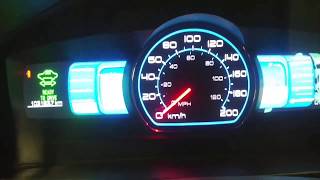
- "System shutting down to save battery" message on the screen
- Difficulty starting or a no-start condition
- Dimming or flickering interior and exterior lights
- Engine stalling, especially at idle
- Erratic operation of electrical components like the radio or power windows
- Transmission shifting problems
- Inability to use the FordPass app due to the car entering 'deep sleep mode'
- Multiple other warning lights, such as for ABS or AdvanceTrac, due to low voltage to various modules.
- Replacing the high-voltage hybrid battery. The P0562 code specifically relates to the 12-volt system, not the high-voltage powertrain battery.
- Replacing the alternator. This vehicle does not have a traditional alternator; the charging function is performed by the DC-DC converter.
Most Likely Causes

- Failing 12-Volt AGM Battery 🔴 High Probability The 12V battery in the Fusion Hybrid is relatively small and subject to frequent, small charging cycles. They are known to fail, sometimes in as little as two to three years, causing a host of electrical issues. Many owners on forums report this as the first and most common fix for P0562.
How to confirm: Test the 12V battery with a digital multimeter or an electronic battery tester. A healthy, fully charged AGM battery should read approximately 12.6-12.8 volts with the car off. A reading below 12.4V suggests it's discharged, and below 12.0V often indicates a failing battery. Many auto parts stores will test your battery for free.
Typical fix: Replace the 12-volt AGM battery located in the trunk. 🎬 Watch: How to replace the battery and reset the BMS. After replacement, the Battery Monitoring System (BMS) should be reset using a capable OBD-II scan tool (like FORScan) to ensure proper charging strategy and to inform the system of the new battery's age.
Est. part cost: $150-$250 - Faulty DC-DC Converter 🟡 Medium Probability The DC-DC converter functions as the alternator in this hybrid system. Like any electronic component, it can fail over time due to heat and electrical stress, preventing the 12V battery from being charged.
How to confirm: With the vehicle in 'Ready to Drive' mode, measure the voltage at the 12V battery terminals. A functioning DC-DC converter should provide a charging voltage between 13.5 and 14.8 volts. If the voltage is at battery level (e.g., 12.x volts) or lower, the DC-DC converter is likely not charging. 🎬 See how to diagnose P0562 and check the converter.
Typical fix: Replace the DC-DC converter. This is a more involved repair and may require programming the new module to the vehicle.
Est. part cost: $400-$800 - Loose or Corroded Battery Terminals/Cables 🟡 Medium Probability Standard vehicle vibration and time can lead to loose connections. Corrosion can build up, creating high resistance and preventing proper current flow to and from the battery.
How to confirm: Visually inspect the battery terminals in the trunk for white, blue, or green crusty buildup. Wiggle the battery cables to ensure they are tight and do not move.
Typical fix: Disconnect the battery (negative terminal first). Clean the terminals and cable ends with a wire brush and a solution of baking soda and water. Reconnect securely (positive terminal first).
Est. part cost: $0-$10 - Parasitic Battery Drain ⚪ Low Probability The Telematics Control Unit (TCU), which enables the FordPass app, is a known source of parasitic draw. Owners on Reddit report that the TCU can fail to enter sleep mode, draining the 12V battery overnight. This can happen even on newer models.
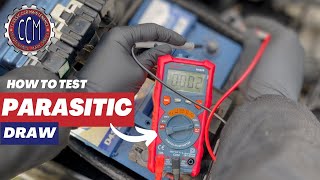
How to confirm: This requires a parasitic draw test using a multimeter set to measure amps. The meter is connected in series with the negative battery cable to measure current flow with the vehicle off. If the draw is excessive (typically over 50-85mA after all modules have gone to sleep), fuses are pulled one by one to isolate the faulty circuit. The TCU is a primary suspect.
Typical fix: Once the faulty module is identified, it may need to be replaced or reprogrammed. Many owners choose to simply disconnect the TCU, as its primary function is for the FordPass app, which may no longer be in use or supported on older vehicles. The TCU is typically located behind the rear passenger seat.
Est. part cost: $0-$1300
Rare But Worth Checking
- Faulty PCM Power Relay: A failing power relay for the main computer (PCM) can cause intermittent no-start conditions and low voltage codes. One owner reported that swapping the PCM relay with an identical one from a non-critical system (like the blower motor) resolved the issue after a new battery didn't fix the no-start problem.
- Blown High-Amperage Fuse: A large fuse, such as a 200-amp fuse located at the battery, can blow and interrupt the charging circuit from the DC-DC converter.
- AWD Module Failure: On Ford platforms sharing similar electrical architecture, NHTSA ODI #11660087 describes a case where P0562:00-AF (System Voltage Low) was triggered on the AWD module, which was ultimately attributed to an AWD module failure.
Diagnosis Steps

- Scan for all DTCs in all modules to see if other codes are present, especially communication (U-codes).
- Visually inspect the 12V battery terminals in the trunk for looseness or corrosion. Clean and tighten as needed.
- With the vehicle off, measure the 12V battery's static voltage. A reading below 12.4V indicates a need for charging and testing.
- Perform a load test on the 12V battery. Most auto parts stores can do this for free. This is the most definitive way to confirm a bad battery.
- If the battery is good, start the vehicle (put it in 'Ready to Drive' mode) and measure the voltage at the battery terminals. It should be between 13.5V and 14.8V.
- If charging voltage is low or absent, the DC-DC converter is the primary suspect. Check fuses related to the charging system before condemning the converter.
- If the battery and charging system test good, but the battery dies overnight, perform a parasitic draw test to isolate the circuit causing the drain. Start by pulling the fuse for the Telematics Control Unit (TCU). 🎬 Watch: The easiest way to perform a parasitic draw test.
- If a no-start condition persists with a good battery, consider swapping the PCM power relay with a known-good relay from another system as a quick test.
Parts You'll Likely Need
- 12-Volt AGM Battery
(OEM #BAGM-48H6-760 (Motorcraft))— This is the most frequent failure item causing P0562. The vehicle's electronics are very sensitive to the health of the 12V battery.
Trusted brands: Motorcraft, DieHard, Duralast
OEM price range: $200-$250
Aftermarket price range: $150-$220 - DC to DC Converter
(OEM #DP5Z-10B687-A (replaces older versions like DP58-14B227-AF))— This is the second most likely cause if the 12V battery is healthy. It is the component responsible for charging the 12V system.
Trusted brands: Motorcraft
OEM price range: $400-$800
Related Codes That Often Appear With This One
- U-series codes (e.g., U3003, U0100) — Low system voltage can disrupt communication between various control modules on the CAN bus network, leading to a cascade of 'Lost Communication' codes.
- P0A1F — This code for 'Battery Energy Control Module' can sometimes appear alongside low voltage codes, indicating a broader issue within the hybrid battery control system.
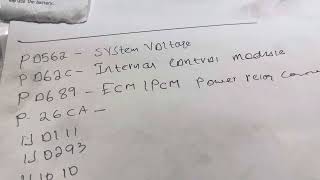
- P0689 — This code for 'ECM/PCM Power Relay Control Circuit' can appear if the relay responsible for powering the main computer is failing, which can also cause or be related to the P0562 low voltage condition.
- U0293 — This code means 'Lost Communication With Hybrid Powertrain Control Module'. A severe voltage drop can cause the HPCM (also called SOBDM-C) to go offline, triggering this code alongside P0562.
- P07E6 — An owner reported in NHTSA ODI #11675193 that P0562 occurred alongside P07E6 (Stuck in Park), suggesting low voltage can interfere with the transmission's ability to shift.
Technical Service Bulletins (TSBs) & Recalls
- Recall 23S33: Affects 2019-2020 Fusion Plug-in Hybrid (Energi) models for a faulty Battery Energy Control Module (BECM) that can cause power loss or
- Bulletin #SSM 50151: Notes that low voltage DTCs like P0562 and U3003 often occur at vehicle key-on and may be difficult to reproduce. The bulletin advises that if low voltage (less than 10V) is observed in the DTC snapshot, the 12V system should be diagnosed before replacing major modules like the SOBDMC.
Platform-Specific Known Issues
- A known issue on some Ford hybrids involves the Telematics Control Unit (TCU) causing a parasitic battery drain. The module fails to go into sleep mode, slowly draining the 12V battery. Many owners opt to simply unplug the unit.
- On older models, some owners have reported that the vehicle's performance is intentionally limited by the computer based on battery age. Resetting the battery age using FORScan software has reportedly restored performance.
Mechanic-Grade Diagnostic Values
- Parasitic Current Draw (Quiescent Draw) — expected: < 50-85 mA after all modules enter sleep mode (approx. 40 minutes).. Failure: A sustained reading over 85mA indicates a parasitic drain. Some healthy Fusion Hybrids can show as low as 10-20mA.
- DC-DC Converter Output Voltage — expected: 13.5V - 14.8V at the 12V battery terminals with the vehicle in 'Ready to Drive' mode.. Failure: Voltage reading remains at battery level (e.g., 12.x V) or drops, indicating the converter is not charging.
- PCM Power Relay Coil Resistance — expected: Typically 70-100 Ohms across the coil terminals (pins 85 and 86 on a standard ISO relay).. Failure: An open circuit (infinite resistance) or a short (near zero resistance) indicates a failed relay.
Scan Tool Commands That Help

- FORScan: Battery Monitoring System (BMS) Reset — This is a mandatory step after replacing the 12V battery. Failure to reset the BMS causes the system to use an incorrect charging strategy based on the old battery's health, which can lead to premature failure of the new battery and recurring P0562 codes.
- FORScan / IDS: Self-Test - DC/DC (SOBDM-C) — To command the DC-to-DC converter module to run an internal self-test. This can help determine if the module itself has an internal fault before proceeding with replacement.
- FORScan / IDS: Monitor PIDs: HVBAT_V (TCM) and BATT_V (PCM) — Simultaneously monitoring the high-voltage battery voltage (HVBAT_V) and the 12V system voltage (BATT_V) can provide clues. If HVBAT_V is low (e.g., below 150V), the DC-DC converter will be disabled by design, and the issue is with the high-voltage system, not the converter itself.
Wiring & Ground Locations
- G401 — Right side of the luggage compartment (trunk), near the 12V battery.. This is the primary ground point for the 12V battery and several related modules in the rear of the vehicle. Corrosion or a loose connection here can cause high resistance, leading to charging issues and the P0562 code.
- G104 — Right side of the engine compartment, on the strut tower.. This is a major chassis and powertrain ground. While less likely to be the direct cause for a P0562 originating from the rear, a poor connection here can cause widespread electrical issues and communication faults that may accompany the code.
- PCM Power Relay (R9) — In the under-hood fuse box (Power Distribution Box). It is typically labeled as relay R9.. This relay supplies power to the Powertrain Control Module. If it fails or makes intermittent contact, the PCM can lose power or detect unstable voltage, directly causing a P0562 code and a no-start condition.
- Battery Junction Box / Mega Fuse — On or near the positive terminal of the 12V battery in the trunk.. This box contains high-amperage fuses, including a 200A or similar fuse for the main charging line from the DC-DC converter. A visual inspection for a blown fuse here is critical if the DC-DC converter is not providing a charge.
Real Owner Repair Stories
- Ford Fusion Forum user (2011 Ford Fusion Hybrid, 170,000 miles) — Battery died repeatedly. After charging, voltage would drop when the car was put in 'run' mode. Code P0562 was present.
❌ Tried (didn't work) Replacing the 12V battery, Replacing thermostat and water pump for unrelated MPG issue, Checking all fuses, Checking for shorts to ground and corrosion
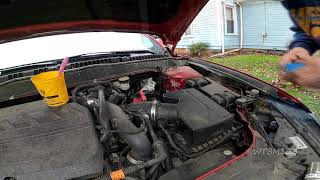
✅ What actually fixed it The user suspected the DC-to-DC converter was the final culprit, as tests showed an initial 13.8V charge that immediately stopped, indicating the converter was commanded on but failed to sustain output. The story confirms the diagnostic path points directly to the converter after ruling out the battery and fuses. - YouTube Mechanic Diagnosis (2015 Ford Fusion Hybrid) — No-start condition, multiple communication codes, and P0562.
❌ Tried (didn't work) Replacing the 12V battery (which tested bad but was not the only issue).
✅ What actually fixed it The root cause was a faulty PCM Power Relay (Relay R9 in the under-hood fuse box). Swapping the relay with an identical one from the blower motor circuit immediately allowed the vehicle to start and resolved the no-start condition, confirming the relay was the primary fault beyond the bad battery.
When the Usual Fixes Don't Work
- While the 12V battery and DC-DC converter are the most common culprits for P0562, forum records and mechanic reports show a significant number of cases where the fix was not that simple. In one instance, a technician replaced a bad battery but the no-start condition persisted. The final fix was a simple, inexpensive PCM power relay swap. In another, more complex case, a persistent P0562 was ultimately traced to a failing Battery Energy Control Module (BECM), a high-voltage system component that was preventing the DC-DC converter from receiving its command to start charging. These cases show that if the two most common causes are ruled out, the diagnostic path must expand to include control-side components like relays and supervisory modules.
OEM Part Supersession History
DP58-14B227-AF (and earlier revisions AA-AE)→DP5Z-10B687-A— Multiple revisions suggest Ford made internal changes to improve the reliability or performance of the DC-DC converter.
Heads up: The newest part number (DP5Z-10B687-A) is the recommended replacement for all previous versions. Using a salvaged older version may lead to a repeat failure.
Model Year Variations Within This Range
- 2017-2020: The 2017 model year received a significant facelift, including an update from MyFord Touch (SYNC 2) to the SYNC 3 system. This involved changes to the Telematics Control Unit (TCU) and other infotainment-related modules. While the P0562 causes are similar, the specific modules and fuse locations to check for parasitic draw may differ slightly from the 2013-2016 models.
- 2019-2020: A recall (23S33) was issued for the Battery Energy Control Module (BECM) on some 2019-2020 Fusion Plug-in Hybrid (Energi) models. While the recall is for the Energi, it highlights potential BECM issues in this generation that could also manifest on the standard Hybrid as codes like P0562.
Diagnostic Flowchart
Other Known Issues on This Vehicle
Issues unrelated to this code that are worth knowing about as an owner of this generation:
- HF35 eCVT Transmission Failure 🔴 High — Can occur at various mileages, sometimes under 100,000 miles. Owners report whining or grinding noises. Repair is extremely expensive, often requiring full replacement.
- Steering Gear Bolt Corrosion 🔴 High — Primarily affects vehicles in regions using road salt. Corrosion of steering gear motor bolts can lead to a sudden loss of power steering assist. (Ref: Safety Recall 19S26)
- Shifter Cable Bushing Failure 🟠 Medium — A small plastic bushing on the transmission shifter cable can degrade and break, leaving the vehicle unable to shift out of Park or displaying a 'Transmission not in Park' error. (Ref: Safety Recall 18S20)
- Loose Steering Wheel Bolt 🔴 High — A recall was issued because the steering wheel retaining bolt could loosen, potentially allowing the steering wheel to detach while driving. (Ref: Safety Recall 18S08)
- 2.0L EcoBoost Coolant Intrusion (Non-Hybrid) 🔴 High — While this guide is for the Hybrid, it's a critical issue for the standard 2.0L EcoBoost engine on the same platform. A design flaw can allow coolant to leak into the cylinders, requiring an engine replacement. (Ref: TSB 19-2346)
Used vs. New Parts: Buying Guide for This Vehicle
When a used part is the smart pick: A used DC-DC converter from a low-mileage, accident-damaged vehicle can be a cost-effective option, especially given the high price of a new OEM unit. Other electronic modules like the BECM or TCU could also be sourced used.
Donor-vehicle mileage cap: roughly under 70000 miles for the part to have meaningful remaining life.
What to inspect on the donor part:
- Verify the donor vehicle's mileage.
- Inspect the part for any signs of physical damage, corrosion, or water intrusion.
- Ensure all electrical connector pins are straight and clean.
- If possible, get a warranty from the salvage yard.
OEM-only on this vehicle (don't cheap out):
- DC-to-DC Converter: While a used OEM part is an option, there are no reliable aftermarket manufacturers for this complex component. Avoid no-name online parts.
- Battery Energy Control Module (BECM): This is a critical safety and control module that should only be replaced with an OEM part.
Aftermarket brands forum-validated for this vehicle:
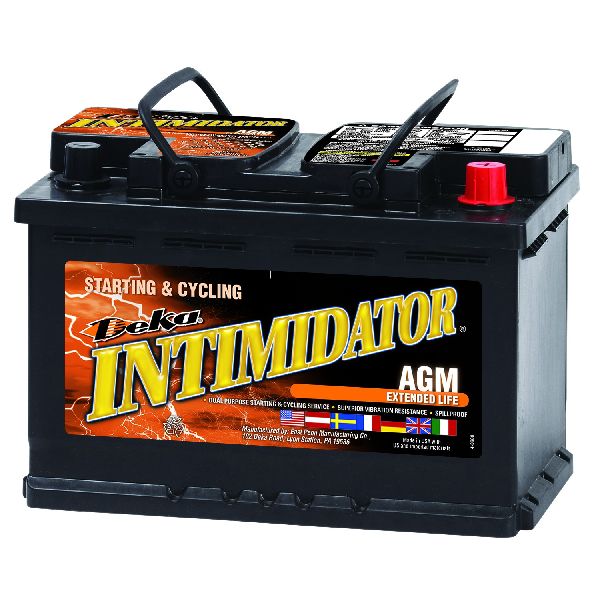
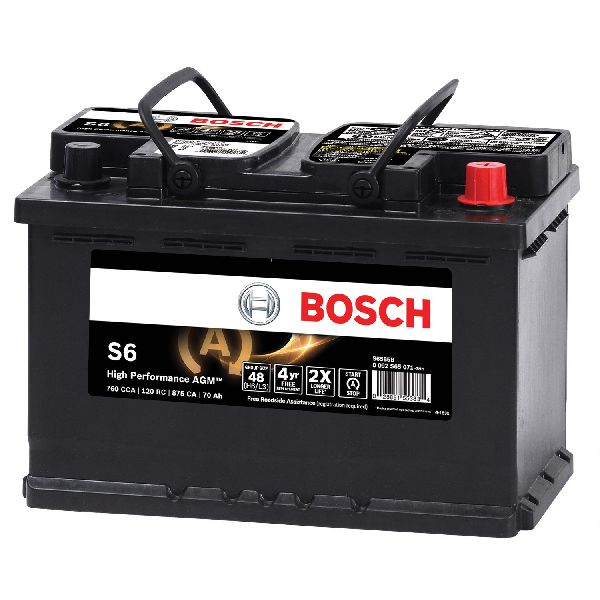
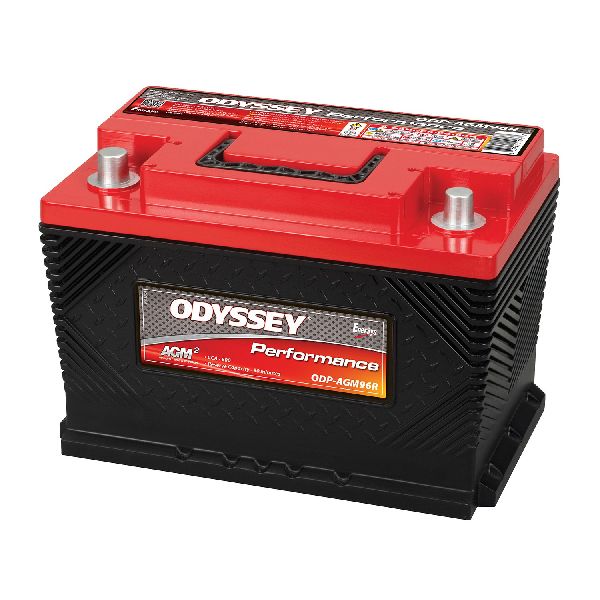
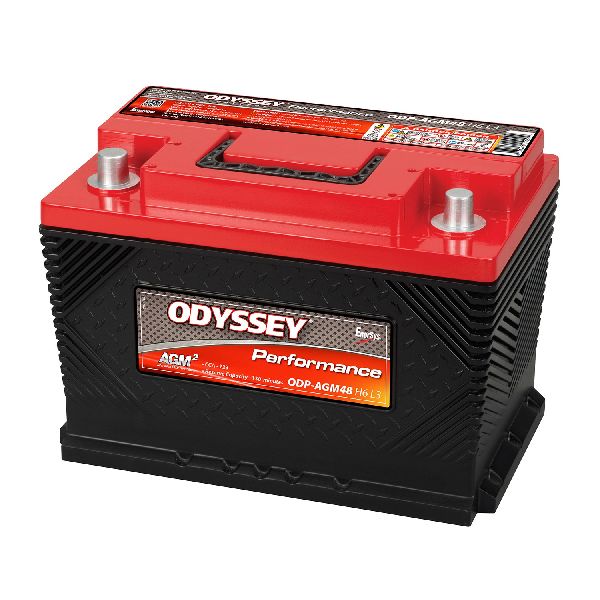
- 12V AGM Battery: Motorcraft (OEM), DieHard, Duralast Platinum, Odyssey, and other reputable AGM battery brands are suitable replacements.
Brands owners have reported issues with on this vehicle:
- Avoid non-AGM (flooded) batteries, as they are not designed for the vehicle's charging system and enclosed location.
- Be cautious of unbranded, cheap DC-DC converters from online marketplaces, as they are likely to be untested or of poor quality.
Real Owner Stories
Aggregated from forums and TSBs cited above. Mileages and costs reflect what owners reported in those sources.
2019 Ford Fusion Hybrid 2.0L
Symptoms: Owner diagnosed a parasitic draw that was draining the 12V battery.
What fixed it: The owner identified the Telematics Control Unit (TCU) as the source of the draw. Rather than paying for a replacement, they opted to unplug the unit.
Cost: $0-$1300
Source hint: Reddit r/fordfusion thread titled '19 Fusion Hybrid Parasitic Draw'
2013-2020 Ford Fusion Hybrid 2.0L
Symptoms: Vehicle experienced a no-start condition despite troubleshooting other codes.
What fixed it: The issue was traced to a bad PCM power relay.
Source hint: YouTube video 'kY3Ek3k8m2M' showing diagnosis of P0562 and no-start
2013-2020 Ford Fusion Hybrid 2.0L
Symptoms: Owner reported a P0562 code and confirmed the 12V battery was not receiving a charge.
What fixed it: Confirmed no charge was coming from the DC-DC converter.
Source hint: FordForum.com thread 'p0562-43513'
Ford Owner Report
Symptoms: An owner reported two instances while driving where stored codes P0562 (Charging system voltage low) and P07E6 (Stuck in Park) occurred together.
What fixed it: This report (NHTSA ODI #11675193) highlights how low voltage can trigger secondary transmission faults.
Related OBD-II Codes
Frequently Asked Questions
My 2019 Fusion Plug-in Hybrid (Energi) lost power; is there a recall for this?
Why is my FordPass app not working and my car entering 'deep sleep mode'?
Where is the 12V battery located in the 2013-2020 Fusion Hybrid?
Do I need to do anything special after replacing the 12V battery?
Can I just unplug the TCU if it's draining my battery?
How can I tell if my DC-DC converter is failing instead of just a bad battery?
Helpful Videos
Used OEM Parts in Stock


New Aftermarket Parts Available


The information in this article is provided for general reference and educational purposes only. Vehicle specifications, procedures, and part compatibility can vary by production date, trim level, and region. Always consult your vehicle's factory service manual and verify part numbers before purchasing or performing repairs. Safety-critical components such as airbags, seat belts, and braking systems should be installed by a qualified professional.
- Ford Fusion Hybrid:
- 🎬 Helpful Videos
- 🛍️ Shop This Part
- What's Unique About the 2013-2020 Ford Fusion Hybrid
- Symptoms You May Notice
- Most Likely Causes
- Rare But Worth Checking
- Diagnosis Steps
- Parts You'll Likely Need
- Related Codes That Often Appear With This One
- Technical Service Bulletins (TSBs) & Recalls
- Platform-Specific Known Issues
- Mechanic-Grade Diagnostic Values
- Scan Tool Commands That Help
- Wiring & Ground Locations
- Real Owner Repair Stories
- When the Usual Fixes Don't Work
- OEM Part Supersession History
- Model Year Variations Within This Range
- Diagnostic Flowchart
- Other Known Issues on This Vehicle
- Used vs. New Parts: Buying Guide for This Vehicle
- Real Owner Stories
- 2019 Ford Fusion Hybrid 2.0L
- 2013-2020 Ford Fusion Hybrid 2.0L
- 2013-2020 Ford Fusion Hybrid 2.0L
- Ford Owner Report
- Related OBD-II Codes
- Frequently Asked Questions
- 🎟️ Get 5% Off