

P0562 on 2012-2018 Ford Focus 2.0L: System Voltage Low Causes and Fixes
On a 2012-2018 Ford Focus, code P0562 almost always points to a failing alternator or an old battery. A failing alternator is the most common culprit. Expect to pay $150-$350 for a battery replacement or $400-$800 for an alternator replacement at a shop.
- P0562 means the car's electrical system voltage is dangerously low.
- Do not drive the vehicle, as it can stall at any time and disable critical safety systems.
- The most likely culprits are a bad alternator or a weak battery.
- Always test both the battery and alternator before replacing either part to avoid misdiagnosis.
- Start with the simplest checks: ensure battery terminals are clean and tight.
What's Unique About the 2012-2018 Ford Focus

The 2012-2018 Ford Focus (Mk3) uses a modern, computer-controlled 'smart charge' system that allows the PCM to regulate alternator output to save fuel. While the causes for P0562 are common across many vehicles, this platform is noted as being particularly prone to alternator failures that trigger this specific code. A unique aspect of this platform is the Battery Monitoring System (BMS), which is a small sensor on the negative battery terminal. After replacing the battery, the BMS must be reset to inform the charging system of the new battery's state of health; failure to do so can lead to improper charging and shorten the life of the new battery.
Symptoms You May Notice
- Check Engine Light is on
- Battery or charging system warning light is on
- Dimming or flickering headlights and interior lights
- Engine is hard to start, cranks slowly, or won't start at all
- Engine stalls while driving, especially when coming to a stop
- Erratic operation of electrical components like the radio or power windows
- Harsh or improper shifting from the automatic transmission
- Power steering failure warning, with noticeably stiff steering
- Whining sound from the engine bay, indicative of a failing alternator
- Replacing the battery without first testing the alternator. If the alternator is bad, it will fail to charge the new battery, and the problem will return quickly.
- Replacing the battery and not performing the Battery Monitoring System (BMS) reset procedure. The system may not charge the new battery correctly, leading to premature failure.
Most Likely Causes


- Failing Alternator 🔴 High Probability The Ford Focus is noted by owners and mechanics as being prone to alternator failures that lead to P0562. The alternator is responsible for charging the battery and powering the car's electronics while the engine is running. A failure means the car runs solely off the battery until it is depleted.
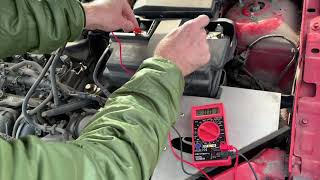
How to confirm: With the engine running, use a multimeter to measure the voltage across the battery terminals. A healthy alternator should produce a reading between 13.5 and 14.8 volts. If the voltage is below 13.2V or doesn't increase from the engine-off reading, the alternator is likely faulty. Many auto parts stores offer free alternator testing.
Typical fix: Replace the alternator. This is an intermediate-level DIY job, requiring access from underneath the car and removal of the passenger-side wheel and splash shield.
Est. part cost: $250-$500 - Weak or Defective Battery 🔴 High Probability A weak battery is a common cause for this code on the 2.0L Focus. A battery that can no longer hold a proper charge will cause the system voltage to drop, especially under load or during startup. Batteries typically last 3-5 years.
How to confirm: With the engine off, measure the battery voltage with a multimeter. A fully charged, healthy battery should read around 12.6 volts. A reading below 12.4 volts indicates a weak or discharged battery. A definitive test is a battery load test, which can be performed at most auto parts stores.
Typical fix: Replace the battery. After replacement, the Battery Monitoring System (BMS) must be reset. This can be done with a specific sequence of headlight flashes and brake pedal presses, or with a diagnostic tool like FORScan.
Est. part cost: $150-$350 - Loose or Corroded Battery Terminals/Cables 🟡 Medium Probability Corrosion on the negative terminal near the BMS sensor has been noted by owners as a source of issues.
How to confirm: Visually inspect the battery terminals for white or greenish corrosion. Check that the cable clamps are tight and cannot be moved by hand. Also, inspect the main ground strap from the battery to the chassis and the engine to the chassis for corrosion or looseness.
Typical fix: Clean the battery terminals and cable ends with a wire brush and a baking soda/water solution. Ensure all connections are clean and tight. Replace cables if corrosion is severe. 🎬 Watch: Locating and inspecting the electrical grounds on this platform
Est. part cost: $5-$50
Rare But Worth Checking
- Worn or Slipping Serpentine Belt: The serpentine belt drives the alternator. If it's worn, glazed, or the tensioner is weak, it can slip on the alternator pulley, preventing it from spinning fast enough to generate the proper voltage. This is a simple and inexpensive item to check before replacing more expensive components.
- Parasitic Electrical Drain: A module or component that does not shut off correctly when the car is off can slowly drain the battery, leading to a low voltage state and a P0562 code upon startup. This requires more advanced diagnostics to trace the source of the drain.
- Damaged Alternator Wiring Connector: The small plastic electrical connector on the alternator can become brittle and break during removal or due to engine vibration. Inspect it carefully. A replacement pigtail connector, such as Motorcraft part WPT1331, can be spliced in to fix this without replacing the entire harness.
Diagnosis Steps
- Read the codes: Use an OBD-II scanner to confirm P0562 is present and check for any other related codes, such as P0620.
- Inspect Connections: Visually inspect the battery terminals, cable ends, and main ground connections for corrosion and tightness. Clean and tighten as necessary.
- Test Battery Voltage (Engine Off): Use a multimeter to measure the voltage directly at the battery terminals. A healthy battery should read approximately 12.6 volts. If it's below 12.4V, the battery is discharged or faulty and should be charged and load tested.
- Test Charging System Voltage (Engine Running): Start the engine. Measure the voltage at the battery terminals again. The reading should be between 13.5 and 14.8 volts. If the voltage is low and does not increase from the engine-off reading, the alternator is likely not charging.
- Load Test the System: With the engine running, turn on all major electrical accessories (headlights, A/C on high, rear defroster). The voltage should remain stable and within the 13.5-14.8V range. A significant drop indicates a weak alternator that cannot handle the load.
- Inspect the Serpentine Belt: Check the condition and tension of the belt driving the alternator. A loose or worn belt can cause undercharging.
- Professional Testing: If the above steps are inconclusive, have the battery and alternator professionally tested. Most auto parts stores perform this service for free.
- BMS Reset (After Battery Replacement): If the battery is replaced, perform the BMS reset. This is typically done by turning the ignition on (engine off), flashing the high beams 5 times, then pressing the brake pedal 3 times. The battery light on the dash should flash to confirm the reset.
Parts You'll Likely Need
- Alternator
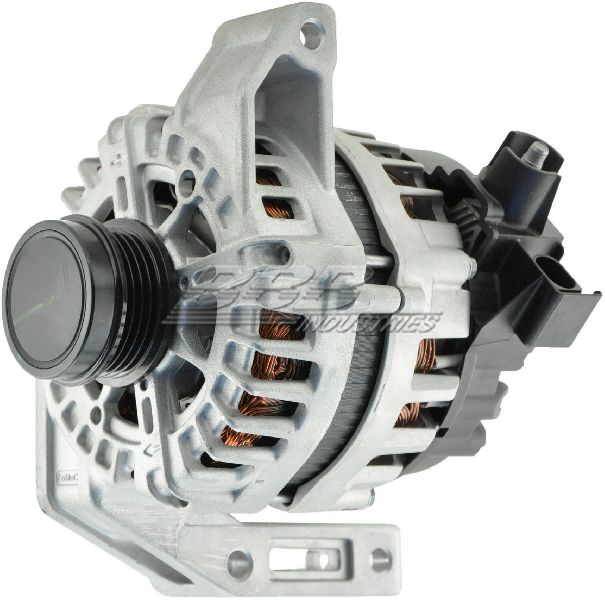
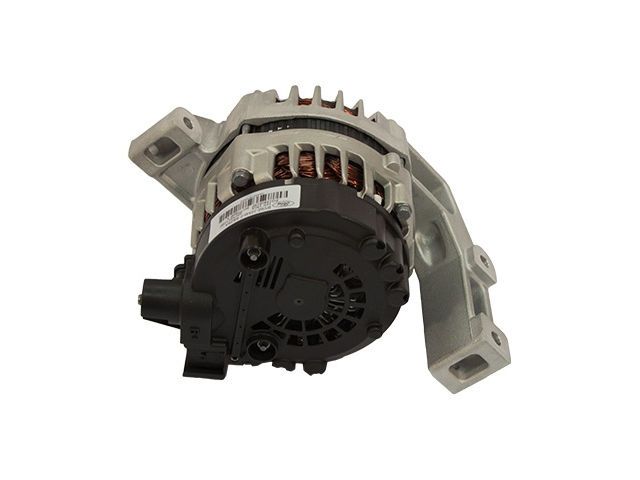
(OEM #Motorcraft GL-1013 (Verify by VIN))— This is one of the most common failure points leading to a P0562 code on this vehicle, as it is responsible for generating the vehicle's electrical power while running.
Trusted brands: Motorcraft, Bosch, Denso
OEM price range: $400-$600
Aftermarket price range: $250-$450 - AGM Battery
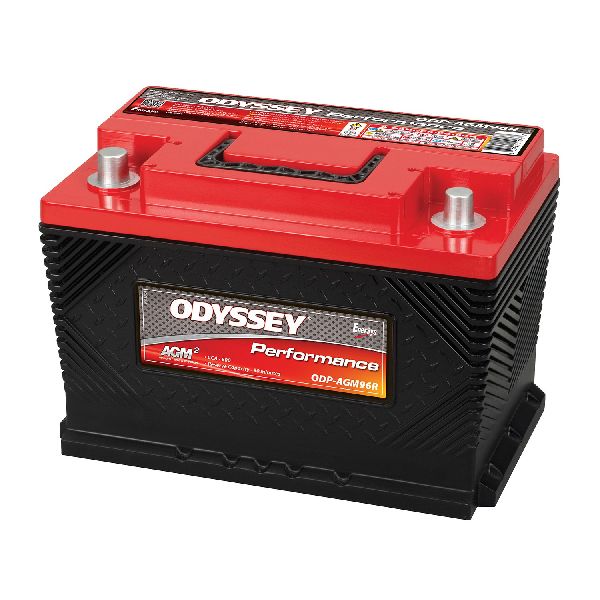
(OEM #Motorcraft BAGM-48H6-760 (Verify by VIN))— The factory battery is an AGM (Absorbent Glass Mat) type. An old or weak battery that can no longer hold a sufficient charge is a primary cause of low system voltage. A BMS reset is required after replacement.
Trusted brands: Motorcraft, Interstate, DieHard
OEM price range: $250-$350
Aftermarket price range: $180-$280
Related Codes That Often Appear With This One
- P0620 - "Generator Control Circuit Malfunction": This code is very common when the Focus alternator fails, as it indicates the PCM has detected a problem in the circuit it uses to control the alternator. —
- P0625 - "Generator Field 'F' Terminal Circuit Low": This code points to a specific issue within the alternator's internal voltage regulator circuit, often seen alongside P0562 when the alternator is the root cause. —
Technical Service Bulletins (TSBs) & Recalls
- While there are no widespread TSBs for P0562 specifically, TSB 16-0109 exists for the DPS6 automatic transmission shudder. It's important to note because severe electrical issues from P0562 can sometimes be misdiagnosed as transmission problems due to erratic shifting, but TSB 16-0109 addresses a separate, mechanical clutch issue.
- Manufacturer service bulletin #SSM 50151 notes that low voltage DTCs like P0562 often occur at vehicle key-on and may be difficult to reproduce; it advises that if low voltage (less than 10V) is observed in the DTC snapshot, the 12V system should be diagnosed first.
Platform-Specific Known Issues
- Battery Monitoring System (BMS) Reset Required: The 2012-2018 Focus is equipped with a BMS. When replacing the battery, the system must be reset to tell the computer a new battery has been installed. Failure to do so can cause the system to overcharge or undercharge the new battery, leading to premature failure. The reset can be done without tools via a sequence of headlight flashes and brake pedal presses, or with a diagnostic tool.
- Alternator Replacement Access: Replacing the alternator on the 2.0L engine is more involved than on some other vehicles. Access is gained from underneath the vehicle by removing the passenger side front wheel and the inner fender liner/splash shield. The top alternator bolt/stud must also be removed from above.
Mechanic-Grade Diagnostic Values
- PCM Scan Tool PID: GEN_MON (Generator Monitor) — expected: Should show a toggling signal or specific voltage feedback from the alternator.. Failure: A value stuck at 0% or 100% can indicate a failed alternator regulator or a wiring issue.
- PCM Scan Tool PID: GENFDC% (Generator Field Duty Cycle) — expected: This is the command from the PCM to the alternator. It will typically be a low percentage at idle and spike when a change in output is commanded (e.g., turning on headlights).. Failure: No change in this value when electrical loads are applied may suggest a PCM issue, though an alternator or wiring fault is more common.
- Alternator Connector Pin Voltage (Pigtail Unplugged, Engine Running) — expected: With the 3-pin connector unplugged from the alternator: the GENMON wire should have ~9.3V (bias voltage from PCM), the GENCOM wire should have ~0.07V, and the third wire (A-sense) should have battery voltage.. Failure: Incorrect voltages on these pins point to either a wiring harness problem or an internal PCM fault.
- Voltage Drop Test: Alternator B+ post to Battery Positive Terminal — expected: Less than 0.2 volts with the engine running and electrical loads on.. Failure: A voltage reading higher than 0.2V indicates high resistance in the main power cable from the alternator, which can cause undercharging.
Scan Tool Commands That Help
- FORScan / Ford IDS: BMS Reset — This function must be used after replacing the vehicle's battery. It informs the PCM that a new battery has been installed, which is critical for the smart charge system to apply the correct charging strategy and prevent premature battery failure.
- FORScan / Ford IDS: Live Data Monitoring (PIDs: GEN_MON, GENFDC%, BATT_V) — Essential for diagnosing the smart charge system. It allows a technician to see the PCM's command to the alternator (GENFDC%), the alternator's feedback (GEN_MON), and the resulting battery voltage (BATT_V) in real-time to determine if the fault lies with the PCM, the alternator, or the wiring.
Wiring & Ground Locations

- Main Battery Ground — On the driver's side strut tower in the engine bay, connecting the negative battery cable to the chassis.. This is the primary ground for the entire electrical system. Ford's method of grounding to a painted surface means the connection relies solely on the bolt threads. Corrosion or looseness here can cause system-wide low voltage and intermittent electrical faults.
- TCM / Secondary Grounds — Under the airbox, on the chassis frame rail. There are typically two ground points in this location.. While often associated with transmission (TCM) faults, these grounds are critical for the PCM and other modules. A poor connection here can cause a variety of codes, including P0562, due to incorrect sensor readings and module operation.
- Alternator 3-Pin Connector (C102) — The small electrical plug on the alternator itself.. This connector contains the critical communication lines between the PCM and the alternator for the smart charge system. The wires are: Pin 1 (GEN-MON - feedback to PCM), Pin 2 (GENCOM - command from PCM), and Pin 3 (A-Sense - battery voltage sense). Damage to this connector or its wiring (pigtail WPT-1331) is a common failure point.
- G108 — Right side of the engine compartment.. This is a shared ground point for several engine components. Verifying its integrity is a key step in diagnosing any electrical fault code.
Real Owner Repair Stories
- YouTube user 'Mike Potts' (2012 Ford Focus w/ DCT) — Intermittent transmission failure warnings, erratic shifting, and other electrical issues.
❌ Tried (didn't work) Initial diagnosis pointed towards a failing Transmission Control Module (TCM), a common issue on these cars.
✅ What actually fixed it The owner performed a 'ground mod' by removing the main battery ground on the strut tower and the two grounds under the airbox, grinding the paint off the chassis contact points to ensure a bare metal connection, and re-securing the ground lugs. This resolved the intermittent voltage issues that were causing the modules to malfunction.
OEM Part Supersession History
BV6Z-10346-B→BV6Z-10346-E, BV6Z-10346-F, GL-8687— Part revisions and updates by Ford/Motorcraft over the vehicle's production run.
Heads up: Always verify the correct part number by VIN. The 2.0L Focus uses a 150 Amp alternator with a 4-ribbed pulley and a 3-pin connector. Using an incorrect amperage or a 2-pin version will cause charging system faults.WPT-1331 (Pigtail Connector)→DU2Z-14S411-BA— Ford updated the part number for the alternator connector pigtail.
Heads up: Both part numbers refer to the same 3-wire connector pigtail for the smart charge alternator and should be interchangeable.
Diagnostic Flowchart
Used vs. New Parts: Buying Guide for This Vehicle
When a used part is the smart pick: A used alternator from a low-mileage donor vehicle can be a cost-effective option, as the failure is often electronic (voltage regulator) rather than purely mechanical wear. Other electrical components like wiring harnesses or the battery tray/box are also excellent candidates for used parts.
Donor-vehicle mileage cap: roughly under 70000 miles for the part to have meaningful remaining life.
What to inspect on the donor part:
- For an alternator, check for a clean housing with no signs of oil leaks from above.
- Spin the pulley by hand; it should be smooth with no grinding noises or excessive play.
- Inspect the 3-pin electrical connector for any cracks, brittleness, or corrosion.
- Ask the salvage yard if they have a vehicle history report to check for front-end collision damage.
OEM-only on this vehicle (don't cheap out):
- While not strictly OEM-only, it is highly recommended to use a high-quality Motorcraft (OEM), Bosch, or Denso alternator. Cheap, no-name aftermarket alternators have a high failure rate on this platform, often causing a repeat of the P0562 code within a short period.
Aftermarket brands forum-validated for this vehicle:
- Bosch (Remanufactured)
- Denso
- Carquest Premium (Remanufactured)
- WAI Global (New)
Brands owners have reported issues with on this vehicle:
- Unbranded or 'white-box' alternators from online marketplaces are frequently cited in forums as being unreliable.
Real Owner Stories
Aggregated from forums and TSBs cited above. Mileages and costs reflect what owners reported in those sources.
2012-2018 Ford Focus ST 2.0L
Symptoms: The P0562 code appeared even after the owner had already replaced the battery and correctly performed the BMS reset procedure.
What fixed it: The discussion pointed towards checking all main ground connections for corrosion or looseness, or investigating a possible intermittent failure of the alternator.
Source hint: Reddit r/FocusST thread titled 'P0562 code'
2012-2018 Ford Focus 2.0L
Symptoms: The owner first saw the battery light illuminate, which was soon followed by a 'Power Steering Failure' warning and other warning lights as the car's system voltage continued to drop.
What fixed it: The symptoms were identified as a classic alternator failure. The suggested fix was to replace the alternator after confirming the diagnosis by checking the voltage directly at the alternator's output post.
Source hint: Ford Focus Club thread titled 'Potential Alternator Issue'
Documented NHTSA Reports
Charging System and Transmission Faults
Symptoms: An owner reported two instances while driving where the vehicle stored codes P0562 (Charging system voltage low) and P07E6 (Stuck in Park).
What fixed it: NHTSA ODI #11675193 describes these symptoms occurring together, suggesting a link between low system voltage and transmission module errors.
AWD Module Voltage Failure
Symptoms: A diagnostic report showed multiple circuit driver faults and P0562:00-AF (System Voltage Low) specifically on the AWD module.
What fixed it: According to NHTSA ODI #11660087, these symptoms appeared to be an AWD module failure triggered by the low voltage state.
Related OBD-II Codes
Frequently Asked Questions
I just replaced the battery in my 2014 Focus. Do I need to do anything else?
My automatic transmission is shifting harshly. Is this related to the P0562 code?
How can I tell if the P0562 code is caused by my battery or my alternator?
Is replacing the alternator on the 2.0L Focus an easy job?
My battery terminals are corroded. Could this be the only reason for the check engine light?
What is the non-scanner procedure to reset the Battery Monitoring System (BMS)?
Helpful Videos

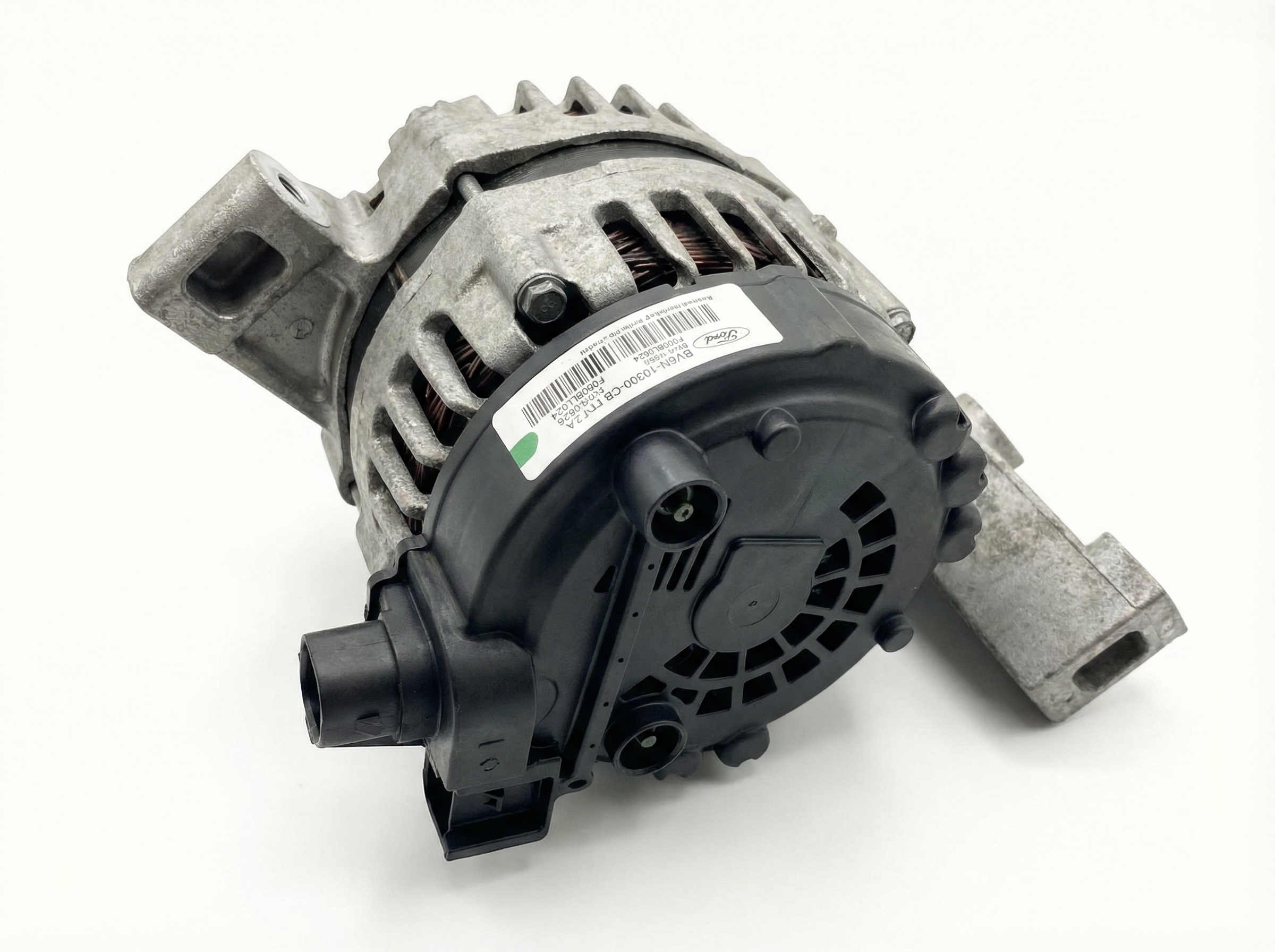
Used OEM Parts in Stock


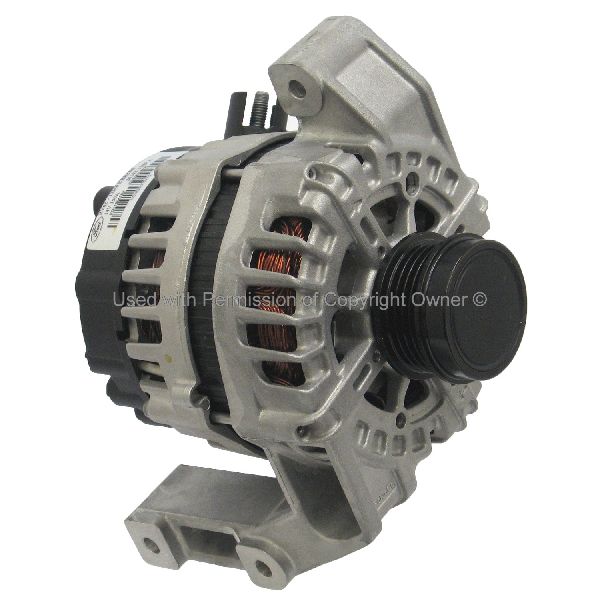
New Aftermarket Parts Available


The information in this article is provided for general reference and educational purposes only. Vehicle specifications, procedures, and part compatibility can vary by production date, trim level, and region. Always consult your vehicle's factory service manual and verify part numbers before purchasing or performing repairs. Safety-critical components such as airbags, seat belts, and braking systems should be installed by a qualified professional.
- Ford Focus:
- 🎬 Helpful Videos
- 🛍️ Shop This Part
- What's Unique About the 2012-2018 Ford Focus
- Symptoms You May Notice
- Most Likely Causes
- Rare But Worth Checking
- Diagnosis Steps
- Parts You'll Likely Need
- Related Codes That Often Appear With This One
- Technical Service Bulletins (TSBs) & Recalls
- Platform-Specific Known Issues
- Mechanic-Grade Diagnostic Values
- Scan Tool Commands That Help
- Wiring & Ground Locations
- Real Owner Repair Stories
- OEM Part Supersession History
- Diagnostic Flowchart
- Used vs. New Parts: Buying Guide for This Vehicle
- Real Owner Stories
- 2012-2018 Ford Focus ST 2.0L
- 2012-2018 Ford Focus 2.0L
- Documented NHTSA Reports
- Charging System and Transmission Faults
- AWD Module Voltage Failure
- Related OBD-II Codes
- Frequently Asked Questions
- 🎟️ Get 5% Off