

P0562 on 2007-2013 BMW X5: System Voltage Low Causes and Fixes
On a 2007-2013 BMW X5, P0562 is most often caused by a failing alternator or an old battery. A faulty Intelligent Battery Sensor (IBS) is also a common culprit. Any battery replacement requires a 'registration' procedure with a scan tool to avoid damaging the new battery and electrical system. In some cases, the voltage regulator on the alternator is the point of failure, not the entire unit.
- P0562 on an E70 X5 is a serious code indicating low system voltage, making the vehicle unsafe to drive.
- The most likely causes are a failed alternator, an aged AGM battery, or a faulty Intelligent Battery Sensor (IBS).
- Diagnosis requires testing voltage with the engine off (>12.4V) and on (13.5-14.7V).
- Replacing the battery is not a simple swap. The new battery MUST be 'registered' with the vehicle's computer using a special tool to ensure proper charging and longevity.
- Do not immediately replace the battery or alternator without considering the IBS as a potential cause.
What's Unique About the 2007-2013 BMW X5
The E70 generation X5 uses a sophisticated power management system that is more complex than many other vehicles. It features an Intelligent Battery Sensor (IBS) on the negative battery terminal that constantly monitors the battery's health, temperature, and state of charge. This sensor communicates with the DME via the LIN bus (sometimes referred to as BSD, or Bit-Serial Data interface) to actively manage the alternator's output. Because of this system, you cannot simply swap a new battery. The vehicle's computer must be told that a new battery has been installed through a 'registration' process using a compatible scan tool. Failing to register a new battery will cause the system to charge it incorrectly (often overcharging it, assuming it's still old and degraded), leading to premature battery failure and a quick return of the P0562 code.
Symptoms You May Notice
- "Increased battery discharge" or "Charging malfunction" message on the iDrive screen.
- Check Engine Light and/or a red Battery Warning Light on the dashboard.
- Dimming or flickering headlights and interior lights, especially at idle.
- Engine is slow to crank or does not start.
- Erratic behavior from electronic components like power windows, radio, navigation, or wipers activating on their own.
- Engine stalling, especially at idle or when electrical loads are high.
- Whining or grinding noise from the front of the engine, indicating a failing alternator bearing.
- Multiple seemingly unrelated warning lights (ABS, 4x4, DSC) appearing simultaneously.
- Replacing the battery without registering it. The new battery will be overcharged or undercharged by the system, causing it to fail prematurely and the P0562 code to return.
- Replacing the alternator when the Intelligent Battery Sensor (IBS) is the actual cause of the incorrect charging commands.
- Replacing the battery when a hidden parasitic draw is the root cause. The new battery will also be drained, leading to a repeat of the symptoms.
Most Likely Causes
- Failing Alternator 🔴 High Probability The alternator, often a 180A Valeo unit on the 4.8i, is under high electrical load and subject to significant engine heat from the V8. The internal voltage regulator is a common point of failure, which can cause either no charging or over-charging. The voltage regulator can often be replaced separately from the entire alternator.
How to confirm: With the engine running, use a multimeter to check the voltage at the battery terminals or the dedicated jump-start posts under the hood. A healthy charging system should read between 13.5 and 14.7 volts. A reading near 12 volts or less indicates the alternator is not charging. A reading consistently over 15V points to a failed voltage regulator. A load test can be performed by turning on all high-draw accessories (headlights, rear defroster, max A/C); the voltage should remain above ~13.8V.
Typical fix: Replace the alternator. It's also wise to replace the serpentine belt and tensioner at the same time. Some specialists may offer replacement of just the voltage regulator if that is the confirmed point of failure.
Est. part cost: $400-$800 - Weak or Old Battery 🔴 High Probability The original AGM (Absorbent Glass Mat) battery has a typical lifespan of 5-7 years. These vehicles are very sensitive to battery health, and a weak battery that can't hold a charge will trigger low voltage faults, especially during startup or high-load situations.
How to confirm: With the engine off for at least 30 minutes, check the battery voltage. A healthy, fully charged AGM battery should read approximately 12.6-12.8 volts. A reading below 12.4V suggests it is discharged or failing. The most reliable method is to have the battery load-tested at an auto parts store.
Typical fix: Replace the battery with a new one of the correct type (AGM) and capacity (e.g., 90Ah, 105Ah). CRITICAL: The new battery must be 'registered' using a BMW-specific scan tool (like INPA, ISTA, or a capable aftermarket tool). If the capacity or type is changed (e.g., from lead-acid to AGM), it must also be 'coded'.
Est. part cost: $200-$400 - Faulty Intelligent Battery Sensor (IBS) 🟡 Medium Probability The IBS is a sensitive electronic module attached to the negative battery cable. It can fail due to heat, age, or physical damage during battery service, sending incorrect data to the DME and causing improper charging (over or under-charging) or even preventing the alternator from charging at all.
How to confirm: Diagnosis can be tricky. A common diagnostic step is to disconnect the small blue connector on the IBS for a few drive cycles. If the charging voltage returns to a steady ~14.2V and the low voltage symptoms disappear, the IBS is likely faulty. This is a temporary test, not a permanent fix. A BMW-specific scan tool can also read IBS-specific fault codes like 2E8D or 2E8E.
Typical fix: Replace the negative battery cable, which includes the IBS sensor. It is a single assembly.
Est. part cost: $200-$300 - Loose or Corroded Battery Terminals / Ground Straps ⚪ Low Probability Vibration can loosen the main power and ground connections over time. The main engine-to-chassis ground strap is a known failure point, susceptible to corrosion from road salt and moisture. This creates high resistance in the charging circuit, fooling the DME into seeing a lower voltage than is actually present.
How to confirm: Visually inspect the battery terminals for tightness and any white or greenish buildup. Follow the main ground cable from the battery to the chassis and the engine ground strap (often a braided cable from the engine block to the frame rail) to check for corrosion, fraying, or damage. A proper test involves measuring resistance from the engine block to the chassis, which should be near zero ohms.
Typical fix: Clean the terminals with a wire brush and ensure all connections are tight. Replace any corroded or damaged cables or straps. The engine ground strap is a common replacement item. 🎬 Watch: How to replace the engine ground strap
Est. part cost: $20-$100
Rare But Worth Checking
- Blown fuse for the charging system.
- Damaged wiring harness between the alternator, IBS, and DME.
- Faulty Junction Box Electronics (JBE) module, often due to water ingress, causing parasitic drain or communication errors.
- Faulty Powertrain Control Module (PCM/DME), which is very rare, but can be caused by water damage.
Diagnosis Steps
- Read Fault Codes: Use a BMW-specific scanner to confirm P0562 and check for other related codes, especially those related to the IBS (2E8D, 2E8E) or power management (2DEC, 2DED).
- Test Battery Voltage (Static): With the engine off, use a multimeter to measure the voltage directly at the battery terminals. A healthy AGM battery should read ~12.6-12.8V. Below 12.4V indicates a discharged or failing battery.
- Test Charging System Voltage (Dynamic): Start the engine. Measure the voltage at the battery terminals or under-hood jump posts. It should be between 13.5V and 14.7V. If the voltage is low (e.g., under 13V), the alternator is likely faulty. If it's too high (over 15V), the voltage regulator (part of the alternator) or IBS may be at fault.
- Inspect Connections: Check that the battery terminals are clean and tight. Critically, inspect the main engine-to-chassis ground strap for corrosion or damage. This is a common failure point.
- Load Test the Battery: If voltage tests are inconclusive, remove the battery and have it professionally load-tested to confirm its health. This is the most definitive test for a battery.
- Isolate the IBS (Advanced): If the battery and alternator test good, suspect the IBS. As a diagnostic test, you can disconnect the small blue plug on the IBS. If charging voltage normalizes to a steady ~14.2V, the IBS is the likely culprit.
- Check for Parasitic Draw (Advanced): If a new, registered battery continues to die, perform a parasitic draw test with an ammeter to see if a module is staying awake and draining the battery when the car is off. A faulty JBE is a possible cause.
Parts You'll Likely Need
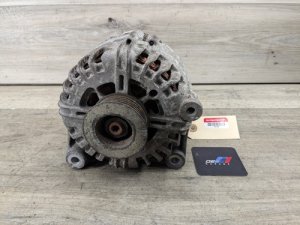
- Alternator
(OEM #12317561004)— This is one of the most common failure points for the P0562 code, as it is responsible for generating the vehicle's electrical power while running. The N62B48 typically uses a 180A unit.
Trusted brands: Bosch, Valeo (OEM)
OEM price range: $700-$1000
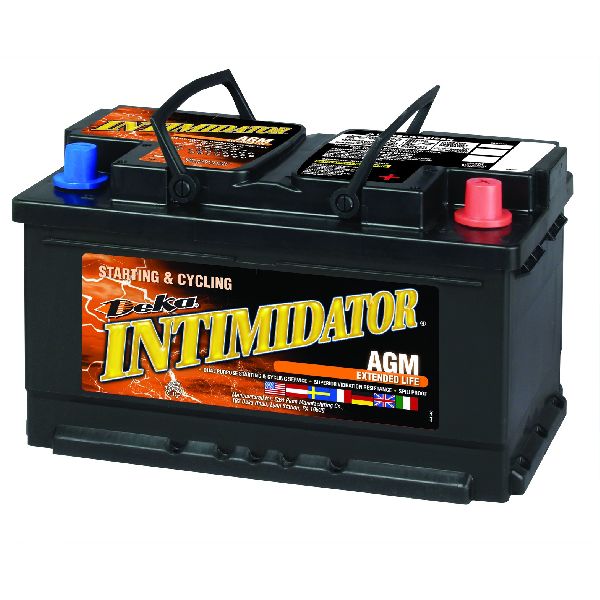
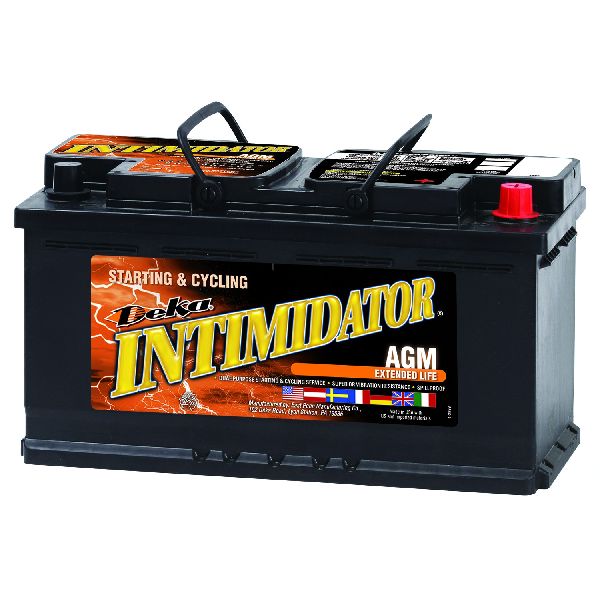
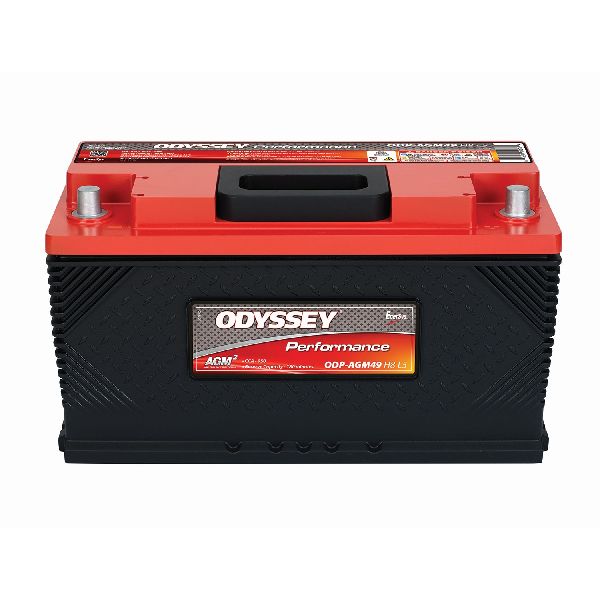
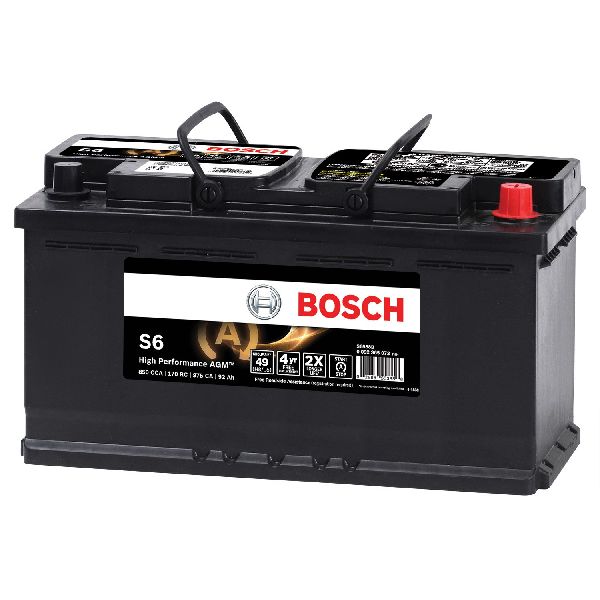
Aftermarket price range: $400-$800 - AGM Battery — The battery is the second most common cause. These vehicles require a specific AGM type battery which must be registered to the vehicle's computer upon installation.
Trusted brands: Varta, Exide, Deka, East Penn
OEM price range: $350-$500
Aftermarket price range: $200-$350 - Intelligent Battery Sensor (IBS) / Negative Battery Cable
(OEM #12427603567)— The IBS module fails and sends incorrect charging commands to the DME. It is sold as a complete unit with the negative battery cable.
Trusted brands: BMW (OEM)
OEM price range: $250-$350
Related Codes That Often Appear With This One
- 2E8D: Intelligent battery sensor, communication
- 2DEC: Power management, battery monitoring
- 2DED: Power management, closed-circuit current monitoring
- 2E8E: Intelligent battery sensor, communication
Technical Service Bulletins (TSBs) & Recalls
- SI B61 13 05: This Service Information bulletin from BMW addresses 'Dead Battery' complaints and mandates the use of an 'Energy Diagnosis' test plan to find the root cause, emphasizing that simply replacing the battery is often not a permanent fix.
Platform-Specific Known Issues
- Battery Registration is Mandatory: Failure to register a new battery with a BMW-specific scan tool will lead to incorrect charging, premature battery failure, and other electrical issues.
- IBS Sleep Mode: The vehicle must go to sleep (typically after 16-60 minutes) for the IBS to perform accurate closed-circuit current monitoring. Interrupting this process can lead to false readings and battery drain warnings.
- Alternator Amperage Options: The 4.8i came with different alternator options (e.g., 180A, 220A) depending on the vehicle's factory options like 4-zone climate control. It is crucial to replace it with an alternator of the correct amperage.
Mechanic-Grade Diagnostic Values
- Alternator output voltage at idle, under heavy electrical load (headlights, rear defrost, max fan) — expected: > 13.8V. Failure: Voltage drops below 13.8V, indicating a weak alternator that cannot keep up with demand.
- Engine off (static) battery voltage for AGM type — expected: Approx. 12.6V - 12.8V. Failure: Voltage below 12.4V indicates a discharged or failing battery.
- Parasitic draw (closed-circuit current) after vehicle has entered sleep mode (approx. 30-60 mins) — expected: < 50mA. Failure: A sustained draw over 50mA indicates a module is not sleeping correctly and is draining the battery. Often triggers fault code 2DED.
- Resistance of engine-to-chassis ground strap — expected: 0.0 - 0.2 Ohms. Failure: Any reading significantly higher than 0.2 Ohms indicates high resistance from corrosion or damage, requiring strap replacement.
Hidden / Shadow Codes Worth Checking
- 2E8D: Intelligent battery sensor, signal transmission. This indicates a problem with the signal from the IBS itself, often due to an internal failure of the sensor. (see via BMW-specific scan tools like ISTA, INPA, or advanced handhelds (Foxwell, Autel).)
- 2E8E: Intelligent battery sensor, communication. This points to a failure in the communication link (the BSD line) between the IBS and the DME. (see via BMW-specific scan tools like ISTA, INPA.)
- 2DEC: Power management, battery monitoring. The DME has detected an issue with the overall battery state that it is monitoring, often triggered by a failing battery or incorrect registration. (see via BMW-specific scan tools.)
- 2DED: Power management, closed-circuit current monitoring. This code is set when the IBS detects a higher-than-normal parasitic draw when the vehicle is supposed to be asleep. (see via BMW-specific scan tools.)
Scan Tool Commands That Help
- ISTA/D: Vehicle Test / Fault Memory Scan — Initial step to read all module fault codes, including the critical shadow codes that generic OBD-II readers will miss.
- ISTA/D: Energy Diagnosis Test Plan — To systematically diagnose charging system issues. ISTA will guide the technician through checks of the battery, alternator, IBS, and look for parasitic draws.
- ISTA/D or INPA: IBS Status / Closed-Circuit Current Histogram — To check the data the IBS is sending to the DME. This allows a technician to see the battery's state of charge over the last several hours and identify abnormal current draws.
- ISTA/P or capable aftermarket tool (Autel, BimmerLink): Service Functions -> Battery Registration — This is a mandatory step after installing a new battery. It resets the charging history and tells the power management system to adapt to the new battery's characteristics.
Wiring & Ground Locations
- Engine-to-Chassis Ground Strap — On the driver's side (LHD models), it connects the engine block/mount area to the chassis frame rail. Access often requires removing the driver's side front wheel and inner fender liners.. This is the primary ground path for the alternator. Corrosion or breakage of this strap creates high resistance, causing a voltage drop that the DME interprets as a charging system failure, triggering P0562. It is a very common failure point.
- Junction Box Electronics (JBE) — Located behind the glove box on the passenger side. It also serves as the main interior fuse panel.. This module is a central gateway for many body electronics. Water ingress from clogged sunroof drains can damage the JBE, leading to communication errors and significant parasitic battery drain, which can cause or mimic P0562 symptoms.
- IBS Connector — A small, single-wire blue connector that plugs into the Intelligent Battery Sensor module on the negative battery terminal clamp in the trunk.. This is the BSD communication line between the IBS and the DME. If this wire is damaged or the connector is loose/corroded, the DME loses communication with the IBS (fault 2E8E) and will default to a fixed, non-optimal charging voltage, potentially causing P0562.
Real Owner Repair Stories
- YouTube user comment section and various forum posts (2007-2010 BMW X5 4.8i (E70)) — Slow crank, multiple random warning lights (4x4, DSC, ABS), "Charging Malfunction" message, and eventually a no-start condition. P0562 code present.
❌ Tried (didn't work) Replacing the battery (sometimes without registration, which made the problem return quickly)., Replacing the alternator.
✅ What actually fixed it The engine-to-chassis ground strap was found to be severely corroded and frayed. In some cases, it was completely broken. Replacing the strap with a new OEM part (PN 12427557027 for some models) resolved the voltage drop and all associated symptoms. - Bimmerpost forum threads (2008 BMW X5 4.8i) — P0562, 2E8D, and 2E8E codes. Voltage fluctuating wildly, sometimes over 15.5V, causing lights to flicker brightly. "Increased battery discharge" warning even with a new battery.
❌ Tried (didn't work) Replacing and registering a new AGM battery., Testing the alternator, which showed it was producing voltage (but it was erratic).
✅ What actually fixed it The Intelligent Battery Sensor (IBS) was faulty. As a test, the owner disconnected the small blue connector on the IBS, and the alternator immediately defaulted to a stable ~14.2V output. Replacing the entire negative battery cable assembly (which includes the IBS) and clearing codes permanently fixed the issue.
OEM Part Supersession History
Multiple older numbers→12317561004 (Valeo 180A Alternator)— Part consolidation and minor revisions over the production run.
Heads up: Ensure the amperage (typically 180A for the 4.8i) matches the vehicle's original specification. While other alternators might physically fit, a lower amperage unit will be overworked.Multiple older numbers→12427603567 (Negative Battery Cable with IBS)— Revisions to the IBS electronics for improved reliability.
Heads up: Always use the latest available part number for the IBS cable. The software in the DME and the IBS must be compatible; in some rare cases, a vehicle software update via ISTA/P may be required when replacing with a much newer sensor.
Model Year Variations Within This Range
- 2007-2010: These model years used the naturally aspirated N62B48 4.8L V8 engine and a 6-speed automatic transmission.
- 2011-2013 (LCI Models): These are facelift (LCI) models and did NOT use the N62B48 engine. They were equipped with turbocharged engines (N55 I6 or N63 V8) and an 8-speed transmission. While the charging system principles are similar (IBS, registration), the specific components like the alternator and wiring locations differ. This guide is not directly applicable to these later years.
Diagnostic Flowchart
Other Known Issues on This Vehicle
Issues unrelated to this code that are worth knowing about as an owner of this generation:
- Valve Stem Seal Failure 🔴 High — Extremely common, typically occurs between 60,000 and 120,000 miles. Leads to significant oil consumption and blue smoke from the exhaust, especially after idling.
- Coolant Transfer Pipe Leak 🔴 High — Common failure, often seen after 80,000 miles. Causes a coolant leak from a 'weep hole' at the front of the engine.
- Alternator Bracket Gasket Oil Leak 🟠 Medium — Very common oil leak source, can occur anytime after 60,000 miles.
- Valve Cover Gasket Leaks 🟠 Medium — Common on most aging BMW engines, including the N62. Typically needs replacement every 60,000-80,000 miles.
Used vs. New Parts: Buying Guide for This Vehicle
When a used part is the smart pick: A used part is generally not recommended for the primary failure components related to P0562. However, if a specific wiring harness connector is damaged, sourcing a pigtail from a junkyard vehicle can be a cost-effective repair.
Donor-vehicle mileage cap: roughly under 80000 miles for the part to have meaningful remaining life.
What to inspect on the donor part:
- For wiring: Check for any signs of corrosion (green crust), brittleness, or previous repair work (tape, butt connectors).
- Ensure the vehicle was not in a flood or front-end collision.
- Look for a vehicle with a clean interior, as it suggests better overall care.
OEM-only on this vehicle (don't cheap out):
- Intelligent Battery Sensor (IBS) / Negative Battery Cable: Aftermarket versions are not available or trusted. The sensitivity of this electronic module requires an OEM part to ensure correct communication with the DME.
- Voltage Regulator: While the regulator is a separate part, using the OEM supplier (Valeo) is critical. An incorrect regulator can use the wrong communication protocol (e.g., BSS) and will not function, even if it physically fits.
Aftermarket brands forum-validated for this vehicle:
- Alternator: Bosch or Valeo (who is the Original Equipment Manufacturer) are the most trusted brands. A professionally remanufactured unit from one of these brands is a reliable option.
- Battery: Varta, Exide, and East Penn (who makes Deka) are reputable AGM battery manufacturers that meet or exceed OEM specifications.
Brands owners have reported issues with on this vehicle:
- No-name, unbranded alternators from online marketplaces. These often have poor quality voltage regulators that fail quickly or provide unstable voltage.
- Any battery that is not an AGM type, unless the vehicle is specifically coded to accept a standard lead-acid battery (not recommended).
Real Owner Stories
Aggregated from forums and TSBs cited above. Mileages and costs reflect what owners reported in those sources.
2007-2013 BMW X5 (E70)
Symptoms: Owner experienced charging issues where they were unsure if the alternator or the IBS was the culprit. Testing showed inconsistent voltage readings.
What fixed it: The owner disconnected the small blue IBS sensor connector as a diagnostic step. When the charging voltage returned to a stable 14.2V, it confirmed the IBS was faulty.
Source hint: Bimmerpost - Charging Issue E70 X5 Alternator or IBS?
2007-2013 BMW X5 M
Symptoms: Battery and alternator related issues on a high-performance variant of the E70 platform.
What fixed it: Diagnosis of the charging system and battery health (though the specific final component is part of a broader discussion on E70 electrical sensitivity).
Source hint: Reddit r/BmwTech - E70 X5M Battery/Alternator Issue
Related OBD-II Codes
Frequently Asked Questions
My iDrive is showing an 'Increased battery discharge' message; does this mean I need a new battery?
Can I just swap the battery in my 4.8i myself, or does it require special tools?
I'm seeing a red battery light and a 'Charging malfunction' on the screen. Is my alternator dead?
Why are my wipers and navigation acting crazy when the battery light comes on?
Is there a way to test if the IBS sensor is causing my low voltage issues without buying a new one?
Does it matter which alternator I buy for the 4.8L V8?
Helpful Videos

Used OEM Parts in Stock


New Aftermarket Parts Available


The information in this article is provided for general reference and educational purposes only. Vehicle specifications, procedures, and part compatibility can vary by production date, trim level, and region. Always consult your vehicle's factory service manual and verify part numbers before purchasing or performing repairs. Safety-critical components such as airbags, seat belts, and braking systems should be installed by a qualified professional.
- BMW X5:
- 🎬 Helpful Videos
- 🛍️ Shop This Part
- What's Unique About the 2007-2013 BMW X5
- Symptoms You May Notice
- Most Likely Causes
- Rare But Worth Checking
- Diagnosis Steps
- Parts You'll Likely Need
- Related Codes That Often Appear With This One
- Technical Service Bulletins (TSBs) & Recalls
- Platform-Specific Known Issues
- Mechanic-Grade Diagnostic Values
- Hidden / Shadow Codes Worth Checking
- Scan Tool Commands That Help
- Wiring & Ground Locations
- Real Owner Repair Stories
- OEM Part Supersession History
- Model Year Variations Within This Range
- Diagnostic Flowchart
- Other Known Issues on This Vehicle
- Used vs. New Parts: Buying Guide for This Vehicle
- Real Owner Stories
- 2007-2013 BMW X5 (E70)
- 2007-2013 BMW X5 M
- Related OBD-II Codes
- Frequently Asked Questions
- 🎟️ Get 5% Off