

P0524 on 2016-2018 Mazda CX-3: Low Oil Pressure Causes and Fixes
This code indicates dangerously low engine oil pressure. On this Mazda, it's often caused by a clogged oil strainer or a faulty oil control valve (OCV), and frequently appears with code P0015. Immediately stop the engine, check the oil level, and have the vehicle towed for diagnosis to prevent severe engine damage. Mazda has issued a TSB addressing this specific combination of codes.
- P0524 is a critical code for your Mazda CX-3. Stop the engine immediately to prevent catastrophic damage.
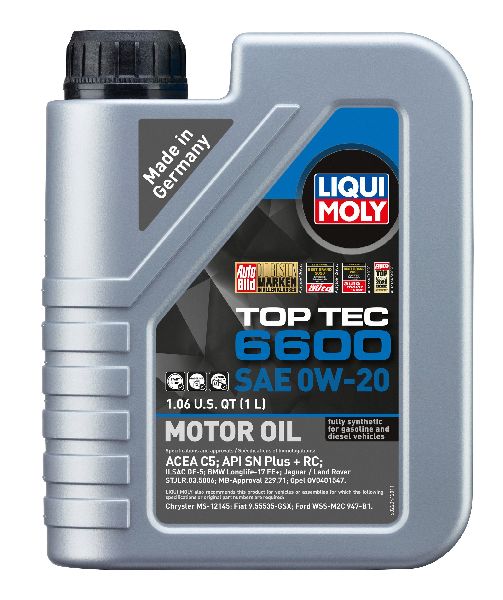
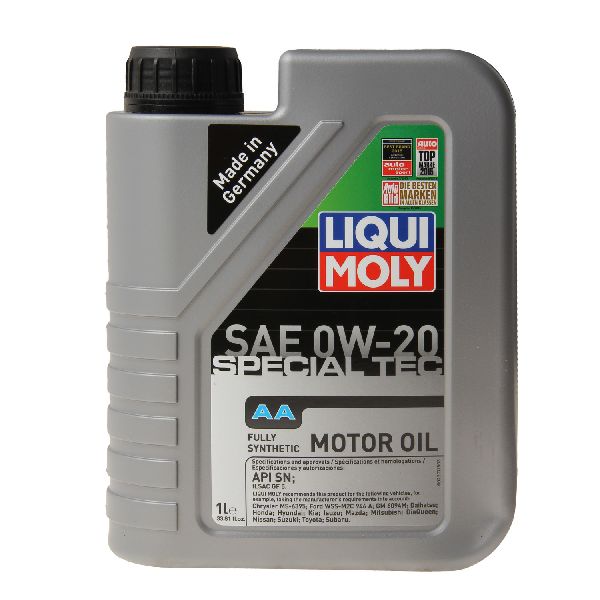
- The most basic check is the oil level. Ensure it's full and you are using 0W-20 full synthetic oil.
- This code is very often paired with P0015 (timing issue). Always diagnose the P0524 oil pressure problem first, as it is the root cause.
- A known issue on this engine is a clogged oil strainer or a faulty Oil Control Valve (OCV), as documented by Mazda in a TSB.
- Do not replace sensors randomly. The first professional step is to verify actual oil pressure with a mechanical gauge.
What's Unique About the 2016-2018 Mazda CX-3
On the Mazda CX-3 with the Skyactiv-G 2.0L engine, the P0524 code has a very specific and well-documented history. Mazda issued a Technical Service Bulletin (TSB 01-016-19-3627) that directly links P0524 with a timing-related code, P0015. This is because the engine's variable valve timing (VVT) system is hydraulically operated; low oil pressure prevents the camshaft phasers from adjusting correctly, leading to timing errors. The TSB points to foreign objects or debris getting stuck in the oil control valve (OCV) or the oil pump's pressure relief valve as a primary cause. The debris temporarily restricts oil flow, triggering the codes. The rough idle may not appear until some time after the initial check engine light.
Symptoms You May Notice
- Check Engine Light is on
- Low oil pressure warning light on the dashboard 🎬 Watch: What low oil pressure warnings mean on Mazda vehicles
- Rough idle
- Engine running rough or making abnormal rattling/knocking noises
- Engine may enter a 'limp mode', limiting RPMs (e.g., won't rev above 2000 RPM)
- Replacing the camshaft position sensor for code P0015 without addressing the P0524 first. The timing issue (P0015) is almost always a symptom of the oil pressure problem (P0524) on this platform, as stated in TSB 01-016-19-3627.
Most Likely Causes
- Low Engine Oil Level 🔴 High Probability This is the most common cause for low oil pressure on any vehicle, often due to consumption over time or leaks.
How to confirm: Check the engine oil level using the dipstick. The level should be between the two marks.
Typical fix: Top up with the correct specification oil (Mazda 0W-20 for Skyactiv-G engines).
Est. part cost: $10-$20 - Clogged Oil Strainer (Pickup Tube) 🟡 Medium Probability Mazda TSBs mention that foreign objects or debris can enter the oiling system and restrict oil flow to the pump. The TSB specifically calls for replacing the oil strainer with a modified part if low pressure is confirmed, suggesting an update to the original design.
How to confirm: This requires removing the oil pan to visually inspect the oil strainer for sludge or debris. A forum user confirmed this was the ultimate fix after other attempted repairs failed.
Typical fix: Clean the oil pan and replace the oil strainer with the modified part (OEM Part No. PE01-14-240A). An oil change is also required.
Est. part cost: $25-$50 - Faulty Oil Control Valve (OCV) 🟡 Medium Probability TSB #01-016-19-3627 specifically identifies a foreign object stuck in the OCV as a cause for the pressure drop that triggers P0524 and P0015. Debris can cause the valve to stick, leading to a pressure drop and incorrect camshaft timing.
How to confirm: Diagnosis involves checking VVT angles with a scan tool (M-MDS). If the difference between target and actual exhaust valve timing is over 5 degrees, the TSB points to the OCV.
Typical fix: Replace the Oil Control Valve (OEM Part No. PE01-14-420A). 🎬 See how to replace the oil control valve on Skyactiv engines
Est. part cost: $80-$150 - Incorrect Oil Viscosity or Clogged Oil Filter ⚪ Low Probability Skyactiv engines are sensitive to oil type. Using a thicker oil than the specified 0W-20 can cause flow issues. A low-quality, defective, or clogged oil filter can also restrict flow, causing a pressure drop.
How to confirm: Verify the oil type used in the last oil change. A user on a Mazda forum experienced recurring P0524 that was temporarily fixed by replacing a recently installed oil filter, and then again by a full oil change, indicating sensitivity to filter quality or oil condition.
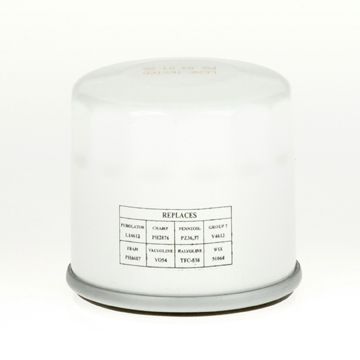
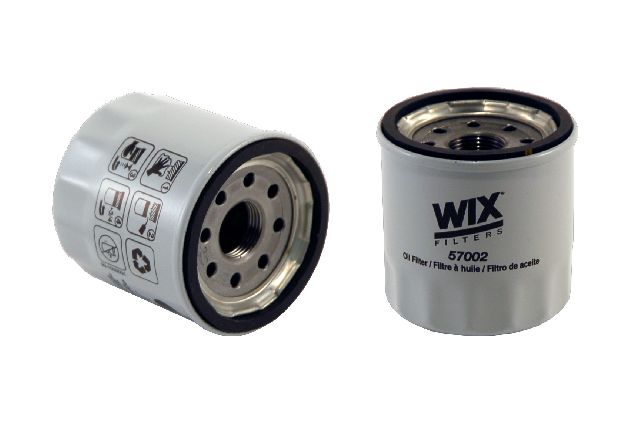
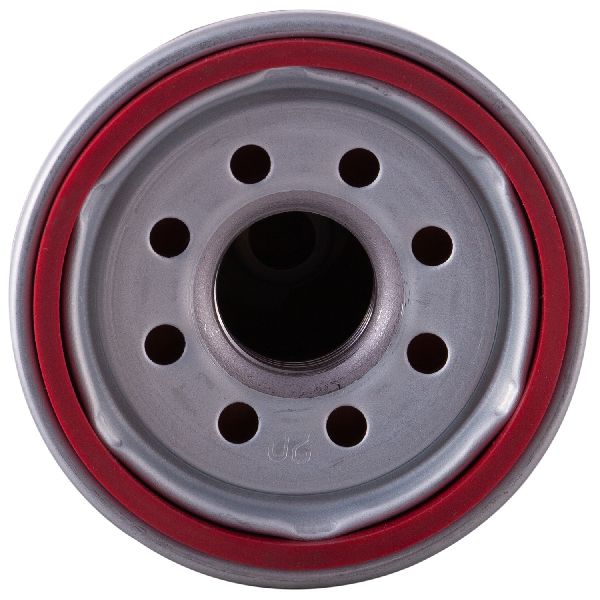
Typical fix: Perform an oil and filter change using the correct Mazda-specified 0W-20 full synthetic oil and a high-quality filter (OEM Part No. 1WPE-14-302).
Est. part cost: $50-$90 - Failing Oil Pump ⚪ Low Probability While less common, the TSB diagnostic procedure includes replacing the oil pump if a mechanical gauge confirms low pressure and other causes (like a clogged strainer) are ruled out.
How to confirm: After confirming all other causes are not present, a mechanical oil pressure test showing pressure below specification across the RPM range points to a failing pump. The TSB provides a specific test procedure at 650, 1,500, and 4,500 RPM.
Typical fix: Replace the engine oil pump.
Est. part cost: $200-$400
Rare But Worth Checking
- Faulty Oil Pressure Sensor: While a bad sensor can cause this code, it's less common than actual low pressure. The first step should always be to verify the real oil pressure with a mechanical gauge before replacing the sensor. A forum user replaced the sensor (Part No. PY8V-18-541B) without success, as the issue was ultimately a clogged oil strainer.
- Worn Internal Engine Components: In high-mileage engines, worn crankshaft or camshaft bearings can cause excessive clearance, leading to a drop in overall oil pressure. This is a worst-case scenario and usually accompanied by engine knocking noises.
Diagnosis Steps
- DO NOT START THE ENGINE. Check the engine oil level using the dipstick. If low, top up with 0W-20 synthetic oil and re-evaluate.
- If the oil level is correct, have the vehicle towed to a qualified mechanic.
- A mechanic should connect a mechanical oil pressure gauge to the engine to verify the actual oil pressure. This step is crucial to determine if it's a real pressure issue or a sensor fault. The TSB specifies checking pressure at 650, 1,500, and 4,500 RPM after the engine is warmed to 90°C (194°F).
- If mechanical pressure is good, inspect the oil pressure sensor and its wiring harness for damage or leaks. The sensor is located on the center of the left side of the engine block, with its wiring going to pin 1P on the PCM. Replace the sensor if faulty.
- If mechanical pressure is low, follow the diagnostic path from TSB #01-016-19-3627. This involves checking VVT angles with a scan tool (M-MDS).
- If the difference between the target (VT_EX_DES) and actual (VT_EX_ACT) exhaust valve timing angle is over 5 degrees, the TSB advises replacing the Oil Control Valve (OCV).
- If VVT angles are normal (within 5 degrees) or after replacing the OCV, the next step is to drop the oil pan.
- Inspect the oil strainer for clogging. If clogged, replace the strainer with the updated part (PE01-14-240A), clean the oil pan, and change the oil and filter.
- If the strainer is clean but pressure is still confirmed low, the oil pump is the most likely culprit and should be replaced.
Parts You'll Likely Need
- Oil Strainer (Pickup Tube)
(OEM #PE01-14-240A)— TSBs and owner reports indicate this part is prone to clogging with debris, starving the oil pump. Mazda has a modified part available which is specified in the TSB repair procedure.
Trusted brands: Mazda OE
OEM price range: $25-$50
Aftermarket price range: $20-$40 - Oil Control Valve (OCV) / VVT Solenoid
(OEM #PE01-14-420A)— A primary cause cited in the manufacturer TSB, where debris can cause the valve to stick, leading to a pressure drop and associated timing code P0015.
Trusted brands: Mazda OE, Dorman
OEM price range: $120-$180
Aftermarket price range: $70-$120 - Engine Oil Pump — If the oil strainer is clean and pressure is still confirmed to be low, the pump itself has likely failed.
Trusted brands: Mazda OE, Melling
OEM price range: $250-$400
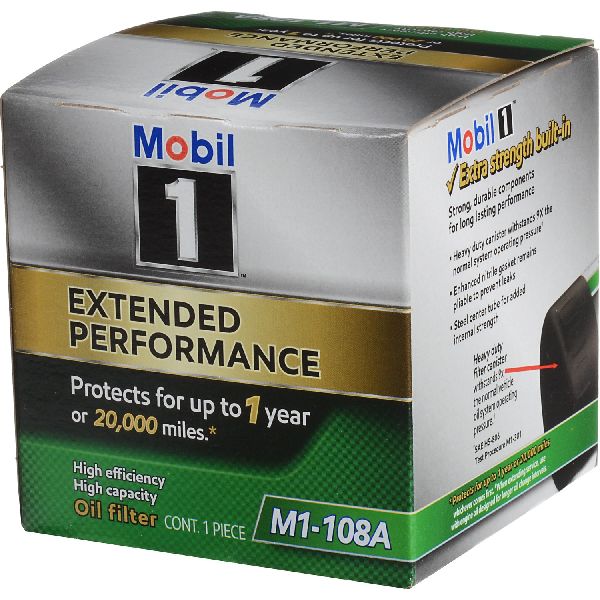
Aftermarket price range: $150-$250 - Engine Oil and Filter
(OEM #1WPE-14-302 (Filter))— Required for almost any repair related to the lubrication system. Use only 0W-20 full synthetic oil.
Trusted brands: Mazda OE, Mobil 1, Castrol
OEM price range: $60-$90
Aftermarket price range: $40-$70
Related Codes That Often Appear With This One
- P0015 — As detailed in Mazda TSB #01-016-19-3627, low oil pressure (P0524) prevents the oil-actuated variable valve timing system from working correctly, causing the exhaust camshaft timing to be over-retarded (P0015).
Technical Service Bulletins (TSBs) & Recalls
- Bulletin #01-016-19-3627: Notes that P0524 may appear with P0015 and a rough idle due to a drop in engine oil pressure caused by debris in the oil pump pressure relief valve or OCV. It provides a detailed diagnostic procedure and specifies replacing the oil strainer with a modified part.
Platform-Specific Known Issues
- A known issue documented in Mazda TSB #01-016-19-3627 describes how foreign material can get stuck in the oil pump pressure relief valve or the Oil Control Valve (OCV), causing a drop in oil pressure that triggers codes P0524 and P0015, along with a rough idle. The TSB outlines a specific diagnostic flowchart depending on whether P0015 appears alone or with P0524.
Mechanic-Grade Diagnostic Values
- Engine Oil Pressure at Idle (650 RPM) — expected: 50 kPa (7 psi) or more. Failure: Pressure below 7 psi indicates a fault.
- Engine Oil Pressure at 1,500 RPM — expected: 110 - 175 kPa (16.0 - 25.3 psi). Failure: Pressure outside this range indicates a fault.
- Engine Oil Pressure at 4,500 RPM — expected: Not explicitly defined in the TSB, but an EPA document notes pressures over 320 kPa are typical at higher loads for Skyactiv engines.. Failure: Significantly low pressure compared to the 1,500 RPM reading.
- Exhaust VVT Actual vs. Target Angle Difference — expected: Within 5 degrees. Failure: A difference of over 5 degrees points to a faulty Oil Control Valve (OCV).
Hidden / Shadow Codes Worth Checking
- P0198: Engine Oil Temperature Sensor Circuit High. A forum user reported this code appears when the oil pressure switch is unplugged, suggesting the sensor may be a combined unit or share wiring, which is a useful diagnostic clue. (see via Standard OBD-II scanner after unplugging the oil pressure switch.)
Scan Tool Commands That Help
- Mazda M-MDS (or equivalent like FORScan): Live Data Monitoring: VT_EX_DES (Target Exhaust Valve Timing) and VT_EX_ACT (Actual Exhaust Valve Timing) — This is a key step in the TSB diagnostic flowchart when P0524 is present with P0015. Comparing these two values determines if the Oil Control Valve (OCV) is the likely cause of the timing deviation.
- Mazda M-MDS/IDS: Live Data Monitoring: RPM — The TSB explicitly states to use the scan tool to verify stable engine RPM at 650, 1,500, and 4,500 for the mechanical oil pressure test, and not to rely on the vehicle's dashboard tachometer for accuracy.
Wiring & Ground Locations
- Oil Pressure Switch — Center of the left side of the engine block.. This is the primary sensor for P0524. Knowing its location is essential for inspection, testing, and replacement.
- PCM Pin 1P — At the Powertrain Control Module (PCM), located in the left rear of the engine compartment.. The signal wire from the oil pressure switch connects to this pin. It is the endpoint for checking wiring continuity from the sensor.
- G10 — Left rear of the cylinder head.. This is a primary engine ground point shown on the wiring diagram. A poor connection here could potentially affect various engine sensors, including the oil pressure switch.
Real Owner Repair Stories
- Mazda Forum user 'mr_vanhorn@yahoo.com' and 'dant' (2019 Mazda CX-3 (later model year but identical P0524 issue and engine family)) — P0524 code, engine enters limp mode and won't rev above 2000 RPM, oil light comes on when revved.
❌ Tried (didn't work) Replacing the oil filter (only a temporary fix for a few weeks)., Performing a full oil change (also a temporary fix)., Replacing the engine oil pressure switch (Part No. PY8V-18-541B) did not fix the problem.
✅ What actually fixed it Another user in the same thread, following the TSB, removed the oil pan and found the oil strainer was 'very clogged'. Cleaning the strainer resolved the issue.
OEM Part Supersession History
PE0114420→PE01-14-420A— Revision or update by the manufacturer.PE0114240, PE7W14240, PEDD14240→PE01-14-240A— This is the 'modified part' referenced in Mazda TSBs, likely to improve filtration or prevent clogging.
Model Year Variations Within This Range
- 2018: The 2018 model year received a facelift that included minor upgrades to the SKYACTIV-G 2.0L engine for improved quietness and ride feel. While the fundamental design and P0524 issue remained, some ancillary components or software calibrations may differ from 2016-2017 models.
Diagnostic Flowchart
Other Known Issues on This Vehicle
Issues unrelated to this code that are worth knowing about as an owner of this generation:
- Leaking A/C Condenser 🟠 Medium — Common enough that Mazda issued a warranty extension (SSPB8) for 2016-2017 models. (Ref: SSPB8 (Warranty Extension))
- Noisy / Failing Wheel Bearings 🟡 Low — A common complaint, with humming noises noticeable at highway speeds. TSBs SA-006-22 and SA-016-19 were issued for misdiagnosing wheel bearing noise as transmission or differential issues. (Ref: TSB SA-006-22, TSB SA-016-19)
- Infotainment System Glitches ('Ghost Touch') 🟠 Medium — The Mazda Connect screen can become unresponsive or register phantom touches, causing erratic behavior. This is a widely reported issue across many Mazda models of this era.
- Jerky Automatic Transmission 🟡 Low — Some owners report jerky shifting at low speeds, particularly after 20,000-40,000 km. It can sometimes be addressed with a software update or fluid change. TSB 05-004/19 addresses related pressure switch codes. (Ref: TSB 05-004/19)
- Increased Oil Consumption (Petrol Engines) 🟠 Medium — Some reports indicate increased oil consumption after 50,000-70,000 km, potentially due to worn piston rings or valve stem seals.
Used vs. New Parts: Buying Guide for This Vehicle
When a used part is the smart pick: For this specific repair, using used parts is generally not recommended due to the critical nature of the lubrication system and the low cost of the most common failure components (strainer, OCV). The risk of introducing a faulty or worn part far outweighs the potential savings.
Donor-vehicle mileage cap: roughly under 40000 miles for the part to have meaningful remaining life.
What to inspect on the donor part:
- For an OCV, there are no reliable visual cues; it's an electronic solenoid.
- For an oil pump, there should be no scoring or visible damage on the housing or gears.
- Avoid any parts from an engine that shows signs of heavy sludge or metallic debris in the oil pan.
OEM-only on this vehicle (don't cheap out):
- Oil Strainer (Pickup Tube): The TSB specifically calls for a 'modified' part from Mazda, and the part is inexpensive. Using a used or non-OEM part risks repeat failure.
- Oil Pressure Sensor: Critical sensors should be OEM to ensure accurate readings and avoid chasing phantom issues.
- Oil Control Valve (OCV): While aftermarket options exist, the TSB repair specifies the OEM part. Given its role in engine timing and the known issue with debris, a new OEM valve is the most reliable choice.
Aftermarket brands forum-validated for this vehicle:
- Melling: For the oil pump, if an aftermarket option is chosen, Melling is a widely recognized brand in the industry, though OEM is still the safest path for this repair.
Brands owners have reported issues with on this vehicle:
- Unbranded/white-box oil filters and sensors: A forum user's experience with a recurring P0524 code temporarily fixed by replacing a new filter suggests that low-quality filters can be a direct cause of the problem.
Real Owner Stories
Aggregated from forums and TSBs cited above. Mileages and costs reflect what owners reported in those sources.
2019 Mazda CX-3 Skyactiv-G
Symptoms: Recurring P0524 code and the vehicle entering limp mode. The owner found that replacing a recently installed oil filter provided temporary relief, but the code returned until a full oil change was performed.
What fixed it: A full oil and filter change, highlighting the engine's sensitivity to oil and filter condition.
Source hint: Mazda Forum thread titled 'P0524 code on 2019 CX-3 - Mazda Forum'
2016-2018 Mazda CX-3 Skyactiv-G 2.0L
Symptoms: Low oil pressure confirmed by a mechanical gauge after other repairs failed to clear the P0524 code.
What fixed it: Removing the oil pan, cleaning it, and replacing the oil strainer with the modified OEM part (PE01-14-240A).
Source hint: Mazda TSB #01-016-19-3627 and forum user confirmation
Mazda CX-5 Skyactiv-G
Symptoms: P0524 code triggered; owner was advised to tow the vehicle immediately to prevent engine damage.
What fixed it: The dealer replaced the oil control valve (OCV) to resolve the pressure drop issue.
Source hint: Reddit r/mazda thread titled 'P0524 code?'
Related OBD-II Codes
Frequently Asked Questions
Does Mazda TSB #01-016-19-3627 apply to my 2016-2018 CX-3?
What is the specific part number for the updated oil strainer mentioned in the Mazda service bulletin?
Can I use a different oil weight than 0W-20 in my Skyactiv-G 2.0L engine?
My CX-3 won't rev above 2000 RPM and has a P0524 code. Is this normal?
If my VVT angles are off by more than 5 degrees, what part does Mazda recommend replacing?
Is there a specific oil filter I should use to avoid pressure drops?
Helpful Videos

![How to Fix P0524 Engine Code in 4 Minutes [2 DIY Methods / Only $6.99]](https://img.youtube.com/vi/qOfaymDQMXM/mqdefault.jpg)
Used OEM Parts in Stock
New Aftermarket Parts Available

The information in this article is provided for general reference and educational purposes only. Vehicle specifications, procedures, and part compatibility can vary by production date, trim level, and region. Always consult your vehicle's factory service manual and verify part numbers before purchasing or performing repairs. Safety-critical components such as airbags, seat belts, and braking systems should be installed by a qualified professional.
- Mazda CX-3:
- 🎬 Helpful Videos
- 🛍️ Shop This Part
- What's Unique About the 2016-2018 Mazda CX-3
- Symptoms You May Notice
- Most Likely Causes
- Rare But Worth Checking
- Diagnosis Steps
- Parts You'll Likely Need
- Related Codes That Often Appear With This One
- Technical Service Bulletins (TSBs) & Recalls
- Platform-Specific Known Issues
- Mechanic-Grade Diagnostic Values
- Hidden / Shadow Codes Worth Checking
- Scan Tool Commands That Help
- Wiring & Ground Locations
- Real Owner Repair Stories
- OEM Part Supersession History
- Model Year Variations Within This Range
- Diagnostic Flowchart
- Other Known Issues on This Vehicle
- Used vs. New Parts: Buying Guide for This Vehicle
- Real Owner Stories
- 2019 Mazda CX-3 Skyactiv-G
- 2016-2018 Mazda CX-3 Skyactiv-G 2.0L
- Mazda CX-5 Skyactiv-G
- Related OBD-II Codes
- Frequently Asked Questions
- 🎟️ Get 5% Off