

P0524 on 2018-2021 Mazda 6: Engine Oil Pressure Too Low Causes and Fixes
P0524 on a 2018-2021 Mazda 6 almost always means the engine oil solenoid valve is sticking, a known issue covered by Mazda TSB #01-003-24. This is especially common on models with cylinder deactivation. The fix requires replacing the valve, a full oil and filter change, and a mandatory dealer software update. Do not drive the vehicle; have it towed to prevent catastrophic engine damage.
- P0524 is a critical 'stop driving immediately' warning. To prevent catastrophic engine failure, have the vehicle towed for diagnosis.
- The most probable cause on your Mazda 6 is a sticking engine oil solenoid valve, a known issue addressed by Mazda TSB #01-003-24.
- Do not automatically replace the oil pressure sensor. The first diagnostic step after checking the oil level is to verify actual pressure with a mechanical gauge.
- The complete, correct repair involves three steps: replacing the solenoid valve, changing the oil and filter, and a mandatory PCM software update from a dealer.
What's Unique About the 2018-2021 Mazda 6
On the 2018-2021 Mazda 6, especially models with the Skyactiv-G 2.5L engine featuring cylinder deactivation, P0524 is rarely a simple sensor failure. Mazda has identified a common problem where internal oil contamination causes the engine oil solenoid valve to stick, disrupting the variable oil pressure system. This makes the diagnosis more specific than on other vehicles; the issue is so well-documented that Mazda issued Technical Service Bulletin (TSB) #01-003-24, which outlines a specific three-part repair involving hardware and a mandatory software update.
Symptoms You May Notice
- Check Engine Light is on
- Low Engine Oil Pressure warning light illuminated on the dashboard
- Rough or unstable idle
- Engine making grinding or knocking noises (a sign of severe damage)
- In some cases, no noticeable performance issues other than the warning lights.
- Replacing the oil pressure sensor without first verifying actual oil pressure with a mechanical gauge. On this platform, the sticking solenoid valve is far more likely to be the cause of true low pressure than a bad sensor.
- Clearing the code without performing the full TSB procedure (solenoid replacement, oil change, AND software update). The code will likely return.
Most Likely Causes
- Sticking Engine Oil Solenoid Valve 🔴 High Probability This is a well-documented issue for Skyactiv-G engines with cylinder deactivation, as outlined in Mazda TSB #01-003-24. Microscopic contamination in the oil can cause the valve, which regulates the variable oil pump, to stick.
How to confirm: After confirming the oil level is correct, a technician must verify that the oil pressure is actually low using a mechanical gauge. If actual pressure is low, the solenoid is the primary suspect per the TSB. Expected pressures are ~16-25 psi at 1,500 RPM and 43.6 - 62.3 psi at 4,500 RPM.
Typical fix: Replace the engine oil solenoid valve, perform a complete engine oil and filter change, and have a Mazda dealer perform a mandatory PCM software update to prevent recurrence.
Est. part cost: $80-$220 - Low Engine Oil Level 🟡 Medium Probability Some 2021 models with the 2.5L Turbo engine were subject to TSB #01-003-23 for excessive oil consumption due to faulty valve stem seals, which can lead to a low oil level. This issue is widespread enough to have prompted a class-action lawsuit. This is also a common cause on any vehicle due to leaks or normal consumption.
How to confirm: Check the engine oil dipstick. If the level is at or below the 'MIN' mark, the oil level is too low. The P250F code may also be present.
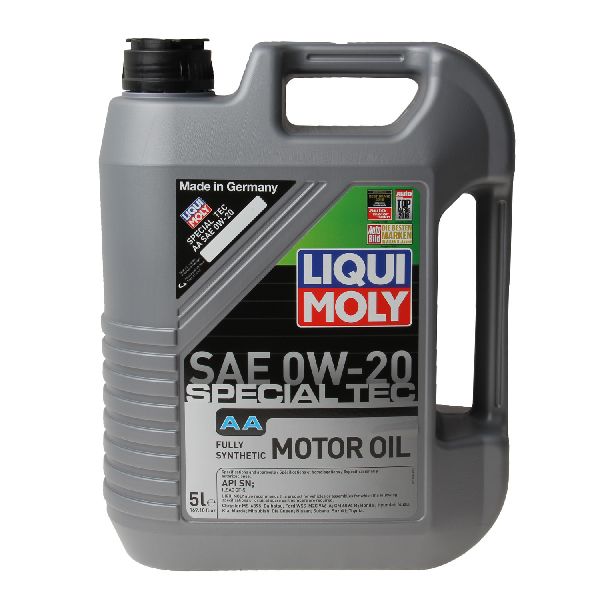
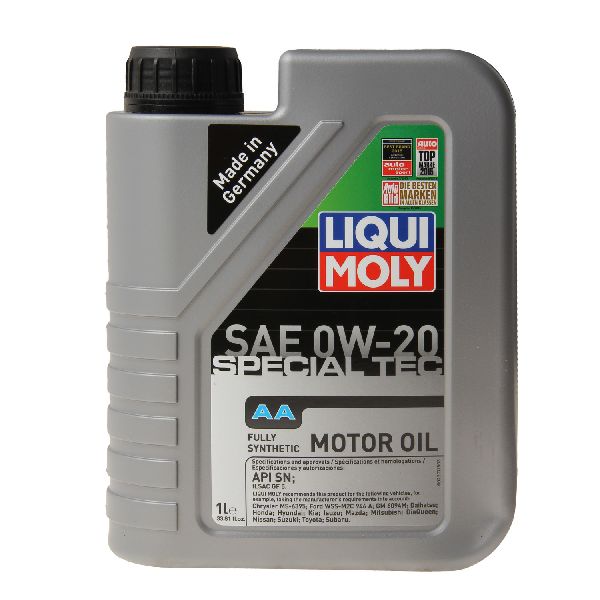
Typical fix: Top up the engine with the correct specification oil (Mazda 0W-20 High Moly). If the level drops again quickly, especially on a 2021 Turbo model, consult a dealer regarding TSB #01-003-23.
Est. part cost: $20-$40 - Faulty Engine Oil Pressure Sensor ⚪ Low Probability
How to confirm: If a mechanical oil pressure gauge shows normal pressure while the vehicle's computer reports low pressure, the sensor is sending a false signal. Also, inspect the sensor's electrical connector for oil leakage, a definitive sign of internal failure.
Typical fix: Replace the engine oil pressure sensor. The OEM part number PX9R-18-541 supersedes older versions like PY8V-18-541B and SH01-18-541.
Est. part cost: $40-$120
Rare But Worth Checking
- Clogged Oil Pump Pickup Screen / Failing Oil Pump: While less common than the solenoid issue, severe oil sludge or debris from a previous failure (like leaking injector washers on diesel models) can clog the oil pickup screen or cause the oil pump itself to fail, resulting in a genuine and severe loss of oil pressure.
Diagnosis Steps
- DO NOT START OR DRIVE THE VEHICLE. Have it towed to a qualified mechanic.
- Visually inspect the engine oil level and condition using the dipstick. If the level is low, top it off and check for obvious external leaks.
- If the oil level is correct, connect a mechanical oil pressure gauge to the engine.
- Start the engine briefly and compare the reading on the mechanical gauge to the oil pressure data from a professional scan tool. Check pressure at idle (~650 RPM) and higher RPMs (e.g., 4,500 RPM) to compare against specifications.
- If the mechanical gauge shows GOOD pressure but the scan tool shows LOW pressure, the oil pressure sensor or its wiring is faulty. Replace sensor PX9R-18-541.
- If the mechanical gauge confirms ACTUAL LOW pressure, the problem is mechanical. Given the known issues, the primary suspect is the sticking engine oil solenoid valve.
- Proceed with the TSB-recommended repair: replace the oil solenoid valve, change the oil and filter, and have the PCM reprogrammed by a dealer.
- If the check engine light will not turn off after the repair, the vehicle may be affected by TSB #01-012-20-3738, which describes a software fault preventing DTCs from clearing, requiring a dealer update.
Parts You'll Likely Need
- Engine Oil Solenoid Valve (for Turbo models)
(OEM #PY8W-14-440)— This is the most common point of failure for code P0524 on the 2.5T engine, as identified by Mazda in TSB #01-003-24.
Trusted brands: Mazda (OEM)
OEM price range: $80-$150
Aftermarket price range: $60-$110 - Engine Oil Solenoid Valve (for Non-Turbo models)
(OEM #PYFA-14-440C)— This is the equivalent valve for the naturally aspirated engine with cylinder deactivation, also implicated in TSB #01-003-24. This part number supersedes PYFA-14-440 and PYFA-14-440A.
Trusted brands: Mazda (OEM)
OEM price range: $210-$275 - Engine Oil Pressure Sensor
(OEM #PX9R-18-541)— This part is replaced only if diagnosis confirms the sensor is sending false signals (i.e., mechanical gauge shows good pressure). This part number supersedes PY8V-18-541B and SH01-18-541.
Trusted brands: Mazda (OEM), Bosch, Standard Motor Products
OEM price range: $75-$120
Aftermarket price range: $40-$70 - Engine Oil and Filter
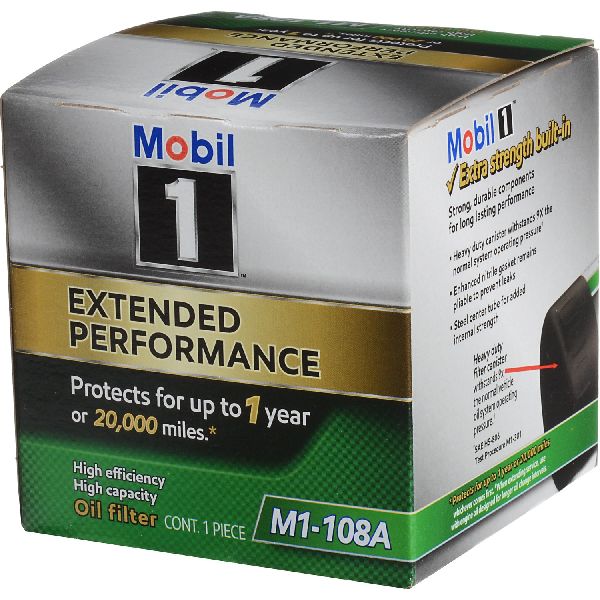
(OEM #1WPE-14-302 (Filter))— An oil and filter change is a mandatory part of the TSB repair procedure to remove the contaminants that caused the solenoid valve to stick.
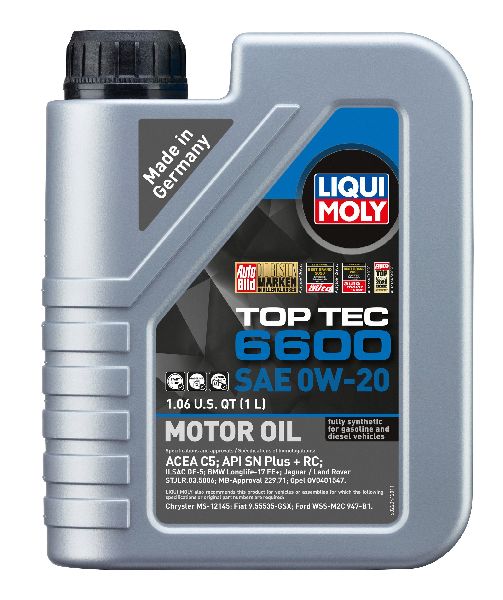
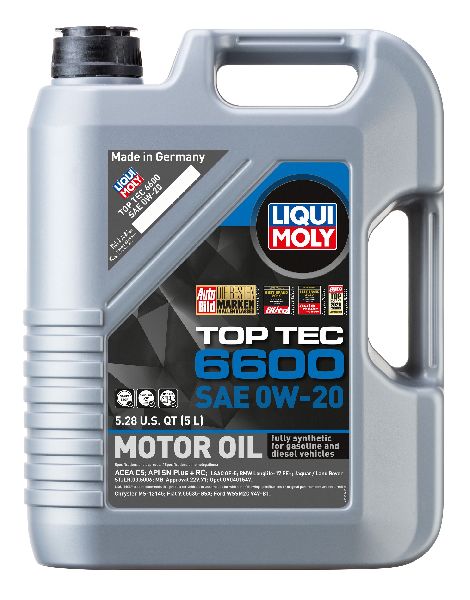
Trusted brands: Mazda High Moly 0W-20 (OEM), Mazda OEM Filter
OEM price range: $50-$80
Aftermarket price range: $30-$60
Related Codes That Often Appear With This One
- P055F — Stands for 'Engine Oil Pressure Out of Range'. Mazda's TSBs explicitly group P0524 and P055F as having the same root cause: the sticking oil solenoid valve.
- P0015 — Stands for 'Exhaust CMP Timing Over-Retarded'. An older TSB (01-016/19) links this code with P0524, as the drop in oil pressure directly impacts the performance of the variable valve timing (VVT) system.
- P250F — Stands for 'Engine Oil Level Low'. This code may appear before P0524 if the vehicle is suffering from excessive oil consumption, a known issue on some 2021 models covered by TSB #01-003-23.
Technical Service Bulletins (TSBs) & Recalls
- 01-003-24: CHECK ENGINE LIGHT ON WITH DTC P0524:00 OR P055F:00 - Sticking engine oil solenoid valve due to oil contamination.
- 01-012-20-3738: CHECK ENGINE LIGHT ON WITH DTC P2096:00, P2097:00 AND/OR P0524:00 - Addresses an issue where the check engine light may not turn off after a repair, requiring a PCM update.
- 01-003-23: LOW ENGINE OIL LEVEL WARNING LIGHT ON WITH DTC P250F:00 - Addresses excessive oil consumption on 2021 2.5T models.
Platform-Specific Known Issues
- TSB #01-003-24: This is the primary document for this issue. It states that for P0524 or P055F on 2018-2021 models with cylinder deactivation, the cause is likely a sticking engine oil solenoid valve due to contamination. The fix requires replacing the valve, an oil change, and a PCM update. This TSB has been updated multiple times, superseding older versions like 01-004-21 and 01-020-18.
- TSB #01-012-20-3738: Notes a potential software glitch on some models that can prevent P0524 and other codes from being cleared from memory even after a repair, reinforcing the need for a PCM software update.
- TSB #01-003-23: Specifically for 2021 models with the 2.5L Turbo engine, this bulletin addresses excessive oil consumption caused by faulty valve stem seals. This can lead to a low oil level, which is a direct cause of P0524.
Mechanic-Grade Diagnostic Values
- Oil Control Valve (OCV) / Solenoid Resistance — expected: 6.9 - 7.9 Ohms at 20°C (68°F). Failure: A resistance reading outside this range indicates a faulty solenoid coil.
- Engine Oil Pressure (Mechanical Gauge) at 1,500 RPM — expected: 110—175 kPa (16.0—25.3 psi). Failure: Pressure below 110 kPa (16.0 psi) confirms a mechanical low-pressure condition.
- Engine Oil Pressure (Mechanical Gauge) at 4,500 RPM — expected: 300—430 kPa (43.6—62.3 psi). Failure: Pressure below 300 kPa (43.6 psi) confirms a mechanical low-pressure condition at higher engine speeds.
- Scan Tool Live Data: Oil Pressure Control Duty Cycle — expected: Varies with engine load and RPM; on a known-good car, one technician noted ~60% duty cycle at idle.. Failure: A duty cycle that is commanded high (e.g., >80%) with a corresponding low pressure reading suggests the solenoid is being commanded to raise pressure but a mechanical fault (sticking valve, bad pump) is preventing it.
Hidden / Shadow Codes Worth Checking
- P0524:00: The ':00' is a Failure Type Code (FTC) indicating a general 'Component Fault'. Mazda TSBs specifically reference this full code when discussing the sticking oil solenoid valve, confirming it's the expected format on dealer-level tools. (see via Mazda M-MDS, FORScan, or other professional-grade scan tools that can read manufacturer-specific DTCs and symptom bytes.)
Scan Tool Commands That Help
- Mazda M-MDS / FORScan: PID/DATA MONITOR AND RECORD — Required to capture live data for PIDs like 'OIL_PRESS' (oil pressure) and 'OP_SW' (oil pressure switch status) while driving under the conditions specified in the Freeze Frame data to replicate the fault.
- Professional Scan Tool (e.g., Autel, Launch): View Live Data PIDs: 'Oil Pressure' and 'Oil Pressure Control Duty Cycle' — To monitor the PCM's commanded duty cycle to the oil control solenoid and compare it to the resulting oil pressure reported by the sensor. This helps differentiate between a control system command issue and a mechanical failure to respond.
Wiring & Ground Locations
- Oil Pressure Sensor Connector — On the engine block, often near the oil filter housing. It is a combined Engine Oil Temperature and Engine Oil Pressure sensor.. A diagnostic step involves checking for a short to ground in the wiring harness. With the sensor and PCM disconnected, a technician checks for continuity between the signal wire terminal (Terminal A) and a body ground. If continuity exists, the harness is shorted, causing a false code.
- PCM Connector Pin 1DN (Diesel example, similar for Gas) — At the Powertrain Control Module (PCM) connector.. To test for an open circuit, technicians check for continuity between the oil pressure sensor's harness-side terminal A and the corresponding pin at the PCM connector (e.g., 1DN on some models). Lack of continuity indicates a broken wire.
- Main Engine/Transmission Grounds — Key ground points are located on the passenger side motor mount, on top of the transmission, and near the starter.. While not a primary cause, a poor engine ground can create floating voltages and erratic sensor readings, potentially contributing to false codes. Ensuring all main grounds are clean and tight is a foundational diagnostic step.
Real Owner Repair Stories
- Mazdas247 Forum user 'ferro_sk' (2018 Mazda CX-5 (same engine platform)) — Check Engine Light with code P0524.
❌ Tried (didn't work) Initial diagnosis was unclear due to the vehicle being a new model at the time.
✅ What actually fixed it After consulting with Mazda support, the dealer performed a major repair, replacing the oil control solenoid valve, oil pump, oil pressure sensor, and the connecting rod bearings. This was an extreme case on a new vehicle, suggesting a potential manufacturing defect. - Reddit user (independent auto shop manager) (2018+ Mazda (specific model not stated, but PY-VPS engine)) — Persistent P0524 code after a cracked cylinder head was replaced by the dealer. The code sets while cruising at highway speeds.
❌ Tried (didn't work) PCM update by dealer, Replaced Oil Control Valve (OCV) per TSB 01-003/24, Replaced oil pressure sensor, Replaced oil pump and strainer
✅ What actually fixed it The issue was unresolved in the post, but the user's final attempt was to replace the oil pressure sensor's electrical connector, which had been saturated in oil from the previous cylinder head leak. This highlights that even after cleaning, an oil-soaked connector can cause persistent electrical faults.
OEM Part Supersession History
SH01-18-541, PY8V-18-541B→PX9R-18-541— Updated design for the engine oil pressure sensor/switch.PYFA-14-440, PYFA-14-440A→PYFA-14-440C— Updated design for the engine oil solenoid valve for non-turbo models.
Model Year Variations Within This Range
- 2018-2021: The 2.5L non-turbo engine (PY-VPS) gained cylinder deactivation starting in 2018. This system is directly related to the variable oil pressure system, and the TSB for the sticking solenoid valve (01-003-24) specifically applies to these models.
- 2021 only: A portion of 2021 models equipped with the 2.5L Turbo engine (PY-VPTS) were subject to TSB #01-003-23 for excessive oil consumption due to faulty valve stem seals. This makes 'low oil level' a more probable root cause for P0524 on this specific year and engine combination.
Diagnostic Flowchart
Other Known Issues on This Vehicle
Issues unrelated to this code that are worth knowing about as an owner of this generation:
- Excessive Oil Consumption (2021 2.5T) 🔴 High — Common on 2021 models with the 2.5L Turbo engine, often appearing before 30,000 miles. (Ref: TSB #01-003-23)
- Cracked Cylinder Head (2.5T) 🔴 High — A known issue on 2018-2021 Turbo models where cracks form near the exhaust manifold, causing coolant leaks. (Ref: TSB #01-013/21)
- Infotainment System Glitches/Delamination 🟡 Low — Frequently reported across forums; includes random reboots and the screen delaminating ('spider cracks').
- Prematurely Worn Lower Control Arm Bushings 🟠 Medium — Owners report needing replacement sooner than expected, leading to clunking noises.
- Leaking Belt Tensioner 🟠 Medium — The hydraulic tensioner is known to leak, requiring replacement of the tensioner and serpentine belt.
Used vs. New Parts: Buying Guide for This Vehicle
When a used part is the smart pick: For this specific repair, using used parts is generally not recommended. The primary failure points are an electronic sensor and a solenoid valve known to fail from contamination. A used part carries a high risk of having the same issue or a short remaining lifespan.
Donor-vehicle mileage cap: roughly under 40000 miles for the part to have meaningful remaining life.
What to inspect on the donor part:
- For a sensor or solenoid, there are no reliable visual cues. The part's failure is internal.
- If considering a used part, obtain it from a vehicle with a documented, non-collision-related reason for being salvaged (e.g., flood damage where the engine was not submerged).
- Request the VIN of the donor car to check its service history for related repairs.
OEM-only on this vehicle (don't cheap out):
- Engine Oil Solenoid Valve: Given that this is a known failure point addressed by a TSB with updated parts, using the latest OEM revision is critical to ensure a lasting repair.
- Engine Oil Pressure Sensor: While some aftermarket brands are reputable, the cost difference is often minimal, and an OEM sensor (PX9R-18-541) ensures compatibility with the PCM's expected signal range.
Aftermarket brands forum-validated for this vehicle:
- Bosch (for sensors)
- Standard Motor Products (SMP)
Brands owners have reported issues with on this vehicle:
- Unbranded, 'white-box' parts from online marketplaces should be avoided for critical sensors and solenoids, as their calibration and durability are unverified.
Real Owner Stories
Aggregated from forums and TSBs cited above. Mileages and costs reflect what owners reported in those sources.
2018 Mazda CX-5 2.5L Skyactiv-G — 1118 miles
Symptoms: Low oil pressure check engine light; mechanical gauge showed only 26 PSI at 4,500 RPM (below the required 43.6 - 62.3 psi range).
What fixed it: The dealer replaced the oil control solenoid valve, oil pump, sensor, and connecting rod bearings.
Source hint: Mazdas247.com forum report and owner_reports quote
2021 Mazda 6 2.5L Turbo — ~25000 miles
Symptoms: Low engine oil level warning light and P0524 code; excessive oil consumption noted before 30,000 miles.
What fixed it: Consulted dealer regarding TSB #01-003-23 for faulty valve stem seal replacement.
Source hint: TSB #01-003-23 and Reddit r/mazda thread
2019 Mazda 3 2.5L Skyactiv-G
Symptoms: Check engine light on with code P0524 or P055F; vehicle equipped with cylinder deactivation.
What fixed it: Replacement of the engine oil solenoid valve and a PCM software update as per TSB 01-003-24.
Source hint: TSB #01-003-24 and Mazdas247.com thread 'TSB 02-003/24'
Related OBD-II Codes
Frequently Asked Questions
My 2018 Mazda 6 is showing code P0524; is there a specific technical service bulletin for this?
What is the recommended fix for a sticking oil solenoid valve on the Skyactiv-G 2.5L?
I have a 2021 Mazda 6 Turbo and my oil level is constantly low. Could this cause P0524?
I replaced the oil sensor but the P0524 code won't clear. Is my car bugged?
What are the correct oil pressure specifications for the 2.5L Skyactiv-G engine?
Which oil pressure sensor part number should I use for my Mazda 6?
Used OEM Parts in Stock


New Aftermarket Parts Available

The information in this article is provided for general reference and educational purposes only. Vehicle specifications, procedures, and part compatibility can vary by production date, trim level, and region. Always consult your vehicle's factory service manual and verify part numbers before purchasing or performing repairs. Safety-critical components such as airbags, seat belts, and braking systems should be installed by a qualified professional.
- Mazda 6:
- 🛍️ Shop This Part
- What's Unique About the 2018-2021 Mazda 6
- Symptoms You May Notice
- Most Likely Causes
- Rare But Worth Checking
- Diagnosis Steps
- Parts You'll Likely Need
- Related Codes That Often Appear With This One
- Technical Service Bulletins (TSBs) & Recalls
- Platform-Specific Known Issues
- Mechanic-Grade Diagnostic Values
- Hidden / Shadow Codes Worth Checking
- Scan Tool Commands That Help
- Wiring & Ground Locations
- Real Owner Repair Stories
- OEM Part Supersession History
- Model Year Variations Within This Range
- Diagnostic Flowchart
- Other Known Issues on This Vehicle
- Used vs. New Parts: Buying Guide for This Vehicle
- Real Owner Stories
- 2018 Mazda CX-5 2.5L Skyactiv-G — 1118 miles
- 2021 Mazda 6 2.5L Turbo — ~25000 miles
- 2019 Mazda 3 2.5L Skyactiv-G
- Related OBD-II Codes
- Frequently Asked Questions
- 🎟️ Get 5% Off