

P0524 on 2014-2017 Mazda 6: Engine Oil Pressure Too Low Causes and Fixes
For a 2014-2017 Mazda 6, code P0524 indicates critically low engine oil pressure. Before replacing parts, check the oil level and condition. A very common cause is a stuck engine oil solenoid valve (also called an Oil Control Valve or OCV) due to oil contamination, a known issue addressed by Mazda in Technical Service Bulletin #01-003-24. Another common culprit is a clogged oil pickup tube strainer.
- P0524 is a critical code indicating low oil pressure. Stop driving immediately to prevent engine failure.
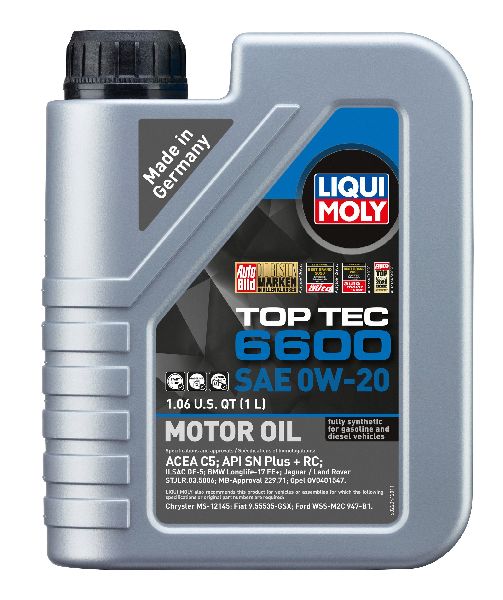
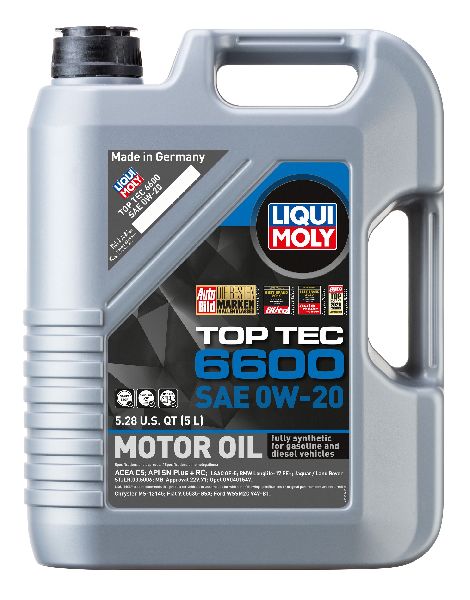
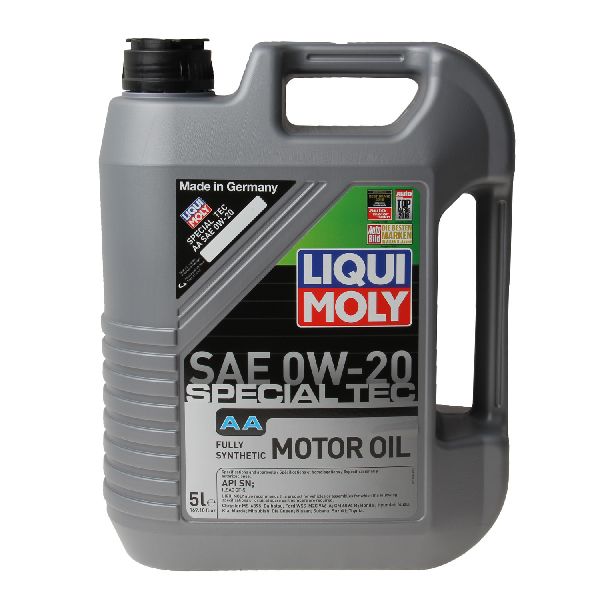
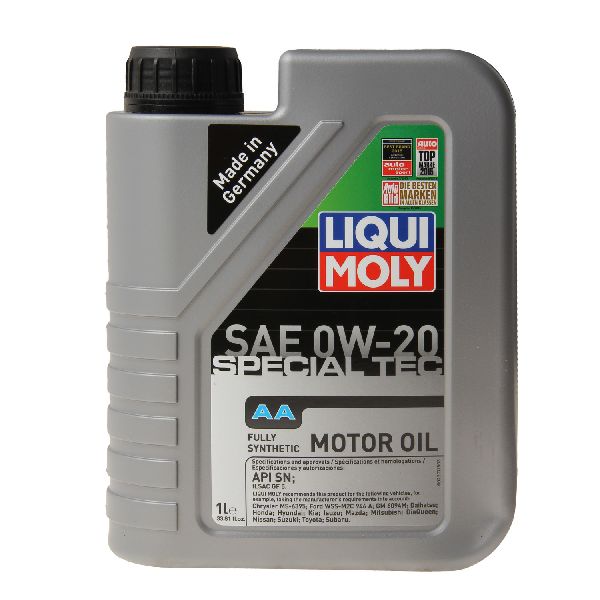
- The first and simplest check is the engine oil level and condition. Ensure it is full and has been changed at regular intervals with 0W-20 synthetic oil.
- A known issue on this Mazda 6 is a stuck oil control solenoid valve due to oil contamination, as documented in official Mazda TSBs.
- A definitive diagnosis requires a mechanical oil pressure test to rule out a faulty sensor before proceeding with more expensive repairs.
- This code is often accompanied by P055F or P0015, which point to the same underlying oil pressure control system issues.
What's Unique About the 2014-2017 Mazda 6
The Skyactiv-G 2.5L engine (PY-VPS) in the third-generation Mazda 6 is a high-compression, direct-injection engine that is sensitive to oil quality and condition. Mazda has issued multiple technical service bulletins specifically for this platform related to P0524. These bulletins state that oil contamination or foreign material can cause an oil control valve (solenoid) or the oil pump's pressure relief valve to stick. This leads to a sudden drop in oil pressure even when the oil level is correct. The issue is prevalent enough that Mazda has specific diagnostic flowcharts for technicians to follow when this code appears.
Symptoms You May Notice
- Check Engine Light is on
- Red oil pressure warning light is on or flashing
- Engine running rough, especially at idle
- Audible engine knocking, ticking, or rattling noises
- Reduced engine performance or vehicle entering 'limp mode'
- Strong oil burning smell, in some cases preceding the code if a leak is the root cause.
- Replacing the oil pressure sensor without first verifying the actual oil pressure with a mechanical gauge. If the pressure is truly low, a new sensor will not fix the problem and can lead to engine damage if driving continues.
- Replacing the oil control valve (OCV) without also changing the oil and filter, which leaves the original contamination in the system to potentially cause the new part to fail.
Most Likely Causes
- Low or Incorrect Engine Oil 🔴 High Probability All engines consume some oil. The Skyactiv-G engine is specified for 0W-20 oil, and using a different viscosity can impact the variable pressure oil system's performance.
How to confirm: Check the engine oil level using the dipstick. Ensure the oil is at the 'FULL' mark. Verify the oil viscosity used during the last oil change from service records.
Typical fix: Top up with the correct specification oil (full synthetic 0W-20) or perform a full oil and filter change.
Est. part cost: $40-$80 for oil and filter - Stuck Engine Oil Solenoid Valve / Oil Control Valve (OCV) 🔴 High Probability Mazda TSB #01-003-24 and #01-009/16 (and its successor 01-016/19) explicitly state that oil contamination or foreign debris can cause this valve to stick, resulting in improper oil pressure control. This is a widely reported failure by owners.
How to confirm: A technician can monitor the valve's duty cycle with a scan tool while observing oil pressure. A stuck valve may not respond to commands. Replacement is often done based on the TSB guidance when P0524 is present.
Typical fix: Replace the engine oil solenoid valve (OCV) and perform an engine oil and filter change. The OEM part number is PY8W-14-420.
Est. part cost: $80-$160 - Faulty Oil Pressure Sensor/Switch 🟡 Medium Probability Sensors can fail over time, sending incorrect low-pressure signals to the PCM. In some cases, oil from a leak can saturate the sensor's connector, causing erratic readings.
How to confirm: Connect a mechanical oil pressure gauge. If the mechanical gauge shows good pressure (e.g., ideally around 140 kPa at a warm idle of 800 RPM) while the scan tool shows a low reading from the sensor, the sensor is faulty.
Typical fix: Replace the oil pressure sensor. The OEM part number is PE01-18-501B.
Est. part cost: $40-$100 - Dirty Engine Oil and Clogged Filter 🟡 Medium Probability Extended oil change intervals lead to sludge and contamination. This debris is the primary cause of the stuck components mentioned in Mazda's TSBs, restricting oil flow.
How to confirm: Inspect the oil on the dipstick for excessive darkness, thickness, or grit. Check service records for the last oil change. A very dirty filter can be confirmed upon removal.
Typical fix: Perform an engine oil and filter change using high-quality synthetic 0W-20 oil and a new OEM or equivalent filter.
Est. part cost: $40-$80
Rare But Worth Checking
- Clogged Oil Pickup Tube Strainer: Debris or sludge in the oil pan can clog the strainer on the oil pump pickup tube, starving the pump of oil. Several Mazda TSBs recommend replacing the strainer if contamination is found. One forum user on a related platform reported that cleaning a very clogged strainer was the ultimate fix for their P0524 issue.
- Failing Oil Pump: While less common, the oil pump itself can fail due to wear or internal blockage from debris, as noted in TSB #01-016/19. This is a major repair requiring removal of the oil pan and other components. A Mazda tech in a video comment confirmed fixing a P0524 code by replacing a pump and clogged strainer.
- Worn Internal Engine Components: On very high-mileage or poorly maintained engines, worn crankshaft or camshaft bearings can cause excessive clearance, leading to a systemic loss of oil pressure. This is a catastrophic failure requiring an engine rebuild or replacement.
Diagnosis Steps
- IMMEDIATELY turn off the engine to prevent damage.
- Check the engine oil level and condition using the dipstick. If low, top up with full synthetic 0W-20 oil and check for obvious leaks.
- If the oil level is correct, have the vehicle towed to a qualified mechanic. Do not risk driving it.
- A mechanic will connect a mechanical oil pressure gauge to the engine to verify if the oil pressure is actually low. This is the most critical diagnostic step. At warm idle (~800 RPM), pressure should be around 120-140 kPa (17-20 PSI).
- If mechanical pressure is normal, the oil pressure sensor (Part #: PE01-18-501B) or its wiring/connector is likely faulty.
- If mechanical pressure is low, the mechanic will follow diagnostic paths based on Mazda's TSBs (01-003-24, 01-016/19). This involves checking for oil contamination and testing/replacing the oil control valve (OCV, Part #: PY8W-14-420).
- If pressure remains low after addressing the OCV, the next steps involve dropping the oil pan to inspect the oil pickup tube strainer for sludge/blockage and cleaning the pan.
- As a final step if the issue persists, the oil pump itself may be inspected and replaced.
Parts You'll Likely Need
- Engine Oil Solenoid Valve (Oil Control Valve)
(OEM #PY8W-14-420)— Specifically cited in multiple Mazda TSBs as a primary failure point for P0524, often getting stuck due to oil contamination.
Trusted brands: Mazda OE, Dorman
OEM price range: $120-$200
Aftermarket price range: $80-$150 - Engine Oil Pressure Sensor
(OEM #PE01-18-501B)— This sensor can fail and send false low-pressure readings, or its connector can become contaminated with oil.
Trusted brands: Mazda OE, Bosch, NTK
OEM price range: $70-$120
Aftermarket price range: $40-$80 - Engine Oil and Filter
(OEM #PY8W-14-302 (Filter))— Fresh, correct-viscosity oil (0W-20) and a new filter are essential for resolving issues related to contamination and are required when replacing other components to prevent repeat failures.
Trusted brands: Idemitsu (often cited as Mazda's OEM supplier), Mobil 1, Castrol, Mazda OE Filter
OEM price range: $50-$90
Aftermarket price range: $30-$70
Related Codes That Often Appear With This One
- P055F — This code means 'Engine Oil Pressure Out of Range' and is often stored alongside P0524. Mazda TSB #01-003-24 lists both codes as being caused by a stuck engine oil solenoid valve due to contamination.
- P0015 — This code for 'Exhaust CMP Timing Over-Retarded' is mentioned in TSB #01-016/19 along with P0524. The low oil pressure condition directly impacts the operation of the hydraulic variable valve timing (VVT) system, causing the camshaft timing to be incorrect and triggering this code.
Technical Service Bulletins (TSBs) & Recalls
- Bulletin #01-003-24: Notes that oil contamination can cause the engine oil solenoid valve to stick, triggering P0524 and/or P055F.
- Bulletin #01-016/19 (and superseding versions like 01-009/16): Details how foreign objects in the oil can cause P0524.
Platform-Specific Known Issues
- Mazda Technical Service Bulletin #01-003-24 notes that for some vehicles, including the Mazda6, contamination in the engine oil may cause the engine oil solenoid valve to become stuck, resulting in DTC P0524 or P055F.
- Mazda Technical Service Bulletin #01-016/19 (which supersedes 01-009/16) applies to the 2014-2017 Mazda6 and describes how a piece of foreign object can get stuck in the oil pump pressure relief valve or the Oil Control Valve (OCV), causing P0524, sometimes along with P0015.
Mechanic-Grade Diagnostic Values
- Engine Oil Pressure (Mechanical Gauge, Warm Engine) — expected: Idle (~650 RPM): > 50 kPa (7 psi). 1,500 RPM: 110 - 175 kPa (16.0 - 25.3 psi). 4,500 RPM: 300 - 430 kPa (43.6 - 62.3 psi).. Failure: Pressure below the minimum specification at any given RPM.
- Engine Oil Control Valve (OCV) Solenoid Coil Resistance — expected: 6.9 - 7.9 Ohms at 20°C (68°F). Failure: A resistance reading outside this range, or an open/infinite reading, indicates a failed solenoid coil.
- Live Data Oil Pressure at Warm Idle — expected: Approximately 120-140 kPa (17-20 psi). Failure: Significantly lower readings, such as 80 kPa, indicate a pressure problem.
Scan Tool Commands That Help
- Mazda IDS / FORScan: Monitor Oil Control Valve (OCV) Duty Cycle PID — Use this while monitoring live oil pressure data. When oil pressure drops, a functional PCM should command the OCV duty cycle to 100% to try and increase pressure. If the duty cycle changes but pressure does not respond, it points to a mechanical or hydraulic issue (stuck valve, clogged strainer).
- Mazda IDS / FORScan: Oil Control Valve (OCV) On/Off Command — This bidirectional test directly commands the solenoid to actuate. A technician can listen for an audible 'click' or feel the valve actuate. A lack of response confirms a faulty valve or wiring issue. This is used to isolate the OCV as the point of failure.
Wiring & Ground Locations
- Engine Bay Ground Point — Under the air box, in the direct path of wheel splash from the front driver's side tire.. This location is highly susceptible to water intrusion and corrosion. A poor ground here can affect various engine sensors, including the oil pressure sensor, leading to erratic readings and false trouble codes. While reported on an older Mazda 6, this is a common failure point for grounds located in wheel wells.
Real Owner Repair Stories
- Comment from a Mazda Technician on YouTube (2023 Mazda CX-30 (newer model with similar engine architecture)) — P055F and P0524, low oil pressure.
❌ Tried (didn't work) Initial diagnosis pointed towards the common oil control valve failure.
✅ What actually fixed it The oil pump pickup tube strainer was found to be almost completely blocked with a gray, sealant-like buildup. Replacing the oil pump and the clogged strainer restored normal oil pressure. - Mazdas247 Forum User (2018 CX-5 (same engine family)) — P0524 Check Engine Light.
❌ Tried (didn't work) Owner confirmed oil level was correct.
✅ What actually fixed it This was a severe case requiring extensive dealer intervention under warranty. The final repair involved replacing the oil control solenoid valve, the oil pump, the oil pressure sensor, and the connecting rod bearings. This represents a worst-case scenario where low pressure caused internal engine damage.
"I Checked Everything" — The Actual Cause
- In a case documented on Reddit by an auto shop manager, the P0524 code kept returning despite the actual oil pressure being confirmed as perfectly within spec using a mechanical gauge. All common parts were replaced (OCV, sensor, pump, strainer) without success. The final suspected culprit was the oil pressure sensor's wiring connector, which had been saturated with oil from a previous, unrelated leak. Even after cleaning, the contaminated connector was believed to be sending faulty voltage signals to the PCM, triggering a false P0524 code.
OEM Part Supersession History
PE01-18-501, PE01-18-501A→PE01-18-501B— Standard part revision and improvement by the manufacturer.
Model Year Variations Within This Range
- 2014-2017: The Mazda 6 received a facelift for the 2016 model year, which included cosmetic updates to the exterior and interior, as well as an updated infotainment system. However, the 2.5L PY-VPS Skyactiv-G engine and its core components related to the oiling system remained unchanged. Therefore, the causes and diagnostic procedures for P0524 are identical across this year range.
Diagnostic Flowchart
Other Known Issues on This Vehicle
Issues unrelated to this code that are worth knowing about as an owner of this generation:
- Infotainment System 'Ghost Touch' or Delamination 🟡 Low — Very common on 2014-2017 models. The screen may register touches without input or become unresponsive. (Ref: Mazda had a warranty extension program for this issue, but it may now be expired for many vehicles.)
- Premature Rear Brake Pad Wear 🟠 Medium — Commonly reported. The rear brake pads may wear out significantly faster than the front pads.
- Shifter Park Switch Failure 🟡 Low — A known issue on early 3rd-gen models where a faulty switch in the shifter assembly prevents the car from fully turning off, leaving it in accessory mode and draining the battery.
- Carbon Buildup on Intake Valves 🟠 Medium — A potential long-term issue inherent to all direct-injection (GDI) engines, including the Skyactiv-G. Can cause rough idle and misfires over 100k miles.
Used vs. New Parts: Buying Guide for This Vehicle
When a used part is the smart pick: For this specific trouble code, using used parts is highly discouraged for most components. The primary causes are oil contamination and wear, making used sensors, solenoids, or pumps a significant risk. The only part where a used component might be considered is the oil pan, and only if the original is physically damaged (e.g., stripped drain plug, cracked from impact).
Donor-vehicle mileage cap: roughly under 75000 miles for the part to have meaningful remaining life.
What to inspect on the donor part:
- For an oil pan, inspect thoroughly for any cracks, dents near the pickup area, or previous repairs.
- Ensure the drain plug threads are clean and not stripped.
- Avoid any parts from a donor vehicle that show signs of heavy oil sludge or 'burnt' oil residue.
OEM-only on this vehicle (don't cheap out):
- Engine Oil Solenoid Valve (Oil Control Valve / OCV)
- Engine Oil Pressure Sensor
Aftermarket brands forum-validated for this vehicle:
- Idemitsu (for engine oil, often considered the OEM supplier)
- NTK or Bosch (for sensors, if OEM is unavailable)
Brands owners have reported issues with on this vehicle:
- Dorman: Forum and community feedback suggests avoiding Dorman for electronic components like VVT solenoids and other sensors, citing higher failure rates compared to OEM.
Real Owner Stories
Aggregated from forums and TSBs cited above. Mileages and costs reflect what owners reported in those sources.
2018 Mazda CX-5 2.5L
Symptoms: Recurring check engine light on a relatively new vehicle.
What fixed it: The dealership replaced the oil control solenoid valve, oil pump, oil pressure sensor, and connecting rod bearings.
Source hint: Mazdas247.com thread titled 'p0524-check-engine-light-on-3-month-old-2018-cx-5-awd-touring'
2014-2017 Mazda 6 2.5L
Symptoms: Persistent P0524 code returning even after replacing the OCV, oil pressure sensor, and oil pump/strainer; mechanical gauge showed pressure was actually within spec.
What fixed it: The issue was identified as a complex electrical or PCM issue rather than a mechanical oil pressure failure.
Source hint: Reddit r/mazda post by an auto shop manager regarding persistent P0524 after cylinder head replacement
2019 Mazda CX-3
Symptoms: Low oil pressure code (P0524).
What fixed it: Dropped the oil pan and found the oil pickup tube strainer was severely clogged; cleaning the strainer resolved the issue.
Source hint: Mazda-Forum.com thread 'p0524-code-on-2019-cx-3'
Related OBD-II Codes
Frequently Asked Questions
Which Mazda Technical Service Bulletins (TSBs) address the P0524 code for my 2014-2017 Mazda 6?
What is the specific part number for the Oil Control Valve (OCV) if I need to replace it?
Can I use a different oil weight than 0W-20 in my Skyactiv-G 2.5L engine?
If my mechanical oil pressure test shows 140 kPa at idle but the code persists, what part is likely failing?
Is it safe to drive my Mazda 6 to the shop with the red oil light flashing?
What should be checked if replacing the OCV and sensor doesn't fix the P0524 code?
Helpful Videos
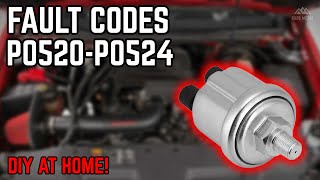
![How to Fix P0524 Engine Code in 4 Minutes [2 DIY Methods / Only $6.99]](https://img.youtube.com/vi/qOfaymDQMXM/mqdefault.jpg)
Used OEM Parts in Stock

New Aftermarket Parts Available

The information in this article is provided for general reference and educational purposes only. Vehicle specifications, procedures, and part compatibility can vary by production date, trim level, and region. Always consult your vehicle's factory service manual and verify part numbers before purchasing or performing repairs. Safety-critical components such as airbags, seat belts, and braking systems should be installed by a qualified professional.
- Mazda 6:
- 🎬 Helpful Videos
- 🛍️ Shop This Part
- What's Unique About the 2014-2017 Mazda 6
- Symptoms You May Notice
- Most Likely Causes
- Rare But Worth Checking
- Diagnosis Steps
- Parts You'll Likely Need
- Related Codes That Often Appear With This One
- Technical Service Bulletins (TSBs) & Recalls
- Platform-Specific Known Issues
- Mechanic-Grade Diagnostic Values
- Scan Tool Commands That Help
- Wiring & Ground Locations
- Real Owner Repair Stories
- "I Checked Everything" — The Actual Cause
- OEM Part Supersession History
- Model Year Variations Within This Range
- Diagnostic Flowchart
- Other Known Issues on This Vehicle
- Used vs. New Parts: Buying Guide for This Vehicle
- Real Owner Stories
- 2018 Mazda CX-5 2.5L
- 2014-2017 Mazda 6 2.5L
- 2019 Mazda CX-3
- Related OBD-II Codes
- Frequently Asked Questions
- 🎟️ Get 5% Off