

P0524 on 2020-2024 Kia Telluride: Engine Oil Pressure Too Low Causes & Fixes
P0524 on a Telluride is a critical low oil pressure warning. Stop driving immediately. The most common causes are a low engine oil level due to consumption or a faulty oil pressure sensor. A professional diagnosis with a mechanical gauge is essential to confirm actual pressure before replacing parts like the oil pump.
- P0524 is a critical code. Stop the vehicle immediately and check the engine oil level.
- Do not replace any parts until the true oil pressure has been verified with a mechanical gauge.
- The most likely causes on a Telluride are a low oil level (due to potential oil consumption) or a faulty oil pressure sensor.
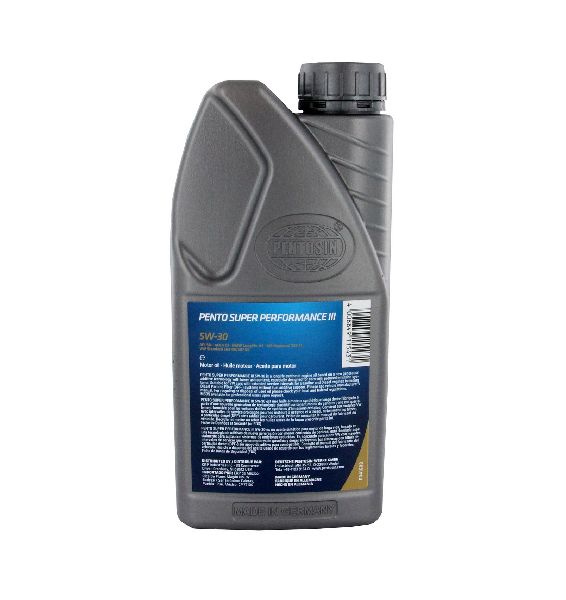
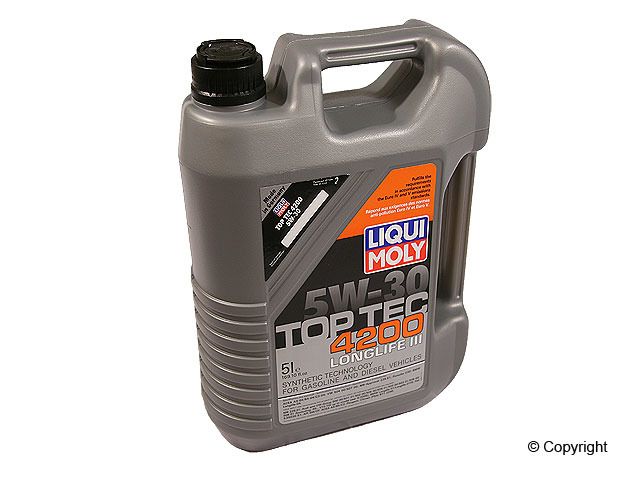
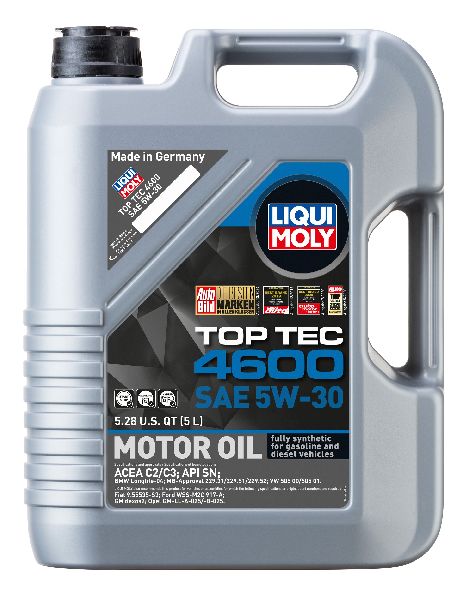
- Always use a high-quality OEM or equivalent oil filter and the specified 5W-30 full synthetic oil.
- Check your oil level regularly, even if the vehicle is not due for an oil change.
What's Unique About the 2020-2024 Kia Telluride
The Lambda II 3.8L GDI V6 engine in the Telluride and its platform-mate, the Hyundai Palisade, is not known 🎬 Watch: Deep dive into 3.8L GDi engine problems for the same widespread, catastrophic engine failures associated with P0524 on other Kia/Hyundai engines. However, many owners have reported significant oil consumption with the 3.8L V6, sometimes as much as a quart every 1,000 miles. This makes a low oil level a primary and highly probable suspect for this code. Frequent oil level checks are a critical preventative measure for Telluride owners.
Symptoms You May Notice
- Oil pressure warning light illuminated on the dashboard
- Check Engine Light is on
- Engine making unusual noises (ticking, knocking, or grinding).
- Reduced engine power or entering 'limp mode'
- Engine may stall or shut down.
- Oil pressure gauge reading low or zero (if equipped)
- Replacing the oil pump without first confirming low pressure with a mechanical gauge. If the pressure is actually fine, the problem is the sensor, not the pump.
- Assuming the code means the engine is failing on a Telluride, as it often does on other Kia models with the Theta II engine. The diagnosis must be performed methodically, starting with the oil level and sensor.
Most Likely Causes
- Low Engine Oil Level 🔴 High Probability The Lambda II 3.8L GDI engine has numerous owner reports and documented cases of excessive oil consumption, often due to carbon buildup on piston rings or intake valves, 🎬 See how a piston soak can fix oil consumption a common trait of GDI engines. This can lead to a low oil level if not checked regularly between oil changes.
How to confirm: With the engine off and cool, check the engine oil level using the dipstick. 🎬 Watch: How to check your Telluride's oil level If it is below the 'low' mark, this is the immediate problem.
Typical fix: Top up the oil to the correct level using a full synthetic 5W-30 oil that meets Kia's specifications. Monitor the oil level closely going forward, as frequently as every 1,000 miles. Some owners install an oil catch can to reduce carbon buildup.
Est. part cost: $10-$20 - Faulty Engine Oil Pressure Sensor 🟡 Medium Probability Sensors can fail over time, sending an incorrect low-pressure signal to the PCM even when the actual pressure is normal. The sensor itself can also leak oil through its body, contaminating the electrical connector.
How to confirm: This is the most likely cause if the oil level is correct. A definitive diagnosis requires a technician to connect a mechanical oil pressure gauge. If the mechanical gauge shows normal pressure (e.g., at least 8.5 PSI at warm idle) while the scan tool shows low pressure and code P0524, the sensor is faulty. Inspect the sensor connector for oil contamination.
Typical fix: Replace the engine oil pressure sensor (Part No. 94751-3C000) and its gasket.
Est. part cost: $25-$75 - Incorrect or Clogged Oil Filter 🟡 Medium Probability Using a low-quality aftermarket oil filter or improper installation during an oil change can restrict oil flow. A Kia Technical Service Bulletin for other engines (PS719) warns that parts from the new filter kit can become dislodged and block oil passages, causing P0524 immediately after service.
How to confirm: Verify that a high-quality, OEM-spec oil filter is installed. If the code appeared immediately after an oil change, this is a strong possibility.
Typical fix: Replace the oil filter with a genuine Kia or high-quality equivalent filter. Ensure no foreign debris enters the oil system during the change.
Est. part cost: $10-$25 - Failing Oil Pump or Clogged Oil Pickup Tube ⚪ Low Probability
How to confirm: If a mechanical gauge confirms that the actual oil pressure is low, and the oil level and filter are correct, the issue is mechanical. The oil pan must be removed to inspect the oil pump pickup tube for sludge or debris and to inspect the oil pump itself.
Typical fix: Clean the oil pickup tube and screen. If the pump is determined to be weak or has failed, it must be replaced.
Est. part cost: $150-$400
Rare But Worth Checking
- Worn Internal Engine Components: This is a worst-case scenario. Excessive wear on engine bearings can cause oil pressure to bleed off. This would typically be accompanied by significant engine knocking noises and would likely require a complete engine replacement.
- Wiring Issues: A short to ground in the sensor's electrical circuit or corrosion in the wiring harness can cause the PCM to receive a false low-pressure signal, triggering the P0524 code.
Diagnosis Steps
- STOP DRIVING. Do not run the engine until the oil level is checked.
- Check the engine oil level and condition. If the level is low, top it up with the correct 5W-30 full synthetic oil and see if the code clears. If the oil is dirty or smells of fuel, perform an oil and filter change.
- If the oil level is correct, have a technician connect a mechanical oil pressure gauge to the engine to verify the actual oil pressure. This is the most critical step.
- If the mechanical gauge shows normal oil pressure, the problem is likely a faulty oil pressure sensor or its wiring. Inspect the sensor's connector for damage or oil contamination and replace the sensor.
- If the mechanical gauge confirms low oil pressure, the problem is mechanical. The next step is to inspect the oil filter, then drop the oil pan to inspect the oil pump pickup tube for blockage. If the pickup is clear, the oil pump itself is the likely culprit.
- Check for any applicable Technical Service Bulletins (TSBs) or recalls for your vehicle's VIN. Hyundai issued TSB 23-EM-008H for the same engine in the Palisade to address oil consumption testing, which may be relevant.
Parts You'll Likely Need
- Engine Oil Pressure Sensor / Switch
(OEM #94751-3C000)— This sensor is a common failure point that triggers P0524 when the actual oil pressure is normal. It's a relatively inexpensive part to replace.
Trusted brands: Kia (OEM), Hyundai (OEM)
OEM price range: $95-$110
Aftermarket price range: $25-$50 - Engine Oil and Filter — A low oil level due to consumption is a primary cause. Always use a high-quality OEM filter and full synthetic 5W-30 oil to ensure proper lubrication and pressure.
Trusted brands: Kia (OEM Filter), Mobil 1, Pennzoil, Castrol
OEM price range: $60-$100
Aftermarket price range: $50-$80
Technical Service Bulletins (TSBs) & Recalls
- SC296 - Safety Recall for Engine Sub-Assembly Replacement on certain 2024 Telluride models due to potentially faulty valve springs.
- TSB ENG211 (NHTSA ID 10187821) - Provides an ECM logic update for misfire detection on 2020 Tellurides, which can sometimes be related to oiling issues.
Platform-Specific Known Issues
- The Lambda II 3.8L GDI engine may consume oil between changes. Owners should check the oil level on the dipstick at least once a month to prevent a low-level condition that can trigger a P0524 code.
- Recall SC296 was issued for some 2024 Telluride models due to engine valve springs that could break and cause engine damage. While not a direct cause of P0524, the resulting damage could lead to low oil pressure.
Mechanic-Grade Diagnostic Values
- Mechanical Oil Pressure at Warm Idle — expected: At least 8.5 PSI. Failure: A reading below 8.5 PSI indicates a true low-pressure condition (assuming correct oil level and filter).
- Oil Pressure Sensor Signal Voltage — expected: Approximately 0.5V at idle, rising toward 4.5V at high RPM.. Failure: Voltage that is stuck at 0V or 5V (which may set other codes), or voltage that does not change with engine RPM, indicates a faulty sensor or wiring issue.
Scan Tool Commands That Help
- Kia GDS (Global Diagnostic System): Live Data > Engine Oil Pressure — Use this to monitor the oil pressure value being reported by the sensor to the PCM. This value should be compared against a mechanical gauge reading to determine if the sensor is faulty.
- Kia GDS (Global Diagnostic System): Special Functions > Oil Pressure Sensor Test — This function, if available for the specific vehicle software, can be used to validate the sensor's response without needing to vary engine RPM, helping to confirm if the sensor is electronically sound.
Wiring & Ground Locations
- Oil Pressure Sensor Connector — Deep in the 'V' of the engine, underneath the upper and lower intake manifold assembly.. This connector is a primary failure point. It is subjected to high heat and can become contaminated with oil that leaks through the body of a failing sensor, causing a poor signal and triggering P0524.
- Engine Block Ground — Main ground straps are typically found on the cylinder head, engine block, and intake manifold. A specific ground cable for the Telluride (PN 91862-S9010) is located on the left side of the engine compartment.. A poor engine ground can cause erratic voltage readings from various sensors, including the oil pressure sensor, potentially leading to a false P0524 code.
OEM Part Supersession History
94751-3C000→94751-3C000— No supersession found.
Heads up: This part number appears to be consistent for all 2017-2025 Kia models using the Lambda II V6, including the Telluride.
Model Year Variations Within This Range
- 2020-2024: While the 2023 model year introduced a significant cosmetic and interior technology facelift, the 3.8L Lambda II V6 engine and related powertrain components remained unchanged. Therefore, the diagnosis and potential causes for a P0524 code are identical across the entire 2020-2024 model year range.
Diagnostic Flowchart
Other Known Issues on This Vehicle
Issues unrelated to this code that are worth knowing about as an owner of this generation:
- Spontaneously Cracking Windshields 🟠 Medium — Widespread complaints across all model years (2020-2024). Hundreds of complaints filed with NHTSA. Can occur spontaneously or from minor impacts. (Ref: Kia issued a 'Customer Satisfaction Initiative' for some 2020 models, but no formal recall exists.)
- Tow Hitch Wiring Harness Fire Risk 🔴 High — Affects 2020-2022 models equipped with the accessory 4-pin tow hitch harness. Moisture and debris can short the module, causing a fire even when parked. (Ref: NHTSA Recall 22V-626)
- Vehicle Rollaway While in Park 🔴 High — Affects over 427,000 Tellurides from 2020-2024 model years due to improperly assembled driveshafts that can disengage. (Ref: NHTSA Recall SC303)
- Dim Headlights / Moisture Intrusion 🟠 Medium — Common on 2020-present models. Defective seals can allow moisture in, causing dimming, premature failure, and foggy lenses. (Ref: Subject of a class-action lawsuit (Young v. Hyundai Motor America, Inc.). Kia has a general TSB (BOD055) on headlamp condensation.)
- Power Seat Motor Fire Risk 🔴 High — Affects over 462,000 Tellurides from 2020-2024. A stuck power seat slide knob can cause the motor to overheat and catch fire. (Ref: NHTSA Recall SC316)
- Transmission Shuddering or Failure 🟠 Medium — Some owners report shuddering, hard shifts, or complete transmission failure, sometimes at relatively low mileage.
Used vs. New Parts: Buying Guide for This Vehicle
When a used part is the smart pick: For a P0524 diagnosis, using used parts is strongly discouraged. The primary failure components are either inexpensive electronic sensors that should be new or critical internal engine parts (like an oil pump) where unknown wear and tear pose a significant risk.
OEM-only on this vehicle (don't cheap out):
- Engine Oil Pressure Sensor: Given its critical function and high failure rate due to heat soak, an OEM sensor is the most reliable choice. Aftermarket sensor accuracy can be inconsistent.
- Engine Oil Filter: Using a genuine Kia/Hyundai oil filter is highly recommended. Low-quality aftermarket filters can have faulty bypass valves or poor construction that can lead to oil pressure problems.
Brands owners have reported issues with on this vehicle:
- Generic, unbranded oil filters and sensors from online marketplaces should be avoided due to quality control concerns that can directly cause or fail to solve a P0524 code.
Real Owner Stories
Aggregated from forums and TSBs cited above. Mileages and costs reflect what owners reported in those sources.
2020 Kia Telluride 3.8L V6
Symptoms: Owners on tellurideforum.org discuss significant oil consumption between scheduled changes, which can lead to the oil level dropping below the 'low' mark on the dipstick.
What fixed it: Topping up the oil to the correct level and monitoring it every 1,000 miles; some owners install an oil catch can to reduce carbon buildup on piston rings.
Source hint: tellurideforum.org
2020-2024 Kia Telluride 3.8L V6
Symptoms: The oil pressure sensor fails and sends an incorrect low-pressure signal to the PCM even when actual pressure is normal; oil may also leak through the sensor body into the electrical connector.
What fixed it: Replacement of the engine oil pressure sensor (Part No. 94751-3C000) and its gasket.
Source hint: Article Context - Common Causes / Diagnosis Steps
Related OBD-II Codes
Frequently Asked Questions
I just had my oil changed and now the P0524 code is on. Could the filter be the problem?
Is there a specific oil pressure sensor part number I should use for my Telluride?
My 2024 Telluride has a recall for valve springs; could this be related to my low oil pressure light?
Does the Hyundai Palisade have the same P0524 issues as the Telluride?
Is there a TSB for the oil consumption issues on this 3.8L GDI engine?
What type of oil should I use to top off my Telluride to prevent this code?
Helpful Videos
Used OEM Parts in Stock

New Aftermarket Parts Available


The information in this article is provided for general reference and educational purposes only. Vehicle specifications, procedures, and part compatibility can vary by production date, trim level, and region. Always consult your vehicle's factory service manual and verify part numbers before purchasing or performing repairs. Safety-critical components such as airbags, seat belts, and braking systems should be installed by a qualified professional.
- Kia Telluride:
- 🎬 Helpful Videos
- 🛍️ Shop This Part
- What's Unique About the 2020-2024 Kia Telluride
- Symptoms You May Notice
- Most Likely Causes
- Rare But Worth Checking
- Diagnosis Steps
- Parts You'll Likely Need
- Technical Service Bulletins (TSBs) & Recalls
- Platform-Specific Known Issues
- Mechanic-Grade Diagnostic Values
- Scan Tool Commands That Help
- Wiring & Ground Locations
- OEM Part Supersession History
- Model Year Variations Within This Range
- Diagnostic Flowchart
- Other Known Issues on This Vehicle
- Used vs. New Parts: Buying Guide for This Vehicle
- Real Owner Stories
- 2020 Kia Telluride 3.8L V6
- 2020-2024 Kia Telluride 3.8L V6
- Related OBD-II Codes
- Frequently Asked Questions
- 🎟️ Get 5% Off