

P0521 on 2010-2014 GMC Yukon Denali: Oil Pressure Sensor Causes and Fixes
On a 2010-2014 GMC Yukon Denali, code P0521 is most often caused by a faulty oil pressure sensor or its small, clogged filter screen located under the sensor. Replacing both is the most common fix, costing around $50-$70 for parts. This is a difficult DIY job due to the sensor's location at the back of the engine, but it can be done without removing the intake manifold.
- P0521 on your Yukon Denali is a serious warning. Do not continue to drive until the cause is identified.
- The most likely cause is not a major engine failure, but a small, inexpensive clogged screen and/or a faulty sensor located in a very hard-to-reach spot.
- Before suspecting a major repair like an oil pump, always perform a mechanical oil pressure test to confirm if the pressure is actually low.
- Always replace both the oil pressure sensor and the small filter screen underneath it at the same time.
- Pay close attention to the type of oil filter used. Per GM TSBs, the choice between a PF48 and PF48E can make a difference.
What's Unique About the 2010-2014 Gmc YUKON DENALI

On these GM 6.2L V8 engines, the P0521 code is notoriously common. A key design feature is a small, thimble-sized filter screen (GM Part #12585328) located in the oil passage directly beneath the pressure sensor. This screen is highly prone to clogging with sludge and debris, which starves the sensor of oil and causes a false low-pressure reading, triggering the code. Additionally, GM issued multiple Technical Service Bulletins (TSBs) for these vehicles specifically linking P0521 to the use of certain types of oil filters (PF48E vs. PF48), especially in cold weather, making filter choice unusually critical.
Diagnostic Flowchart

Tap your situation to follow the diagnostic path that matches what you're seeing on this vehicle.
Symptoms You May Notice

- Check Engine Light is illuminated
- "Low Oil Pressure - Stop Engine" message on the driver information center
- Red oil pressure warning light is on
- Oil pressure gauge reads very low (near 0 psi), maxed out, or erratically.
- Engine may make unusual noises (ticking, knocking) if actual oil pressure is low
- Replacing the oil pump before confirming low mechanical oil pressure. The sensor and its screen are far more likely to be the cause of the code than the pump itself.
- Replacing the instrument cluster gauge. The gauge simply displays the information sent from the ECM; it is almost never the root cause of an incorrect reading.
Most Likely Causes

- Clogged Oil Pressure Sensor Screen 🔴 High Probability A small filter screen is positioned directly under the sensor and is a known failure point for clogging with engine sludge or debris, leading to a false low reading at the sensor. GM TSB PIP4786C specifically calls out inspecting this screen as a primary diagnostic step.
How to confirm: This is diagnosed by confirming good 🎬 Watch: How to diagnose a failed oil pressure sender code mechanical oil pressure with a manual gauge, which proves the sensor is not getting an accurate reading. The screen is usually replaced preventatively whenever the sensor is replaced, as it is inaccessible otherwise.
Typical fix: Remove the old screen with a pick or by threading a coarse bolt into it and pulling 🎬 Watch: How to remove the oil pressure sensor filter screen it out. Install a new one. Many owners replace this part whenever the sensor is changed.
Est. part cost: $5-$15 - Faulty Engine Oil Pressure Sensor 🔴 High Probability The sensor itself is a common failure item on these GM V8 engines, leading to incorrect readings being sent to the ECM. The sensor can also fail internally and leak oil up through the electrical connector pins, causing a poor connection.
How to confirm: After verifying correct oil level and good mechanical oil pressure, the sensor is the next logical point of failure. A scan tool may show erratic or fixed (0 or max) pressure readings. Visual inspection may reveal oil inside the electrical connector.
Typical fix: Replace the engine oil pressure sensor. This is difficult due to its location at the back of the engine, behind the intake manifold. However, many DIY guides show it can be done without removing the intake by using a special socket and 🎬 See the easy way to replace the sensor without removing the intake a combination of extensions and swivels.
Est. part cost: $45-$70 - Incorrect or Defective Oil Filter 🟡 Medium Probability GM TSBs specifically call out issues with the PF48E oil filter causing P0521, especially in cold weather, and recommend switching to a PF48 or UPF48R filter. The internal design of the PF48E uses a plastic core and a different bypass valve design compared to the metal core of the PF48, which can affect oil pressure characteristics under certain conditions.
How to confirm: Check the part number of the installed oil filter. If the code appeared after a recent oil change, this is a strong possibility.
Typical fix: Change the engine oil and replace the filter with a high-quality, recommended filter, such as the ACDelco PF48 or a premium aftermarket equivalent.
Est. part cost: $10-$15 - Low or Incorrect Viscosity Engine Oil 🟡 Medium Probability
How to confirm: Check the oil level on the dipstick. If the code appeared after an oil change, verify that the correct oil viscosity (e.g., 5W-30) was used per the owner's manual.
Typical fix: Top up the oil to the correct level or perform a full oil and filter change with the manufacturer-specified oil.
Est. part cost: $40-$80 - Damaged Wiring or Connector ⚪ Low Probability
How to confirm: Visually inspect the wiring harness and connector leading to the oil pressure sensor for breaks, corrosion, or oil contamination from a leaking sensor. Test the circuit for continuity and correct voltage.
Typical fix: Repair the damaged section of wire or replace the pigtail connector.
Est. part cost: $15-$30
Rare But Worth Checking
- Failing Oil Pump: If a mechanical oil pressure test shows genuinely low pressure across all RPMs and the engine is clean internally, the oil pump may be failing. This is a much more involved and expensive repair.
- Worn Internal Engine Components: Excessive wear on camshaft bearings or main bearings can cause a true loss of oil pressure. This is typically accompanied by engine noise and is a sign of a major internal engine problem requiring a rebuild or replacement.
Diagnosis Steps
- Check the engine oil level and condition. Ensure it is full and not excessively dirty. Top up or change if needed.
- Connect a scan tool to verify the P0521 code is present and monitor the live data for the Engine Oil Pressure parameter. Note if the reading is stuck at zero, maxed out, or erratic.
- CRITICAL STEP: Perform a mechanical oil pressure test. Remove the oil pressure sensor and connect a mechanical pressure gauge in its place.
- Start the engine and compare the mechanical gauge reading to the manufacturer's specifications. GM's minimum specification for these engines is typically 24 psi @ 1000 RPM, with the engine at operating temperature.
- If mechanical pressure is GOOD: The problem lies within the sensor circuit. Proceed to replace the oil pressure sensor and the small filter screen underneath it. Inspect the sensor's electrical connector for damage or oil contamination during replacement.
- If mechanical pressure is LOW: The engine has a serious internal problem. Investigate potential causes like a failing oil pump, clogged oil pickup tube, or excessive internal engine wear. This requires more advanced mechanical diagnosis.
- After repairs, clear the DTC with a scan tool and perform a test drive to ensure the code does not return.
Parts You'll Likely Need

- Engine Oil Pressure Sensor
(OEM #12673134)— This sensor is the most common part to fail, causing incorrect pressure readings. The latest GM part number, 12673134, supersedes older versions like 12621234 and 12596951.
Trusted brands: ACDelco (GM Genuine)
OEM price range: $50-$70
Aftermarket price range: $30-$50 - Engine Oil Pressure Sensor Filter Screen
(OEM #12585328)— This small screen, located under the sensor, is notorious for clogging with sludge and should always be replaced when the sensor is changed. It is also referred to as the 'Valve Lifter Oil Manifold Filter'.
Trusted brands: ACDelco, Dorman
OEM price range: $5-$10
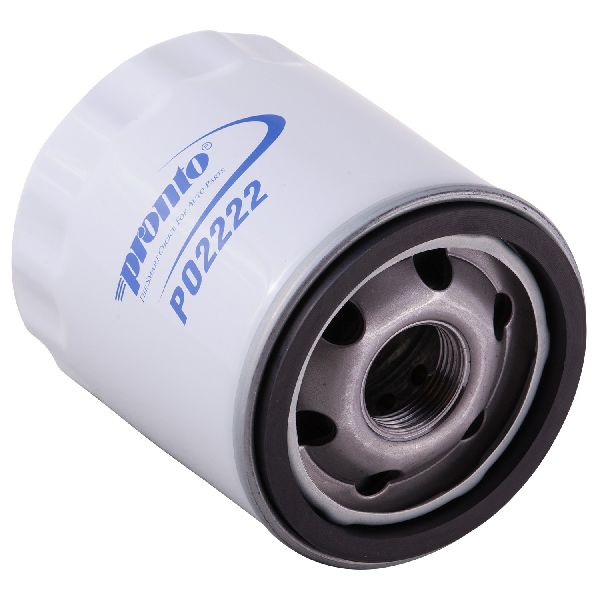
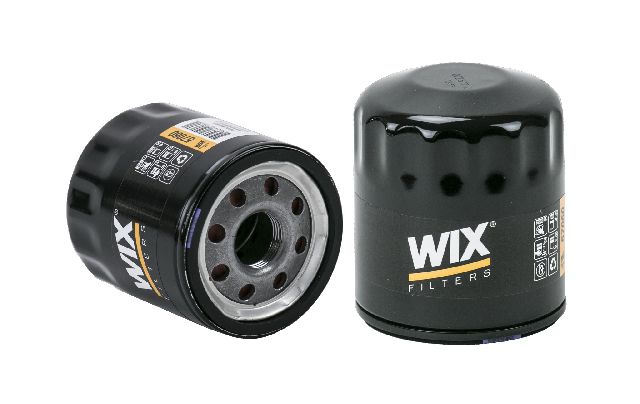
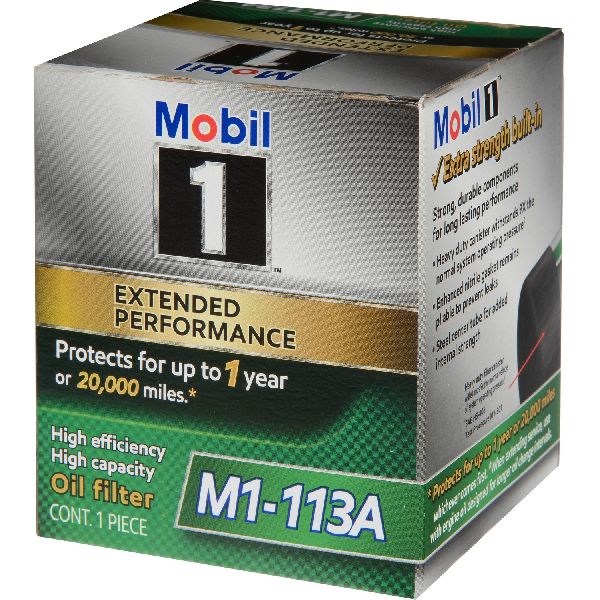
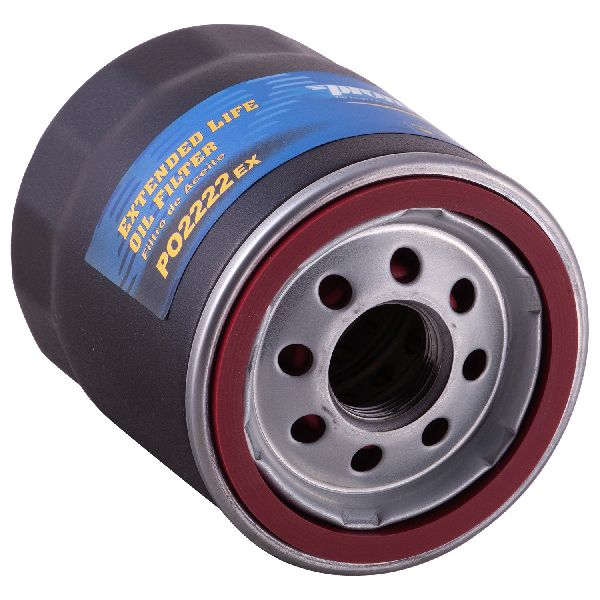
Aftermarket price range: $3-$8 - Engine Oil Filter
(OEM #PF48)— An incorrect or faulty oil filter is a documented cause of P0521 on these vehicles per GM TSBs. The PF48 is often recommended over the PF48E, especially in cold climates, due to internal design differences.
Trusted brands: ACDelco
OEM price range: $10-$15
Aftermarket price range: $8-$12 - Intake Manifold Gasket Set
(OEM #19207929)— If the intake manifold is removed to access the sensor (a common, but not required, procedure), these gaskets must be replaced to prevent vacuum leaks. This part number supersedes 89060434.
Trusted brands: ACDelco, Fel-Pro
OEM price range: $40-$60
Aftermarket price range: $25-$40 - Oil Pressure Sensor Socket — A special deep socket (typically 1-1/16" or 27mm) is required to remove and install the sensor, especially if attempting the repair without removing the intake manifold.
Trusted brands: Lisle (13250), OEM Tools
OEM price range: $10-$20
Aftermarket price range: $10-$20
Technical Service Bulletins (TSBs) & Recalls
- PIP4786C — This TSB directly addresses the P0521 code and low oil pressure messages. It instructs technicians that if a mechanical gauge shows good pressure, the primary suspect is the 'Valve Lifter Oil Filter' (the small screen under the sensor) being clogged with debris or sludge. It advises cleaning or replacing this filter before any other parts.
- PIP5276 series (B, D, E, F, G) — This series of bulletins addresses P0521, particularly after oil changes or in cold weather. Early versions (like B and D) suggested replacing the PF48E filter with a PF48 or UPF48R in cold temperatures (below 0°F to 20°F) to resolve the code. Later versions (like F and G) are more nuanced, suggesting the PF48E is acceptable but also pointing to other potential issues like leaking rocker cover baffles that should be inspected if the code persists. This indicates a complex issue that GM has addressed with evolving recommendations.
Platform-Specific Known Issues
- TSB #PIP5276B warns that at cold temperatures (below 0°F), using a PF48E oil filter can cause a P0521 code to set on startup. The recommended fix in this specific scenario is to replace it with a PF48 filter.
- TSB #PIP4786C highlights that if a scan tool shows low pressure but a mechanical gauge at the filter housing shows correct pressure, the issue is likely a restriction between the filter and the sensor, pointing towards the sensor screen or a blocked galley.
- TSB #PIP5276F notes that P0521 can occur on vehicles with multiple V8 RPO codes (L94, L9H, etc.) and directs technicians to check if a previous oil consumption-related TSB (10-06-01-008) was performed, which could be related to AFM issues affecting oil pressure.
Mechanic-Grade Diagnostic Values
- Engine Oil Pressure Sensor 5-Volt Reference Circuit — expected: 4.8-5.2 Volts (Ignition ON, sensor disconnected). Failure: Voltage outside this range indicates a problem with the ECM or wiring.
- Engine Oil Pressure Sensor Low Reference Circuit — expected: Less than 1.0 ohm of resistance to ground. Failure: Resistance higher than 1.0 ohm indicates an open or high resistance in the ground circuit.
- Minimum Engine Oil Pressure (Mechanical Gauge) — expected: 24 psi at 1,000 RPM (engine warm). Failure: Pressure below this specification indicates a mechanical oiling system problem (e.g., pump, bearings).
- Normal Oil Pressure at Sensor Location (Mechanical Gauge) — expected: ~9 psi at idle, ~32 psi at 2500 RPM (warm). Failure: These values from a known-bad engine highlight a significant pressure drop from the oil filter housing, pointing to internal wear.
- Normal Oil Pressure at Filter Housing (Mechanical Gauge) — expected: ~24 psi at idle, ~58 psi at 2500 RPM (warm). Failure: Comparing this to the reading at the sensor location is a key diagnostic step.
Wiring & Ground Locations
- EOP Sensor Connector — At the Engine Oil Pressure (EOP) sensor, located at the top rear of the engine block, behind the intake manifold.. This 3-wire connector provides the sensor with a 5V reference, a low reference (ground), and returns the signal to the ECM. Corrosion, oil contamination, or a loose connection here will directly cause P0521, P0522, or P0523.
- Engine-to-Firewall Ground Strap — Typically runs from the passenger side cylinder head to the firewall.. A poor engine ground can cause a floating reference for various sensors, including the oil pressure sensor, leading to erratic readings and codes. Ensuring this connection is clean and tight is a fundamental electrical diagnostic step.
- G103/G104 — Grounds located on the engine block itself, typically near the front of the cylinder heads.. These are primary grounds for the engine sensor data (ECT, EOP) returning to the ECM. A loose or corroded ground here can cause a variety of sensor performance codes.
Real Owner Repair Stories
- ScannerDanner Forum user (2013 GMC Denali 6.2L) — Low oil pressure light and message, gauge reads near zero, but engine sounds perfectly fine with no noises.
❌ Tried (didn't work) Changed oil and filter (used PF63)., Replaced oil pressure sensor and the filter screen underneath., Completely removed the filter screen., Bypassed the engine oil cooler.
✅ What actually fixed it The issue was diagnosed as worn camshaft bearings. A mechanical gauge showed good pressure (24 psi idle) at the oil filter housing but extremely low pressure (9 psi idle) at the sensor port. This significant pressure drop across the engine block pointed to an internal leak path, with worn cam bearings being the most likely culprit. The final fix is an engine overhaul or replacement. - Tahoe Yukon Forum user (2007 GMC Yukon SLT) — Oil pressure gauge was "dancing" erratically, pegging at 80 psi then dropping to 0, triggering the warning message. Codes P0521, P0522, and P0523 were present.
❌ Tried (didn't work) Initial diagnosis pointed towards replacing the sensor.
✅ What actually fixed it The user replaced the oil pressure sensor (ACDelco D1846A), which resolved the erratic gauge behavior and cleared the codes. The fact that unplugging the old sensor caused the gauge to go to 0 confirmed the gauge's stepper motor was likely not the issue.
OEM Part Supersession History
12596951→12621234, then 12673134— GM regularly updates service parts to improve reliability and integrate design changes.
Heads up: The newest part number, 12673134, is the correct and most reliable replacement for all previous versions on this platform. Using older stock (NOS) is not recommended.
Model Year Variations Within This Range
- 2010-2014: The 6.2L V8 (L94) used in the 2010-2014 Yukon Denali includes Active Fuel Management (AFM), which was not present on the 2007-2008 6.2L (L92) engines. AFM systems have a more complex valvetrain and a specific valley cover (Lifter Oil Manifold Assembly) that can be a source of internal oil pressure leaks, potentially contributing to or complicating P0521 diagnosis.
- 2009+: The L9H engine, introduced in 2009, added Flex Fuel capability to the 6.2L platform. While not directly related to the oiling system, it marks a change from the earlier L92 engine.
Helpful Videos
Used OEM Parts in Stock


New Aftermarket Parts Available


The information in this article is provided for general reference and educational purposes only. Vehicle specifications, procedures, and part compatibility can vary by production date, trim level, and region. Always consult your vehicle's factory service manual and verify part numbers before purchasing or performing repairs. Safety-critical components such as airbags, seat belts, and braking systems should be installed by a qualified professional.
- Gmc YUKON DENALI:
- 🎬 Helpful Videos
- 🛍️ Shop This Part
- What's Unique About the 2010-2014 Gmc YUKON DENALI
- Diagnostic Flowchart
- Symptoms You May Notice
- Most Likely Causes
- Rare But Worth Checking
- Diagnosis Steps
- Parts You'll Likely Need
- Technical Service Bulletins (TSBs) & Recalls
- Platform-Specific Known Issues
- Mechanic-Grade Diagnostic Values
- Wiring & Ground Locations
- Real Owner Repair Stories
- OEM Part Supersession History
- Model Year Variations Within This Range
- 🎟️ Get 5% Off