

P0521 on 2010-2017 GMC Terrain: Oil Pressure Sensor Causes and Fixes
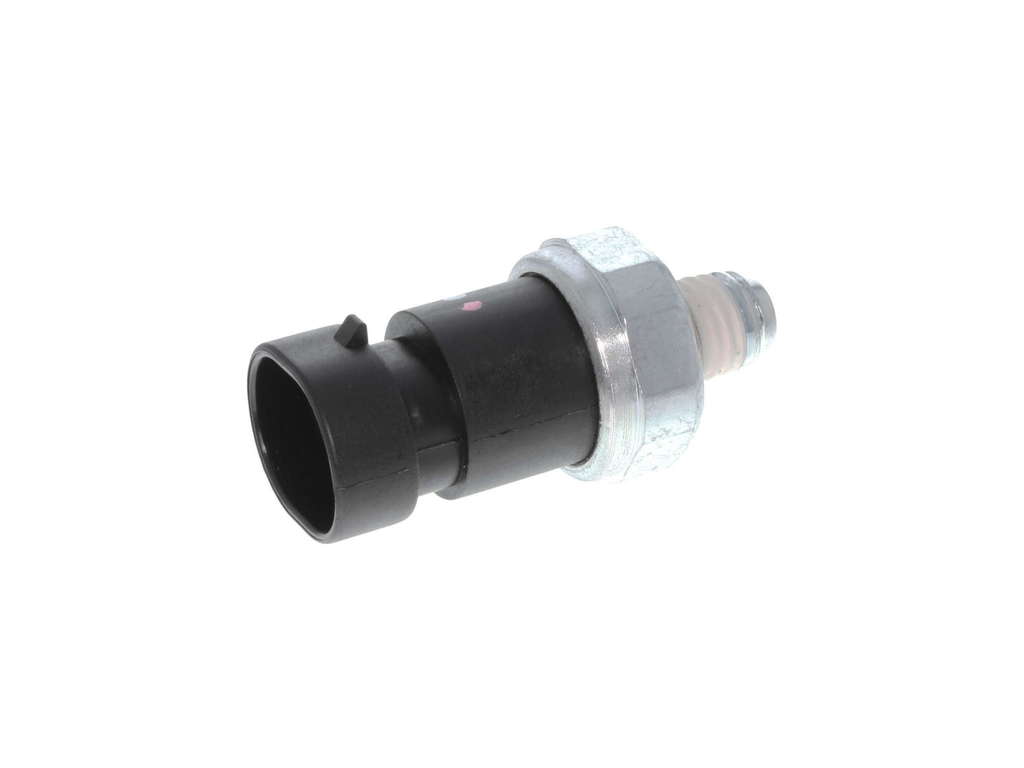
On a 2010-2017 GMC Terrain, code P0521 is most often caused by a faulty engine oil pressure sensor and/or its small, clogged filter screen. It's critical to first check the oil level and verify actual oil pressure with a mechanical gauge, as low oil or a failing oil pump can also trigger the code. A replacement ACDelco sensor (PN 12673134 for 2.4L) costs about $30-$70.
- Do NOT continue driving. A P0521 code could signal a real low oil pressure problem that can destroy your engine.
- The first and most important step is to check your oil level. If it's low, top it off and see if the code clears.
- The most likely fix is a faulty oil pressure sensor, but it is critical to verify the actual oil pressure with a mechanical gauge before replacing parts.
- When replacing the sensor, ALWAYS replace the small filter screen located in the port underneath it to prevent the code from returning.
- Use only the manufacturer-specified full synthetic Dexos-approved oil and a quality oil filter to prevent sludge and pressure issues.
What's Unique About the 2010-2017 Gmc TERRAIN

The GMC Terrain from this era, particularly models with the 2.4L Ecotec engine, is known for potential oil consumption issues which can lead to a low oil level, a primary cause for P0521. For both the 2.4L and the V6 engines, a small filter screen (GM calls it a 'Valve Lifter Oil Filter') is located in the block directly underneath the oil pressure sensor. This screen is notoriously prone to clogging with sludge, which restricts oil flow to the sensor and causes false low-pressure readings. Therefore, checking the oil level and replacing this screen along with the sensor is crucial for a lasting repair on this specific vehicle.
Diagnostic Flowchart
Tap your situation to follow the diagnostic path that matches what you're seeing on this vehicle.
Symptoms You May Notice
- Check Engine Light is on
- Low Oil Pressure warning light or message on the dashboard
- Oil pressure gauge reading is erratic, zero, or maxed out
- Engine making unusual ticking or knocking noises
- On vehicles with Active Fuel Management (AFM), the system may not engage (i.e., it won't switch to V4 mode).
- Replacing the oil pressure sensor without first verifying the actual oil pressure with a mechanical gauge.
- Replacing the sensor but failing to replace the small, often-clogged filter screen underneath it, leading to a quick return of the code.
- Assuming the engine is failing when the issue is only a faulty sensor or clogged screen.
Most Likely Causes

- Faulty Engine Oil Pressure Sensor 🔴 High Probability The sensor is a common failure point on many GM vehicles of this era. It can fail electronically, start providing irrational readings, or leak oil through the sensor body into the connector.
How to confirm: After confirming the oil level is correct and verifying actual oil pressure is within spec using a mechanical gauge, the sensor is the most likely culprit. Some owners report that using non-OEM sensors can lead to the code returning quickly, recommending the use of an ACDelco part.
Typical fix: Replace the engine oil pressure sensor. 🎬 See this step-by-step sensor replacement walkthrough for the GMC Terrain. It is highly recommended to also replace the small filter screen located underneath it.
Est. part cost: $30-$70 - Low Engine Oil Level 🔴 High Probability The 2.4L Ecotec engine, common in these Terrains, can be prone to excessive oil consumption, making low oil levels a frequent issue. This is a well-documented problem for this engine family.
How to confirm: Check the engine oil dipstick when the engine is cold and on level ground. The level should be between the 'add' and 'full' marks.
Typical fix: Top off the engine oil to the correct level using the manufacturer-specified oil (typically a full synthetic Dexos-approved oil). Monitor for consumption, as this may indicate a larger issue like worn piston rings.
Est. part cost: $10-$20 - Clogged Oil Pressure Sensor Filter Screen 🟡 Medium Probability A small thimble-like filter screen is located directly under the sensor and is notorious for getting clogged with sludge and debris, restricting oil flow to the sensor. TSB PIP4786C specifically calls out inspecting this filter if scan tool data shows low pressure but a mechanical gauge confirms it is good.
How to confirm: The screen is only visible after removing the oil pressure sensor from the engine block. It can be extracted with a pick or a small screw.
Typical fix: Remove the old screen with a pick or small screw and install a new one. This should always be done when replacing the sensor to prevent a recurring code.
Est. part cost: $5-$15 - Incorrect or Dirty Engine Oil/Filter 🟡 Medium Probability Using oil of the wrong viscosity or a low-quality/restricted oil filter can affect pressure readings. GM engines are sensitive to using Dexos-approved oil and a quality filter. Some owners have reported that switching to a specific high-quality filter, like a Mobil 1 M1-113A, resolved their recurring P0521 code.
How to confirm: Check service records or inspect the oil condition. If the oil is old, sludgy, or the wrong type, it can cause this code. A restricted filter can be diagnosed by checking pressure before and after a filter change.
Typical fix: Perform an oil and filter change using the correct full synthetic Dexos-approved oil and a quality OEM-spec filter (like ACDelco).
Est. part cost: $40-$80
Rare But Worth Checking
- Failing Oil Pump: If a mechanical gauge confirms genuinely low oil pressure across the RPM range and the engine is free of sludge, the oil pump may be failing. This could be due to wear or a stuck pressure relief valve. This is a more serious and expensive repair.
- Worn Internal Engine Components: In high-mileage engines, excessive clearance in main or rod bearings can lead to a true loss of oil pressure, which would be confirmed by a low reading on a mechanical gauge. This indicates a need for major engine repair.
- Wiring or Connector Issue: Damage or oil contamination in the sensor's wiring harness or connector can cause the same symptoms as a failed sensor. Always inspect the connector for oil saturation (from a leaking sensor) and check for chafed or broken wires when replacing the sensor.
Diagnosis Steps

- Check the engine oil level and condition. Top off or change if necessary. This is the simplest first step.
- Scan for any other DTCs that may be present to see if the issue is related to other systems.
- Connect a mechanical oil pressure gauge to the engine. This is the most critical diagnostic step to differentiate a sensor issue from a real pressure problem. 🎬 Watch: How to diagnose and fix a P0521 code yourself.
- Start the engine and let it warm up. Compare the pressure on the mechanical gauge to the manufacturer's specifications (e.g., for a 5.3L V8, specs are often ~24 PSI @ 1000 RPM, 35 PSI @ 2000 RPM).
- IF mechanical pressure is GOOD: The problem is in the sensing circuit. Inspect the oil pressure sensor's connector and wiring for damage or oil contamination. If wiring is good, replace the oil pressure sensor and the filter screen beneath it.
- IF mechanical pressure is LOW: The problem is mechanical. Do not drive the vehicle. Investigate for a failing oil pump, clogged oil pickup tube in the pan, a stuck oil pump relief valve, or excessive internal engine wear.
Parts You'll Likely Need

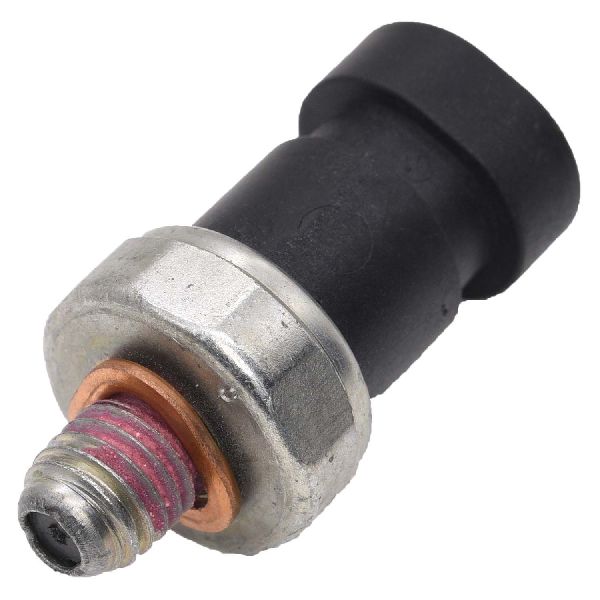
- Engine Oil Pressure Sensor (Switch)
(OEM #12673134 (For 2.4L & some V6, verify by VIN))— This is the most common cause of P0521 when oil level and actual pressure are confirmed to be good. Using a genuine OEM part is often recommended for reliability.
Trusted brands: ACDelco (OEM), Standard Motor Products (SMP)
OEM price range: $40-$60
Aftermarket price range: $25-$45 - Oil Pressure Sensor Filter Screen
(OEM #12585328)— This small screen under the sensor is prone to clogging with sludge and should always be replaced with the sensor to ensure a complete repair.
Trusted brands: ACDelco, Dorman
OEM price range: $5-$10
Aftermarket price range: $3-$8
Related Codes That Often Appear With This One
- P0300 (Random/Multiple Cylinder Misfire): Can be seen in severe cases where oil pressure issues affect AFM lifters or cam phasers.
- P0520 (Engine Oil Pressure Sensor/Switch Circuit): A more general circuit code that can accompany P0521.
Technical Service Bulletins (TSBs) & Recalls
- PIP4786C: Instructs technicians to inspect the small filter screen under the sensor for sludge if scan tool readings conflict with a mechanical gauge, directly linking the clogged screen to P0521. [⭐ MANUFACTURER TSB — highest authority]
- Special Coverage 14882: Addresses a plugged PCV orifice on 2010-2014 2.4L engines that can increase crankcase pressure and lead to oil leaks, which can indirectly cause low oil pressure conditions.
- PIP4568P / 15-06-01-002C: These TSBs discuss engine misfires (P0300) and ticking noises resulting from collapsed or stuck AFM lifters, which can be caused by low oil
Platform-Specific Known Issues
- A known Technical Service Bulletin (TSB), #PIP4786C, specifically addresses a low oil pressure message and DTC P0521. 🎬 Watch: Why your Terrain is showing a low oil pressure warning. It instructs technicians that if scan tool pressure is low but a mechanical gauge shows proper pressure, they should inspect the 'Valve Lifter Oil Filter' (the screen under the sensor) for debris before replacing parts. [⭐ MANUFACTURER TSB — highest authority]
- The 2.4L Ecotec engine has a reputation for oil consumption due to piston ring issues. This can directly lead to low oil levels and trigger this code if not monitored regularly. GM issued Special Coverage 14882 for related PCV issues that could also cause oil pressure warnings.
- The location of the sensor can be difficult to access. On the 2.4L engine, it is located on the front right side of the engine, below the oil filter housing. On the V6 engines, it is often on the front of the engine, sometimes requiring other accessories to be moved for access.
Mechanic-Grade Diagnostic Values
- Engine Oil Pressure (2.4L Ecotec, at operating temperature) — expected: 20-30 PSI at hot idle; 40-60 PSI at 3,000 RPM.. Failure: Pressure significantly below these ranges indicates a mechanical issue (e.g., worn bearings, failing oil pump).
- Oil Pressure Sensor Signal Voltage (Key On, Engine Off) — expected: ~0.5 Volts. Failure: A reading of 0V or 5V could indicate a short or open in the signal wire or a faulty sensor.
- Sensor 5-Volt Reference Circuit (at sensor harness connector) — expected: 4.8 - 5.2 Volts (with ignition ON). Failure: Voltage outside this range suggests a problem with the ECM or a short/open in the 5V reference wire.
- Sensor Low Reference (Ground) Circuit (at sensor harness connector) — expected: Less than 1.0 Ohm to a known good ground (with ignition OFF). Failure: Resistance higher than 1.0 Ohm indicates a poor ground connection, which can cause erratic sensor readings.
Scan Tool Commands That Help
- GDS2 / Tech2 / Professional Scan Tool: Live Data Monitoring (Engine Oil Pressure) — This is the primary scan tool function for P0521. It allows comparison between the ECM's 'Desired' or 'Expected' oil pressure and the 'Actual' reading from the sensor. A significant discrepancy, especially one that doesn't align with a mechanical gauge reading, points towards a sensor or wiring fault.
Wiring & Ground Locations
- Oil Pressure Sensor Connector — On the sensor itself. For the 2.4L, it's on the front-right side of the engine below the oil filter housing. For V6 models, it's often on the front of the engine near the oil filter.. The 3-pin connector can become contaminated with oil from a leaking sensor, causing poor contact and faulty readings. The pins are for the 5V reference, signal, and ground.
- G103 — Location can vary by vehicle platform. On some GM vehicles, it's on the cowl in the engine compartment, above the brake booster. On others (like V8 trucks), it may be on the passenger side cylinder head.. This is a critical ground point for the Body Control Module (BCM) and Engine Control Module (ECM). A poor connection at G103 can cause a host of unpredictable electrical issues, including faulty sensor readings processed by the ECM.
- Main Engine Block Ground — Typically part of the main negative battery cable, connected to the front of the engine block on the driver's side.. This is the primary ground for the entire engine assembly. The oil pressure sensor grounds through the engine block, so a corroded or loose main ground can create a floating ground and cause the sensor to send incorrect voltage signals to the ECM.
Real Owner Repair Stories
- Reddit user in r/ChevyTrucks (Chevrolet Silverado (similar GM engine/sensor design)) — Recurring P0521 code after replacing the oil pressure sensor.
❌ Tried (didn't work) Replacing the oil pressure sensor multiple times., Removing the sensor filter screen.
✅ What actually fixed it Switching to a Mobil 1 M1-113A oil filter resolved the recurring code. This highlights the system's sensitivity to oil filter specifications and flow characteristics. - Reddit user in r/ChevyTrucks (Dodge Charger Hemi (different vehicle, but illustrates a common issue with sensors)) — P0521 code persisted after initial repair attempts.
❌ Tried (didn't work) Replacing the sensor with an aftermarket part from a local auto parts store.
✅ What actually fixed it The issue was only resolved after replacing the sensor again, this time with a genuine OEM part. This suggests that some aftermarket sensors may not meet the precise performance specifications required by the ECM.
"I Checked Everything" — The Actual Cause
- The equivalent for P0521 is when a mechanical oil pressure gauge shows GOOD pressure, but the code persists or returns quickly. This is a very common scenario. The root cause is almost never a major mechanical engine problem. Instead, the issue lies within the sensing circuit itself. The most frequent culprits are: 1) The small filter screen under the sensor being clogged with sludge, preventing oil from reaching the sensor properly (as noted in TSB PIP4786C). 2) The sensor itself has failed electronically and is sending an irrational signal. 3) The oil filter being used has incorrect bypass valve specs, altering the pressure dynamics enough to trigger the code. 4) The wiring or connector to the sensor is damaged or contaminated with oil.
When the Usual Fixes Don't Work
- While replacing the sensor and screen is the most common fix, numerous owner accounts exist where this did not solve the problem. In many of these cases, the issue was resolved by either switching to a high-quality, OEM-spec oil filter (like ACDelco or a specific Mobil 1 model) after a generic filter was used, or by replacing a new aftermarket sensor with a genuine ACDelco OEM sensor. This indicates the ECM's expected pressure range is tightly calibrated, and minor deviations caused by non-OEM parts can be enough to re-trigger the code.
OEM Part Supersession History
ACDelco Professional / GM Genuine Parts→ACDelco GM Original Equipment 12673134— Branding Consolidation
Heads up: Some parts may have formerly appeared under different ACDelco brand names (e.g., Professional) but are the same OE-spec part. Part number 12673134 is the current, correct OE part. There are no major known supersessions with incompatibility issues for this specific part number.
Model Year Variations Within This Range
- 2010-2017: The available V6 engine changed. 2010-2012 models offered the 3.0L V6, while 2013-2017 models offered the 3.6L V6. The 2.4L 4-cylinder was available throughout the generation.
- 2010-2017: The physical location of the oil pressure sensor varies by engine. On the 2.4L, it is on the front-right side of the engine block, below the oil filter housing. On the 3.0L and 3.6L V6 engines, it is typically on the front of the engine near the oil filter and alternator.
- 2010-2013: Early 2.4L Ecotec engines were more susceptible to the PCV system freezing/clogging, which could blow out the rear main seal and cause a catastrophic loss of oil and oil pressure. This issue is addressed in TSB #14882.
Helpful Videos

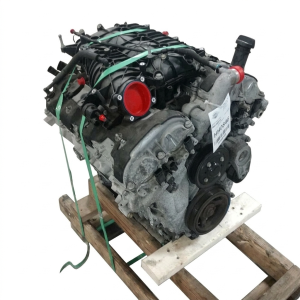
Used OEM Parts in Stock
New Aftermarket Parts Available


The information in this article is provided for general reference and educational purposes only. Vehicle specifications, procedures, and part compatibility can vary by production date, trim level, and region. Always consult your vehicle's factory service manual and verify part numbers before purchasing or performing repairs. Safety-critical components such as airbags, seat belts, and braking systems should be installed by a qualified professional.
- Gmc TERRAIN:
- 🎬 Helpful Videos
- 🛍️ Shop This Part
- What's Unique About the 2010-2017 Gmc TERRAIN
- Diagnostic Flowchart
- Symptoms You May Notice
- Most Likely Causes
- Rare But Worth Checking
- Diagnosis Steps
- Parts You'll Likely Need
- Related Codes That Often Appear With This One
- Technical Service Bulletins (TSBs) & Recalls
- Platform-Specific Known Issues
- Mechanic-Grade Diagnostic Values
- Scan Tool Commands That Help
- Wiring & Ground Locations
- Real Owner Repair Stories
- "I Checked Everything" — The Actual Cause
- When the Usual Fixes Don't Work
- OEM Part Supersession History
- Model Year Variations Within This Range
- 🎟️ Get 5% Off