

P0521 on 2005-2012 GMC Sierra 1500: Oil Pressure Sensor Causes and Fixes
On 2005-2012 GMC Sierra 1500s, P0521 is almost always caused by a faulty oil pressure sensor and/or its small, clogged filter screen. Replacing both parts is the most common fix, costing $40-$90 for parts. The sensor is located in a difficult-to-reach spot at the back of the engine, requiring a special 1-1/16" or 27mm deep socket for removal.
- P0521 on a 2005-2012 Sierra almost always points to a faulty oil pressure sensor and/or its clogged filter screen.
- Never assume you have a major engine problem. Always verify the true oil pressure with a mechanical gauge before authorizing expensive repairs.
- When replacing the sensor, it is absolutely critical to also replace the small, inexpensive filter screen located underneath it.
- Using the correct GM-specified Dexos synthetic oil and a high-quality oil filter is crucial for these engines and can sometimes resolve the code on its own.
- The repair is difficult due to the sensor's location, so while it's DIY-possible, it requires patience and the right tools.
What's Unique About the 2005-2012 Gmc SIERRA 1500 🎬 Watch: Understanding P0521 on GMC AFM engines

This issue is extremely common on the Gen IV V8 engines used in this generation of GMC trucks and their platform mates. The problem is so frequent due to two specific, well-documented parts: a failure-prone oil pressure sensor and a small, thimble-sized filter screen located in the oil passage directly beneath it. This screen is notorious for clogging with engine sludge, especially if oil changes are delayed, which starves the sensor of an accurate pressure reading and triggers the P0521 code even when the engine's actual oil pressure is perfectly fine. GM also issued service bulletins about incorrect oil filters causing this code, as the Active Fuel Management (AFM) system is sensitive to oil pressure and flow characteristics.
Diagnostic Flowchart

Tap your situation to follow the diagnostic path that matches what you're seeing on this vehicle.
Generation note: The 2005-2012 year range covers the end of the first generation (GMT800, through 2006 and 2007 'Classic' models) and the second generation (GMT900, 2007-2013). The causes and fixes for P0521 are consistent across these generations as they share the same Gen IV V8 engine architecture where this problem is prevalent.
Symptoms You May Notice

- Check Engine Light is on
- Low Oil Pressure warning light is on or message appears in the driver information center.
- Oil pressure gauge reads abnormally low (near zero) or high (pegged at max).
- Oil pressure gauge fluctuates erratically.
- Engine noise, such as ticking or knocking (in cases of actual low oil pressure).
- Engine stalling.
- Remote start feature may be disabled.
- Replacing the oil pump without first confirming actual low oil pressure with a mechanical gauge.
- Replacing only the oil pressure sensor but not the small filter screen underneath it, leading to the code returning quickly.
- Replacing the sensor with a cheap aftermarket part that fails again in a short period.
Most Likely Causes

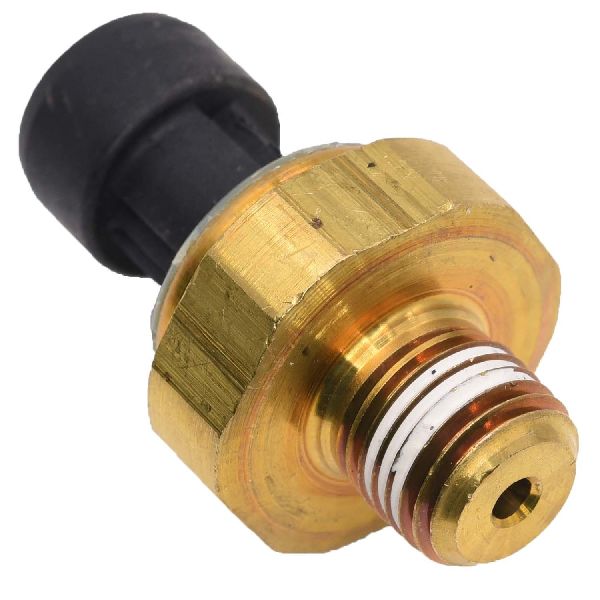
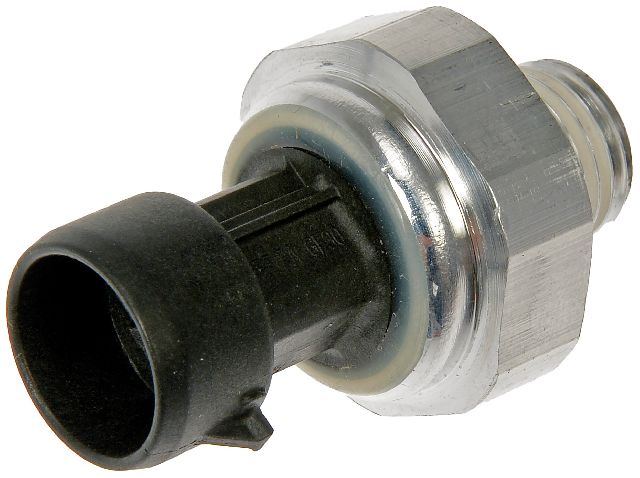
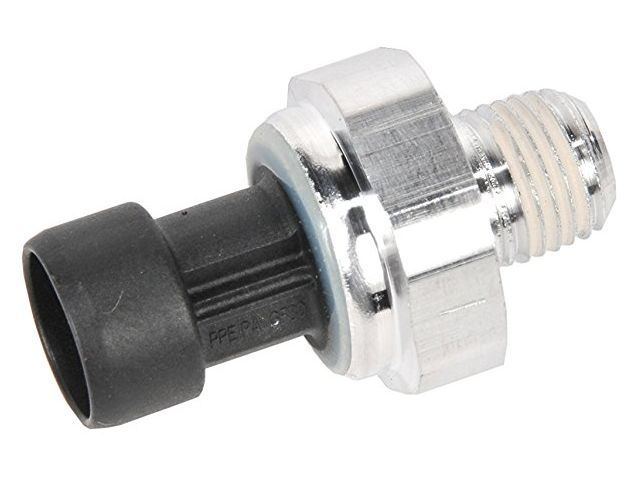
- Faulty Engine Oil Pressure Sensor (Sender) 🔴 High Probability The sensor is a very common failure point on these GM V8 engines, often failing electronically or leaking oil through the sensor body into the connector. Aftermarket sensors have a reputation for premature failure, leading to repeat repairs.
How to confirm: With the engine running, a scan tool shows an erratic, stuck, or incorrect oil pressure reading while a mechanical gauge shows correct pressure. A gauge pegged at max or zero is a classic sign of sensor failure.
Typical fix: Replace the oil pressure sensor. It is critical to replace the filter screen underneath it at the same time. Using an OEM ACDelco sensor is highly recommended to avoid premature failure.
Est. part cost: $25-$60 - Clogged Oil Pressure Sensor Filter Screen 🔴 High Probability This small screen is notorious for getting clogged with sludge and debris, especially if oil changes are delayed or if there is internal engine wear. This blocks oil flow to the sensor, causing a false low reading and triggering P0521.
How to confirm: Upon removing the oil pressure sensor, the screen underneath is visibly blocked with dark, sludgy material. It may be difficult to see without a mirror or borescope.
Typical fix: Remove the old screen with a pick or by threading a coarse screw (like a drywall or lag screw) into it and pulling it out. Install a new screen. This should always be done when replacing the sensor.
Est. part cost: $5-$15 - Incorrect Oil or Oil Filter 🟡 Medium Probability GM issued TSBs #PIP5276G and #10-06-01-008F stating that using the wrong oil viscosity or certain aftermarket/incorrect model oil filters can cause this code. These engines, especially with Active Fuel Management (AFM), are sensitive to proper oil and filtration specifications, and the wrong filter can affect pressure readings, particularly in cold weather.
How to confirm: The code appeared shortly after an oil change. Check records to see what oil and filter were used. The owner's manual specifies a Dexos-approved synthetic oil and an ACDelco PF48E filter is often recommended in TSBs.
Typical fix: Perform an oil change using the correct viscosity full synthetic oil and a quality OEM-spec filter (e.g., ACDelco PF48E or UPF48R).
Est. part cost: $40-$80 - Low Engine Oil Level 🟡 Medium Probability Some of these V8 engines, particularly those with AFM, are known for oil consumption issues as documented in TSB 10-06-01-008F. An owner may not realize the level has dropped low enough to affect pressure, triggering the code.
How to confirm: Check the engine oil dipstick. The level is below the minimum mark.
Typical fix: Top off the oil to the correct level and monitor for consumption. Clear the code and see if it returns.
Est. part cost: $10-$20
Rare But Worth Checking
- Failing Oil Pump or Clogged Pickup Tube: This is a serious mechanical failure. If a mechanical gauge confirms true low oil pressure across the RPM range, the oil pan must be removed to inspect the oil pump and pickup tube O-ring, which can become hard and brittle, allowing the pump to suck in air.
- Wiring Harness Damage: The wiring and connector for the sensor are located in a high-heat area at the back of the engine. They can become brittle, chafed, or corroded, causing a poor signal. Inspect the harness for visible damage and test for continuity before replacing the sensor. A replacement pigtail connector is available (e.g., Dorman 645-203).
- Clogged AFM/DFM Lifter Oil Filter: A second, less-accessible filter screen for the Active Fuel Management (AFM) system's valve lifter oil manifold is located in the oil pan. If this screen clogs, it can cause actual oil pressure problems and may present with a P0521 code. This is a much more involved repair requiring oil pan removal.
Diagnosis Steps
- Check the engine oil level and condition. Top off or change if necessary, ensuring the correct Dexos-spec oil and a quality ACDelco filter are used.
- Connect an OBD-II scanner to read the live oil pressure data from the ECM. Note if the reading is stuck high, low, or is erratic.
- CRITICAL STEP: Connect a mechanical oil pressure gauge in place of the sensor. Start the engine and compare the mechanical gauge reading to the scanner's reading.
- If the mechanical gauge shows good pressure (e.g., >25 PSI at hot idle, increasing ~10 PSI per 1000 RPM) but the scanner reading is incorrect, the problem is with the sensor circuit.
- If the mechanical gauge confirms low oil pressure, the vehicle has a serious internal engine problem (e.g., oil pump, pickup tube O-ring, worn bearings) that requires professional diagnosis.
- If the sensor circuit is at fault, inspect the sensor's electrical connector and nearby wiring for damage, corrosion, or oil contamination.
- If wiring is intact, replace the oil pressure sensor and the filter screen located in the block underneath it. Use an OEM part for best results.
Parts You'll Likely Need
- Engine Oil Pressure Sensor
(OEM #12673134 (supersedes 12616646))— This is the most common point of failure for code P0521 on these engines due to electronic failure or internal oil leaks. The OEM part is strongly recommended over aftermarket alternatives.
Trusted brands: ACDelco (OEM), Delphi, Standard Motor Products
OEM price range: $45-$60
Aftermarket price range: $25-$45 - Engine Oil Pressure Sensor Filter Screen
(OEM #12585328)— This screen is a primary cause of the code, as it frequently clogs with sludge and prevents the sensor from getting an accurate reading. It should always be replaced with the sensor.
Trusted brands: ACDelco (OEM), Dorman
OEM price range: $8-$15
Aftermarket price range: $5-$10 - Oil Pressure Sensor Socket
(OEM #N/A (Tool))— A special deep socket, typically 1-1/16" or 27mm, is required to access and remove the sensor due to its shape and tight location. A standard deep well socket may not fit.
Trusted brands: Lisle (p/n 13250), OEMTOOLS
OEM price range: $10-$20
Aftermarket price range: $10-$20
Related Codes That Often Appear With This One
- P0523: Engine Oil Pressure Sensor/Switch High Voltage - This code often appears with P0521 as both point to a fault in the sensor circuit.
Technical Service Bulletins (TSBs) & Recalls
- Bulletin #PIP5276G: Mentions P0521 or a Low Oil Pressure message, especially after an oil change. It refers technicians to bulletin 10-06-01-008 and also suggests inspecting the left rocker cover baffle for leaks, which can affect the PCV system and oil consumption.
- Bulletin #PIP4786C: Describes vehicles with a low oil pressure message and DTC P0521, instructing technicians to follow standard diagnostic procedures, including verifying actual pressure with a mechanical gauge.
- Bulletin #10-06-01-008F: A major TSB addressing high oil consumption in AFM engines. It details procedures for cleaning piston rings and installing an updated valve cover and an AFM oil deflector in the oil pan. This is relevant as high consumption leads to low oil levels, a cause for P0521.
- Bulletin #PIP5276 (earlier version): Specifically calls out P0521 setting in cold weather (below 0°F) when using a PF48E filter, and recommends switching to a PF48 filter in those conditions.
Platform-Specific Known Issues
- A recurring P0521 code has been reported by some owners even after replacing the sensor and screen. In some of these cases, switching to a specific high-quality oil filter, such as a Mobil 1 M1-113A or ACDelco UPF48R, has resolved the issue.
- The location of the sensor is at the very back of the engine block, underneath the firewall cowl, making it very difficult to access.
Mechanic-Grade Diagnostic Values
- Normal Oil Pressure (Hot Idle) — expected: 18-25 PSI. Failure: Sustained readings below 15 PSI at hot idle after confirming with a mechanical gauge.
- Normal Oil Pressure (Driving/Cruising) — expected: 30-45 PSI. Failure: Pressure does not increase with RPM or stays abnormally low/high.
- Oil Pressure Sensor Signal Voltage — expected: ~0.5V (engine off/low pressure) to ~4.5V (high pressure). Failure: Voltage is stuck at 0V, 5V, or does not change rationally with engine RPM.
- ECM Code Trigger Condition — expected: The ECM sets P0521 when the difference between predicted and actual oil pressure is greater than ~7.3 PSI (50 kPa) or less than ~6.8 PSI (47 kPa) for more than 4 seconds.. Failure: N/A
- Minimum GM Oil Pressure Specification (General Rule) — expected: At least 24 PSI at 1,000 RPM when hot.. Failure: Pressure is below this threshold, indicating a potential mechanical issue.
Wiring & Ground Locations
- G101 — Located at the front left (driver's side) of the engine, lower block.. This is a primary ground for the Engine Control Module (ECM). A poor connection here can cause a variety of erratic sensor readings and codes, including P0521.
- G102 — Located at the left rear (driver's side) of the engine.. This grounds the 8 ignition coils. While not directly tied to the oil pressure sensor, electrical noise from a bad coil ground could potentially interfere with sensitive sensor circuits nearby.
- G103 — Located on the cowl in the left rear of the engine compartment, above the brake booster.. This grounds the Instrument Panel Cluster (IPC) and the Body Control Module (BCM). A faulty ground here could affect how the oil pressure gauge displays its reading or how warnings are processed, even if the sensor and ECM are functioning correctly.
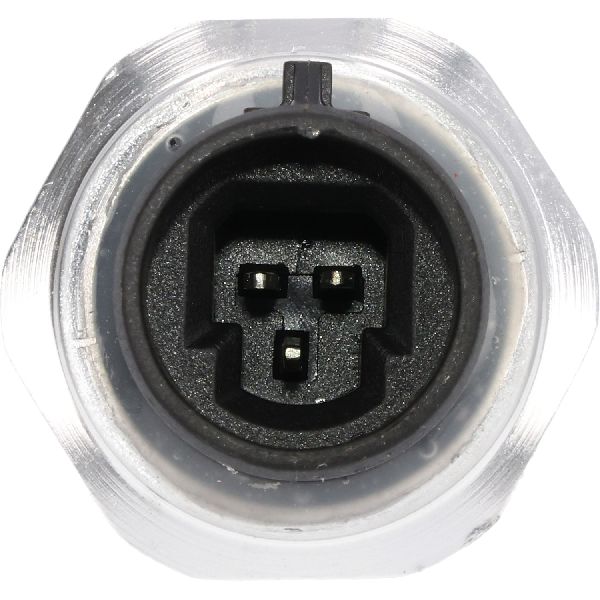
- Oil Pressure Sensor Connector — 3-pin oval connector on the sensor itself, at the top-rear of the engine block behind the intake manifold.. The connector contains the 5V reference, signal, and ground wires for the sensor. It is a common point of failure due to heat and vibration, leading to poor connections, intermittent signals, and the P0521 code.
Real Owner Repair Stories
- Reddit user in r/ChevyTrucks (Unknown year Chevy Truck) — Persistent P0521 code.
❌ Tried (didn't work) Replaced the oil pressure switch/sensor three different times., Removed the filter screen under the sensor., Cleared the codes multiple times.
✅ What actually fixed it The issue was never resolved. The owner drove the truck for another 40,000 miles with the code active and reported no noticeable performance problems before selling the vehicle, suggesting a persistent electrical fault rather than a mechanical pressure issue.
OEM Part Supersession History
12616646→12673134— GM regularly updates service parts to integrate new materials and technologies for improved reliability and performance.
Heads up: The connector for the updated sensor (12673134) is a round/oval shape. Some very early models in this range may have used a different connector style, so visually verifying the connector before purchase is recommended.
Model Year Variations Within This Range
- 2009+: Engines from 2009-onward were more likely to feature Active Fuel Management (AFM), which has a higher sensitivity to oil pressure and condition. TSB #PIP5276B specifically noted that 2009 models could trigger P0521 in cold weather when using a PF48E filter, indicating a specific sensitivity in that model year.
- 2005-2007 'Classic' (GMT800) vs. 2007.5-2012 (GMT900): While the fundamental cause (sensor/screen failure) is the same, there can be minor differences in the sensor part number and connector style between the two generations. The engine ground locations and harness routing also differ between the GMT800 and GMT900 platforms.
Helpful Videos

We Have This Part in Stock


The information in this article is provided for general reference and educational purposes only. Vehicle specifications, procedures, and part compatibility can vary by production date, trim level, and region. Always consult your vehicle's factory service manual and verify part numbers before purchasing or performing repairs. Safety-critical components such as airbags, seat belts, and braking systems should be installed by a qualified professional.
- Gmc SIERRA 1500:
- 🎬 Helpful Videos
- 🛍️ Shop This Part
- What's Unique About the 2005-2012 Gmc SIERRA 1500
- Diagnostic Flowchart
- Symptoms You May Notice
- Most Likely Causes
- Rare But Worth Checking
- Diagnosis Steps
- Parts You'll Likely Need
- Related Codes That Often Appear With This One
- Technical Service Bulletins (TSBs) & Recalls
- Platform-Specific Known Issues
- Mechanic-Grade Diagnostic Values
- Wiring & Ground Locations
- Real Owner Repair Stories
- OEM Part Supersession History
- Model Year Variations Within This Range
- 🎟️ Get 5% Off