

P0521 on 2005-2012 GMC Canyon: Oil Pressure Sensor Causes and Fixes
P0521 on a GMC Canyon most often means the oil pressure sensor has failed. Before replacing it, check the oil level and ensure the correct ACDelco PF48e oil filter is installed, as an incorrect filter is a known cause. Replacing the sensor and the small filter screen beneath it is a common, affordable DIY fix that resolves the issue for most owners.
- P0521 indicates a problem with the oil pressure sensor's reading, not necessarily the engine's actual oil pressure.
- Do not continue driving. Immediately check the oil level to prevent potential engine damage.
- The most common fix is replacing the oil pressure sensor and the small filter screen beneath it.
- Always use the correct ACDelco PF48e oil filter, as specified in a GM Technical Service Bulletin, to prevent this code.
- Before performing expensive repairs, the engine's true oil pressure should be verified with a mechanical gauge.
What's Unique About the 2005-2012 Gmc CANYON
On this generation of GMC Canyon and its platform mates (Chevy Colorado, Hummer H3), the P0521 code is frequently linked to specific, well-documented issues. GM has issued technical service bulletins (TSBs) highlighting that using an incorrect oil filter can trigger this code; the ACDelco PF48e is often specified. [Bulletin #PIP5276E, 14] Additionally, on V8 models, this code can be an early symptom of oil consumption issues related to the Active Fuel Management (AFM) system, which has its own set of TSBs. Many owners on forums like GMTNation fix the code simply by replacing the original sensor and the small, easily-clogged filter screen located beneath it.
Diagnostic Flowchart
Tap your situation to follow the diagnostic path that matches what you're seeing on this vehicle.
Symptoms You May Notice
- Check Engine Light is on
- Low Oil Pressure warning light or message on the instrument panel [Bulletin #PIP4786C]
- Oil pressure gauge reading abnormally low, zero, or pegged high at maximum.
- Engine running rough or making unusual noises (ticking, knocking)
- Engine stalling
- On V8 models, the AFM (V4 mode) may not activate.
- Replacing the oil pump before verifying actual oil pressure with a mechanical gauge.
- Replacing the instrument cluster or ECM without diagnosing the sensor and its circuit first.
- Replacing the oil pressure sensor but failing to replace the small, clogged filter screen underneath it.
Most Likely Causes
- Faulty Engine Oil Pressure Sensor 🔴 High Probability The sensor is a very common failure point on many GM vehicles of this era, often failing by leaking oil internally into the electrical connector or sending erratic signals.
How to confirm: Use a scan tool to observe the oil pressure reading. If it is stuck at one value (e.g., 129 PSI), reads zero, or jumps around erratically while the engine is running, the sensor is the primary suspect. A visual inspection of the disconnected sensor may reveal engine oil inside the electrical connector, which is a definitive sign of failure. The ultimate confirmation is to compare the scan tool reading to a mechanical oil pressure gauge installed in the sensor's port.
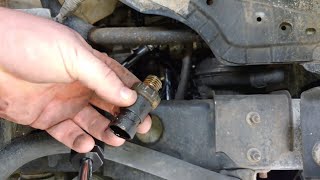
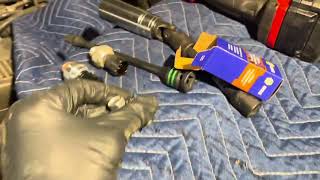
Typical fix: Replace the engine oil pressure sensor and the small screen/filter underneath it. The sensor is located at the back of the engine near the firewall (V8) or on the side of the block above the oil filter (I4/I5), which can be difficult to access. A special oil pressure sensor socket is highly recommended. 🎬 See this pro tip for the easiest way to swap the sensor.
Est. part cost: $30-$60 - Incorrect or Clogged Oil Filter 🟡 Medium Probability GM specifically issued a TSB mentioning that this code can appear after an oil change if the wrong filter is used. [Bulletin #PIP5276E] Aftermarket filters may have different bypass valve specifications or flow characteristics that the system is sensitive to. Some owners on Reddit and other forums report that switching to a specific ACDelco or high-quality aftermarket filter resolved the code.
How to confirm: Check the brand and part number of the installed oil filter. If it is not an ACDelco PF48e or a cross-referenced equivalent known to work, it is suspect.
Typical fix: Perform an oil change using the correct viscosity oil and replace the oil filter with a genuine ACDelco PF48e filter. [Bulletin #PIP5276E, 14]
Est. part cost: $10-$15 - Clogged Oil Pressure Sensor Screen 🟡 Medium Probability A small, thimble-shaped screen sits in the engine block below the sensor. Sludge or debris from the engine can clog this screen, restricting oil flow to the sensor and causing a false low-pressure reading. This is a very common point of failure, especially if oil changes have been neglected.
How to confirm: This can only be confirmed by removing the oil pressure sensor and inspecting the screen in the mounting hole. It often looks dark or full of debris.
Typical fix: Carefully extract the old screen with a pick or by threading a coarse lag bolt into it and pulling it out. Clean the port and install a new screen before installing the new sensor. 🎬 Watch: How to properly replace both the sensor and the screen. This screen is considered a mandatory replacement item when changing the sensor.
Est. part cost: $5-$10 - Low or Incorrect Engine Oil 🟡 Medium Probability This is a universal cause, but V8 models with Active Fuel Management (AFM) are known for potential oil consumption issues, making low oil levels more likely. Using oil that is not Dexos-approved or has the wrong viscosity (typically 5W-30) can also cause this code.
How to confirm: Check the engine oil level using the dipstick after letting the vehicle sit on a level surface. Verify that the oil viscosity matches the manufacturer's recommendation in the owner's manual.
Typical fix: Top off or change the engine oil to the correct level and viscosity as specified in the owner's manual. Use a full synthetic, Dexos-approved oil.
Est. part cost: $30-$80
Rare But Worth Checking
- Wiring or Connector Issues: The wiring harness leading to the sensor is in a hot, tight location, making it susceptible to damage. Check for brittle wires, a loose connection, or oil contamination in the connector.
- Failing Oil Pump or Internal Engine Wear: This is the worst-case scenario. If a mechanical gauge confirms that the engine's actual oil pressure is low, it points to a serious internal problem like a worn oil pump, clogged oil pickup tube O-ring, or excessive bearing clearances.
- AFM Pressure Relief Valve Issue (V8 Only): As detailed in TSB 10-06-01-008M, a pressure relief valve in the oil pan on AFM-equipped V8s can get stuck or spray excessive oil into the crankcase, leading to high oil consumption and related pressure issues. The fix involves dropping the oil pan to install a special shield (GM Part #12639759).
Diagnosis Steps
- Check the engine oil level and condition. Ensure it is full and of the correct Dexos-approved viscosity.
- Verify the correct oil filter is installed. Per TSB PIP5276E, it should be an ACDelco PF48e or equivalent. If not, change the oil and filter.
- Connect a scan tool and monitor the Engine Oil Pressure reading. Note if the value is stuck (often at 129 PSI), erratic, or reads 0 PSI with the engine running.
- Crucially, connect a mechanical oil pressure gauge in place of the sensor to measure the engine's actual oil pressure. Compare this reading to the manufacturer's specifications (typically ~25-30 PSI at hot idle, and higher with RPM).
- If the mechanical gauge shows good pressure but the scan tool shows a bad reading, the problem is the sensor circuit. Inspect the connector and wiring for damage or oil contamination. If they look good, replace the oil pressure sensor AND the screen below it.
- If the mechanical gauge confirms low oil pressure, the problem is internal to the engine. Further diagnosis of the oil pump, pickup tube O-ring, and engine bearings is required.
Parts You'll Likely Need
- Engine Oil Pressure Sensor
(OEM #12673134)— This sensor is the most common failure point that triggers code P0521. The ACDelco part is strongly recommended over some aftermarket alternatives to avoid repeat failures. This part number supersedes older versions like 12621234 and 12596951.
Trusted brands: ACDelco (GM Original Equipment)
OEM price range: $45-$60
Aftermarket price range: $25-$45 - Oil Pressure Sensor Filter/Screen
(OEM #12585328)— This small screen below the sensor is notorious for becoming clogged with sludge, blocking oil from reaching the sensor and causing a false reading. It is best practice to always replace it when replacing the sensor.
Trusted brands: ACDelco (GM Genuine Parts), Dorman (926-040 is a kit that may include the sensor and screen)
OEM price range: $5-$10
Aftermarket price range: $3-$8 - Engine Oil Filter
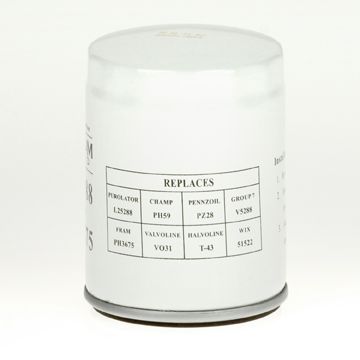
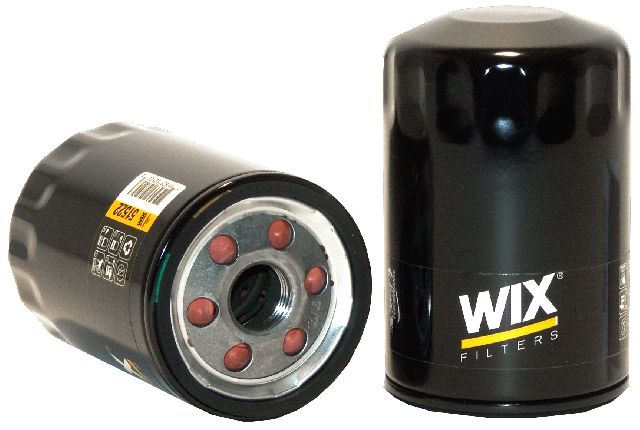
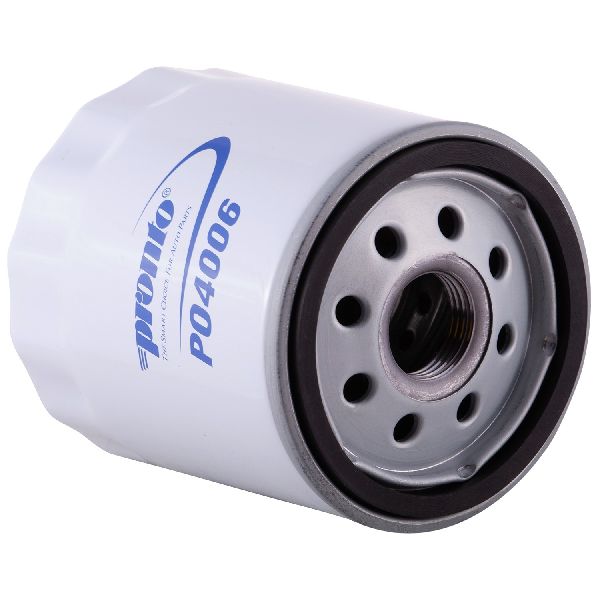
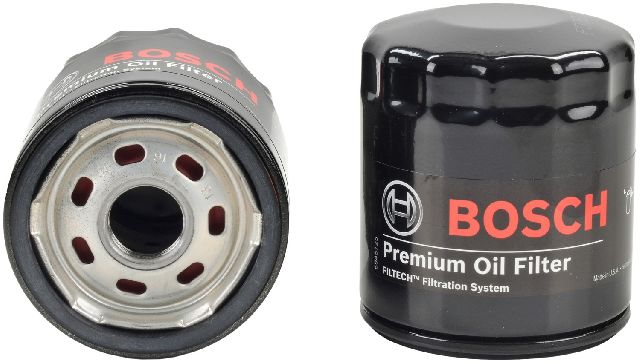
(OEM #PF48E)— A specific GM TSB cites that using an incorrect oil filter can cause code P0521. The PF48E is the recommended service part to ensure proper oil flow and pressure characteristics. [Bulletin #PIP5276E, 14]
Trusted brands: ACDelco
OEM price range: $10-$15
Aftermarket price range: $5-$12
Technical Service Bulletins (TSBs) & Recalls
- PIP5276G: Mentions P0521 with low oil pressure message and refers to standard diagnostic procedures.
- PIP4786C: Links P0521 to a low oil pressure message and advises following published service information for diagnosis.
- PIP5276E: Cites P0521 after an oil change and recommends using a PF48e oil filter.
- 10-06-01-008M: (Referenced by other TSBs) Details an AFM pressure relief valve issue on V8s that can cause oil consumption and pressure problems.
Platform-Specific Known Issues
- A Service Engine Soon light or low oil pressure message may appear. TSB PIP5276E specifically notes this can happen after an oil change and advises replacing the oil filter with a PF48e type. [Bulletin #PIP5276E]
- TSB PIP5276G and PIP4786C also document the link between code P0521 and a low oil pressure message, instructing technicians to follow standard diagnostic procedures. [Bulletin #PIP5276G, Bulletin #PIP4786C]
- On V8 models with Active Fuel Management (AFM), TSB 10-06-01-008M describes a condition where a pressure relief valve can cause excessive oil consumption, which could manifest with oil pressure-related codes like P0521. The fix may require installing a deflector shield in the oil pan.
Mechanic-Grade Diagnostic Values
- Oil Pressure Sensor Signal Voltage — expected: Approximately 0.5V with engine off/low pressure, and up to 4.5V-4.8V with normal operating pressure.. Failure: Voltage is stuck, erratic, or does not correlate with engine RPM. A reading outside <0.3V or >4.8V for an extended period can trigger the code.
- Oil Pressure Sensor 5V Reference Voltage — expected: +5V at the sensor connector with the key on, engine off.. Failure: No voltage or significantly lower voltage indicates a wiring or ECM problem.
- Minimum Hot Oil Pressure (Mechanical Gauge) — expected: Approximately 25-30 PSI at hot idle for a healthy engine. GM's minimum spec can be as low as 7 PSI at 1000 RPM, but this is considered very low by mechanics.. Failure: Pressure significantly below 20 PSI at hot idle indicates a mechanical engine issue, not a sensor fault.
Wiring & Ground Locations
- G102 / G103 — G102 is on the lower left side of the engine block. G103 is on the cowl, above the brake booster.. These are primary engine and chassis grounds. The ECM, which interprets the oil pressure sensor signal, relies on a clean ground reference via G102. A poor ground at G103 can cause various electrical issues in the instrument panel and BCM, potentially affecting how warnings are displayed.
- Splice Pack SP105 / SP106 — SP105 is on the driver's side inner fender near the battery/fuse box. SP106 is on the passenger side inner fender behind the airbox.. These ground splice packs are a known weak point on this platform, susceptible to corrosion. They consolidate grounds for many components, including the ECM and EBCM. A faulty splice pack can cause erratic sensor readings and seemingly unrelated electrical faults.
- Oil Pressure Sensor Connector — On the I4/I5 engines, it's above the oil filter housing. On the V8, it's at the top rear of the engine block, behind the intake manifold.. The connector itself and its three wires (5V reference, signal, low reference/ground) are the primary points for electrical testing. Check for a tan wire (signal), a gray wire (5V ref), and a black wire (low ref). Oil leaking into this connector from a failed sensor is a common cause of failure.
Real Owner Repair Stories
- Reddit user in r/ChevyTrucks (Chevrolet Truck (specific model not mentioned, but common GM issue)) — P0521 code persisted after replacing the oil pressure sensor.
❌ Tried (didn't work) Replacing the oil pressure sensor with an aftermarket part from a local auto parts store.
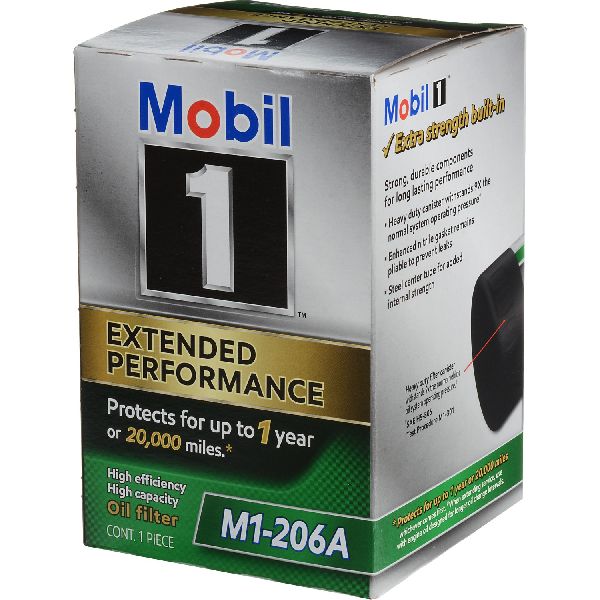
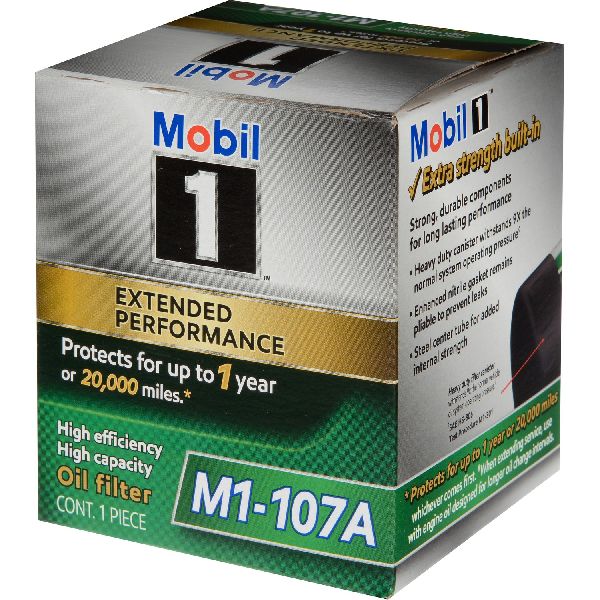
✅ What actually fixed it Replacing the aftermarket sensor with a genuine OEM sensor resolved the problem. Another user in the same thread fixed their identical issue by switching to a Mobil 1 M1-113A oil filter. - YouTube video by 'Joseph Payne' (2009 GMC Canyon) — Oil pressure light was on.
✅ What actually fixed it Replacing the oil pressure switch (sensor) located above the oil filter resolved the issue and turned the warning light off. The video demonstrates accessing it through the wheel well.
OEM Part Supersession History
12596951, 12621234→12673134— Standard component revision and improvement by the manufacturer.
Heads up: While aftermarket sensors are available, some owners report persistent codes until a genuine ACDelco/GM part is used.
Model Year Variations Within This Range
- 2005-2006: Primarily used the 2.8L I4 and 3.5L I5 engines. The oil pressure sensor is located on the driver's side of the engine block, above the oil filter housing, requiring access from the wheel well.
- 2007-2012: Engines were updated to the 2.9L I4 and 3.7L I5. The 5.3L V8 (LH8) was also introduced as an option starting in 2009. For the I4/I5, the sensor location remains the same. For the 5.3L V8, the sensor is located at the very back of the engine block behind the intake manifold, making it much more difficult to access.
Helpful Videos
We Have This Part in Stock

The information in this article is provided for general reference and educational purposes only. Vehicle specifications, procedures, and part compatibility can vary by production date, trim level, and region. Always consult your vehicle's factory service manual and verify part numbers before purchasing or performing repairs. Safety-critical components such as airbags, seat belts, and braking systems should be installed by a qualified professional.
- Gmc CANYON:
- 🎬 Helpful Videos
- 🛍️ Shop This Part
- What's Unique About the 2005-2012 Gmc CANYON
- Diagnostic Flowchart
- Symptoms You May Notice
- Most Likely Causes
- Rare But Worth Checking
- Diagnosis Steps
- Parts You'll Likely Need
- Technical Service Bulletins (TSBs) & Recalls
- Platform-Specific Known Issues
- Mechanic-Grade Diagnostic Values
- Wiring & Ground Locations
- Real Owner Repair Stories
- OEM Part Supersession History
- Model Year Variations Within This Range
- 🎟️ Get 5% Off